Beets and bush beans genuinely do grow well together, and it's one of the more practical pairings you can make in a small home garden bed. The short version: bush beans fix a modest amount of nitrogen in the soil, stay low enough not to shade beets out, and their root systems sit at different depths so there's minimal competition underground. Pole beans are a different story, beets and pole beans are a poor match, mostly because the tall vine growth and trellis shading suppresses beet leaf development and ultimately hurts root size. Stick with bush beans and you'll likely get solid harvests from both crops. Use pole beans and you'll probably end up with disappointing beets.
Do Beets and Beans Grow Well Together? Companion Guide

Marcus Hendrick
11 May 2026
Compatibility basics: do beets and beans help or hinder each other
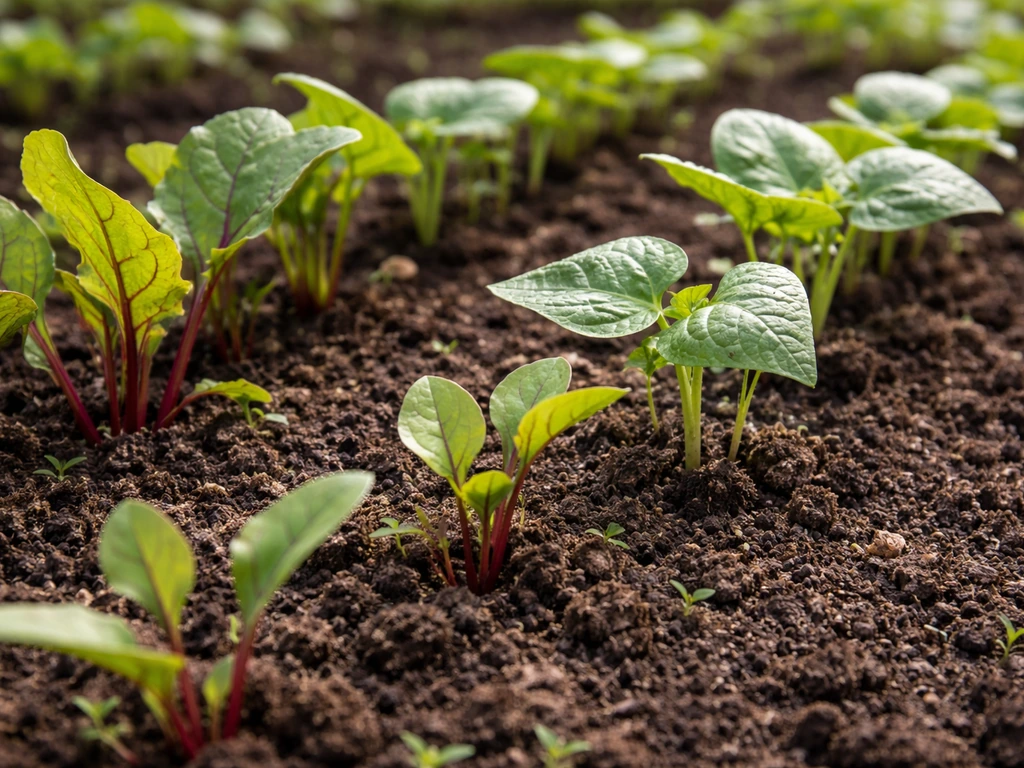
The classic companion-planting claim is that beans fix nitrogen from the air into the soil via root nodules, and beets benefit from that nitrogen boost. That part is directionally true, but don't expect a dramatic fertilizer effect mid-season. Legume nitrogen fixation builds up slowly and mainly benefits whatever grows in that spot the following season. What beets actually get from bush beans right now is more practical: low-growing bean foliage acts as a living mulch, keeping soil moisture more even and suppressing weeds between beet rows. Beets, in turn, don't compete heavily with shallow bean roots because beet taproots go down 6 to 10 inches while most bush bean feeder roots stay in the top 4 to 6 inches.
The incompatibility with pole beans comes down to light. Beet greens need full sun to drive root development. A pole bean trellis, especially one running east to west, can cast enough afternoon shade to noticeably slow beet growth and reduce root size by harvest. Beyond shade, pole beans grow aggressively and their root system is larger and more competitive for water and nutrients. If you're choosing between the two bean types for a mixed bed, bush beans are the clear call. Popular bush varieties like Provider, Contender, or Bush Blue Lake 274 all work well here.
Timing plan: cool-season beets vs warm-season beans
This is the part most gardeners get wrong, and it's worth getting right because beets and beans don't want to be planted at the same time. Beets are a cool-season crop. They germinate best when soil is between 50°F and 75°F and they can tolerate a light frost. In most climates, that means direct sowing beets 4 to 6 weeks before your last frost date in spring. If you're in zone 6, that might be late March or early April. Beets also get a second planting window in late summer, about 8 to 10 weeks before your first fall frost.
Bush beans are warm-season and don't go in the ground until soil hits at least 60°F, ideally 65°F to 70°F. They hate frost. That typically puts your first bean planting 1 to 2 weeks after your last frost date. In practical terms, you'll sow beets in early spring, let them establish for 3 to 5 weeks, and then direct-sow bush beans alongside them once the soil has warmed up.
By the time beans are actively growing and starting to set pods (roughly 50 to 60 days after sowing), your beets are nearing harvest size. You pull beets in late spring to early summer, and the beans finish out the warm season in the newly opened space. That staggered timing is what makes this pairing actually work in a real garden, not just on paper.
| Crop | Soil Temp to Sow | Timing (Zone 6 example) | Days to Harvest |
|---|---|---|---|
| Beets (spring) | 50–75°F | Late March to mid-April | 55–70 days |
| Bush Beans | 60–70°F | Mid-May (after last frost) | 50–60 days |
| Beets (fall) | 60–75°F | Late July to mid-August | 55–70 days |
If you want both crops growing simultaneously, the spring overlap window is roughly mid-May through late June in most temperate zones. That's enough time to enjoy fresh beets while the beans are ramping up. The fall beet planting is a great second act once beans are done, you can pull spent bean plants in late summer and direct-sow beets into the same bed, which will also benefit from any residual nitrogen the bean roots leave behind.
Spacing and layout: bed design, row placement, and why bush vs pole beans matters
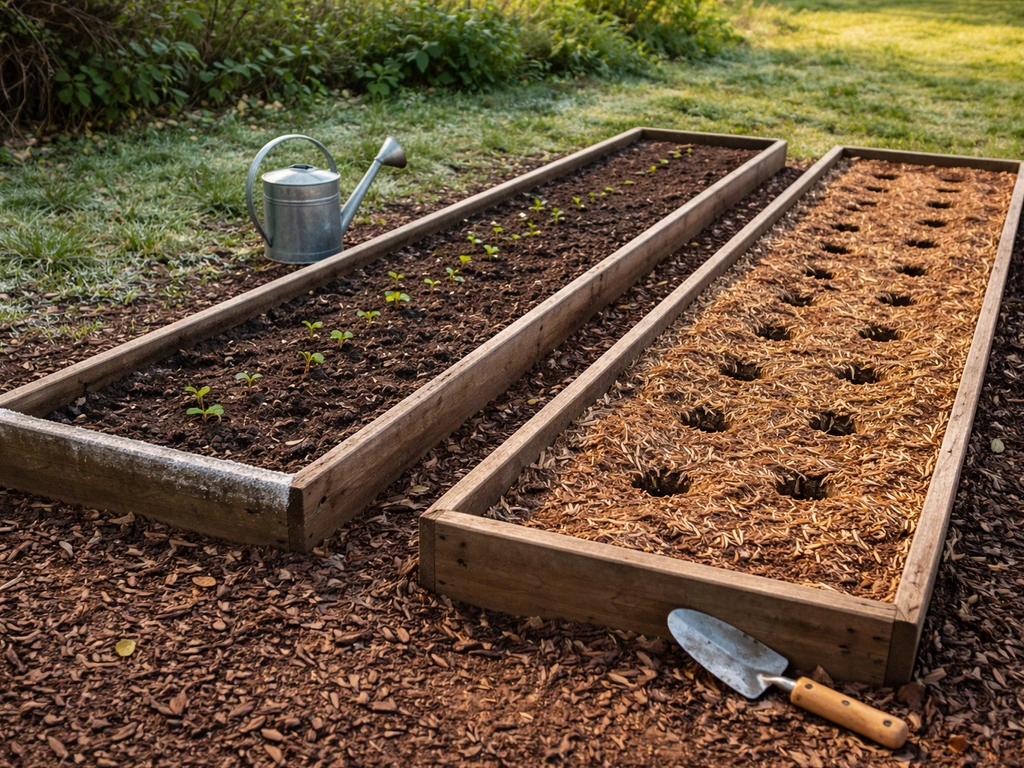
In a standard ground bed or raised bed, run your beet rows north to south to maximize sun exposure, and place bush bean rows on the north or west edge of the bed so they don't shadow the beets. Bush beans typically top out at 18 to 24 inches tall, so they're not a serious shading threat as long as you're thoughtful about placement. If your bed is 4 feet wide, a common layout is two rows of beets down the center and south side, with one row of bush beans on the north edge.
For beet spacing, thin plants to 3 to 4 inches apart in the row with rows 12 inches apart. Crowded beets produce small, misshapen roots, so don't skip thinning even though it feels wasteful. Bush beans go in at 4 to 6 inches apart within the row, with rows about 18 inches apart. Interplanting them closer than that with beets tends to cause moisture and airflow problems, which increases disease risk.
If you're working in raised beds (a 4x8 or 4x4 format is common), think in blocks instead of rows. A 4x8 bed can comfortably hold a 3x4-foot block of beets and a 1x8 or 2x4 strip of bush beans on the shadier end. In containers, this pairing gets harder to manage well, beets need at least 12 inches of depth and about 3 to 4 inches of surface space each, and beans need a separate container or at least a very large shared planter (15 gallons or more). Don't try to cram both into anything smaller than that or you'll get poor results from both crops.
Soil and fertilizing: what both crops actually need
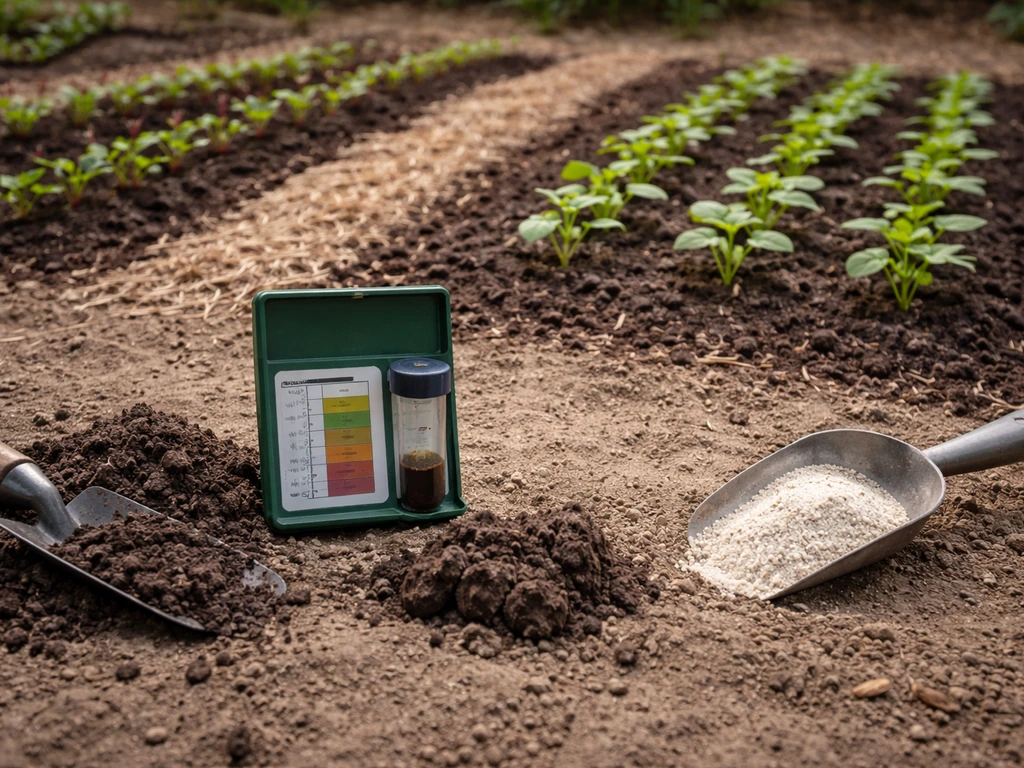
Both beets and bush beans prefer a soil pH between 6.0 and 7.0, which makes them genuinely compatible from a soil chemistry standpoint. Below 6.0, beets start to show manganese and boron deficiencies (you'll see puckered or misshapen leaves), and beans struggle to fix nitrogen efficiently. A simple pH test before planting lets you dial this in. If your soil is too acidic, work in garden lime a few weeks before planting. If it's too alkaline, elemental sulfur or acidic compost helps.
Beans are one of those crops people often over-fertilize. Because they fix their own nitrogen, adding a lot of nitrogen fertilizer before sowing actually discourages nodule formation and gives you big leafy plants with fewer pods. Before planting beans, skip the nitrogen-heavy amendments. A modest amount of compost worked into the top 6 inches is all you need. Beets, on the other hand, are moderate feeders that appreciate a slightly richer soil. A soil test is always worth doing, but if you're working without one, adding 2 to 3 inches of well-rotted compost to the whole bed before planting serves both crops well.
Beets also have a specific micronutrient need worth knowing: boron. A boron deficiency shows up as black heart, a dark, mushy area in the center of the root, and it's most common in sandy or heavily leached soils. If you've had this problem before, a light foliar spray of diluted borax solution (1 tablespoon per gallon of water, applied once) usually solves it. Don't overdo it, too much boron is toxic to both crops.
Watering and care as the season shifts
Beets need consistent moisture, especially during germination (which can take 7 to 14 days) and root development. Inconsistent watering during root fill is the main cause of zoning (those pale concentric rings in the root) and cracking. Aim for about 1 inch of water per week, either from rain or irrigation. Mulching with straw or shredded leaves after thinning goes a long way toward holding that moisture through the warming spring weeks.
Bush beans have slightly different preferences. They need even moisture while germinating and when pods are setting, but they're a bit more drought-tolerant than beets once established. Overwatering beans, especially in heavy or poorly drained soil, encourages root rot and fungal diseases. During the peak summer weeks when beans are producing, deep watering two to three times a week is usually better than shallow daily watering. A drip line or soaker hose running down both sections of the bed is the most efficient approach, keeping water off leaves (which helps prevent disease) while supplying both crops consistently.
As beets approach harvest, you can ease off watering a bit, beet roots near full size are relatively tolerant of short dry spells, and easing off slightly firms up the roots. Beans in active production need steady moisture right through harvest. If you're hand-watering, prioritize the bean end of the bed during summer dry spells.
Pests and diseases to watch in a mixed beet-and-bean bed
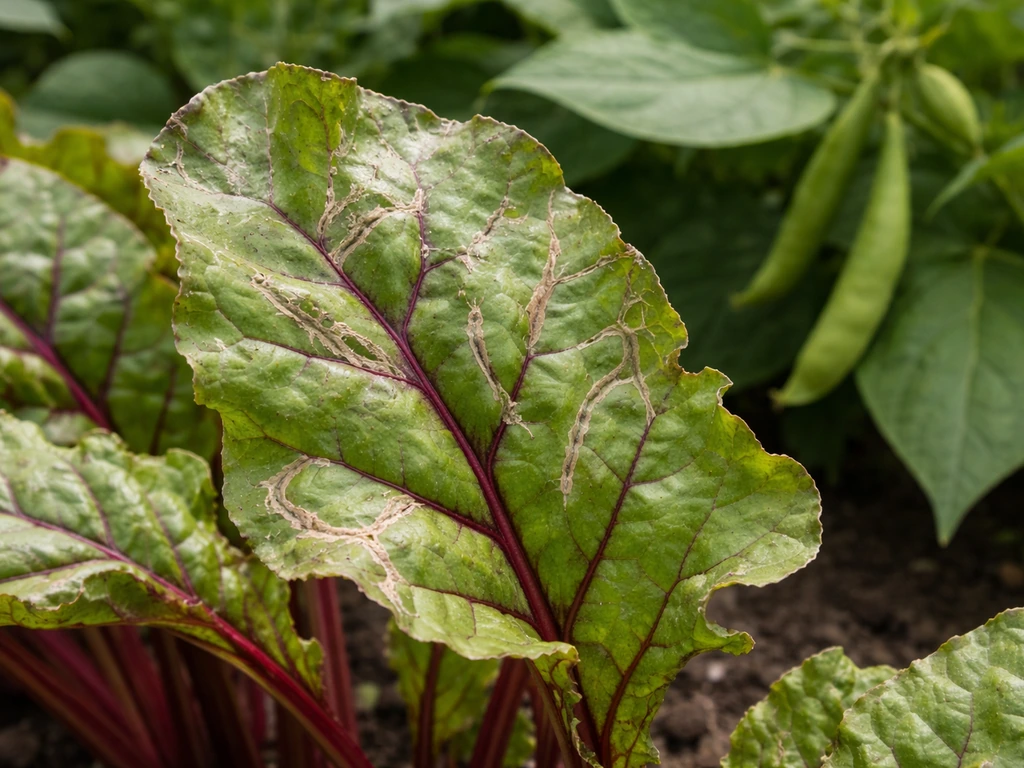
One of the underrated benefits of mixed planting is that it complicates pest navigation. Insects that target beets (like leafminers) have a harder time finding host plants when they're interspersed with beans, and vice versa. That said, there are a few things to watch for specifically in this combination.
- Beet leafminers: Small fly larvae tunnel through beet leaves, creating pale blotchy patches. Remove and destroy affected leaves immediately. Row cover over beets early in the season prevents egg-laying.
- Bean beetles (Mexican bean beetle and bean leaf beetle): Look for skeletonized leaf tissue on beans. Hand-pick adults and egg clusters early. Neem oil spray works well if populations get ahead of you.
- Aphids: Both crops attract aphids, especially in warm weather. A strong spray of water knocks most off. Encourage beneficial insects by avoiding broad-spectrum sprays.
- Root rot on beans: Caused by Rhizoctonia or Pythium fungi in wet, poorly drained soil. Improve drainage, reduce overhead watering, and rotate crops seasonally.
- Cercospora leaf spot on beets: Circular tan or gray spots with red-purple borders on beet leaves. Most common in warm, humid conditions. Thin plants for better airflow and avoid wetting foliage.
- Cutworms: Can sever bean seedlings at the soil line overnight. Place cardboard or plastic collars around transplants, or apply beneficial nematodes if you've had repeated problems.
The most important general practice in a mixed bed is airflow. Crowded planting is what turns minor disease pressure into a full-blown problem. Keep beets thinned properly and don't let bean foliage get so dense it stays wet for hours after rain or irrigation. If you see disease symptoms on either crop, remove affected material quickly rather than hoping it resolves itself.
Troubleshooting: when things go wrong
Beets are bolting before roots develop
Bolting (sending up a flower stalk) in beets is almost always triggered by temperature stress or vernalization, specifically a sustained period of cold temperatures below 50°F after germination, followed by warming. This is most common when beets are sown too early and exposed to a late cold snap. To prevent it, don't sow beets more than 6 weeks before your last frost date in spring, and use row cover if you expect temperatures to drop below 40°F after germination. If beets bolt, pull them, the roots become woody and bitter quickly after bolting begins.
Beets are growing slowly or producing small roots
Small beet roots almost always come down to one of three things: plants are too crowded (thin to 3 to 4 inches without hesitation), soil is too compacted (beet taproots need loose soil to develop properly, so work the bed to 10 to 12 inches deep before planting), or there's too much shade. If beans have gotten bigger than expected and are shading your beets, remove the most overhanging bean foliage or harvest those bean plants early.
Bush beans aren't setting pods
Poor pod set on bush beans is usually a heat problem. Beans drop flowers and fail to set pods when daytime temperatures go consistently above 90°F or nighttime temperatures stay above 75°F. There isn't much you can do mid-summer except wait for temperatures to drop. Shade cloth (30 to 40%) over beans during peak afternoon heat helps in hot climates. Also check that you're not over-fertilizing with nitrogen, lush, dark green bean plants with minimal pods are a nitrogen excess symptom.
Poor germination from either crop
Beet seeds are actually a cluster of 2 to 4 seeds fused together (called a multigerm seed), so you'll almost always get multiple seedlings per planting spot, thinning is essential, not optional. If beet germination is still poor, check soil temperature (below 50°F is too cold) and soil moisture (dry surface crust prevents emergence). Pre-soaking beet seeds in water for 6 to 12 hours before planting speeds germination noticeably. For beans, soil temperature is the main issue, beans rot in cold, wet soil. Don't rush them. Wait until soil is reliably 60°F.
The setup that actually works: a quick recommendation
If you're planning this combination right now in spring, here's what I'd do: sow your beets first, 4 to 6 weeks before your last frost date in rows spaced 12 inches apart. Once your soil hits 60°F and frost risk is behind you, direct-sow bush beans on the north side or end of the same bed, keeping them at least 12 to 18 inches from the nearest beet row. Thin beets aggressively to 3 to 4 inches. Mulch between rows.
Water consistently with a drip line if you can. Harvest beets in late spring or early summer as they hit 2 to 3 inches in diameter, and let the beans take over the space. If you also want the best tasting broccoli to grow, focus on flavorful varieties and harvest timing suited to your weather. Follow with a fall beet planting in the vacated bean bed after you pull bean plants out in late summer.
The one combination to avoid is beets and pole beans sharing the same bed, the shading and competition aren't worth fighting. If you're also growing carrots or tomatoes and thinking about how to arrange your beds, it's worth considering those pairings as you plan your layout, since beet companions vary quite a bit by crop type. Bush beans with beets, timed right, is genuinely one of the easier and more productive pairings you can set up in a home garden with limited space. Carrots are another root crop that also pairs well when you match spacing and keep light and watering consistent.
FAQ
Can I sow beets and bush beans on the same day to save time?
In the same bed, aim for a staggered schedule: start beets first in cool weather, then sow bush beans once soil is reliably warm (at least 60°F, ideally 65°F to 70°F). If you try to start both at the same time, bean germination often fails in cool soil, and beet growth can lag or bolt if conditions swing cold-to-warm.
What’s the latest I can start bush beans if I want beets to still size up well?
Yes, but treat it as an overlap, not a permanent mix. The overlap window is typically mid-May through late June in temperate zones, depending on spring temperatures. If the heat arrives early, expect beans to finish pods sooner and plan to pull beets at peak size instead of waiting.
My beets are growing slowly, but the beans look fine. What should I troubleshoot first?
For beets, check spacing and thinning first, then water consistency. Even when beans are doing the “living mulch” job, beets can still zone or crack if the soil dries out between waterings during root fill. Keep irrigation steady until you harvest, and thin beets to 3 to 4 inches even if the bed looks sparse.
Will I need to add fertilizer for beets after the beans are established?
Don’t treat the bean nitrogen story as a mid-season fertilizer plan. If you want to top-dress, wait until you see bean nodules functioning and only feed sparingly, then rely on compost and good watering. Over-applying nitrogen before or during the run often reduces bean pod set and encourages leafy growth instead.
How far should bush beans be placed from beet rows to prevent shading and competition?
Separate them by at least 12 to 18 inches from the nearest beet row, and keep bean rows on the north or west side so beets do not end up in afternoon shade. Also watch height. If your bean tops get taller than expected, do light leaf management to prevent dense canopy shading over beet greens.
Can I grow beets and bush beans in blocks instead of straight rows in a raised bed?
Yes, especially in raised beds, but use a layout that preserves airflow. A common approach is a beet block with a bean strip on the shadier end, plus enough clear space between blocks that foliage can dry after rain. If you can’t walk between plantings comfortably or the bed stays wet for long periods, disease pressure rises quickly.
How do I adjust soil pH for this pairing if I don’t know my current pH?
Use soil pH testing before you amend, because “fixing” pH blindly can overshoot. If the soil is too acidic, apply garden lime a few weeks ahead. If too alkaline, sulfur and acidic compost can help, but re-test after amendments rather than changing rates mid-season.
My beet roots show dark centers. How do I know if it’s boron deficiency versus a watering or disease issue?
If you see black, mushy centers (black heart), confirm it’s boron deficiency before treating. In sandy or leached soils it’s more common, but over-correcting can be harmful. Use a very light, single application as described in the article, and avoid repeated borax sprays back-to-back.
Does watering style matter more with beets and beans together than with single-crop beds?
Yes. If you have irrigation that can’t separate leaf wetting, reduce overhead watering. With this pairing, leaf wetness increases fungal risk on both crops, and mixed foliage makes it harder to notice early symptoms. Drip or soaker hoses that keep water off leaves usually reduce problems.
If my beets bolt, is it worth trying to save the roots with shade or row cover?
If beet bolting starts, pull the plants promptly. Once bolting begins, roots turn woody and bitter quickly, even if you shade them. For future plantings, tighten timing by not sowing more than 6 weeks before the last frost and use row cover if cold snaps follow germination.
My beans flower but don’t form pods. What should I do during a heat wave?
If bush beans fail to set pods in hot weather, the priority is environmental rather than feeding. Check temperature first, avoid nitrogen-heavy amendments, and consider shade cloth (around 30 to 40%) during peak afternoon heat in very warm climates. Pollinator activity can still be fine, but heat prevents flower retention.
Next Article
Best Tasting Broccoli to Grow: Varieties, Timing, Care
Grow sweet tender broccoli: best-flavor varieties, soil and watering tips, timing, and harvest steps to avoid bitterness