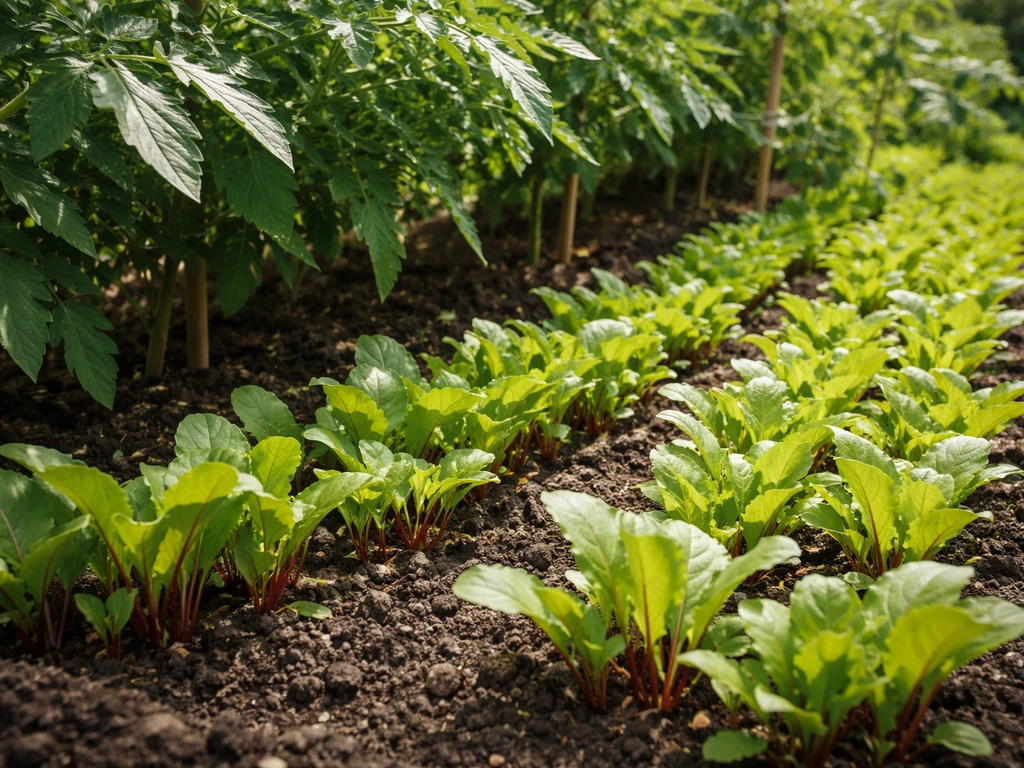
Yes, beans and potatoes grow well together, and this is one of the more practical companion planting combinations you can actually use in a real home garden. Both crops want full sun (8 to 10 hours a day), similar soil pH (around 6.0 to 6.5), and warm-season planting windows that overlap nicely. Bush beans are the best choice for sharing a potato bed because they stay low, don't shade out the potato canopy, and leave you clear access to hill up your potato plants as they grow. Done right, the two crops can share a bed without competing, and beans bring some nitrogen benefit to the soil that your potatoes will appreciate.
Do Beans and Potatoes Grow Well Together? How to Plant

Marcus Hendrick
27 Apr 2026
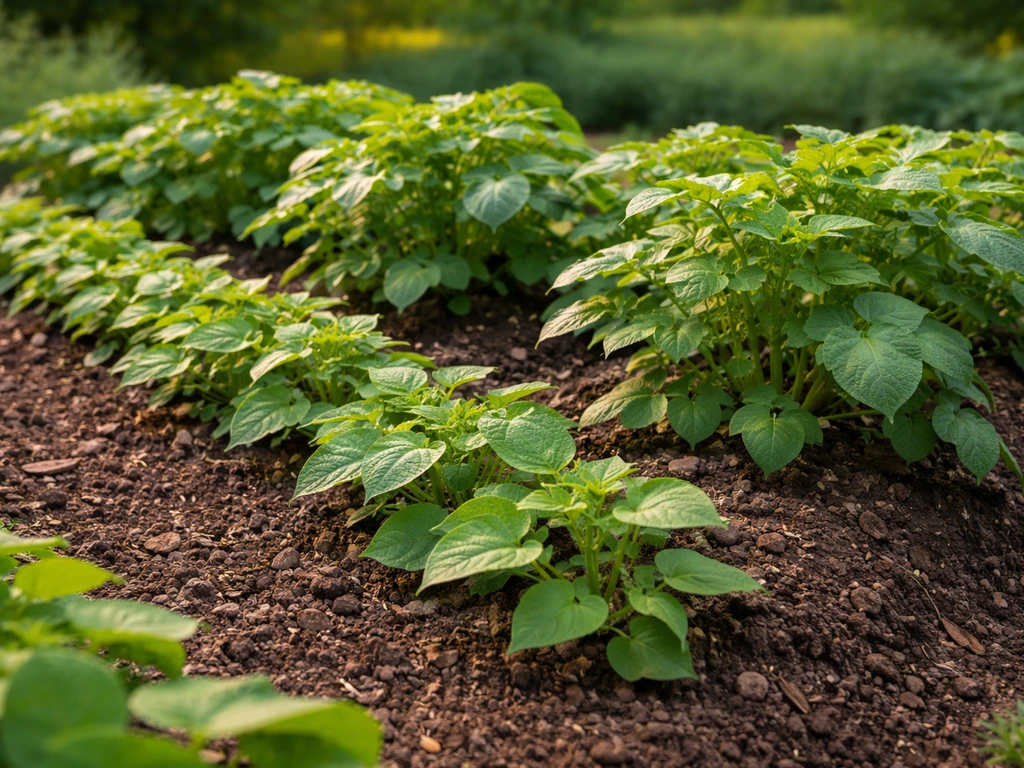
Do beans and potatoes actually make good companions?
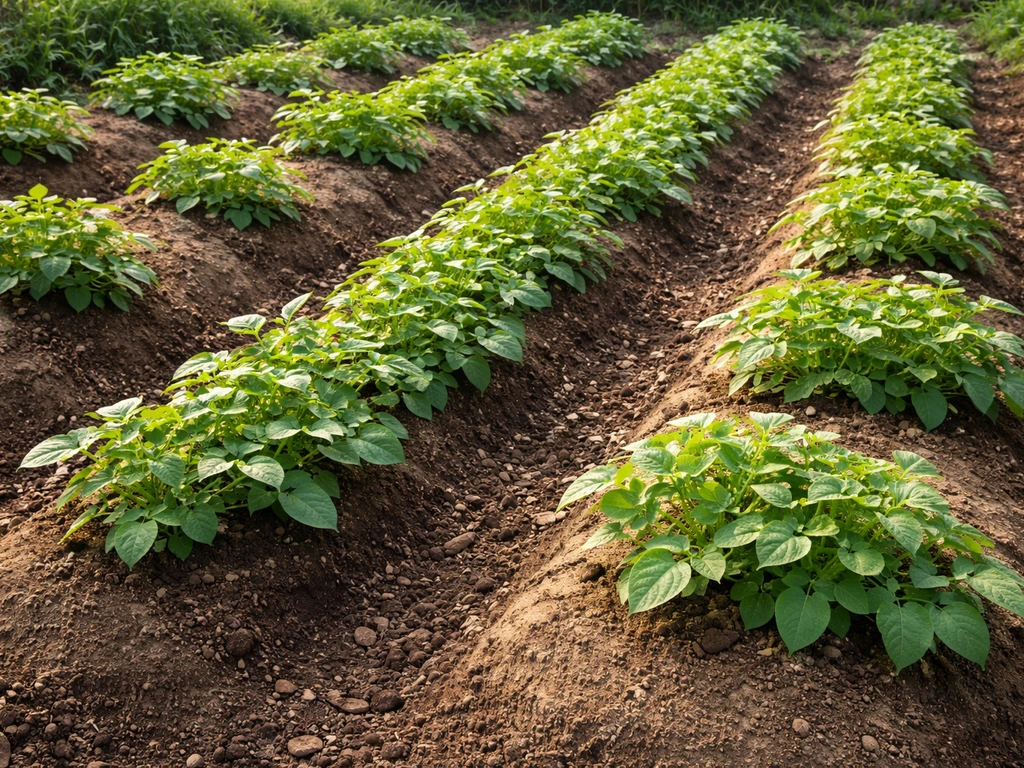
Virginia Tech Extension explicitly lists potatoes as a companion for bush beans, which is a good starting point. But the real reason this pairing works is that these two crops aren't fighting for the same resources at the same depths. Bean roots are relatively shallow, while potato tubers develop underground along the stems. They're sharing space without being in direct competition for moisture and nutrients the way two heavy feeders planted side by side would be. That said, this isn't a magic combination. There are real management considerations, particularly around hilling potatoes, disease pressure, and nitrogen, that you need to handle correctly or you'll undo the benefits.
Bush beans vs pole beans: which one to plant with potatoes
This choice matters more than most people realize. Bush beans are the clear winner for a potato bed. They stay compact, usually topping out at 1 to 2 feet tall, and they mature quickly, somewhere around 50 to 65 days. That matters because potatoes need to be hilled repeatedly as they grow, and you need unobstructed access to mound soil up around the stems. Bush beans planted in the row between or alongside potato rows give you that access. They also don't shade out potato foliage, which needs all the sunlight it can get to fuel tuber development.
Pole beans and runner beans are a different story. These vines can reach 6 to 8 feet tall and need a trellis. If you plant them in or right next to a potato bed, the shade they cast will reduce potato yields, and the trellis infrastructure makes hilling awkward at best. Pole beans can take up to 70 or more days to mature, which also means they're sitting in your bed longer. If you want to grow pole beans, give them their own dedicated bed rather than mixing them with potatoes. Lima beans fall somewhere in the middle depending on variety, but the same general rule applies: bush-type limas work, vining types don't.
| Bean Type | Height | Days to Maturity | Good with Potatoes? | Notes |
|---|---|---|---|---|
| Bush snap beans | 1–2 ft | 50–65 days | Yes | Best choice; compact, easy to hill around |
| Bush lima beans | 1–2 ft | 60–75 days | Yes | Works well; same logic as bush snap beans |
| Half-runner beans | 2–4 ft | 55–70 days | Maybe | Manageable if kept trimmed; needs monitoring |
| Pole/runner beans | 6–8 ft | 65–75+ days | No | Too tall, shades potatoes, trellising blocks access |
Soil and light: making sure both crops are actually happy
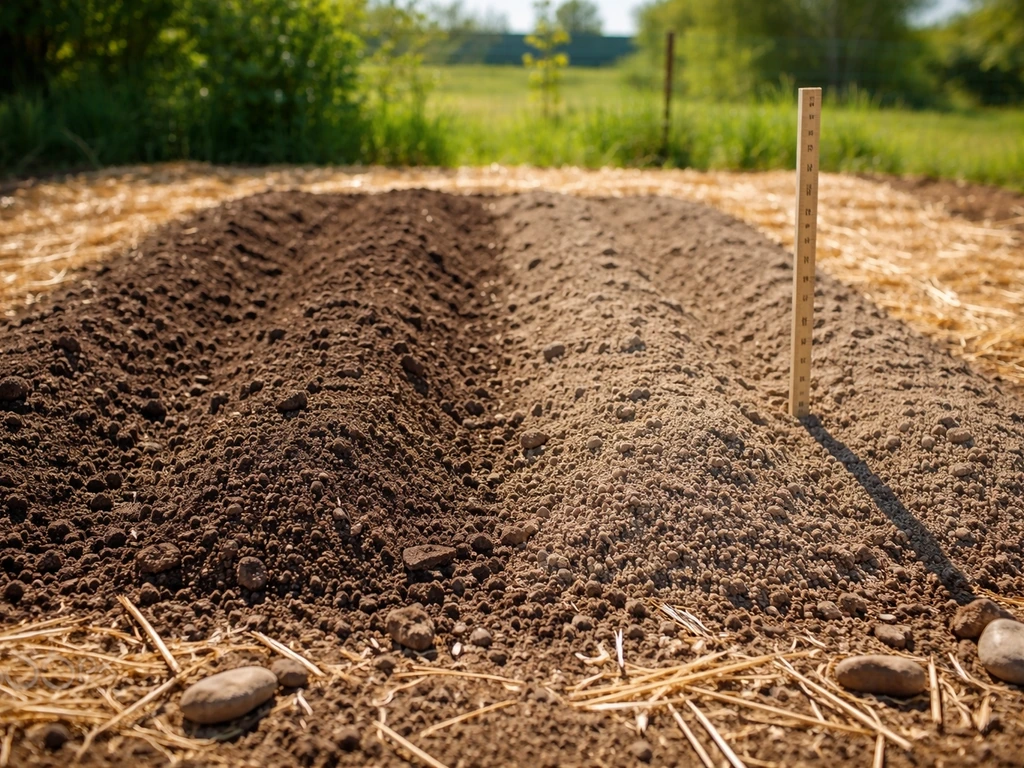
The good news is that beans and potatoes overlap well on the basics. Both want full sun, ideally 8 to 10 hours of direct light per day. Potatoes will tolerate as little as 6 hours, but their yields drop, and beans genuinely need that 8 to 10 hour range to produce well. So plant this combination only in a spot with strong, unobstructed sun exposure. If you're working with a partially shaded bed, potatoes alone will perform better there than a bean-potato mix.
On soil pH, the two crops are close but not identical. Potatoes prefer a pH between 5.3 and 6.0 according to University of Maine guidance, partly because more acidic conditions suppress scab disease. Beans prefer 6.0 to 6.5. The overlap zone is roughly 6.0, and that's your target if you're planting them together. If your soil is sitting around 5.5, your potatoes will be happy but your beans may show slightly reduced nitrogen fixation. A pH of 6.0 is a reasonable compromise. Both crops want loose, well-drained soil with decent organic matter. Heavy clay that stays wet will cause potato rot and bean root problems simultaneously, so amend it with compost before planting.
When to plant and how to lay out your bed
Timing is where most people go wrong with this combination. Potatoes go in the ground first. Depending on your location, that's roughly mid-March through May 1 for most of the US, with some flexibility into June 1 for early varieties. Potatoes can tolerate light frost, so they go in early. Beans cannot. Beans need soil temperatures of at least 60°F to germinate and will be killed by frost. If you plant beans at the same time as potatoes, you'll either lose the beans to cold or you'll have to wait, planting them 2 to 4 weeks after the potatoes go in.
The practical approach: plant your potatoes first, then come back and direct sow beans between or alongside the potato rows once your soil has warmed and frost risk has passed. By the time you're ready to plant beans, your potato plants will be a few inches out of the ground, making it easy to see exactly where you have space.
For spacing, potatoes need 8 to 12 inches within the row and 30 to 36 inches between rows. That wide row spacing is actually your friend here, because it gives you room to run a row of bush beans between the potato rows. Bush snap beans want about 2 to 4 inches between plants within a row, with rows spaced 24 to 30 inches apart. Plant your bean row in the center of the gap between potato rows, giving beans at least 12 inches of clearance from the potato stems on either side. That clearance matters when you start hilling.
Managing potatoes while beans are growing
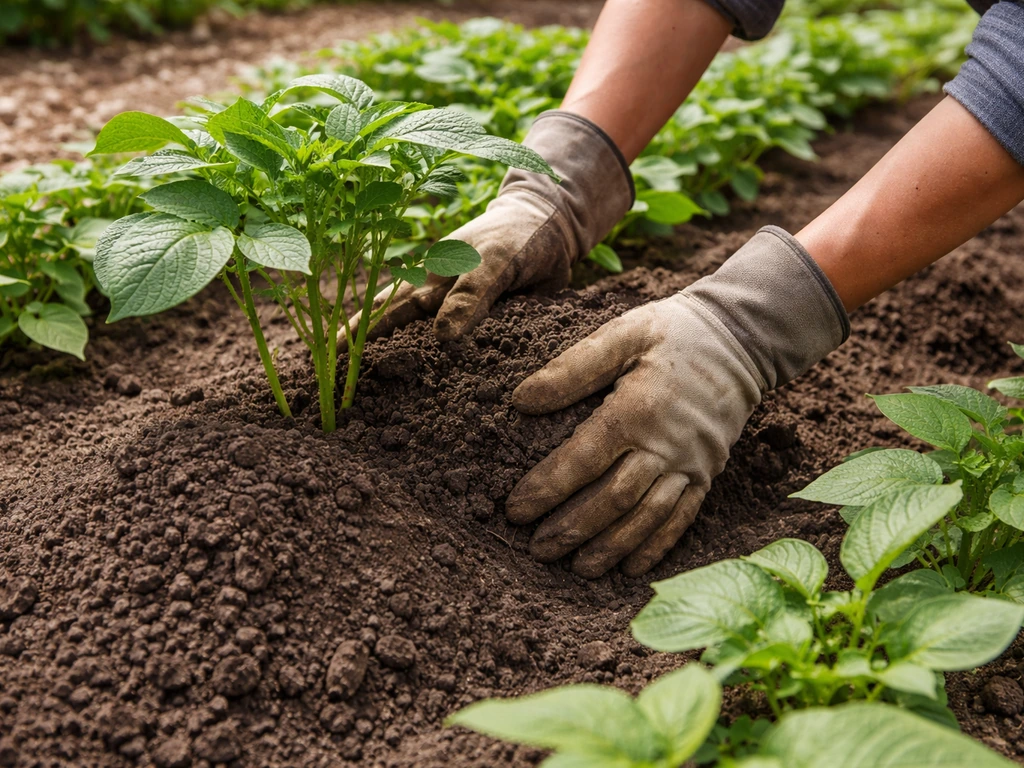
Hilling is the main management challenge in a mixed bed. You hill potato plants by mounding soil up around the stems as they grow, and you typically do this when the stems are about 12 inches tall, then one or two more times during the season. This encourages more tubers to form along the buried stem. The problem is that if you've planted beans too close to the potato stems, you'll disturb or bury the bean plants when you hill. That 12-inch clearance from potato stem to bean row is the minimum to make this work. When you're hilling, pull soil from the center of your inter-row space (right where the beans are growing) away from the beans and toward the potato stems. Use a hoe carefully and keep an eye on the bean root zone.
Watering is straightforward because both crops have similar moisture needs: consistent, even moisture without waterlogging. Drip irrigation or soaker hoses are ideal. Overhead watering creates humid canopy conditions that promote disease, which is worth avoiding with this combination (more on that below). A 2 to 3 inch layer of straw or shredded leaf mulch between rows helps retain moisture, suppresses weeds, and keeps soil temperatures stable. Apply mulch after the soil has warmed and your bean seedlings are a couple of inches tall.
The nitrogen question, and the disease risks you can't ignore
Nitrogen: real benefit, but modest
Beans are legumes, which means they fix atmospheric nitrogen through root nodules, adding it back to the soil. This is a genuine benefit, but in a companion planting scenario where the crops are growing simultaneously, the nitrogen benefit is mostly realized after the bean plants die back and their root systems decompose. You won't see beans feeding your potatoes in real time during the same season. The benefit is more meaningful if you use beans as a cover crop or rotate them through a bed year after year. Still, even the post-season nitrogen addition is worth having, and beans won't be pulling nitrogen away from your potatoes the way a heavy-feeding crop would.
One caution: don't go heavy on nitrogen fertilizer in a potato-bean bed. Both Utah State University and McGill research indicate that excessive nitrogen fertilizer increases late blight infection pressure in potatoes. If your beans are fixing nitrogen and you're also applying a high-nitrogen fertilizer, you may be pushing your potato plants toward disease vulnerability. Use a balanced organic fertilizer or compost at planting, and hold off on heavy nitrogen applications once the season is underway.
Shared disease risk: white mold and late blight
This is the most important risk to understand before you commit to a mixed bed. White mold (Sclerotinia sclerotiorum) is an economically significant disease that affects both beans and potatoes, along with tomatoes, cabbage, and several other crops. UC IPM’s potato white mold guidance notes that white mold is caused by Sclerotinia sclerotiorum and affects multiple host crops, including beans and potatoes White mold (Sclerotinia sclerotiorum). If white mold establishes in your bed, it has two hosts to work with instead of one. The conditions that favor white mold (dense, humid canopy, wet soil, poor airflow) are exactly the conditions you can create by planting beans and potatoes close together. That's why spacing and airflow management matter. Don't plant so densely that foliage overlaps and stays wet.
Late blight (Phytophthora infestans) is a potato-specific threat, but the humid, shaded microclimate a crowded mixed bed creates will increase its risk. OSU Extension recommends avoiding overhead watering and excessive nitrogen both for managing late blight conditions. Watch for late blight symptoms (dark, water-soaked spots on leaves, white mold-like growth on undersides in humid conditions) and remove affected foliage immediately. Colorado potato beetle is potato-specific and won't affect your beans directly, but monitor for it regularly since the pest pressure in a mixed potato bed doesn't change just because beans are present.
Step-by-step planting plan for common garden setups
In-ground garden beds
- Prepare your bed in early spring: loosen soil to 12 inches deep, amend with 2 to 3 inches of compost, target pH 6.0.
- Plant seed potatoes 8 to 12 inches apart in rows spaced 30 to 36 inches apart. Cover with 3 to 4 inches of soil.
- Wait 2 to 4 weeks until soil temperatures hit 60°F and frost risk has passed.
- Direct sow bush bean seeds in a single row centered between each pair of potato rows. Space seeds 2 to 4 inches apart, 1 inch deep.
- When potato stems reach 12 inches tall, hill soil toward them, drawing from outside the bean row zone. Keep at least 12 inches between hill mound and bean stems.
- Repeat hilling once or twice more during the season as potato stems continue to grow.
- Apply a 2 to 3 inch straw mulch layer between rows after beans sprout (about 2 inches tall).
- Use drip or soaker irrigation. Aim for 1 to 1.5 inches of water per week.
- Harvest bush beans 50 to 65 days after sowing. Continue caring for potatoes until foliage dies back (50 to 100 days depending on variety).
Raised beds
Raised beds make this combination work really well because you control the soil completely and drainage is excellent. The main constraint is space. A standard 4x8 foot raised bed can handle two rows of potatoes with one row of bush beans between them, but it's tight. Use the narrower end of the spacing range: potatoes 8 inches apart, rows 30 inches apart, beans centered in the gap. Avoid planting beans at the edges closest to the potato rows if your bed is narrower than 4 feet. The advantage of raised beds is that you can hill with loose, added soil from a bag rather than pulling from the in-bed soil, which reduces the risk of disturbing bean roots during hilling.
Containers
Growing both potatoes and beans in the same container isn't practical. Potatoes in containers need at least a 10 to 15 gallon pot per plant and produce best in large fabric grow bags where you can add soil for hilling. Beans need their own root space. If you're container gardening, grow them in separate pots side by side rather than in the same container. A large fabric grow bag (25 to 30 gallons) for potatoes next to a 5-gallon pot of bush beans on a sunny patio is a perfectly functional version of this pairing without the root competition issues.
Small plots and square foot gardens
In a small plot, be selective. Potatoes are space-hungry crops: each plant needs 30 to 36 inches of row space. If you only have a 4x4 bed, you're probably better off dedicating it to one crop. If you have a 4x8 or larger bed, you can make the combination work using the raised bed plan above. In a square foot gardening setup, potatoes don't fit the grid model cleanly anyway, so treat the potato planting zone as its own area and run beans along the border on the sunniest side, keeping them at least 12 inches from the potato stems.
When things aren't working: troubleshooting the mixed bed
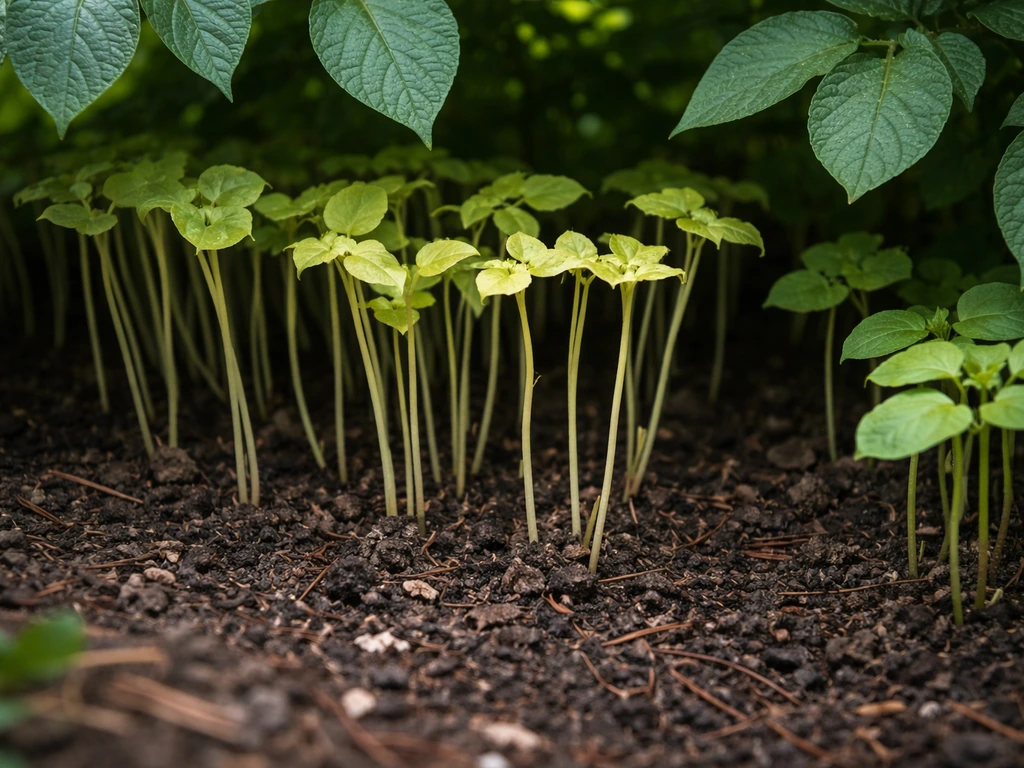
- Beans are spindly and pale: This usually means not enough sunlight. Check whether potato foliage has grown tall enough to shade the bean row. If so, you planted the beans too close to the potato stems or your bean row is on the wrong (shaded) side. Bush beans need 8 to 10 hours of direct sun.
- Beans are climbing into potato foliage: You probably planted a half-runner or vining variety instead of a true bush bean. Pinch back the runners or stake them away from the potato canopy. If they're full pole beans, relocate the trellis to a bed edge to pull them away from potato plants.
- Potato yields are low and plants look stressed: Check whether beans are too close and competing for moisture. Also check for nitrogen over-application, which can push potatoes toward more leaf growth and less tuber production. Cut back on fertilizer and ensure consistent watering.
- White mold appearing on stems at soil level: Remove affected plants immediately, improve airflow by thinning any overcrowded foliage, switch to drip irrigation, and avoid overhead watering. Don't compost affected plant material; bag and discard it.
- Late blight spots on potato leaves: Remove and bag affected leaves immediately. Improve canopy airflow by removing a few bean plants if the interplanting has made the bed very dense. Avoid wetting foliage when watering.
- Hilling is burying bean plants: Your bean row is too close to the potato row. Going forward, maintain at least 12 to 15 inches between the potato stem base and the nearest bean plants. For this season, hill very carefully using a hand trowel instead of a hoe to avoid damaging bean roots.
- Both crops are underperforming generally: Check soil pH. If it's below 5.5, beans will struggle to fix nitrogen efficiently and both crops will show reduced growth. Lime the soil lightly to bring it closer to 6.0.
One final thing worth knowing
Companion planting works best when you treat it as a practical tool rather than a guarantee. Beans and potatoes are a legitimate, extension-recognized pairing, and the combination earns its place in a home garden when you use bush beans, manage your spacing, and stay on top of hilling and disease prevention. Once you dial in the companion mix, focus on variety and growing conditions to get the best tasting broccoli to grow from seed or transplants home garden. If you're also exploring companion planting with other root crops, similar logic applies to combinations like beets and beans, where root depth separation helps crops share space without competing. If you’re wondering about beets and carrots specifically, check their spacing and soil moisture needs so they share a bed comfortably beets and beans. If you want to go one step further, check whether beets and tomatoes grow well together in the same bed before planting beets and carrots specifically. The core rule across all of these pairings is the same: match the crops' sun, soil, and water needs, give each plant enough room to do its job, and pay attention to what's happening in the bed as the season progresses.
FAQ
Can I use pole beans or runner beans with potatoes instead of bush beans?
Use only bush-type beans if you want the potato bed hilled easily. Pole or runner beans get tall and need a trellis, which makes it harder to mound soil without damaging bean vines and it also creates shade that can reduce potato yields.
What should I do if I accidentally hill soil onto the bean plants?
After hilling, check that bean stems were not buried and that the bean row still has airflow. If you see bean damage, thin only to the minimum needed to recover, and avoid re-fertilizing with nitrogen during that stress period.
How can I reduce disease risk when growing beans and potatoes together?
Stop overhead watering as much as possible, use drip or soaker hoses, and water early in the day so foliage dries quickly. Also keep rows from getting too crowded, since dense wet canopies raise the odds of white mold and late blight.
When should I add mulch in a bean and potato bed?
If you apply mulch between rows, wait until the soil is warm and bean seedlings are established. Fresh mulch that stays too cool or too wet can slow bean germination and keep potato tubers near persistently damp soil.
What if my soil pH is too low or too high for one of the crops?
Yes, but target a compromise pH near 6.0. If your soil is more acidic (around 5.5), potatoes may thrive while beans may fix less nitrogen, so consider a modest, balanced fertilizer rather than relying on peak nitrogen fixation.
Will the nitrogen from beans improve potato growth immediately?
Don’t expect beans to feed potatoes during the same season in a mixed bed. The nitrogen fixed by bean nodules mainly becomes available as roots and tops decompose after harvest, so your potato growth still depends on your baseline soil fertility.
How much fertilizer should I use for beans and potatoes together, especially nitrogen?
If you’re using fertilizer, keep nitrogen conservative. High nitrogen plus nitrogen-fixing beans can increase late blight pressure in potatoes, so start with compost or a balanced organic fertilizer at planting and avoid heavy nitrogen once growth is underway.
What if I planted potatoes early but beans after a cold snap, will it hurt?
If you miss the bean timing and soil is still cool, don’t sow right away just to “catch up.” Either wait until soil temps stay at least about 60°F, or plan a shorter-maturity bush bean variety so harvest still fits your season.
Can I grow beans and potatoes in a small raised bed if I do not have room for wider spacing?
In a bed narrower than about 4 feet, it’s often better to dedicate more space to potatoes and run beans only along the sunniest side with extra clearance. If you can’t maintain the minimum gap for hilling, you’ll likely injure roots during mounding.
Is it possible to grow both crops in the same raised bed if I have limited space?
You can share the same raised bed if you can keep spacing and airflow in place, but you still should not plant the crops so densely that leaves overlap and stay wet. A practical approach is two potato rows with one bush bean row centered in the inter-row space, using the narrower potato spacing for tighter beds.
Can I grow beans and potatoes in the same container or grow bag?
Beans and potatoes can be in the same yard, but not the same container. Pots big enough for potatoes still limit root space for beans and make hilling difficult, so grow beans in their own pot near the potato container if you want the pairing on a patio.
What’s the fastest way to respond if I notice late blight symptoms in a mixed bed?
If you see dark, water-soaked spots and fast spreading leaf damage, remove infected leaves immediately and avoid getting foliage wet. After that, check airflow and watering practices first, since cultural changes (drip, spacing, early watering) are the quickest levers you control.
Next Article
Do Beets and Tomatoes Grow Well Together? How to Plant
Learn when and how to plant beets with tomatoes for shared sun, spacing, watering, and troubleshooting tips for success.