The best tasting broccoli comes down to three things working together: picking a variety bred for sweetness, growing it in cool weather so bitterness compounds never build up, and cutting the head before even one flower bud cracks open yellow. Get those three right and you will grow broccoli that tastes nothing like the sulfury, woody stuff at the grocery store. The varieties that consistently deliver sweet, tender florets for home gardeners are Calabrese, De Cicco, and Waltham 29 for sprouting types, plus heading varieties like Arcadia, Belstar, and Green Magic for classic big-crown broccoli. Fall crops almost always taste better than spring ones because the plants mature into cooling temperatures instead of rising heat.
Best Tasting Broccoli to Grow: Varieties, Timing, Care

Marcus Hendrick
30 Apr 2026
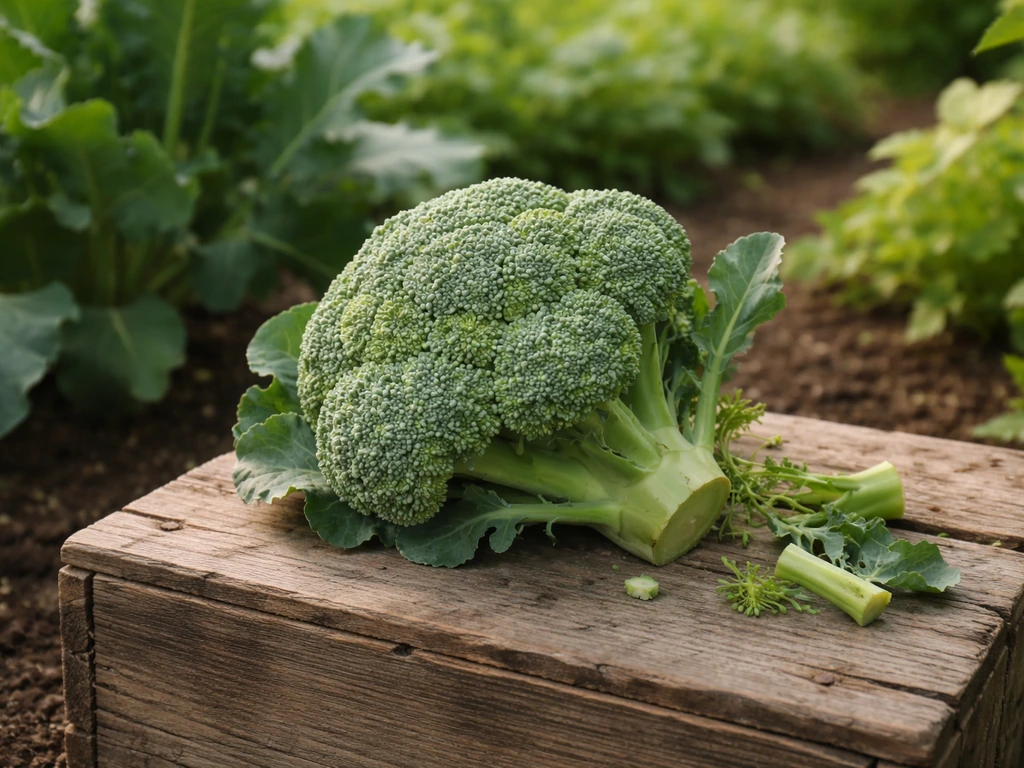
Flavor-first broccoli varieties worth growing
Not all broccoli is bred for flavor. A lot of commercial varieties are optimized for uniform head size, shelf life, and shipping durability, which means flavor takes a back seat. For home gardeners, you can prioritize taste from the start by choosing differently.
Sprouting (non-heading) types: sweeter and more productive
Green sprouting types like De Cicco, Calabrese, Italian Green Sprouting, and Waltham 29 are worth knowing well. Oregon State University describes these varieties as producing flavor that is sweeter and less pungent than standard heading broccoli. They throw out asparagus-like shoots early in spring, and then keep producing side shoots for weeks after you cut the first flush. If you want a long harvest window and genuine sweetness, these are hard to beat. The trade-off is that you get smaller individual heads rather than one big crown.
Heading types: big crowns with reliable flavor
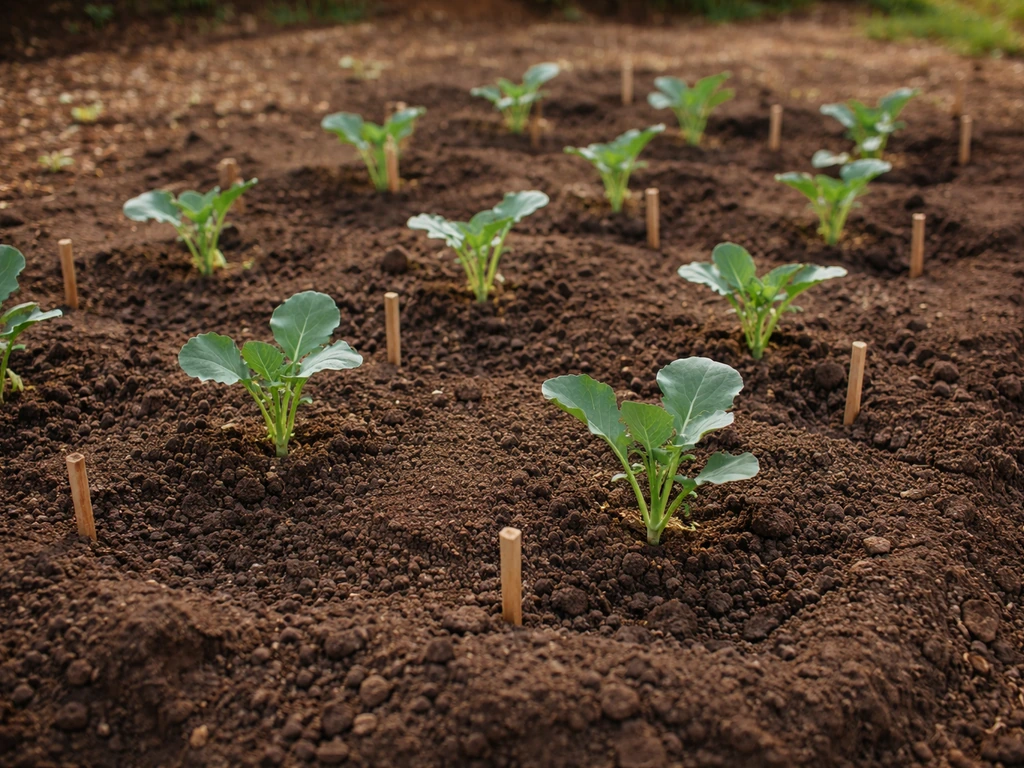
If you want classic large-headed broccoli, go with varieties that have a track record for flavor and disease resistance. Arcadia is a standout for cool climates and fall gardens. Belstar handles heat stress better than most and still produces tight, sweet heads. Green Magic is a widely praised hybrid for both flavor and consistent side-shoot production after the main head is cut. Diplomat is a solid fall choice in warmer zones. All of these hold tighter, more flavorful buds under stress compared to generic or unnamed varieties sold as bulk seed.
Matching variety to your climate and season
| Variety | Type | Best Season | Flavor Notes | Best For |
|---|---|---|---|---|
| Calabrese | Sprouting/heading | Spring and fall | Sweet, nutty | Long harvests, all climates |
| De Cicco | Sprouting | Spring and fall | Very sweet, mild | Short seasons, cool climates |
| Waltham 29 | Sprouting/heading | Fall | Sweet, holds well in cold | Northern gardens, fall crops |
| Arcadia | Heading (hybrid) | Fall | Tender, mild | Cool climates, late fall |
| Belstar | Heading (hybrid) | Spring and fall | Sweet, heat-tolerant | Warmer zones, spring crops |
| Green Magic | Heading (hybrid) | Fall | Sweet, excellent side shoots | Home gardens wanting extended harvest |
If your season is short (think zone 4 or 5), lean toward De Cicco or Waltham 29. In warmer zones (7 and up), Belstar and Arcadia give you better insurance against heat-triggered bitterness. In zone 6 and the mid-Atlantic, almost any of these work well in a fall planting.
Planting for flavor: timing, spacing, and climate
Timing is one of the most underestimated flavor factors in broccoli. Plants that mature during hot weather produce heads packed with glucosinolates, the sulfur compounds responsible for bitterness. Plants that mature as temperatures drop convert more sugars and produce tighter, sweeter florets. This is why fall production is often more successful than spring for both yield and eating quality.
Spring planting schedule
For a spring crop, start seeds indoors in early to mid-April (per University of Minnesota Extension guidelines) and transplant after your last frost date, targeting a harvest window before daytime temperatures consistently exceed 75 to 80 degrees Fahrenheit. This is tight in many zones, which is why spring broccoli carries more risk of bolting or bitterness than fall plantings. If you are in zone 6 or warmer, spring broccoli is a race against the heat.
Fall planting schedule (the better bet for flavor)
For fall, start seeds indoors or direct sow outdoors in early to late July. Count back from your first expected fall frost: broccoli needs about 60 to 80 days from transplant to harvest depending on variety, and it tastes best when those final weeks happen in temperatures between 45 and 65 degrees Fahrenheit. Plan backward from your frost date and you will hit that window almost perfectly in most regions.
Spacing and succession planting
Space transplants 18 to 24 inches apart in rows 24 to 36 inches apart. Crowding broccoli does not just reduce yield, it stresses plants, which spikes bitterness compounds. For a continuous harvest, stagger plantings two to three weeks apart rather than putting everything in at once. With sprouting types especially, you can be harvesting for six to eight weeks from a well-timed staggered planting. Row covers are worth using in spring to extend cool conditions for an extra week or two when temperatures start climbing.
Soil setup and fertilizing for sweet florets
Broccoli is a heavy feeder, but the key to good flavor is balanced fertility, not just dumping nitrogen. Too much nitrogen late in the season pushes vegetative growth and can produce loose, open heads that taste harsh. Too little and you get stunted plants with poor floret development. The sweet spot is steady, moderate fertility timed to growth stages.
Getting your pH right first
Before you touch fertilizer, check your soil pH. Broccoli performs best at pH 6.0 to 6.8 (Oklahoma State University Extension). Outside that range, nutrients get locked out regardless of how much you add. Calcium deficiency causing tipburn, molybdenum deficiency causing distorted leaves (called whiptail), and boron deficiency causing hollow stems all tie back to pH being off. A $15 soil test is the most cost-effective investment you can make before planting. Lime raises pH, sulfur lowers it. Give amendments at least two to four weeks to work before planting.
Amending beds before planting
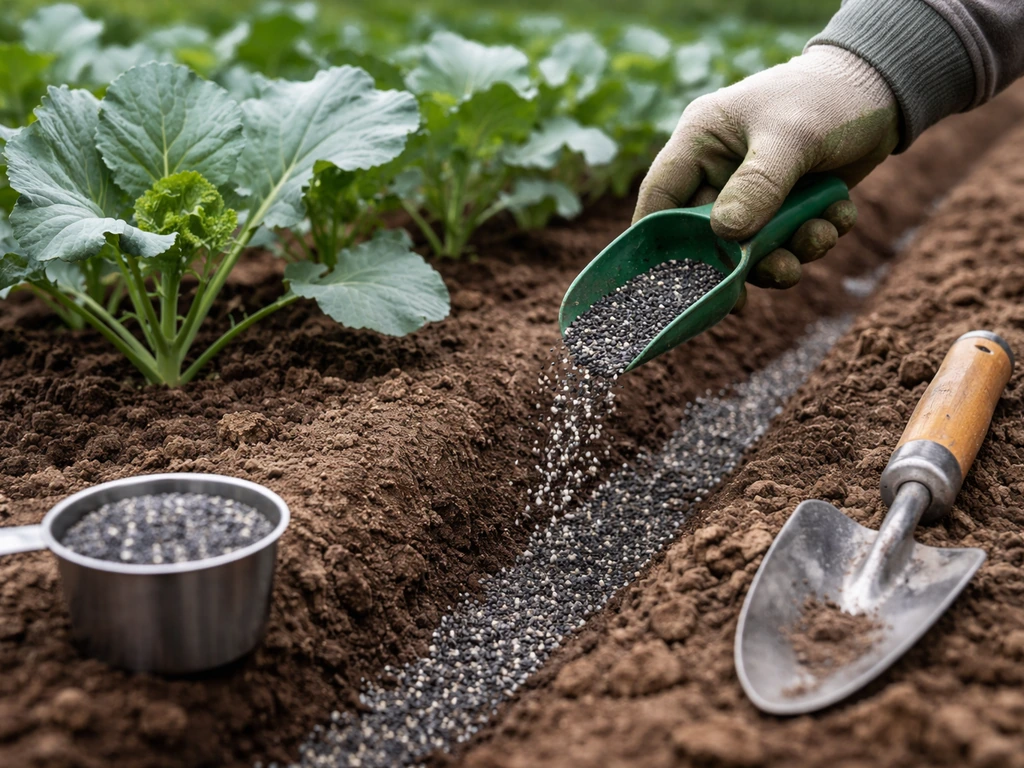
Work in 2 to 3 inches of compost before transplanting. This improves both drainage and moisture retention, which matters for flavor more than people realize. Compost also provides slow-release phosphorus and micronutrients. At transplant time, using a starter solution high in nitrogen and phosphorus (about half a pint per plant at the root zone) gives transplants a fast establishment boost without overfeeding.
Side-dressing nitrogen at the right time
Utah State University Extension recommends a practical rule: apply half a cup per 10 feet of row of a nitrogen fertilizer like ammonium sulfate (21-0-0) about four weeks after transplanting or thinning. This is a mid-growth boost timed to when the plant is building mass before heading. After heads start forming, back off nitrogen. Late nitrogen feeding promotes loose, bitter heads and delayed maturity.
Watering and temperature management to prevent bitterness
Water stress is one of the most common and fixable causes of bitter broccoli. When plants dry out and then get soaked, the stress response triggers glucosinolate production, which is the plant's chemical defense mechanism and your main source of bitterness. The goal is to never let the root zone swing between wet and dry.
How much water broccoli actually needs
Broccoli needs about 1 to 2 inches of water per week, from rain or irrigation combined. During heading, consistent moisture is especially critical. Utah State University Extension notes that inconsistent watering around head set can cause misshapen heads and directly affect flavor. Drip irrigation or soaker hoses are ideal because they deliver water at the root zone without wetting foliage, which reduces disease pressure at the same time.
Mulch: the easiest flavor upgrade you can make
Laying 2 to 3 inches of straw or shredded leaf mulch around your plants does two things at once: it holds soil moisture between waterings, and it buffers soil temperature. Both of these directly protect flavor quality. Mulched beds dry out slower, so you get the consistent moisture broccoli needs without watering every day. In spring, mulch also keeps soil cooler as temperatures rise, buying you extra time before heat stress kicks in.
Managing heat stress
Broccoli tastes best when it matures at 45 to 65 degrees Fahrenheit. Above 75 to 80 degrees, heads form quickly but taste sharp and may begin to bolt (flower prematurely). In spring, you can use row covers to extend cool conditions by a few degrees. In summer heat, there is not much you can do with a heading variety, which is exactly why fall timing is so important. If you are in a warm climate (zone 7 and above), choose heat-tolerant varieties like Belstar and plan your entire crop around fall maturity.
Pest and disease prevention that protects taste
Pest and disease pressure does not just reduce yield, it creates stress that pushes bitterness. Damaged or diseased plants redirect energy away from head development, and the stress response increases those bitter glucosinolate compounds. Prevention is far easier than treatment, and it starts before you plant.
Crop rotation and site selection
Never plant broccoli or any other brassica (cabbage, kale, cauliflower, turnips) in the same bed two years in a row. Clubroot is a soil-borne disease that builds up in brassica beds and causes misshapen, stunted roots that destroy plant health and flavor. Mississippi State University Extension emphasizes that crop rotation is one of the core starting points for cole crop pest and disease management. A three to four year rotation between brassica plantings in any given bed keeps clubroot, black rot, and downy mildew pressure low.
Managing aphids before they affect head quality
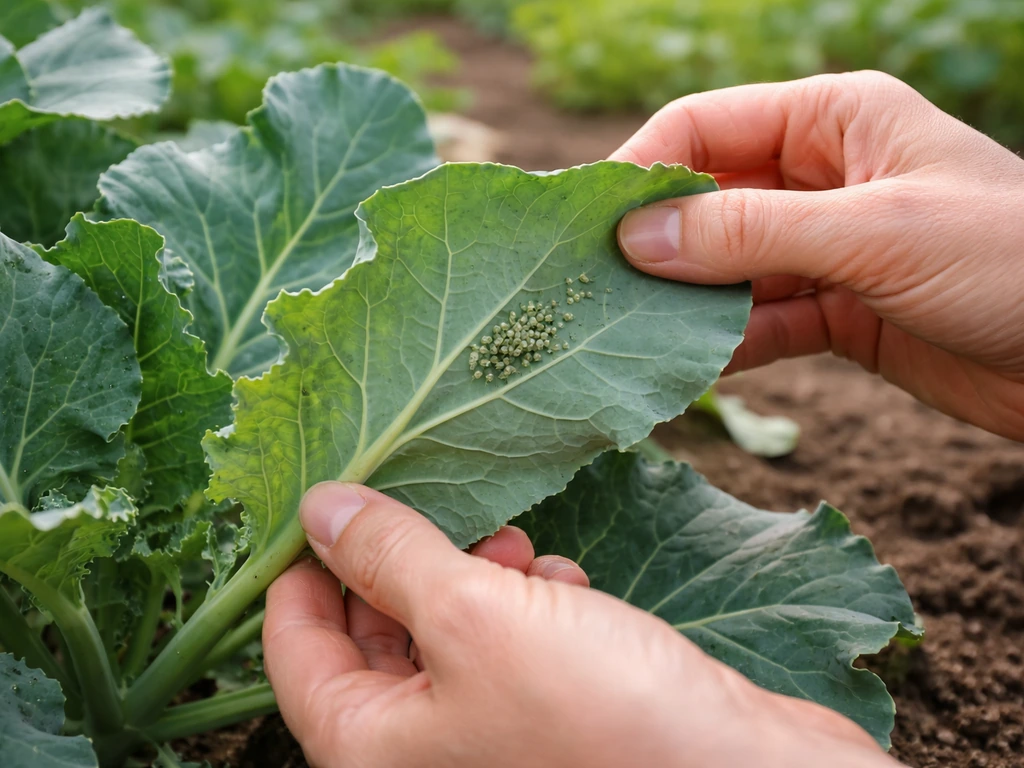
Aphids are the most common broccoli pest and can be genuinely damaging once heads form. Purdue Extension sets practical action thresholds: treat at 100 aphids per plant before heading, but drop that to just 5 aphids per plant after heading begins. The reason is that aphids feeding on forming heads contaminate them and stress the plant at the worst possible time for flavor. Insecticidal soap or a strong water spray handles light infestations. For consistent pressure, row covers from transplant through early growth keep aphids, cabbage worms, and cabbage loopers off entirely.
Disease-resistant variety selection
UC ANR's integrated pest management resources for cole crops identify clubroot, downy mildew, and black rot as the three diseases most likely to compromise broccoli quality. Choosing varieties with labeled disease resistance (look for DMR for downy mildew resistance on seed packets) is the easiest long-term protection. Arcadia and Diplomat both carry strong disease resistance ratings, which is part of why they consistently perform well in home gardens.
Harvesting and post-harvest methods for the best flavor
Harvest timing might be the single biggest variable in broccoli flavor. A head that gets cut at the right moment tastes sweet and slightly nutty. The same head left on the plant two or three days too long starts converting sugars, the buds loosen, and the flavor shifts from sweet to sharp and grassy. There is a narrow window and it rewards checking your plants daily once heads start sizing up.
When to cut: the signs to watch for
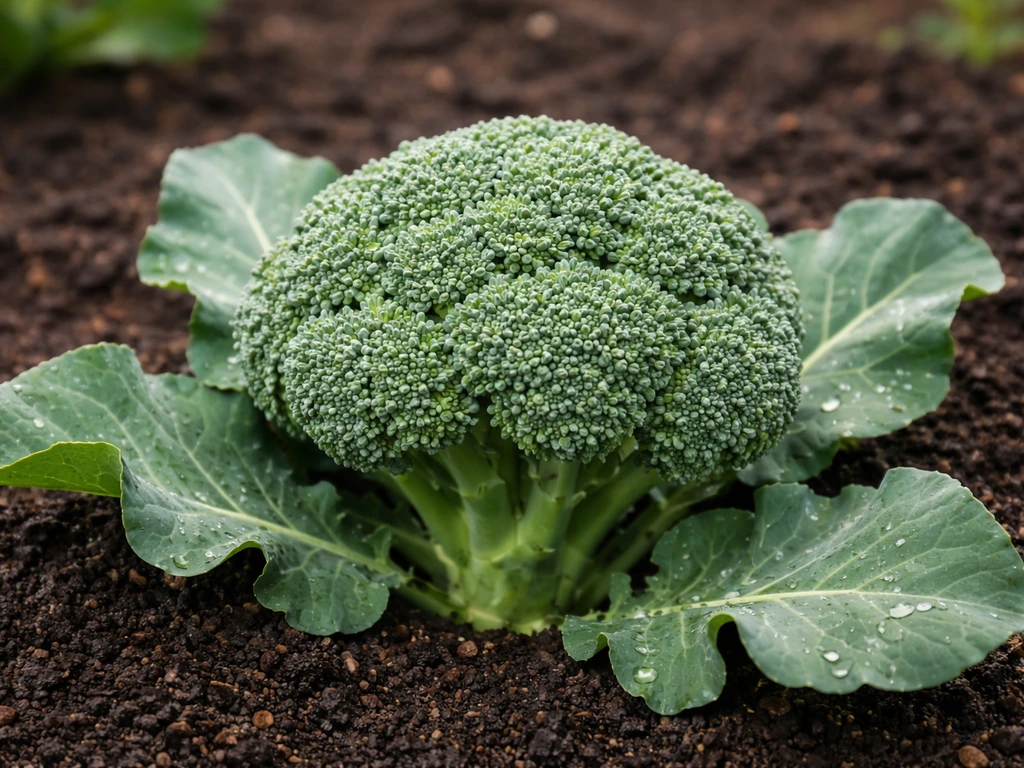
Cut heading broccoli when the head is 3 to 6 inches in diameter, the buds are tightly packed and deep green (sometimes with a slight blue-green tinge), and before any bud has cracked open to show yellow flower petals. Oklahoma State University Extension specifically ties eating quality to cutting before buds open. University of Wisconsin Extension adds that heads should feel firm and dense when you press them gently, not soft or spongy. If you see even one or two yellow flowers, cut immediately, you are at the very edge of peak flavor.
How to cut for continued production
Use a sharp knife and cut the main stem about 4 to 6 inches below the head. Leaving stem on the plant encourages side shoot production, which is where a lot of the sweetest broccoli comes from, especially with Calabrese and sprouting types. After the main head is harvested, water and fertilize lightly, and side shoots will appear within one to two weeks. These shoots are typically 1 to 3 inches in diameter and taste even sweeter than the main head because they mature quickly in cooling fall temperatures.
Post-harvest handling to preserve flavor
Get harvested heads into cold storage within an hour or two of cutting. The enzymatic processes that degrade flavor accelerate rapidly at room temperature. Wrap heads loosely with the leaves still attached (the leaves protect the florets and slow moisture loss), and refrigerate at 32 to 36 degrees Fahrenheit. Under good storage conditions, broccoli holds peak flavor for two to four weeks, but it tastes best within the first three to five days. If you are growing more than you can eat immediately, blanch and freeze within 24 hours of harvest.
Why your broccoli tastes bitter or woody (and what to fix)
If your broccoli is already tasting off, here is a quick diagnostic. Most bitterness and off-flavors trace back to one of four causes: heat stress during maturation, waiting too long to harvest, inconsistent watering, or nutrient imbalances. Here is how to identify which one hit your crop and what to do about it.
| Symptom | Most Likely Cause | Fix for Next Crop |
|---|---|---|
| Bitter, pungent flavor | Matured in heat above 75°F, or harvested late | Switch to fall timing, cut earlier |
| Woody, tough stems | Overmature at harvest, or water stress | Harvest smaller heads, mulch and water consistently |
| Loose, open buds before you cut | Heat stress or waiting too long | Check plants daily, cut at first sign of loosening |
| Yellow flowers on the head | Harvested past peak | Cut immediately, adjust timing earlier next season |
| Hollow stems | Boron deficiency | Check pH, apply foliar boron, compost |
| Bitter AND small heads | Nitrogen deficiency under stress | Side-dress nitrogen 4 weeks post-transplant, improve soil |
| Mushy or soft heads | Overwatering or disease (soft rot) | Improve drainage, use drip irrigation, rotate crops |
The fix for most of these problems is really just the combination of fall timing, consistent watering, correct pH, and cutting on time. If you address those four things, you eliminate the majority of flavor problems in one growing season.
Quick action steps if your current crop is struggling
- Check your heads daily starting when they reach 2 to 3 inches across. Do not wait for them to look 'ready,' cut them when buds are tight and green.
- If temperatures are climbing above 75°F, harvest everything immediately, even undersized heads taste better than heat-stressed ones.
- Mulch now if you have not already. Two to three inches of straw around the base will slow soil temperature swings and hold moisture.
- If buds are yellowing but you still have time, harvest side shoots aggressively and refrigerate them immediately.
- Test your soil pH before your next planting. If it is below 6.0 or above 7.0, amend before you plant again.
- Plan your next planting as a fall crop and count backward from your first frost date to set your seed-starting date in July.
Putting it all together: a practical plan for great-tasting broccoli
If you want to grow the best tasting broccoli this season and every season after, the plan is straightforward. Choose a flavor-focused variety like De Cicco, Calabrese, or Arcadia. Plant for a fall harvest if you can, since cool-maturing broccoli is almost always sweeter. Set up your bed at pH 6.0 to 6.8 with compost worked in, side-dress nitrogen once at the four-week mark, and mulch heavily to stabilize moisture and temperature. Water to 1 to 2 inches per week without letting the soil dry out between sessions. Rotate your brassica beds every three to four years and use row covers to keep early pest pressure down. Then check your heads every single day once they start sizing up, and cut them while buds are tight, green, and firm. That sequence, done consistently, produces broccoli that bears no resemblance to what you find at the store.
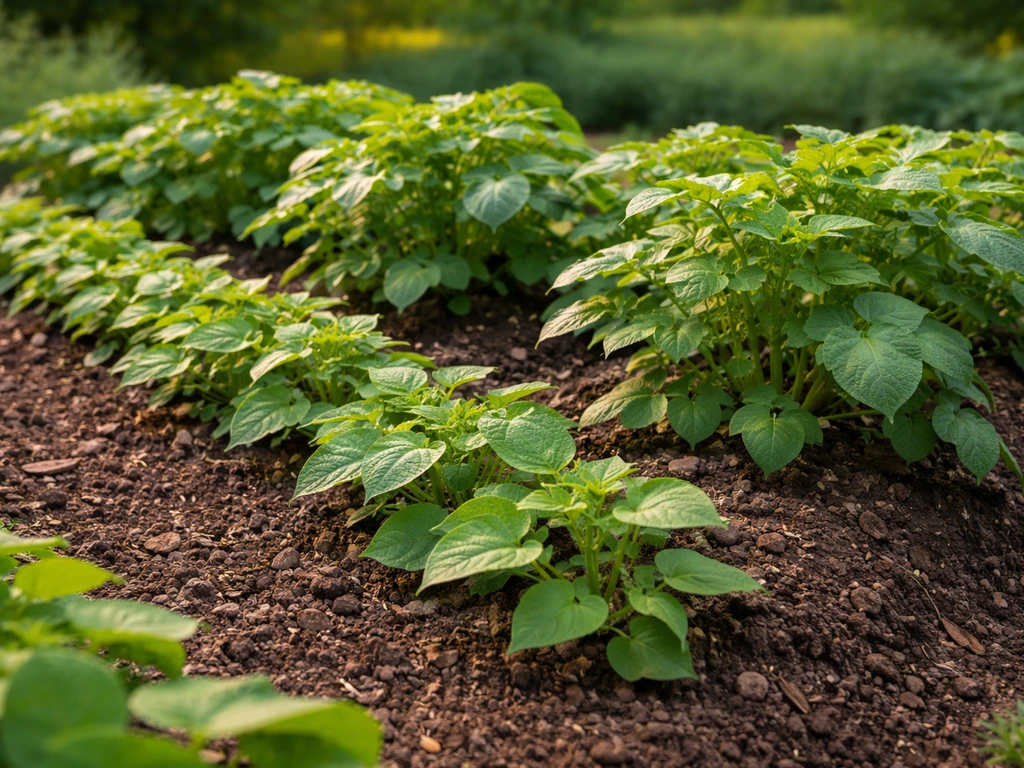
The same attention to soil health, watering consistency, and companion planting decisions that help broccoli thrive also apply to other vegetables in the garden. Beets and beans can also do well together, especially when you give them enough space and keep the soil consistently moist companion planting decisions. Beans and potatoes are a classic pairing in the garden, and they can grow well together when each crop gets the spacing and nutrients it needs companion planting decisions. Companion planting is also useful for pairing vegetables, such as combining beets and tomatoes for better garden outcomes. If you are growing a mixed kitchen garden, thinking through which crops support each other (and which compete) makes the whole system more productive and lower maintenance. If you want to plan companion crops, do beets and carrots grow well together, and pairing them can help you use space efficiently without much extra work.
FAQ
What should I do if my broccoli keeps trying to bolt in spring even when I plant early?
Treat bolting as a timing and temperature issue, not a variety issue. Plant earlier if you can, use row covers during the hottest part of the day when feasible, and avoid letting transplants sit in warm conditions before they go in the ground. If buds start forming while days are still consistently hot, harvest as soon as heads reach cut size even if they are smaller, because leaving them on longer usually increases sharpness.
Can I make grocery-store style broccoli taste better at home with the same variety?
Yes, but only if you control the main flavor levers. Focus on fall maturity, consistent root-zone moisture, and cutting before any bud shows yellow. If you are stuck with spring, choose a fast-maturing option and prioritize even watering and mulch, because heat plus uneven moisture is the most common “same variety, worse taste” scenario.
How do I tell the difference between an undersized head and a head that is going to turn bitter soon?
Use both size and bud tightness. If heads are small but buds remain tightly packed, they are usually still in the sweet window. If you notice any loosening, softer texture, or the first hint of yellowing among buds, cut immediately even if the head is smaller than ideal.
Is it better to remove the whole plant after harvesting the main head, or can I rely on side shoots for top flavor?
Keep the plant and harvest side shoots, especially for sprouting types and Calabrese. After the main cut, water normally and apply a light nitrogen boost only if growth looks pale and slow. Side shoots usually mature faster and often taste sweeter, but they need the same cool temperatures and timely cutting as the main head.
What mulch is best for flavor, and should I put it on immediately after transplanting?
Straw or shredded leaves work well because they stabilize soil moisture and buffer temperature. Apply mulch right after transplanting or once plants are established so the soil stays evenly moist, but keep mulch a little away from the crown to reduce the risk of stem rot. Thicker mulch helps most in spring when temperature swings trigger faster stress responses.
How can I avoid nutrient-related bitterness if I do not have time for repeated soil tests?
Do a single soil test before planting, then rely on conservative feeding. Use compost at planting, apply a moderate nitrogen side dress around the four-week mark, and stop nitrogen once heading begins. If tips show damage like tipburn, correct the underlying pH and calcium balance next season rather than trying to “solve it” by adding more nitrogen.
My leaves look healthy, but the florets taste sharp. What is the most likely cause?
Sharp, grassy flavor with good leaf vigor usually points to harvest timing or temperature stress during head set. Check for the first yellowing buds and confirm you cut at the 3 to 6 inch stage with buds tightly packed. Also review your watering pattern, because even brief dry spells followed by heavy watering can worsen flavor without obvious visual leaf symptoms.
Do row covers ever reduce broccoli taste or cause problems?
They can help taste in spring by maintaining cooler conditions, but they can also cause issues if left on during hot weather without ventilation. Use covers early, ventilate during warm spells if possible, and remove or open them once temperatures climb so plants do not overheat. Overheating while forming heads tends to make flavor sharper, similar to unprotected spring plantings.
What storage method gives the best taste after harvest, fridge or freezer?
For peak flavor, refrigerate promptly, 32 to 36 degrees Fahrenheit, and keep heads in loose packaging with leaves on to reduce moisture loss. Taste is usually best within the first few days. For longer storage, blanch and freeze within about 24 hours to protect texture and flavor, because room-temperature delay accelerates flavor degradation.
How long can I leave a cut broccoli stem on the plant to encourage side shoots without hurting flavor?
Cut leaving about 4 to 6 inches of stem on the plant, then harvest side shoots as soon as they reach the sweet spot (small, tight, and firm). If you wait until side shoots get loose or buds start opening, they can turn sharper quickly, just like main heads.
What should I do if my soil pH is outside 6.0 to 6.8 and I can’t wait two to four weeks before planting?
If you are too close to planting to incorporate amendments and wait, prioritize what you can still change immediately: add compost for organic buffering and avoid heavy nitrogen increases. Plan to correct pH in the off-season for next crop, because rushing lime or sulfur often leads to partial or uneven adjustment and can still leave nutrient availability problems that affect flavor and disorders.
Next Article
Do Beans and Potatoes Grow Well Together? How to Plant
Can beans and potatoes share a bed? Get exact planting steps, spacing, timing, and troubleshooting for nitrogen and yiel