
Milk can help plants in a home garden, but not in the way most people think. It is not a general-purpose fertilizer that makes everything grow faster. Its most credible and documented use is as a preventive foliar spray against powdery mildew, particularly on cucurbits like squash, cucumbers, and pumpkins. As a soil amendment, its benefits are minor and the risks are real. If you are asking because you have leftover milk and want to do something useful with it in the garden, the short version is: dilute it heavily, spray it on leaves before disease shows up, and do not pour it on soil expecting miracles.
Is Milk Grow Food? Safe Ways to Use Milk for Plants

Marcus Hendrick
24 May 2026

What "milk as grow food" actually means (and what it doesn't)
When people search for whether milk helps grow food, they usually mean one of three things. First, using milk as a foliar spray directly on plant leaves, mostly to fight powdery mildew. Second, pouring milk or diluted milk into the soil as a loose fertilizer or soil amendment. Third, and this is a different category entirely, feeding milk to livestock as part of raising animals for food. That last one is a completely separate topic. This article focuses on the garden plant uses: foliar treatment and soil amendment.
The foliar spray use has the most evidence behind it. Researchers have specifically studied milk-based sprays on field pumpkins and found measurable effects on powdery mildew suppression and yield. The soil amendment angle is much fuzzier. Milk does contain calcium, some proteins, and trace nutrients, but in quantities so small relative to what your soil needs that treating it as fertilizer is a stretch. Think of it as a minor supplement at best, not a plant food strategy.
Does milk actually help plants grow? Myth vs. real mechanism

The honest answer is: milk does not reliably make plants grow more food. What it can do, under the right conditions and with the right timing, is help prevent a specific fungal disease that would otherwise reduce your harvest. That is a meaningful distinction. You are not feeding the plant; you are protecting it from something that would harm it.
The proposed mechanism involves whey proteins, particularly a compound sometimes called ferroglobulin, which is thought to have antifungal properties when exposed to sunlight on leaf surfaces. Researchers describe this mechanism as not fully settled, meaning the science is still being worked out, but there is peer-reviewed evidence that milk-based foliar sprays reduce powdery mildew on cucurbits compared with untreated controls. One thesis from UConn found that combining milk with compost tea reduced powdery mildew incidence better than compost tea alone.
The calcium angle comes up a lot in gardening forums. Yes, milk contains calcium, and yes, plants need calcium. But a dilute spray applied occasionally is not going to meaningfully address a calcium deficiency in your soil. If you have blossom end rot on tomatoes or tip burn on lettuce, fix your soil calcium and watering consistency. Milk spray is not the fix for that.
How to use milk safely in your home garden
If you want to try milk as a preventive foliar spray for powdery mildew, the approach that shows up in both scientific trials and practical gardening guidance is simple: 1 part milk to 9 parts water. In general, water use and crop choice matter more than home hacks like milk when comparing water footprints for almonds versus beef. That is roughly a 10% milk solution. Skim milk is generally preferred because the lower fat content means less residue on leaves and less chance of rancid smell. Avoid ultra-pasteurized milk if you can; the heat processing changes the protein structure.
- Mix 1 liter of skim milk with 9 liters of clean water in a clean spray bottle or pump sprayer.
- Apply in the early morning so the spray dries completely before evening. Wet foliage at night invites other fungal problems.
- Coat the tops and undersides of leaves thoroughly, especially on plants prone to powdery mildew: squash, cucumbers, zucchini, pumpkins, and melons.
- Start spraying before you see disease, ideally when plants are actively growing and conditions are warm and dry (which is when powdery mildew thrives).
- Apply once a week as a preventive measure. Stop or reduce if you see leaf spotting developing.
- Do not use on seedlings or very young transplants. Wait until plants are established.
Timing is everything here. University extension guidance on powdery mildew consistently notes that once the fungus is well established and colonizing leaves heavily, most interventions, including milk sprays, become significantly less effective. You want to catch it early or, better yet, start spraying before the disease appears at all if your garden has a history of powdery mildew.
Real risks and downsides you need to know
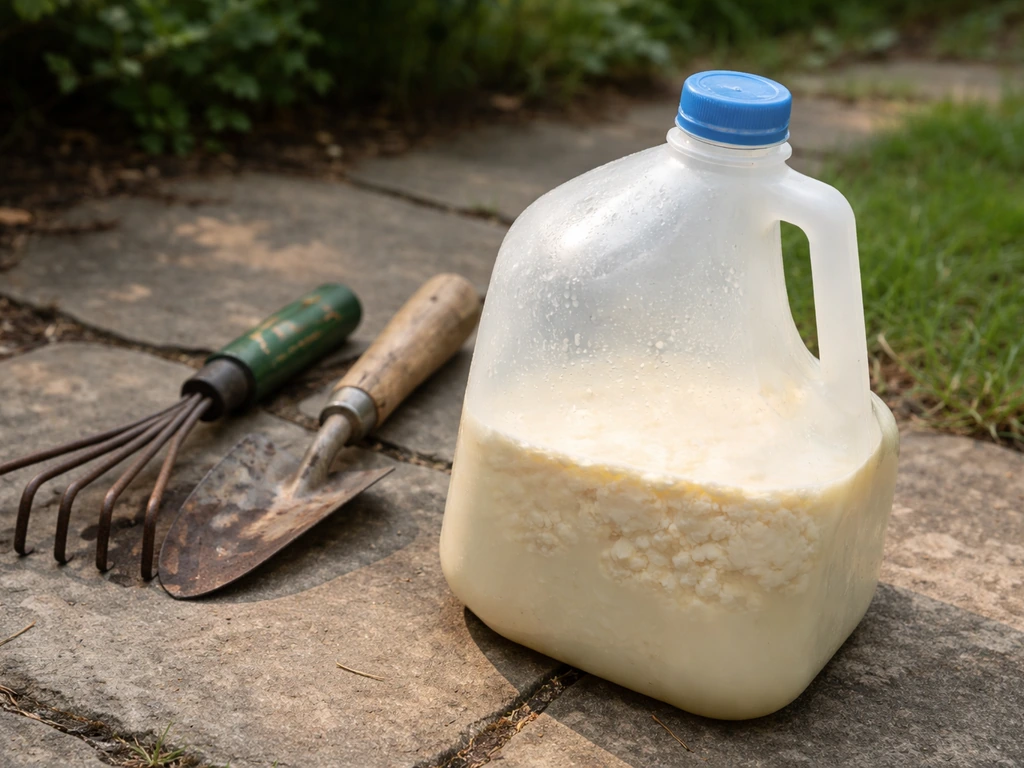
Milk is an organic, protein-rich liquid. If you are looking for good to grow organic milk, think of it as a niche ingredient and focus on proven soil-building and disease prevention practices. When it sits on soil or leaves in warm weather, it blank" rel="noopener noreferrer">supports microbial growth, and that microbial activity smells bad. We are talking a sour, unpleasant odor that gets worse with heat and moisture. If you apply too much, apply undiluted milk, or apply it to soil repeatedly, you will notice it.
- Odor: Decomposing milk proteins smell strongly. Neighbors, pets, and you will notice. Keep applications dilute and let leaves dry fully.
- Leaf spotting: Dried skim milk has been reported to cause leaf spotting on some plants. WSU Extension specifically mentions this as a documented risk. Watch your plants after the first application.
- Pest attraction: The organic material in milk can attract flies, ants, and other insects to your plants or soil surface.
- Pathogen risk: Raw milk carries bacteria. When applied to edible crops you will harvest and eat, particularly leafy greens or anything where the spray contacts the edible part directly, this is a genuine food safety concern.
- Soil biology disruption: Pouring significant amounts of dairy into soil can shift microbial populations in ways that are hard to predict and may not benefit your plants.
- Nutrient imbalance: Treating milk as a meaningful fertilizer and applying it regularly could contribute to nutrient imbalances without addressing your actual soil needs.
The biggest rule: do not pour undiluted milk onto soil or drench plants with it. Do not apply it the night before harvest. Do not use it as a substitute for actual soil building. These are the situations where the risks clearly outweigh any benefit.
Better alternatives that work reliably
For growing more food at home, the inputs that consistently outperform kitchen-scrap experiments are the unglamorous basics: compost, well-managed manure, and good soil building. These are not exciting, but they work every season across every garden type.
| Input | Primary benefit | Application method | Reliability |
|---|---|---|---|
| Mature compost | Soil structure, nutrients, microbial life | Work into beds before planting; top-dress mid-season | Very high |
| Composted manure | Nitrogen, soil organic matter | Mix into soil; compost to 131–170°F first to kill pathogens | High when properly composted |
| Compost tea / bokashi liquid | Microbial diversity, some nutrients | Soil drench or dilute foliar spray | Moderate to high |
| Bacillus subtilis products (e.g., Serenade) | Powdery mildew suppression | Foliar spray per label | High for disease control |
| Mulch | Moisture retention, soil temperature, weed suppression | Apply 2–3 inches around plants | Very high |
| Diluted milk (10% skim) | Powdery mildew prevention | Foliar spray, preventive only | Moderate, limited use case |
For powdery mildew specifically, if you want something more reliable than milk, look at registered biological fungicides containing Bacillus subtilis (the product Serenade uses the QST713 strain). These are designed for exactly this use, come with label instructions and safety data, and are widely used in both home gardens and commercial integrated pest management programs. Texas A&M AgriLife and UC ANR both include Bacillus subtilis products in their home gardener fungicide guidance. Texas A&M AgriLife’s “Partial Listing of Products for the Home Gardener” also lists Serenade, specifying the Bacillus subtilis QST713 strain and its powdery mildew target Texas A&M AgriLife and UC ANR both include Bacillus subtilis products in their home gardener fungicide guidance.. They cost more than milk but they are also predictable.
For soil fertility, composted manure is your workhorse. Properly composted manure, meaning it has been held at 131 to 170 degrees Fahrenheit for at least three days in an aerated system or 15 days in windrow turning, has had pathogens and weed seeds significantly reduced. That is a far more controllable and impactful input than dairy. Oregon State, Illinois Extension, and Colorado State all emphasize proper composting temperatures and time as the standard for safe manure use.
When to avoid milk in the garden entirely

There are garden situations where using milk, even diluted, is simply not worth the risk or the hassle.
- Leafy greens and herbs you harvest frequently: Spraying milk on spinach, lettuce, basil, or anything you eat raw increases pathogen exposure from the leaf surface. Skip it entirely here.
- Hydroponic or container water systems: Milk creates a heavy organic bioload in water, fouls nutrient solutions, and is not supported for soilless systems. Extension guidance for greenhouse and hydroponic production specifically advises against unapproved inputs in soilless media.
- Already-infected plants with heavy disease coverage: Once powdery mildew has colonized most of the leaf surface, milk spray will not save the plant. Remove heavily infected leaves, improve airflow, and move to a registered fungicide if needed.
- Humid, low-airflow garden areas: Applying milk spray in conditions where leaves stay wet encourages other fungal diseases. If your garden is already prone to botrytis or downy mildew, adding milk spray is a bad trade.
- Near the end of the season: If you are within a week or two of final harvest, any foliar spray adds unnecessary complexity and potential contamination risk.
- Any situation where you would be applying more than weekly: More frequent application does not increase effectiveness and significantly increases odor and pest attraction problems.
Your quick decision guide and next steps
Here is the practical framework. Ask yourself: do you have a powdery mildew problem (or history of one) on your squash, cucumbers, or melons? If yes, milk spray at 10% concentration, applied preventively once a week in the morning, is a low-cost thing worth trying on one bed. If you are hoping milk will boost general plant growth or replace real fertilizer, it will not. Cheese is also a dairy product, but it is not a practical way to grow more food in a home garden. Put your energy into compost instead.
- Choose one plant or one small bed for your test. Do not switch your whole garden to milk spray at once.
- Mix 100ml of skim milk into 900ml of water. Spray one plant thoroughly in the morning on a day with no rain forecast.
- Check leaves after 48 hours for any spotting, discoloration, or unusual odor buildup.
- If leaves look fine, continue weekly applications on that test plant only. Compare it with an untreated plant of the same type.
- After three to four weeks, assess: does the sprayed plant show less powdery mildew? If yes, the practice is working for your conditions. If no difference, or if you are seeing leaf damage, stop and switch to a Bacillus subtilis product.
- Record what you observe: spray date, dilution, weather conditions, and results. This is how you build garden knowledge that actually helps you next season.
- Regardless of whether you try milk, start building your soil now with mature compost. That investment pays off every single season across every crop.
Milk in the garden is a narrow tool for a specific job. It is not magic, and it is not a food for your plants in any meaningful way. But used correctly, timed right, and applied safely, it is a low-cost option worth knowing about, especially for home gardeners dealing with powdery mildew without access to commercial sprays. For truly commercial-scale production, use the registered fungicides and soil programs designed for consistent results commercial sprays. Just keep your expectations grounded, do a small trial first, and trust the proven soil-building basics to carry most of the weight in your garden.
FAQ
Is milk actually fertilizer, or will it fix nutrient shortages?
Milk is not a reliable fertilizer. Even though it contains small amounts of calcium and proteins, the nutrients are too low in a typical 1-to-9 spray to correct deficiencies. If plants show problems like blossom-end rot or leaf tip burn, prioritize soil testing, consistent irrigation, and real calcium management rather than milk.
How often should I spray milk for powdery mildew, and when should I stop?
A common approach is preventive spraying about once per week in the morning at roughly a 10% solution. If you do not see mildew reduction over several weeks, do not keep increasing the dose, switch to a more predictable biological or other labeled option, and remove heavily infected leaves to reduce spread.
Can I spray milk on all vegetables, or only cucurbits?
Milk’s strongest evidence is for powdery mildew on cucurbits like squash, cucumbers, and pumpkins. For other crops, results are less certain. If you try it on non-cucurbits, test on one plant or one row first and watch for leaf residue or no improvement before treating the whole garden.
What if my plants already have heavy powdery mildew, is milk still worth trying?
Milk becomes much less effective after the fungus is well established on the foliage. If leaves are already covered, consider early removal of the worst foliage, improving airflow, and using a more reliable labeled biological fungicide instead of expecting a late spray to reverse damage.
Should I use whole milk, skim milk, or buttermilk?
Skim milk is generally preferred because less fat means less residue on leaves and fewer odor issues. Buttermilk can still contain milk proteins, but fat and acidity can make residue and smell more noticeable, so treat it like a variable and do a small test batch first.
Can I use milk spray at night or right before harvest?
Avoid spraying the night before harvest. Apply in the morning so foliage dries during daylight, which reduces residue persistence and makes disease timing more consistent. Night applications also raise the chance of lingering wetness that can worsen overall plant health.
Will milk residue attract pests or cause new problems?
Heavy or frequent applications can leave a film on leaves and create a sour odor, especially in warm, humid weather. That residue can also interfere with leaf transpiration and make plants look worse even if mildew pressure drops. Stick to diluted preventive use, not repeated heavy wetting.
Is it safe to pour milk onto soil if I have leftover milk?
No, do not pour undiluted milk onto soil or drench plants. It can increase microbial activity in a way you do not control, leading to odor and uneven effects. If you want to use leftover dairy, the safest choice is not to apply it to garden soil and instead focus on compost and properly managed soil amendments.
Does milk work if I have hard water or water with high mineral content?
Milk spray can still work, but water quality can affect how residue dries and how consistently the mixture coats leaves. Use the same water you normally use for watering, and do a small test on one area, especially if your water is very hard or you notice chalky deposits on plants.
What is a good “small trial” setup to see if milk works in my garden?
Choose one affected bed or a single row, split it into two sections, and spray only one section preventively at the 1-to-9 dilution. Keep everything else the same, such as watering schedule and spacing, and evaluate after a couple of weeks. If there is no meaningful mildew reduction, switch strategies rather than increasing concentration.
Next Article
Milk for Garden Growth: Safe Ways to Boost Yields
Learn safe ways to use milk or whey in gardens for better yields: ratios, timing, methods, risks, and cost checks.