Here is the short answer: producing 1 pound of almonds takes roughly 1,900 gallons of water, while producing 1 pound of beef takes closer to 1,800 gallons on average, but that near-tie is deeply misleading. The real story is about where that water comes from, how much of it is rainfall you couldn't capture anyway versus scarce irrigation water you're actively pumping, and what your specific setup looks like. If you're trying to decide which is more practical to produce at home with limited water, the details matter far more than the headline numbers.
Water to Grow Almonds vs Beef: A Practical Guide
Marcus Hendrick
21 Apr 2026
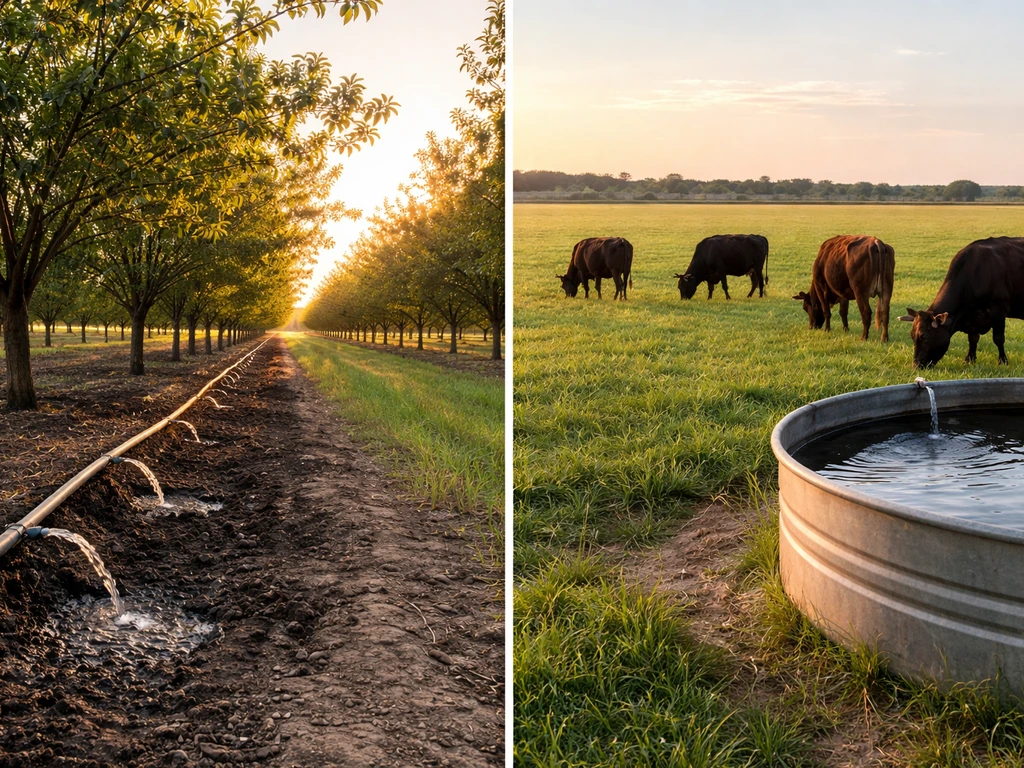
How much water almonds and beef actually need (and why the number keeps changing)
The global average water footprint for beef sits around 15,000 liters per kilogram (about 1,800 gallons per pound), with some methodologies citing as high as 15,400 L/kg. For almonds, the commonly referenced figure is roughly 4 acre-feet of water per acre per year in California growing conditions, which translates to approximately 1,900 gallons per pound of shelled nuts when you factor in typical yields. But those numbers bounce around a lot depending on production system, climate, and management, and that variability is precisely what you need to understand before applying them to your own situation.
For almonds, the main driver is climate. In a hot, dry region like California's Central Valley, almond orchards can require anywhere from roughly 10 acre-inches of water in cool, efficient conditions to upwards of 48 acre-inches to hit maximum yields under peak-heat conditions. A tree's actual crop water demand is calculated using the formula ETc = ETo × Kc, where ETo is the reference evapotranspiration for your local climate and Kc is the almond crop coefficient, which itself changes with tree age and growth stage. Young trees (2 to 4 years old) have Kc values around 0.30 to 0.45, meaning they use far less water than a mature orchard. A mature orchard's Kc peaks mid-season and drops off at hull split. The point is: your almond water number is not fixed. It depends on where you live, how hot your summers are, and how old your trees are.
For beef, the variation is even wider. Feed and pasture production accounts for approximately 98% of the total water footprint of beef. That means the question isn't really how much water your cow drinks but what you're feeding it and whether that feed was grown on irrigated land or rain-fed pasture. One 2026 study found that the blue water footprint (the portion drawn from irrigation) for finishing cattle can range from less than 200 to more than 2,000 liters per kilogram of body weight gained, purely based on feed selection. That is a 10-fold swing driven by one management decision.
| Metric | Almonds | Beef |
|---|---|---|
| Global average water footprint | ~1,900 gal/lb (shelled) | ~1,800 gal/lb |
| Liters per kilogram | ~4,100 L/kg | ~15,000–15,400 L/kg |
| Primary water driver | Direct irrigation (ETc) | Feed/pasture production (~98%) |
| Typical seasonal irrigation range | 10–48 acre-inches/acre/year | Varies by feed system |
| Share that is 'blue' (irrigation) water | Mostly blue in arid regions | ~4% blue (global avg); up to 2,000+ L/kg BW in intensive systems |
| Variability by climate/management | High (Kc, ETo, irrigation method) | Very high (pasture vs feedlot, rain-fed vs irrigated feed) |
Green, blue, and grey water: the breakdown that actually matters
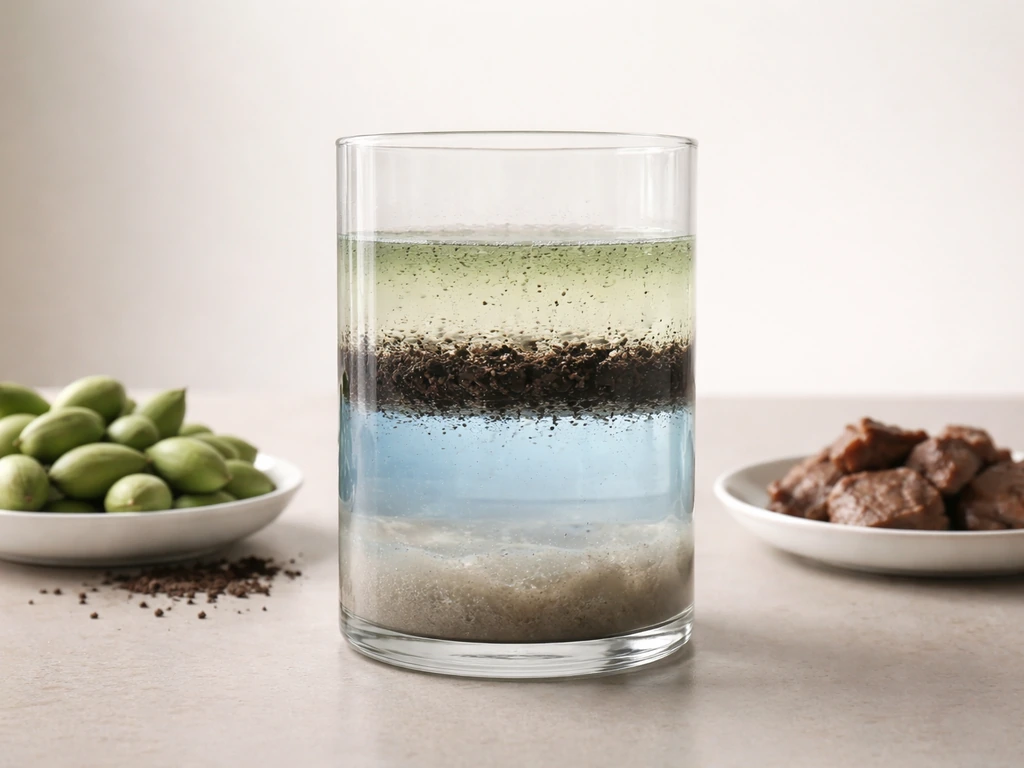
When you see a water footprint number, it's combining three very different types of water. Water Footprint Network also explains that blue, green, and grey water are distinct components of water footprint accounting: blue water comes from surface and groundwater used, green water from rainfall and soil water, and grey water reflects the water needed to dilute pollutants three very different types of water. Green water is rainfall that's absorbed by soil and used directly by plants. Blue water is surface or groundwater that's withdrawn for irrigation or livestock use. Grey water is freshwater required to dilute pollutants to acceptable levels. These are not equivalent in terms of scarcity or environmental impact. Rain that falls on your pasture and feeds your grass is green water. You didn't pump it, filter it, or pay a utility bill for it. But the water you pull from a well to irrigate an almond tree in a drought year is blue water, and that's the number that matters for water stress and practical cost.
The global average water footprint for beef breaks down as roughly 93% green, 4% blue, and 3% grey. That sounds like beef is mostly rain-fed and therefore low-impact. And on rain-fed pasture, that's partially true. The problem is that in intensive feed systems, the blue water share climbs sharply because commodity crops like corn and alfalfa used for feed are heavily irrigated. For almonds in California, blue water dominates because those orchards exist specifically in a semi-arid, irrigated zone. If you're growing almonds in a rainy climate with supplemental irrigation, your blue water fraction drops significantly.
The concept behind all of this is sometimes called virtual water or embedded water. When you eat a pound of beef, you're consuming not just the cow's drinking water but all the water that went into every bale of hay and bushel of corn that animal ate across its lifetime. The same logic applies to almonds: the water footprint includes everything from irrigation to hull processing. For home gardeners and homesteaders, the practical takeaway is that direct water use (what you actually apply with a hose or drip line) is only part of the picture, but it's the part you can actually control and measure.
Growing almonds at home: how to estimate and manage your water use
If you're growing almonds at home, the ETc formula is your best tool for estimating seasonal water needs. Start with your local ETo, which you can pull from a state extension service or a network like California's CIMIS (or your regional equivalent). Then multiply by the almond crop coefficient for the growth stage you're in. For a 4-year-old tree, Kc,mid is around 0.45. For a mature tree at peak summer, Kc can reach 1.0 or higher. Multiply ETo (in inches per week) by Kc and you get your crop water demand in inches per week. To convert that to gallons, use the conversion 1 inch = 27,154 gallons per acre-inch, then adjust for your tree spacing. For converting measured irrigation volumes (like gallons applied) into depth applied for orchards, MSU Extension provides guidance for expressing the result in inches per acre (acre-inches) convert that to gallons, use the conversion 1 inch = 27,154 gallons per acre-inch. For example, if you have 50 trees per acre, divide 27,154 by 50 to get roughly 543 gallons per tree per acre-inch of demand.
The UC ANR framework refines this further: Gallons = (Inches × 27,154 gal/acre-inch) / number of plantings per acre, then apply your irrigation system efficiency factor (a drip or microsprinkler system at 90% efficiency means you divide the gross applied water by 0.90 to account for losses). This sounds like a lot of math, but once you've done it once for your specific setup, you're scheduling irrigation with real precision instead of guessing.
On a small home orchard scale, drip irrigation is the clear practical choice. It applies water directly to the root zone, minimizes evaporation, and lets you schedule irrigation to match ETc rather than a calendar. For regulated deficit irrigation (RDI), research suggests you can withhold some water during specific low-demand windows (like just before and after hull split) and save roughly 5 to 15% of seasonal water use without meaningful yield loss. That is not a huge saving, but for a water-limited homestead it can matter. The critical rule is never skip post-harvest irrigation entirely, as those late-season applications support next year's bud development.
Realistic yield expectations for a home-scale almond tree: a mature tree in a suitable climate (USDA zones 7 to 9) can produce 10 to 15 pounds of in-shell nuts per year, with good management pushing higher. Young trees (years 1 to 3) produce essentially nothing and still require careful irrigation to establish. Factor that startup period into your water budget planning.
What 'water for beef' actually means on a homestead
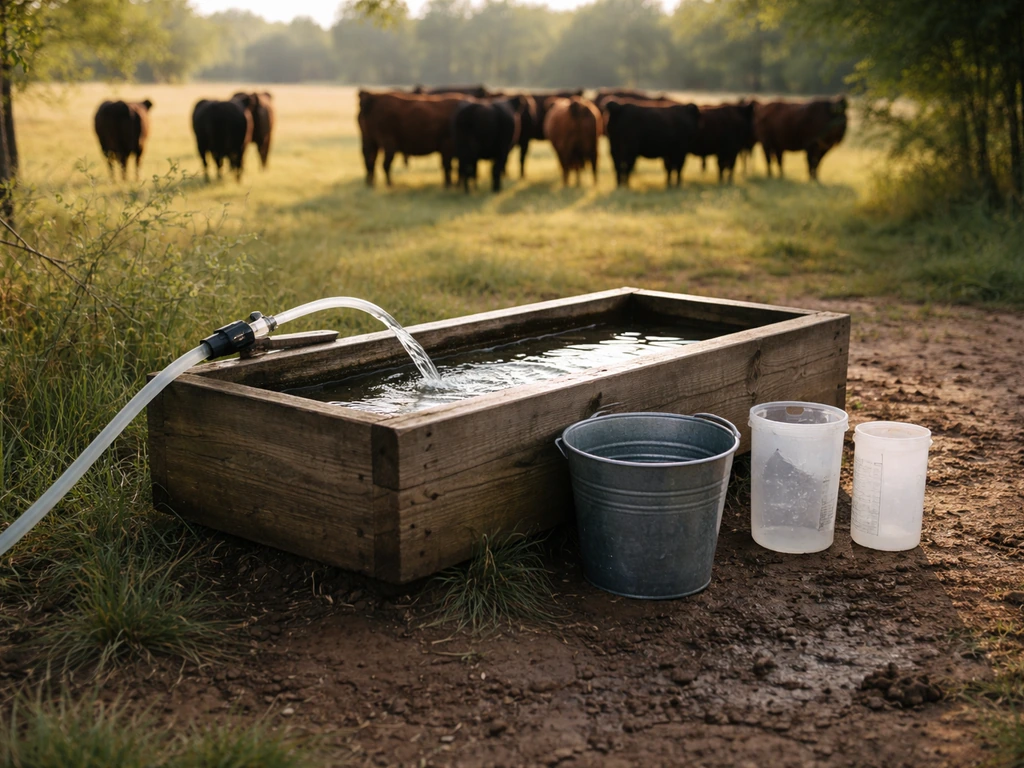
The most common mistake people make when comparing beef water use is focusing on drinking water. A mature beef cow drinks roughly 30 to 40 gallons per day, more in heat or during lactation, and feed moisture content affects how much free water she needs. But that drinking water is a rounding error. What actually drives water use in beef production is the water that grew every pound of feed she consumed over her entire life. On average across global systems, feed production accounts for about 98% of beef's total water footprint. Drinking water, cleaning water, and feed mixing together account for just over 1% combined.
For homestead beef, the question you should be asking is: where does my feed come from and how was it grown? If your cattle are entirely grass-fed on rain-fed pasture with no supplemental irrigation, your blue water footprint per pound of beef is genuinely low, potentially far below the global average. You're drawing on green water that would have cycled through the landscape regardless. If you're buying irrigated alfalfa, corn silage, or commercial feed mixes to supplement pasture during dry months, those purchases carry embedded blue water from wherever they were grown. That's the hidden water cost most backyard beef raisers don't account for.
The water footprint framework for livestock separates out three components: WFfeed (water to grow all feed), WFdrink (the animal's direct water intake), and WFservice (water for cleaning, processing). On a well-managed rain-fed homestead, WFfeed is mostly green water. In a drier climate where you're irrigating your pasture or buying in feed, WF_feed accumulates blue water fast. A 2026 study on finishing cattle showed that feed selection alone could push blue water footprint from under 200 L per kg of gain to over 2,000 L per kg of gain. That's the lever you have the most control over.
Which is more water-efficient for your situation: a direct decision guide
There is no universal answer here, but there is a clear framework for figuring out which makes more sense for your specific setup.
Almonds are likely the more water-efficient choice if you live in a zone where almonds grow well (zones 7 to 9, Mediterranean-style climate), you have access to a reliable irrigation water source, you're willing to invest in drip irrigation and ET-based scheduling, and you want calorie-dense, protein-rich food from a relatively small land footprint. A well-managed home almond tree producing 12 pounds of nuts per year with precise drip irrigation uses dramatically less water per calorie delivered than an equivalent investment in irrigated beef production.
Beef is likely the more water-efficient choice if you have access to rain-fed pasture that you don't need to irrigate, your climate provides reliable rainfall throughout the growing season, and you're raising cattle primarily on grass with minimal purchased supplemental feed. In that case, your beef's blue water footprint is genuinely low, and you're converting grass that would otherwise just decompose into high-quality protein. This is the scenario where the 93% green water framing for beef actually applies to your operation.
The comparison flips when your region is dry and you need to irrigate pasture or buy in irrigated feed. At that point, beef's embedded water cost explodes, and almonds with efficient drip irrigation can look much more attractive per calorie produced per gallon applied. Similarly, if you're in a climate that's too cold or wet for almonds but you have reliable pasture, cattle make more practical sense regardless of the water math.
| Scenario | Better water-efficiency choice | Why |
|---|---|---|
| Dry climate, drip irrigation available, zones 7–9 | Almonds | Precise blue water use, high calorie/protein density per acre |
| Rain-fed pasture, reliable rainfall, no supplemental irrigation | Beef (grass-fed) | Mostly green water; blue water footprint is very low |
| Dry climate, must irrigate pasture or buy irrigated feed | Almonds | Beef blue water footprint becomes very high from feed production |
| Cold climate (zones 5–6), unsuitable for almonds | Beef | Almonds won't produce; local grass-fed beef is the practical option |
| Mixed homestead with both pasture and orchard space | Both, managed together | Diversify: almonds for calories/protein, cattle for pasture that can't support tree crops |
Concrete steps to cut water use for both almonds and beef
Reducing water in your almond orchard
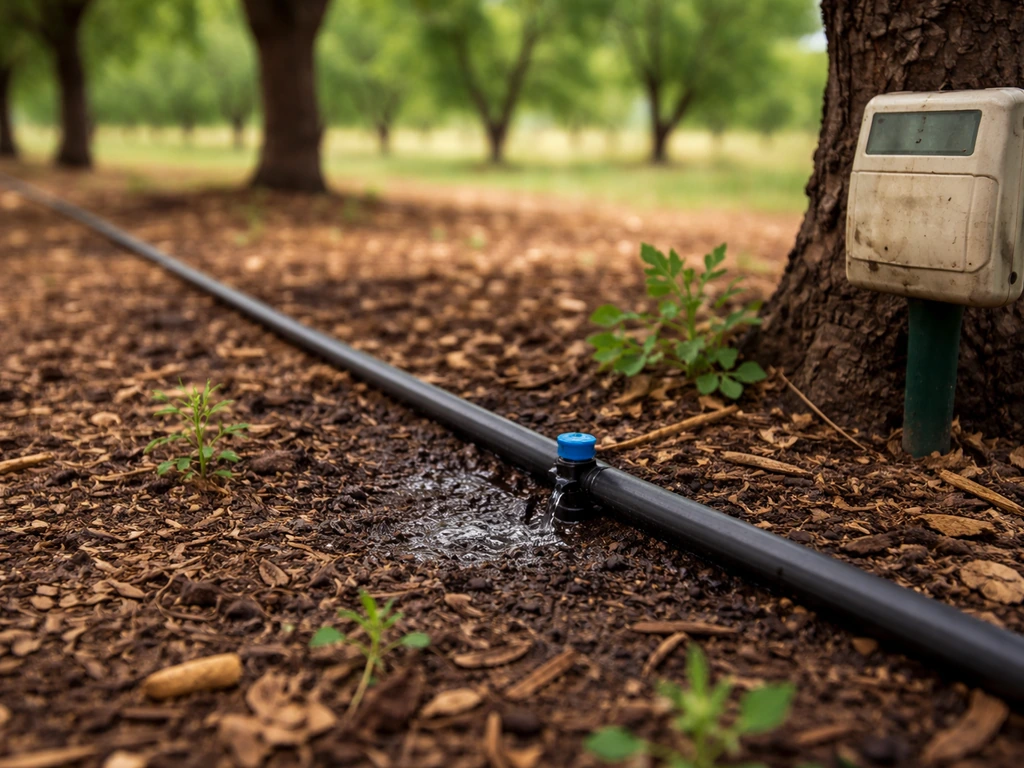
- Switch to drip or microsprinkler irrigation if you haven't already. Drip systems operating at 90% efficiency lose far less water to evaporation than flood or overhead irrigation, and they let you apply water at the rate the tree is actually consuming it.
- Pull your local ETo data weekly (from your state extension service or CIMIS-equivalent) and calculate ETc = ETo × Kc for your tree's current growth stage. Schedule irrigation runs to replace actual crop water use rather than running on a fixed calendar schedule.
- Convert your ETc to gallons per tree using: Gallons = (ETc in inches × 27,154) / trees per acre, then divide by your system efficiency (e.g., 0.90 for drip). This gives you a defensible, precise irrigation target for each week.
- Apply regulated deficit irrigation during low-demand windows. Research supports withholding a modest amount of water just before hull split and immediately after harvest without significant yield loss, saving 5 to 15% of seasonal water use.
- Never skip post-harvest irrigation entirely. Late-season water application supports next year's flower bud development and is critical for long-term orchard productivity.
- Use soil moisture sensors or plant water stress indicators (like midday stem water potential) to confirm your ETc-based schedule matches actual soil conditions. ET estimates can be off in unusual weather years.
Reducing water in your beef production system
- Audit your feed sources first. Identify what percentage of your herd's diet is coming from irrigated feed (purchased alfalfa, corn, silage) versus rain-fed pasture. That audit tells you where your blue water is actually coming from.
- Maximize time on rain-fed pasture. Every day an animal grazes rain-fed grass instead of eating irrigated feed lowers your blue water footprint per pound of gain. Rotational grazing systems help maintain pasture quality and extend the grazing season.
- Choose finishing feeds with lower blue water footprints. Research shows that feed selection during finishing can move blue water intensity from under 200 L/kg gain to over 2,000 L/kg gain. Favor feeds grown in rain-fed regions or on-farm where possible.
- Improve pasture water retention. Cover crops, reduced tillage, and organic matter additions help soil hold rainfall longer, reducing the need for supplemental irrigation even in drier stretches.
- Right-size your herd to your pasture carrying capacity. Overloaded pastures degrade faster, require more supplemental feed, and ultimately use more water per pound of beef produced.
- Collect and store rainwater for livestock drinking water where regulations allow. A cow drinking 35 gallons per day is the smallest part of your water footprint, but replacing pumped well water with captured rainwater still reduces your blue water draw.
How this fits into the bigger picture of food and water on your homestead
Water efficiency is just one dimension of self-sufficient food production. Almonds deliver dense calories and protein from a small footprint when managed well, and they pair naturally with the kind of water-conscious growing that a drip-irrigated home orchard demands. Beef raised on well-managed rain-fed pasture converts grass into protein in a way no crop can replicate. The honest answer is that most homesteaders benefit from both, managed intelligently, rather than treating this as an either-or choice.
It's also worth noting that water efficiency in food production doesn't stop at what you grow directly. The water embedded in dairy products, for instance, follows similar logic to beef: the dominant water cost is feed production, not the animal's drinking water. If you want to go a step further with dairy, choosing good to grow organic milk can align your milk goals with more mindful feed and farming practices. If you're interested in whether milk or cheese fits into a water-conscious homestead food plan, the same green-versus-blue water framework applies and the feed sourcing question is equally central. If you're deciding between dairy options like milk or cheese, remember that the main water driver is whether the feed behind that dairy relied on irrigated or rain-fed water. Choosing to grow organic milk is similar: the most important driver is whether the feed behind that milk relied on irrigated or rain-fed water milk or cheese. If you decide to add dairy, the key question is whether the feed behind that milk came from irrigated or rain-fed sources milk or cheese.
Start where you have the most control. If you're already growing almonds, get your ET-based irrigation schedule running this season and implement drip if you haven't. If you're raising cattle, do the feed audit before anything else. Both are practical steps you can take this week with data you can pull from free extension resources, and both will meaningfully reduce your water use per pound of food produced.
FAQ
If almonds and beef look similar by headline gallons per pound, how do I tell which is actually worse in my area?
Use the green versus blue split for your own inputs. For almonds, focus on how much of your orchard irrigation comes from groundwater or other pumped supplies during dry years (that is blue water). For beef, focus on whether your feed is irrigated (corn, alfalfa, purchased hay), because feed production dominates and can turn a mostly green footprint into a blue-heavy one.
What counts as “good” water efficiency for almonds at home (drip rate, scheduling, or something else)?
Scheduling and uniformity. Drip alone is not enough if emitters are uneven or if you irrigate too early or too late relative to ETc. If you can, measure catch-cans or do a simple distribution test, then tune your run times so applied water matches the ETc demand for each growth stage.
How do I estimate almond water if I do not know my ETo or I have partial irrigation controls?
Start with the closest available ETo dataset for your climate, then adjust with soil feedback. If you cannot get reliable weekly ETo, use the same ETc framework but shorten your planning horizon (for example, 2 to 3 weeks) and verify with soil moisture (tensiometer or consistent digging depth). That reduces the risk of over-irrigation during cooler weeks.
Should I ever skip post-harvest irrigation for almonds to save water?
Avoid skipping it entirely. Even though your biggest demand may be earlier, post-harvest water supports next season’s bud development, and skipping can reduce yield potential later. If you need to cut water, consider targeted deficit strategies only during low-demand windows, not a complete shutdown.
What is the practical best “deficit irrigation” approach for water-limited homesteads, and what is the catch?
Use regulated deficit irrigation only as a controlled reduction, typically within specific low-demand periods, not across the whole season. The catch is that the acceptable reduction depends on your soil depth and drainage, tree age, and the timing of heat stress. If you see stress symptoms during a critical window, you likely saved water at the expense of future yield.
Do cow drinking-water and cleaning water meaningfully change beef’s water footprint?
Usually no. For most comparisons, drinking, cleaning, and water used in routine service are a small share compared with water embedded in feed. The decision lever is the feed audit, especially whether purchased supplemental feed was grown with irrigation.
If I have rain-fed pasture, does that guarantee beef is low “water stress” impact?
Not automatically. Rain-fed pasture can still have water-stress impacts if your land is in an area with unreliable rainfall or if drought forces you to buy irrigated feed. The key question is what fraction of your annual ration you can produce without supplemental irrigated inputs, year to year.
How should I compare “water per calorie” instead of just “water per pound”?
Translate your outputs to edible nutrition and include yield timing. Almonds provide dense calories per tree once mature, while beef depends on weight gain rates and slaughter output. A fair comparison uses water applied (blue where relevant) divided by usable calories and protein produced under your management, not global averages per unit weight.
What is the most common mistake when people estimate their own beef water footprint at home?
Assuming the cow’s water intake is the main driver. Backyard raisers often ignore how much irrigated purchased feed enters the ration, especially during dry months. A simple ration check (what you fed last summer and winter, how much hay and supplement you bought, and what type) usually reveals the real embedded water cost.
Can I “fix” blue-water reliance for beef without changing cattle numbers?
Yes, by changing feed sourcing and ration composition. Options include using more locally produced rain-fed forages if available, reducing irrigated concentrate use, and planning pasture rotations to avoid emergency purchases. Even small shifts can greatly reduce blue water share because feed production dominates.
How do tree age and yield expectations change the almond water decision for first-time growers?
Plan a water budget that includes an establishment period. Young trees require irrigation to survive and develop roots, but they produce little or no nuts for years. If you compare water per pound too early, you can conclude almonds are inefficient when the mature-tree performance would look different.
If my climate is too wet or too cold for almonds, is beef automatically better on water?
Not automatically, but beef is often more practical when pasture grows reliably without irrigation. In cold-wet regions, pasture quality and seasonal feed availability may still force supplemental purchases, which can raise embedded blue water. The decision should still be based on whether your feed can stay mostly green.
What quick “data you can pull this week” would you use to start choosing between almonds and beef?
For almonds, pull local ETo (and note your tree age and spacing) to build a first ETc schedule, then estimate annual applied gallons from your irrigation hours. For beef, inventory your last 12 months of feed sources (homegrown pasture versus purchased hay, and whether purchased feed was irrigated). That two-part audit usually identifies which option is more water-sensitive for your specific setup.
Next Article
How Do Farmers Grow Food Around the World: Methods and Tips
Learn how farmers grow food worldwide: soil, water, crops, pests, harvest, and how to scale it for home gardens.