Producing organic milk at home is genuinely worth it for many homesteaders, but only if you go in with clear eyes about what it actually costs in time, space, money, and daily commitment. If you have less than half an acre, limited fencing, or no reliable source of organic feed, buying certified organic milk is almost certainly the smarter move right now. But if you have the land, the appetite for daily animal care, and a working home food system to draw from, raising a dairy goat or family cow to organic standards is one of the most rewarding things you can do for your food self-sufficiency. For more on how milk fits into your home food system, see whether milk is worth growing for your situation raising a dairy goat or family cow to organic standards.
Good to Grow Organic Milk: Home Rules, Costs, and Steps
What 'good to grow organic milk' actually means
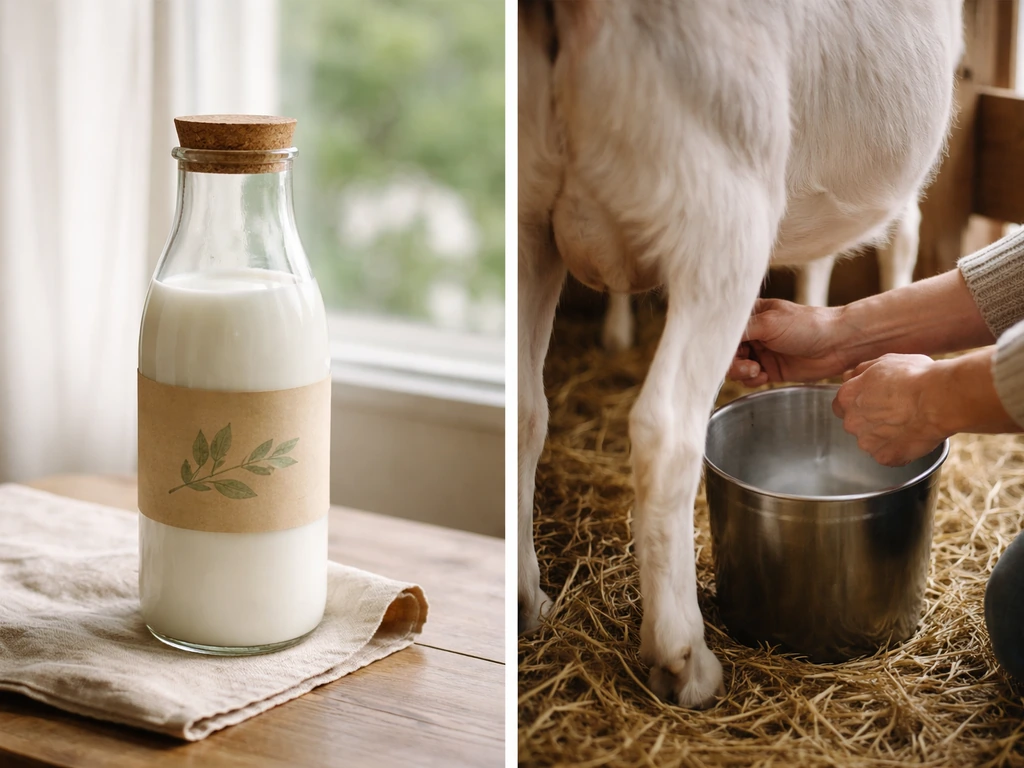
The phrase covers two very different paths. The first is buying certified organic milk from a store or local farm, which is a perfectly solid choice and the right one for a lot of people. The second is producing milk yourself at home in a way that meets organic principles, whether or not you ever pursue official USDA or Soil Association certification. Most home producers never get certified, and that's fine. You're not selling to the public. But understanding what organic standards actually require helps you set a meaningful bar for your own practice, rather than just slapping the word 'organic' on whatever you produce.
For home gardeners and self-sufficiency folks, 'growing organic milk' usually means raising a dairy animal (almost always goats for small properties, or a single family cow if you have more acreage) on a diet free from synthetic pesticides, antibiotics used routinely, synthetic growth hormones, and genetically modified feed. It also means giving your animal genuine outdoor access and pasture time, not just a token yard. That's the spirit of it, and it maps pretty closely to the official rules.
What organic milk standards actually require
In the US, 'USDA Organic' is a federally enforced labeling standard under the National Organic Program (NOP). For dairy specifically, the rules say your animal must be managed organically for at least 12 consecutive months before its milk can be sold or labeled as organic. That means a full year of organic feed, no prohibited substances, and year-round access to the outdoors. In the UK, the Soil Association (the largest and oldest organic certification body) puts animal welfare front and center, emphasizes preventative disease management over routine antibiotics, and requires genuine free-range pasture access for dairy animals.
If you want to sell milk labeled as organic, you need to be certified. In the US, certification requires an on-site inspection by an approved certifying agent at least once per year, detailed production records, and a full Organic System Plan. The USDA is clear that you cannot use the organic seal or make organic claims on product labels without that certification. There are narrow exemptions for very small operations (under $5,000 in annual organic sales), but even exempt operations still have to follow the organic standards. For home use only, you don't need certification, but you should still hold yourself to the same standards if 'organic' is your goal.
When you're buying organic milk rather than producing it, here's what the labels actually tell you:
- USDA Organic seal: Meets NOP standards including organic feed, no synthetic hormones (rBST/rBGH), no routine antibiotics, and outdoor access for the herd.
- Pasture-raised (plus organic): Look for this combination. The Organic rule requires pasture access, but 'pasture-raised' as an additional claim often signals a higher standard of actual grazing days.
- Soil Association certified (UK): Stringent welfare and pasture standards; often considered one of the most rigorous certification schemes available.
- Non-GMO Project verified: A separate certification from organic but commonly seen alongside it; confirms feed is non-GMO.
- No label, local farm: Ask direct questions. A small local farm may follow every organic practice without certification. Ask about their feed sourcing, antibiotic policy, and pasture practices.
How to produce milk organically at home
Choosing your animal
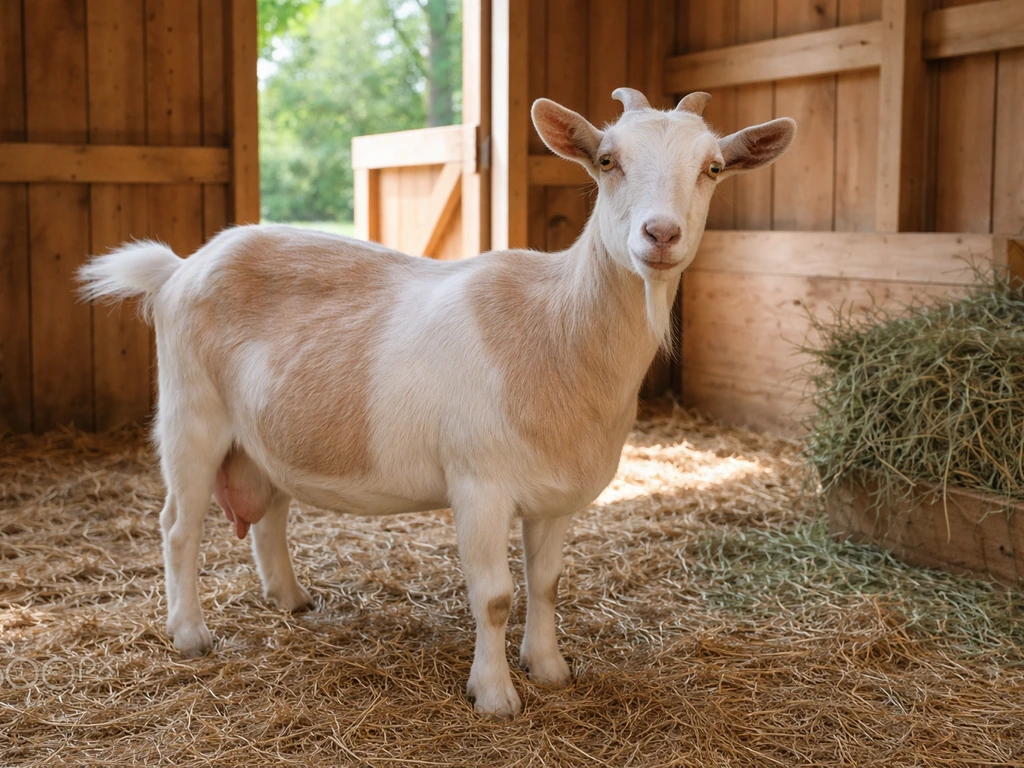
For most home gardeners, dairy goats are the right starting point. A single Nigerian Dwarf or Alpine doe will produce roughly half a gallon to a full gallon per day at peak lactation, which is plenty for a small family. They need far less space than a cow, are easier to handle, and their feed costs are manageable.
A full-size dairy cow (Holstein, Jersey, or Guernsey) can produce 3 to 8 gallons per day, which is more than most households can use, and requires at least one to two acres of good pasture plus substantial supplemental feed costs. Miniature cow breeds like Dexter or Mini Jersey split the difference: about 1 to 2 gallons daily on roughly half an acre. Match the animal to your land and your actual milk needs before anything else.
Housing and space requirements
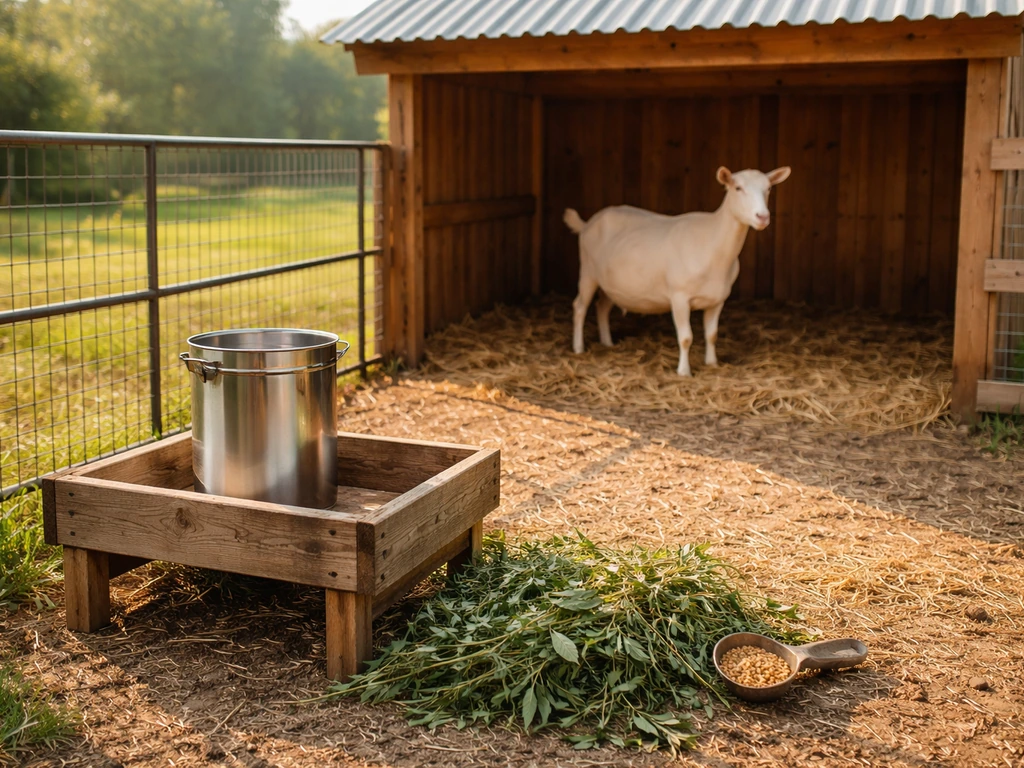
Goats need a dry, draft-free shelter of at least 15 to 20 square feet per animal, with additional space if you're housing multiple does together. The floor should be bedded with clean straw, wood shavings, or a similar absorbent material that you can change out regularly. A standard rule for organic standards is that bedding must be clean and dry, and animals must not be forced to stand or sleep in wet, soiled conditions.
For pasture, plan on at least a quarter to half an acre per two goats for rotational grazing. For a family cow, one to two acres of managed pasture is the minimum. Fencing needs to be secure: goats are escape artists, so woven wire or electric fencing (two or three strands) is standard.
Organic feed: what's in, what's out
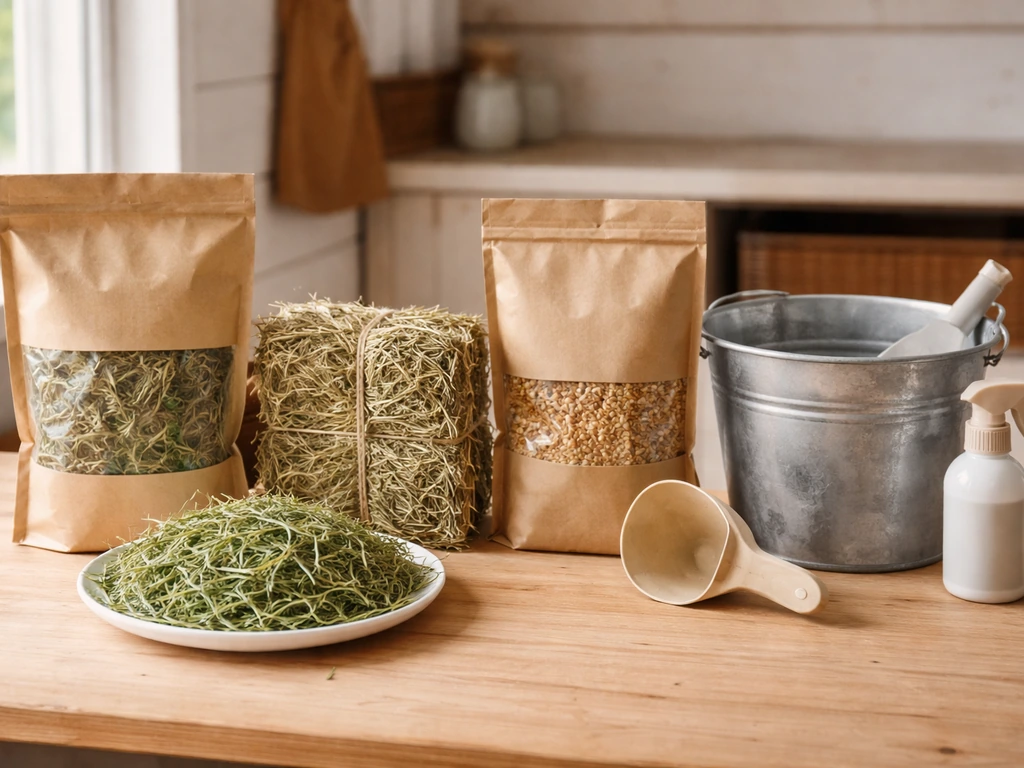
This is where the cost and complexity live. To meet organic standards, 100% of your animal's feed must be certified organic, and that includes any grain supplement, hay, and pasture. You cannot use feed that was grown with synthetic pesticides or fertilizers, and GMO feed is prohibited. In practice this means sourcing certified organic hay (which can cost 30 to 50% more than conventional), certified organic grain mix for supplementation during lactation, and managing your own pasture without synthetic inputs.
If you're already running an organic garden and growing some of your own forage crops (oats, field peas, sorghum-sudan grass, or brassicas like kale and turnips), you can meaningfully offset feed costs. Growing your own feed is one of the most powerful ways to tie milk production into your broader home food system.
The banned inputs list is straightforward: no synthetic growth hormones, no routine (preventative) antibiotics, no synthetic dewormers as the default approach (though one-time therapeutic use under veterinary guidance is a nuanced area under NOP rules, and any animal treated with a prohibited substance must be removed from the organic herd permanently). Focus on preventative health through good nutrition, low stress, clean housing, and regular rotational grazing to reduce parasite loads naturally.
Milking hygiene, cooling, and safe storage
Food safety is non-negotiable here. Raw milk from a healthy animal, handled correctly, is a very different product from raw milk handled carelessly. The risks are real, salmonella, E. coli, listeria, and campylobacter can all live in raw milk from even healthy-looking animals. Here's the practical protocol I'd follow:
- Wash your hands thoroughly before every milking session, every single time.
- Clean and dry the udder and teats with a pre-dip solution (iodine-based teat dip is common) and clean single-use paper towels before milking.
- Discard the first one to three streams from each teat into a strip cup to check for signs of mastitis (clots, discoloration, or unusual consistency).
- Milk into a clean, sanitized stainless steel bucket. Plastic harbors bacteria in scratches; stainless is worth the investment.
- Strain milk immediately through a clean, single-use milk filter into a sanitized glass jar or food-grade stainless container.
- Cool the milk to 40°F (4°C) or below within 30 to 60 minutes of milking. An ice bath works well for small batches. A dedicated mini-fridge set to the coldest setting is better.
- Label your containers with the date and time. Raw milk is best consumed within 3 to 5 days. If you're making cheese or yogurt, do so within the first 48 hours for best results.
- Post-dip teats after milking to close the teat canal against bacteria.
- Wash all equipment in hot water, then sanitize with food-grade sanitizer (Star San or similar), rinse, and air dry.
On pasteurization: if you have young children, elderly family members, pregnant people, or anyone immunocompromised in your household, pasteurize your milk. A home pasteurizer costs around $100 to $200, or you can do the vat method on the stovetop by holding milk at 145°F (63°C) for 30 minutes. It's not complicated and it removes the most serious risks of raw milk consumption. If you're selling, check your state or local laws carefully before even thinking about raw milk sales. If your goal is to scale milk production for commercial use, the standards, costs, and permitting requirements become much more demanding.
The honest cost-benefit breakdown
Let me be direct: producing your own milk is almost never cheaper than buying it, at least not in the short term. The economics make more sense when you're producing other things from the same animal (cheese, yogurt, butter, soap, kefir) and when you're growing a significant portion of the feed yourself. Here's a realistic snapshot:
| Item | Dairy Goat (1 doe) | Family Cow (Jersey) |
|---|---|---|
| Setup costs (shelter, fencing, equipment) | $500 to $1,500 | $2,000 to $6,000+ |
| Animal purchase price | $200 to $600 | $1,500 to $3,500 |
| Organic feed per year (hay + grain) | $400 to $900 | $2,500 to $4,500 |
| Vet and health costs (annual average) | $100 to $300 | $200 to $600 |
| Milk yield per day (at peak) | 0.5 to 1 gallon | 3 to 6 gallons |
| Equivalent store organic milk value/year | $700 to $1,400 | $4,000 to $8,000+ |
| Approximate break-even timeline | 2 to 4 years | 3 to 5 years |
The goat math works better for most homesteaders. A good milking doe fed on a mix of purchased organic hay and homegrown forage can produce enough milk to cover the dairy needs of a family of four, with surplus for making cheese or yogurt. Goats also have a shorter dry period and can be rebred annually to keep lactation going. On the labor side, expect 30 to 60 minutes per day for milking, feeding, and basic care. That's a real time commitment every single day, including weekends and holidays. You'll also need a plan for when you travel or are ill, which usually means a trusted neighbor or farm-sitter.
It's also worth connecting this to the broader home food system. The whey left from making cheese can feed chickens or pigs. Manure from your dairy animal is one of the best inputs for your vegetable garden. If you're already growing food seriously, adding a dairy animal creates a closed-loop system that makes the whole operation more efficient. This is part of why milk production connects naturally to topics like growing your own animal feed crops, and to the larger question of which foods are genuinely practical to grow versus buy.
Regulations, raw milk rules, and what you need to know before selling
If you're producing milk strictly for your own household, regulations are minimal in most places. You're not required to be certified organic, not required to pasteurize (in most US states), and not required to register with any agency. The moment you think about selling or distributing milk, everything changes.
In the US, raw milk sales laws vary dramatically by state. Some states allow direct-to-consumer raw milk sales with a permit; others allow herdshare arrangements (where buyers technically own a share of the animal); a few states ban raw milk sales entirely. Interstate raw milk sales are federally prohibited.
If you want to sell as 'organic,' you need USDA NOP certification, which means annual inspections, detailed records covering every aspect of production and handling, an approved Organic System Plan, and fees to a certifying agent (typically $400 to $1,500+ per year depending on the agency).
For certified operations, US regulations also require maintaining detailed records about the production, harvesting, and handling of agricultural products that are sold or labeled as “100 percent organic,” “organic,” or “made with organic…” [detailed records covering every aspect of production and handling](https://www. law. cornell. edu/cfr/text/7/205.
103). The certification process alone requires at least 12 months of documented organic management before your first certified sale.
In the UK, selling raw milk is legal but tightly regulated. You must register with the Animal and Plant Health Agency (APHA), display required health warnings, and comply with hygiene regulations. To label milk as organic in the UK, you need Soil Association certification or equivalent approval from another recognized certification body. The Soil Association certifies the entire supply chain, from farm through processing and retail.
My general advice: start producing for home use first. Get two to three full seasons of experience, document everything as if you were going to be inspected, and then decide whether certification and sales are worth pursuing. Most home producers I know never sell a drop and are completely happy with that outcome.
Your step-by-step plan to get started today
Here's a realistic roadmap broken into phases. Skip ahead if you're already partway through:
Phase 1: Months 1 to 3 (Research, planning, and infrastructure)
- Check local zoning laws and HOA rules right now, today. Many suburban and peri-urban zones prohibit keeping livestock. Know this before you spend a dollar.
- Decide on your animal: goat for properties under an acre, cow or mini cow for one acre or more. If you're uncertain, start with goats.
- Identify certified organic hay sources in your area and get price quotes. This is often the hardest part and the biggest ongoing cost.
- Sketch your pasture and shelter layout. Plan for rotational grazing with at least two paddocks so you can rest sections of pasture.
- Source used but quality milking equipment: a stainless steel milking bucket, milk filters, a strip cup, teat dip, and sanitizing supplies.
- Find a large-animal vet in your area who is familiar with dairy goats or cattle and who understands organic/minimal-intervention approaches.
Phase 2: Months 3 to 6 (Animal acquisition and setup)
- Build or install your shelter and fencing before the animal arrives. Don't bring an animal home to incomplete infrastructure.
- Purchase your animal from a reputable breeder, ideally one already practicing organic management. Ask to see feed records and health history.
- If pursuing organic production, start your 12-month organic management clock from day one. Keep a simple logbook: date, feed source and quantity, health observations, any treatments given.
- Begin transitioning any home pasture land to organic management (no synthetic inputs). This takes time, and any pasture land that received synthetic fertilizers or pesticides in the last three years won't qualify as organic pasture.
- Start growing supplemental forage crops if you have garden space: oats, field peas, kale, and turnips are all suitable and easy to integrate into a home growing system.
Phase 3: First lactation (Months 6 to 18)
- Your doe or cow will need to freshen (give birth) to begin producing milk. Time your breeding so freshening aligns with when you want to start milking, typically spring.
- Milk twice daily at consistent times (every 12 hours), at least for the first month. Consistency drives production.
- Practice your hygiene protocol every single milking session until it's completely automatic. No shortcuts.
- Track your daily yield in your logbook. A healthy Nigerian Dwarf or Alpine doe should reach peak production of half to one gallon per day within four to eight weeks of freshening.
- Experiment with using surplus milk: hard cheeses take longer to master, so start with fresh chèvre, yogurt, or kefir while you build skills.
- At the 12-month mark, you have enough documented history to apply for organic certification if you want to pursue sales.
When buying organic milk is the right call
If you're renting, living in a zone that prohibits livestock, have less than a quarter acre, or simply can't commit to twice-daily milking every day of the year, buy certified organic milk from a trusted source and put your home food production energy into crops that fit your situation. There's no shame in that. A well-run market garden that supplies your vegetables, legumes, and grains does more for your food security and budget than a struggling backyard dairy setup. The goal is a practical, sustainable home food system, not a checkbox.
FAQ
If I start raising goats or a cow, will I get milk every month of the year?
Plan your “milking calendar” around lactation and breeding. Most backyard systems need a dry period before the next lactation, and that can create gaps where you will not have milk even if the herd is healthy.
Do I need to keep records from day one, even if I’m only making milk for my household?
Yes, and it matters for organic alignment. To keep within organic principles, your sourcing and treatment decisions should be documented (feed batch numbers, bedding changes, veterinary notes), especially if you ever aim to certify or want to maintain your own “organic standard” consistently.
What housing mistakes most commonly derail good to grow organic milk at home?
Goat shelter design often trips people up because drafts and damp bedding raise disease risk. Build to keep the animal dry and draft-free, but still ventilated, and plan daily bedding replacement during wet spells rather than relying on “deep litter” forever.
Can I keep dairy goats or a cow where I live, even if it’s for home use only?
Check local ordinances before buying animals. Even if livestock are allowed, rules around setbacks, noise, manure handling, odor control, and fence requirements can determine whether you can keep goats or a cow long-term.
How can I accidentally violate organic standards without realizing it?
A single missed detail can break the “organic” goal: a prohibited feed ingredient, a pesticide-treated bedding source, or GMO grain creep into supplements. The safest approach is to treat every purchased item like it has to be provably compliant, not just “mostly” compliant.
If I buy milk labeled organic from a farm, does that automatically mean my home milk can be considered organic too?
Not all “natural” or “no antibiotics” products meet organic expectations. For home purposes, focus on what you feed and how you manage health (prevention, low stress, clean conditions), but for certified organic you must follow the exact organic feed and handling rules.
What happens to costs and feeding when pasture quality drops (winter, drought, or heavy rain)?
Often, yes, especially during winter or drought when pasture is limited. Many homesteaders underestimate the cost and logistics of providing 100% compliant feed year-round, so model your monthly feed purchases before you commit to an animal.
How do I handle milking and animal care when I travel or get sick?
Develop a fail-safe milking plan before you need it. Have a named backup who can reliably milk and clean equipment, and keep a written routine for feeding, cleaning, and basic health checks so your herd does not get skipped during travel or illness.
If parasites or illness happen, what are the organic-specific consequences for my herd?
Be ready to manage parasite pressure proactively through grazing rotation, manure management, and sanitation, and treat case-by-case with a vet. If an animal receives prohibited treatments, the organic status can be affected and the animal may need to be removed permanently for organic purposes.
Is raw milk ever a reasonable choice for an organic homestead household?
Yes, and it is a major decision point. If you have infants, older adults, pregnant people, or anyone immunocompromised, the safer approach is pasteurizing at home or choosing pasteurized milk from the start, even if you intend to follow good handling habits.
What are the most important food-safety steps to prevent spoilage or contamination in home milk?
Cleaning and temperature control are the real keep-your-milk-safe levers. Use a consistent wash routine for equipment, chill quickly after milking, store milk at safe temperatures, and discard any milk that smells off, looks curdled, or shows unusual clots.
Could I sell extra milk locally if I’m producing “organically” for my own use?
Only if you can meet the legal requirements for handling and sales. Even for direct-to-consumer sales, you may need permits, specific labeling, and compliance with testing or hygiene rules, and interstate sales are generally not allowed.
How do I choose between goats, a miniature cow, and a full-size cow without overcommitting?
Start by matching your animal to your land and then your milk needs to your household. If you try to “force production,” you often end up with higher feed costs, more labor, and more health issues, which undermines the whole point of good to grow organic milk.
Is Milk Grow Food? Safe Ways to Use Milk for Plants
Learn if milk helps garden plants, safe dilution and application, risks, and better ways to grow healthy food.