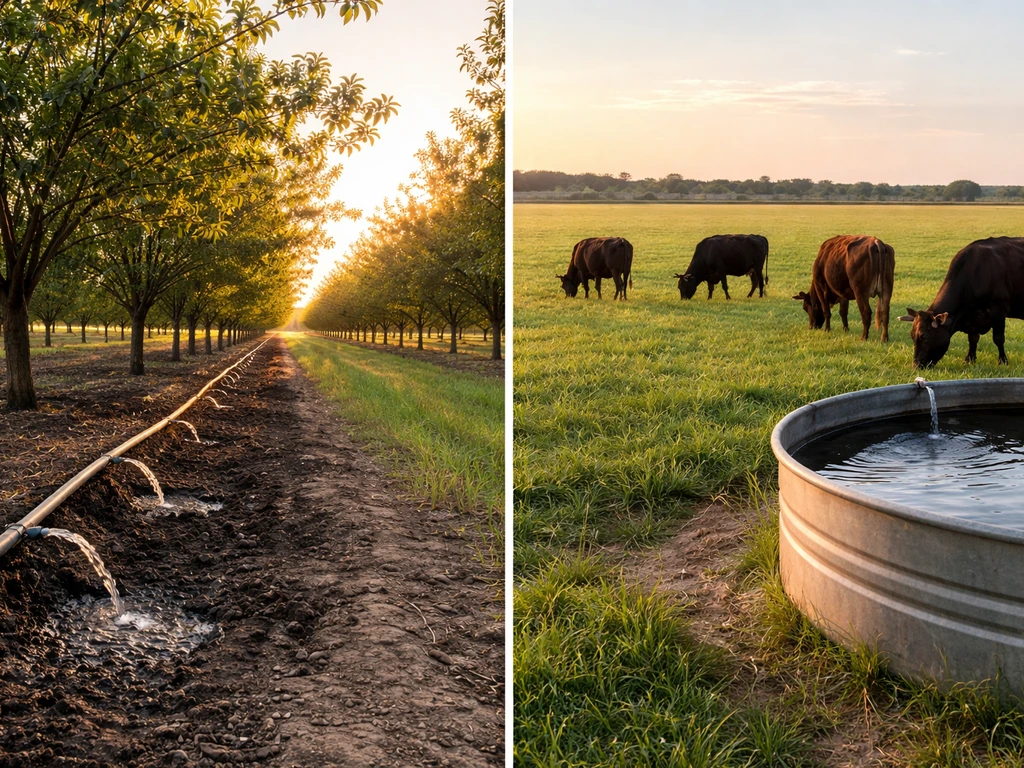
Cheese is not something you grow like a tomato or a head of lettuce. It's a food you produce, and the inputs behind it, milk, salt, cultures, and time, can absolutely come from things you raise or grow yourself. If you're trying to figure out how cheese fits into a self-sufficient food plan, the honest answer is: you can't plant a cheese seed, but you can build a system at home that takes you from pasture and garden all the way to a wheel of aged cheddar on your shelf.
Cheese Is Grow Food? How to Produce Cheese Inputs at Home

Marcus Hendrick
3 May 2026
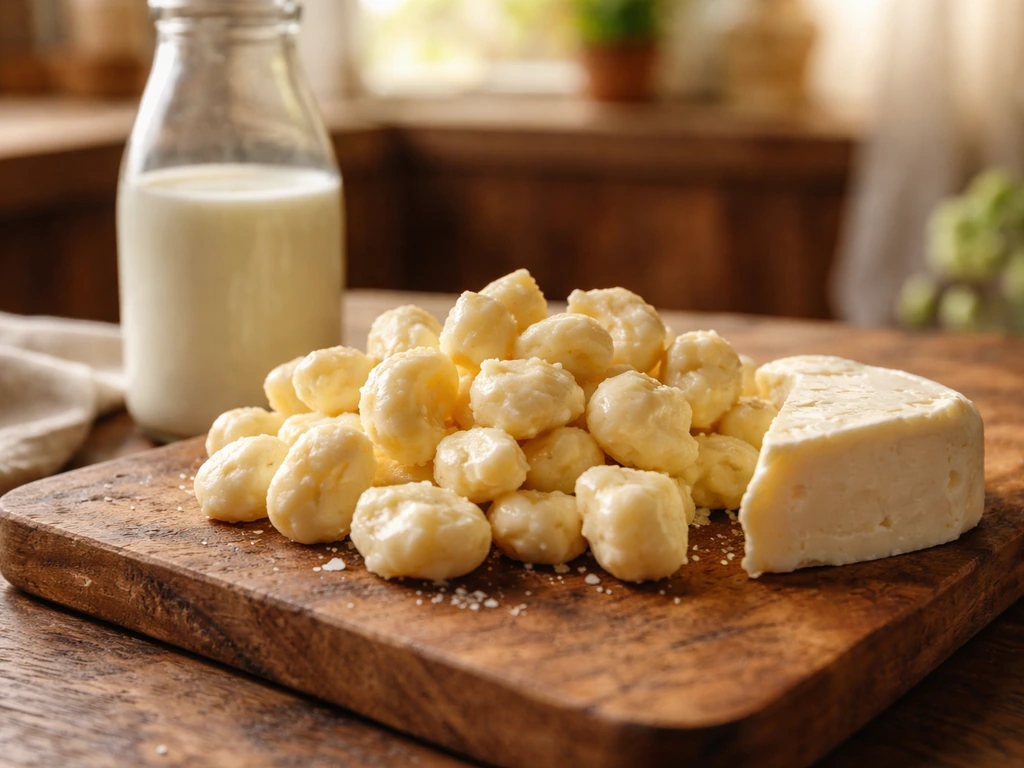
So is cheese a 'grow food'? Let's clear this up
The USDA defines crops as plants grown to be harvested as food, livestock feed, fiber, or soil nutrients. Cheese doesn't fit that definition. It's a transformed food product, not a crop, made through a biological and chemical process that starts with fresh milk. But here's where it gets interesting for home growers: the entire supply chain behind cheese is made up of things you genuinely can grow or raise. The milk comes from animals. Those animals eat forage, hay, and feed grains. All of that falls squarely into crop and livestock production territory. So while cheese itself isn't a 'grow food,' it is absolutely a 'produce food', and with the right setup, you can control every input yourself.
How cheese actually gets made
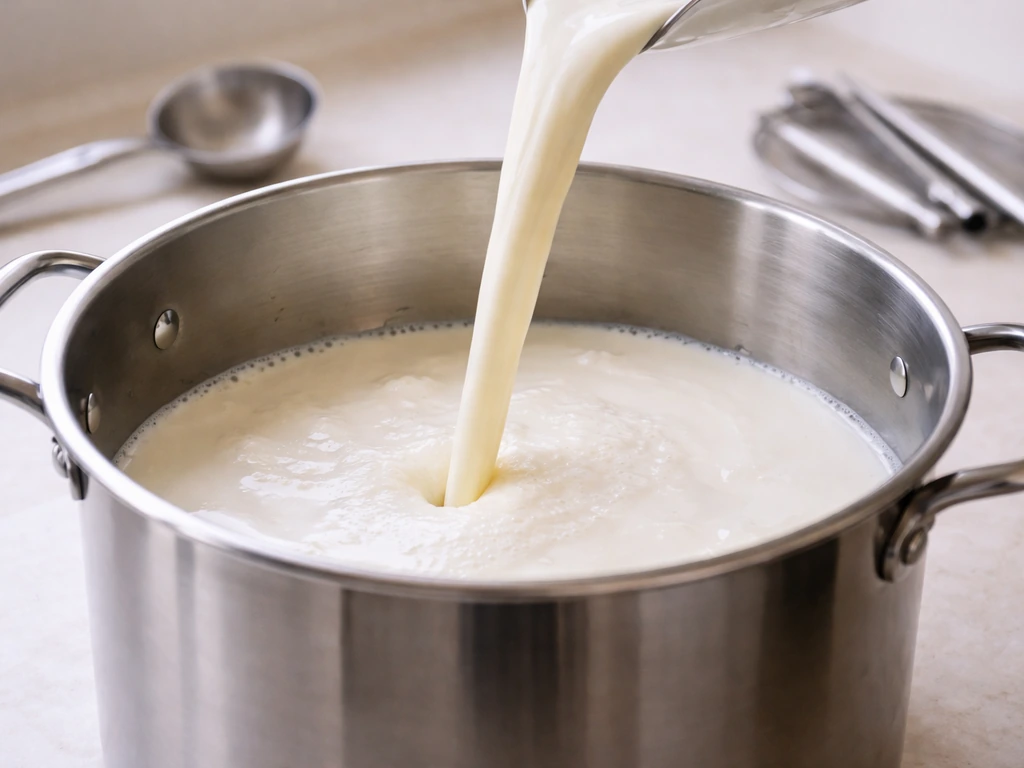
Understanding the process matters if you're going to produce cheese at home, because each step has a direct implication for what you need to grow, buy, or manage. Cheese making is fundamentally a milk transformation driven by bacteria, enzymes, heat, salt, and time.
- Start with milk: Fresh whole milk — from a cow, goat, or sheep — is your raw ingredient. It gets heated to a target temperature (often around 86–90°F for many soft cheeses, or 161°F for 15 seconds if you're pasteurizing first).
- Add a bacterial starter culture: This lowers the pH of the milk by producing lactic acid, which begins coagulation and shapes the final flavor profile.
- Add rennet: An enzyme (traditionally from animal stomachs, now also available in vegetable and microbial forms) causes the milk proteins to form a firm gel, called the curd.
- Cut the curds: Once the curd reaches the right pH and firmness, it's cut into pieces. Smaller cuts release more whey and produce drier, firmer cheeses. Larger cuts retain more moisture for soft styles.
- Drain, salt, and press: Whey is drained off, curds are salted (either dry-salted in the vat or brined in a solution like 2 cups of sea salt or non-iodized salt per 1 gallon of water), and pressed into a mold.
- Age the cheese: Depending on the style, the cheese is aged anywhere from a few hours (fresh ricotta) to several months or years (aged cheddar, parmesan). Temperature and humidity during aging directly affect texture and flavor.
That's it at the core. The variations between cheese types, soft, semi-hard, hard, washed-rind, come from how you handle each of these steps. A beginner can produce a fresh chèvre or farmer's cheese in an afternoon. A properly aged hard cheese takes months but doesn't require daily attention.
What you can actually grow to support cheese production
This is where the home grower piece gets concrete. If your goal is self-sufficient cheese production, you're really managing two parallel systems: the animals that produce milk, and the crops that feed those animals. Here's what that looks like in practice.
Pasture and forage crops
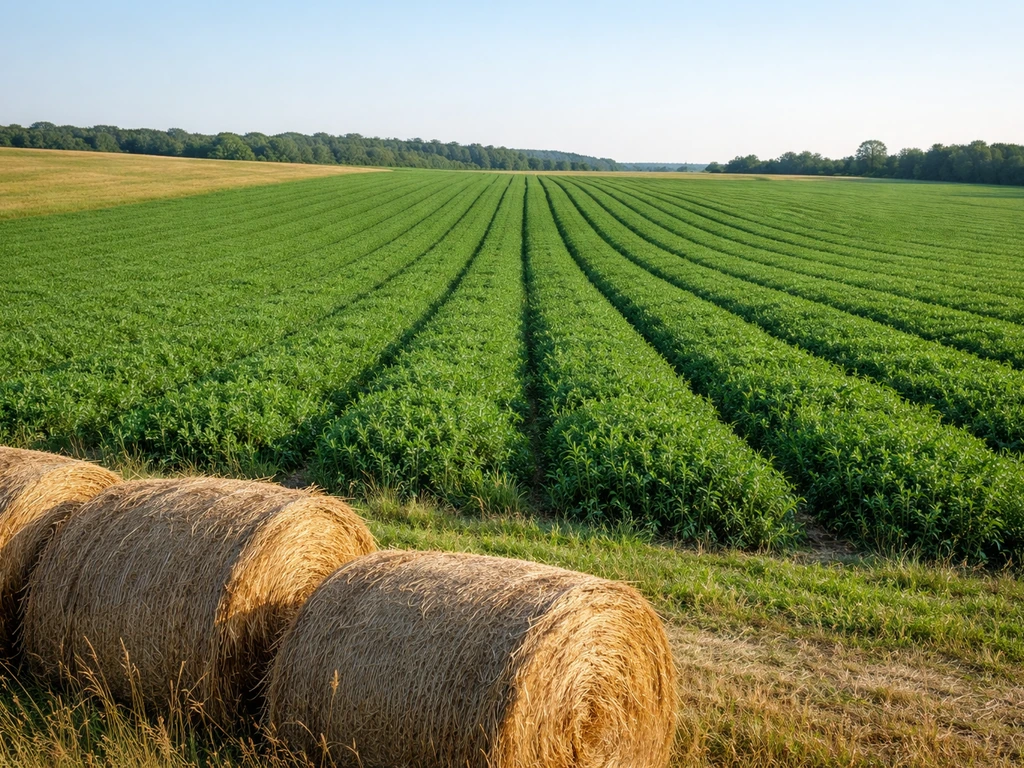
Goats and dairy cows need high-quality forage as the foundation of their diet. Alfalfa is one of the most productive options: under good conditions it can yield 4 to 10 tons of dry matter per acre per year, and in ideal climates it can push past 10 tons per acre. Cool-season grass and legume pasture mixes typically yield 4 to 6.5 tons per acre, while warm-season pastures run lower, around 2.5 to 4 tons per acre. A mixed grass and legume stand can yield 10 to 15 percent more than a monoculture, which matters when you're calculating how much land you need per animal.
Goats consume roughly 1.8 to 2.0 percent of their body weight in dry matter per day, according to the Merck Veterinary Manual. For a 120-pound dairy goat, that's about 2.2 to 2.4 pounds of dry matter daily. That's a meaningful number when you're planning how many acres of pasture or hay production you need to sustain a small herd through the winter.
Supplemental feed crops
Beyond pasture, you can grow grain and legume feeds to supplement animals during high-production periods or winter. Oats, corn, field peas, and sunflowers are all practical options for a small homestead. These don't need to replace purchased feed entirely at first, even partial substitution reduces your input costs and your dependency on the supply chain.
Garden byproducts as animal feed
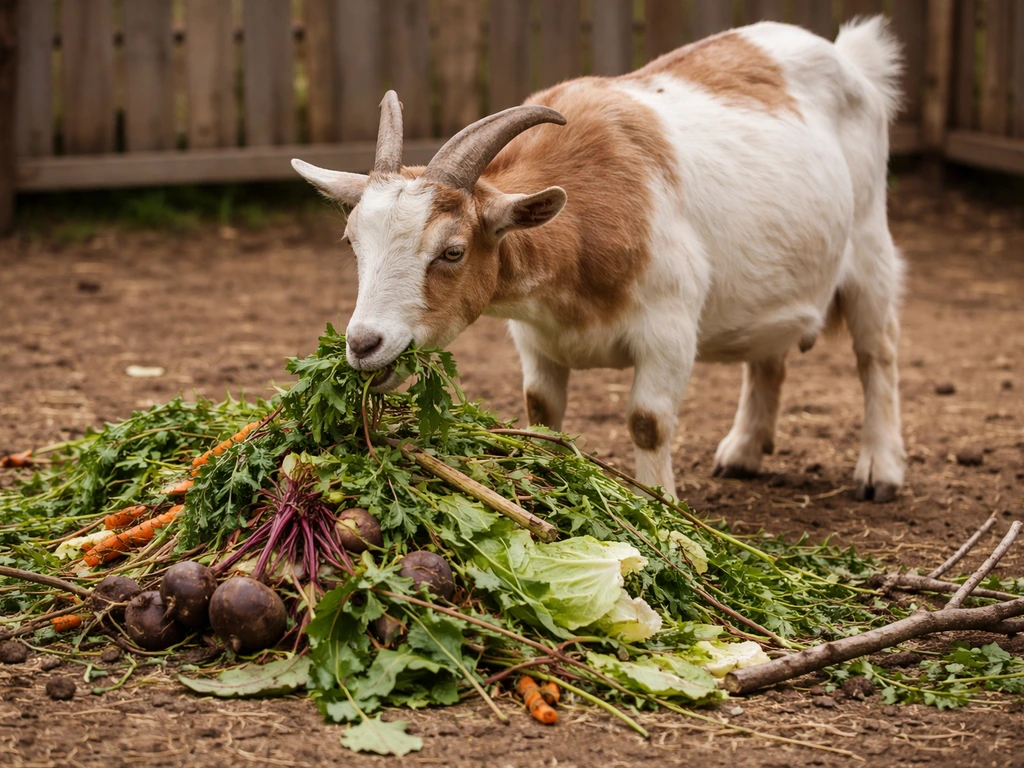
Goats in particular are highly adaptable. Spent vegetable plants, surplus squash, root vegetable tops, and even tree prunings can supplement their diet. This creates a useful loop between your vegetable garden and your dairy animals, nothing goes to waste, and your animals convert garden scraps into milk.
Three realistic pathways to making cheese at home
Where you are right now determines which path makes sense. Don't try to jump to the most complex version on day one. Here are three honest entry points based on available land and resources.
| Your situation | Best starting pathway | What you grow or raise | Realistic first cheese |
|---|---|---|---|
| No land, apartment or small yard | Buy local pasteurized milk, make cheese at home | Nothing yet — focus on the craft first | Fresh chèvre, ricotta, or farmer's cheese |
| Small backyard (under 1/4 acre) | Keep 1–2 dairy goats, supplement with purchased feed | Small pasture patch, garden scraps for feed | Fresh goat cheese, basic soft cheeses |
| 1+ acres of land | Dairy goats or a family cow on home-grown forage and feed | Alfalfa, pasture mix, supplemental grains | Fresh and semi-hard cheeses year-round |
Basic equipment and safe workflow for home cheesemaking
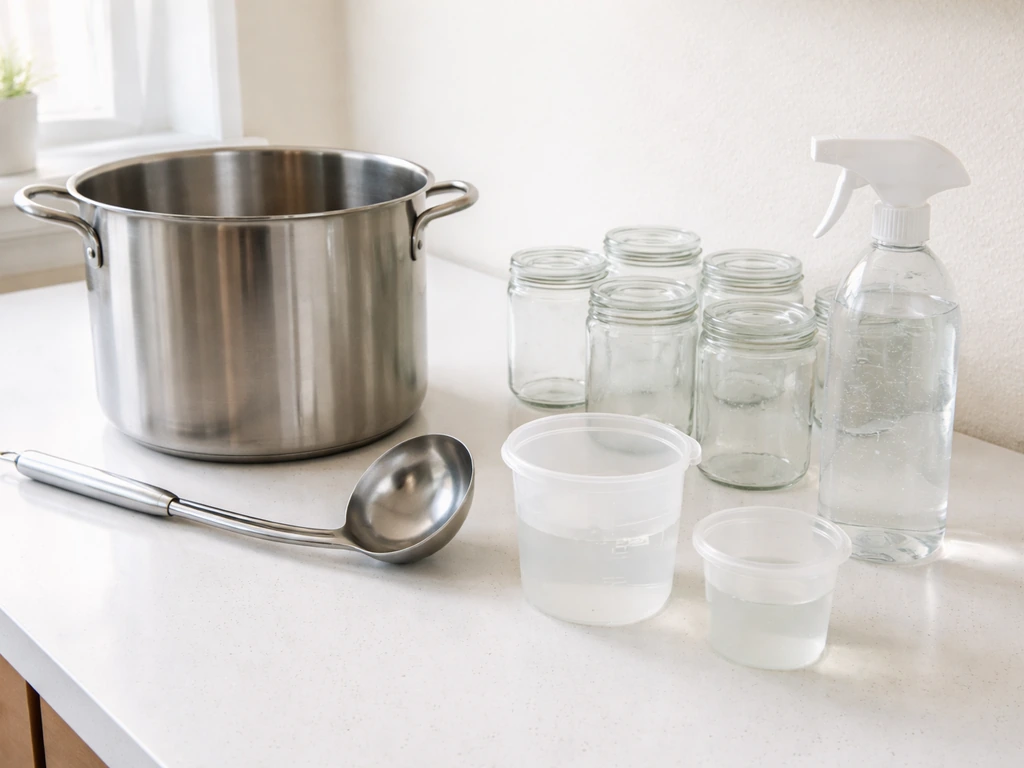
You don't need a lot of specialized gear to start. For a beginner batch using store-bought milk, the essentials are a large stainless steel pot, a long thermometer, a ladle, cheesecloth, a colander, and molds or a simple press for harder cheeses. Cultures and rennet are inexpensive and available online or at homebrew supply stores. Non-iodized salt (iodized salt can inhibit bacterial cultures) is critical, use sea salt or pickling salt.
Sanitation: the step most beginners underestimate
Penn State Extension is direct about this: sanitation is the most important factor in safe home cheesemaking. Their recommended approach involves a chlorine-based sanitizer solution at 100 to 200 ppm concentration, you can verify this with inexpensive test strips from a restaurant supply or homebrew store. Too strong a bleach solution leaves chlorine residue that can contaminate your cheese; too weak and you're not actually sanitizing. Every utensil, pot, mold, and surface that touches your milk or curds needs to be cleaned and then sanitized before use.
Pasteurized milk is the safe choice at home
Raw milk cheesemaking is a real practice, but it carries real risk. Raw-milk cheese made in the US must be aged at least 60 days to help mitigate pathogen risk, according to FDA microbiological surveillance sampling guidance.
The CDC links raw milk and products made from it directly to Listeria contamination, and the FDA strongly supports pasteurization as the primary defense against harmful pathogens in dairy. Penn State Extension specifically does not recommend raw milk for home cheesemaking. If you're raising your own animals, pasteurize the milk at 161°F for at least 15 seconds before cheesemaking. If you're buying milk, buy pasteurized.
U. S. [federal regulation also requires that cheese made from unpasteurized milk be aged for at least 60 days at no less than 35°F](https://www. law.
cornell. edu/cfr/text/21/133. 150), that's a real constraint on the styles you can safely make from raw milk at home.
Cost, space, time, and the honest reality check
Let's talk numbers, because this is where a lot of people's plans get recalibrated.
Starting with purchased milk (lowest barrier)
A gallon of whole milk typically yields about 1 to 1.5 pounds of fresh cheese or roughly half a pound of hard cheese. If you're paying $5 to $6 per gallon for good pasteurized milk, your cost per pound of fresh cheese is competitive with artisan cheese at a farmers market, and you control every ingredient. The equipment investment for a basic home cheesemaking kit runs $40 to $80. This is a reasonable starting point while you build toward raising your own animals.
Raising dairy goats
A Nigerian Dwarf or Nubian dairy goat produces roughly half a gallon to a gallon of milk per day at peak lactation. Two does could theoretically supply a family's cheese needs through a lactation season. But be clear-eyed about the full picture: goats need shelter, fencing, veterinary care, feed supplements, and daily milking. Startup costs for two goats, basic housing, and fencing can easily run $500 to $2,000 depending on what you already have. Ongoing feed costs depend on how much forage you can grow yourself. If you have less than a quarter acre, you'll be buying most of your feed, which directly affects whether goat-sourced milk is actually cheaper than buying from a local dairy.
Time commitment
Making a fresh soft cheese takes 2 to 4 hours, including cleanup. A semi-hard or hard cheese requires more active time on the first day plus weeks or months of monitoring during aging (flipping, brushing, adjusting temperature and humidity). If you're also milking animals, add 20 to 30 minutes twice a day during the lactation season. It's not a casual weekend project at scale, but it's very manageable if you build it into your routine.
Regulations to know before you scale up
Making cheese for personal consumption at home is legal everywhere in the U.S. Selling it is a different story. Cottage food laws vary enormously by state, and most states do not allow the sale of homemade dairy products without a licensed facility, inspections, and permits. If you're producing for your own family, you're generally fine. If you want to sell at a farmers market or to neighbors, research your state's cottage food and dairy laws before you invest in scaling up. The American Cheese Society maintains a Best Practices Guide for Cheesemakers that's worth reading if you're thinking about moving beyond home production.
Your next steps, depending on where you're starting
The cleanest way to think about this: start with the craft, then work backward toward growing your own inputs. If you've never made cheese before, buy a gallon of pasteurized whole milk this week and make a batch of fresh farmer's cheese. That single afternoon will teach you more about the process than any amount of reading. From there, you can decide whether raising an animal or growing more of your own animal feed is worth your land and time.
Topics like how organic milk connects to this system, and how much water and resources go into producing dairy inputs, are worth understanding as you build out your full picture, especially if you're comparing the real cost of home dairy production against buying quality milk locally.
The bottom line: cheese is not a crop, but it is absolutely something you can produce at home. Water use and land intensity are also a big comparison point in food systems, including water to grow almonds vs beef. The growing part happens in your pasture and your feed garden, the cheesemaking happens in your kitchen. Milk can help you grow commercial operations by keeping the entire supply chain controlled from forage to production. Both are achievable, and you can start either one today.
FAQ
Can I start making cheese with just a kitchen setup, or do I need specialized aging equipment right away?
For fresh cheeses, yes. You can make many styles using only a basic milk source, salt, and cultures (for example chèvre or farmer's cheese). For many aged styles, you also need tighter temperature and humidity control during aging, plus consistent milk quality, so you may feel the difference more when you switch milk brands or batches.
How risky is it to substitute cultures, rennet, or salts when I am following a cheesemaking recipe?
No. If a recipe calls for a specific culture type or rennet strength, swapping in a different product often changes acidity speed and curd firmness, which affects yield and texture. Use the culture and rennet specified in your batch plan, and when you change anything, make a small test batch first to confirm timing and curd behavior.
Will milk brand and season change my results enough that I need to adjust the process?
Expect a difference in yield and texture when the milk you buy changes. Variations in fat percentage, homogenization, and seasonal feed can alter curd formation and how much whey drains off. If you are aiming for predictable results, use pasteurized whole milk from the same source for your first 2 to 3 batches.
What is a realistic step-by-step plan for becoming self-sufficient in cheese inputs without overbuilding too early?
If you want self-sufficiency, the best approach is to stage your plan. Start by making cheese with store-bought pasteurized milk while you validate your animal feed growing capacity, then add animals only when you can consistently cover winter forage or have a reliable backup for feed.
What cheese styles are safest and most practical for beginners, especially if I am not raising animals yet?
Begin with soft or fresh cheeses because they have shorter processing and no long aging period. If you later move to hard cheese from raw milk, you must meet stricter safety constraints such as minimum aging time and temperature, and many home cheesemakers avoid raw milk entirely because it increases safety complexity.
How do I avoid the most common sanitation mistakes in home cheesemaking?
Sanitizing is not the same as cleaning. Clean first to remove milk stone and organics, then sanitize right before use. Also, keep an eye on your sanitizer concentration, because test strips can drift with time or temperature, and rinsing decisions matter if your chosen sanitizer leaves residue.
What temperature mistakes most often ruin curds or affect aging results?
Many cheeses fail from temperature control issues, not from the recipe itself. Use a calibrated thermometer, because a few degrees of error can affect curd set and culture activity. During aging, prioritize stable cellar temperature and humidity, and if you have inconsistent conditions, choose a style that tolerates them better.
If I feed goats garden scraps, will that replace purchased hay or grain for reliable cheese production?
You can blend “garden loop” feeds with caution. Vegetable scraps may help as supplements, but they rarely replace forage and balanced minerals for dairy. Keep record of milk output and consider adding minerals (and a consistent ration) so your milk quality and animal health stay stable.
How should I plan batch timing if my milk supply varies over the year?
Two big constraints are lactation timing and daily labor. Milk supply changes throughout lactation, so plan cheese batches around peak weeks, and assume milking plus cheese work is two separate daily routines during production season.
What do I need to verify if I want to sell cheese to neighbors or at a farmers market?
For personal consumption, you are usually fine, but for neighbors or a market, rules can require licensing and facility or inspection standards that do not apply to home use. Before scaling, check your state’s cottage food and dairy product requirements and clarify whether cheese is regulated as dairy, acidified food, or something else.
How can I tell whether goat milk is actually cheaper than buying local pasteurized milk?
A common decision aid is to compare cost per pound of cheese from your own milk after accounting for feed purchases, bedding, veterinary care, and equipment. If you have limited forage land, the “homegrown” cost advantage can disappear quickly because most of the ongoing cost becomes purchased feed.
What practical bottleneck should I check first before I invest in making aged cheese at home?
For fresh cheeses, the return on effort is quick. For aged cheeses, the bottleneck is not making the curd, it is monitoring during aging. Before committing, consider whether you have a reliable fridge or aging space you can keep at target temperature and humidity for weeks or months.
Next Article
Water to Grow Almonds vs Beef: A Practical Guide
Compare water use for almonds vs beef with climate, irrigation, feed, and a homestead decision framework plus reduction