We can grow some tissues in a lab right now, but we cannot yet grow a fully functional, transplant-ready whole organ. Skin patches, cartilage constructs, bladder-like structures, and thin layers of heart muscle have all been demonstrated in research and, in some cases, used clinically. But a complete kidney, liver, heart, or lung that you could implant and expect to work the way a donated organ works? That does not exist yet, as of 2026. The gap between what headlines say and what the science actually delivers is significant, and understanding that gap is the most useful thing you can take away from this article.
Can We Grow Organs in a Lab? What’s Possible Now

Marcus Hendrick
3 Jun 2026
What "grow organs in a lab" actually means
The phrase gets used loosely, so it helps to draw a clear line between two very different things: tissues and whole organs. A tissue is a relatively uniform collection of cells that does one job, like skin covering a wound or cartilage cushioning a joint. An organ is a complex, three-dimensional structure made of multiple tissue types, threaded through with blood vessels, nerves, and a coordinated architecture that took years to develop inside a body. Growing a thin sheet of skin cells in a dish is tissue engineering. Growing a functioning kidney with its roughly one million nephrons, its intricate filtration loops, and its precise hormonal signaling is an entirely different challenge.
The FDA uses the umbrella term "regenerative medicine" to cover approaches that restore, replace, or recreate cells, tissues, or organs. Within that, it regulates cell therapies and therapeutic tissue engineering products. Notably, the FDA does not regulate the transplantation of vascularized human organs like kidneys, livers, hearts, lungs, or pancreases under the same framework, because those whole-organ transplants exist in a separate legal and biological category. That distinction tells you something important: even regulators draw a hard line between lab-grown tissue constructs and the fully functional transplantable whole organs we are still working toward.
What can actually be grown right now, and what can't
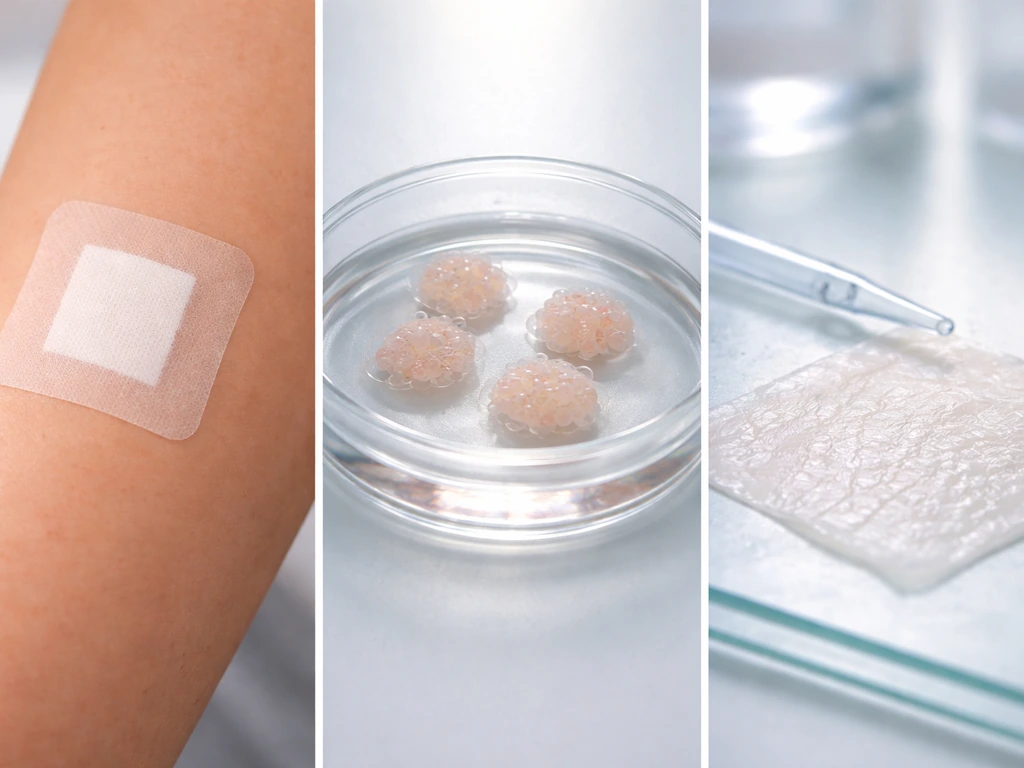
Here is an honest inventory of where the science stands in 2026. Some of this is in clinical use. Some is promising research. Some is still mostly hype.
| What's being grown | Current status | Closest to clinical use? |
|---|---|---|
| Skin grafts | Commercially available; used in burn treatment and wound care | Yes, in clinical use |
| Cartilage constructs | Used experimentally for joint repair; some clinical applications | Partially, in limited settings |
| Bladder-like structures | Demonstrated in small human trials over a decade ago | Limited clinical history |
| Corneas (thin eye tissue) | Lab-grown corneal tissue in trials; some successful transplants | Early clinical use |
| Heart muscle patches | Grown in labs, tested in animal models and early human trials | Experimental only |
| Lab-grown tracheas | Early human attempts; mixed outcomes, significant setbacks reported | Experimental, cautious |
| Kidney organoids | Miniature kidney-like structures grown in dishes; useful for research | Not for transplant |
| Liver organoids | Similar to kidney; useful for drug testing, not functional transplant tissue | Not for transplant |
| Complete heart, kidney, liver, lung | Not yet achieved; no transplant-ready whole organ grown in a lab | No |
Organoids are worth a special mention because they come up constantly in news coverage. These are tiny, self-organizing clusters of cells that mimic the structure of an organ, but they are typically a few millimeters across at most, lack a real blood supply, and cannot sustain themselves outside a controlled environment. They are genuinely useful for studying disease and testing drugs, but they are not transplant-ready organs. The gap between a kidney organoid and a functional kidney you could put in a person is enormous.
How lab-grown tissues are actually made
The process of building tissue in a lab involves three core components working together: the cells themselves, a structural scaffold for them to grow on, and a bioreactor environment that keeps them alive and guides their development. Think of it like growing a plant: you need the right seed (cells), the right growing medium (scaffold), and the right environmental conditions (bioreactor). Get any one of those wrong and the whole thing fails.
Cell sources: where the starting material comes from
The cells used to seed a lab-grown tissue have to come from somewhere, and that choice has major consequences for whether the resulting tissue will be rejected by the recipient's immune system. The main sources researchers use are autologous cells (taken from the patient themselves, which minimizes rejection risk but takes time and requires the patient to be in good enough condition to donate), allogeneic cells (from a donor, faster but with higher rejection risk), and stem cells (including embryonic stem cells and induced pluripotent stem cells, or iPSCs, which can be reprogrammed from a patient's own skin or blood cells to become many other cell types). iPSCs are particularly exciting because they offer a path to patient-specific tissues without the ethical controversies attached to embryonic sources.
Scaffolds: giving cells a shape to grow into
Cells don't naturally organize themselves into complex three-dimensional structures without guidance. Scaffolds provide that structure, essentially acting as a temporary skeleton that cells can attach to, grow into, and eventually replace with their own extracellular matrix. Scaffolds can be made from synthetic polymers, natural biological materials like collagen or fibrin, or decellularized tissue (organs or tissue from a donor or animal that have had all their cells stripped away, leaving only the protein scaffold behind). Decellularization is particularly promising because the resulting scaffold retains the native architecture of the original organ, including the intricate channels that would eventually support blood vessels.
Bioreactors: creating the right growing environment
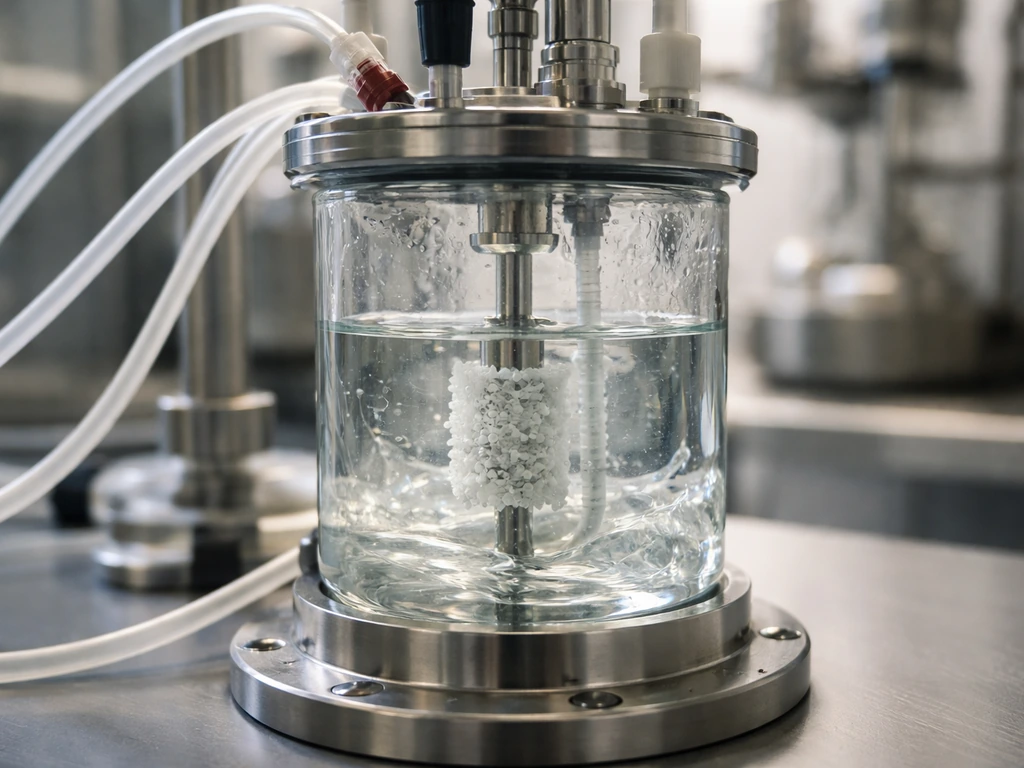
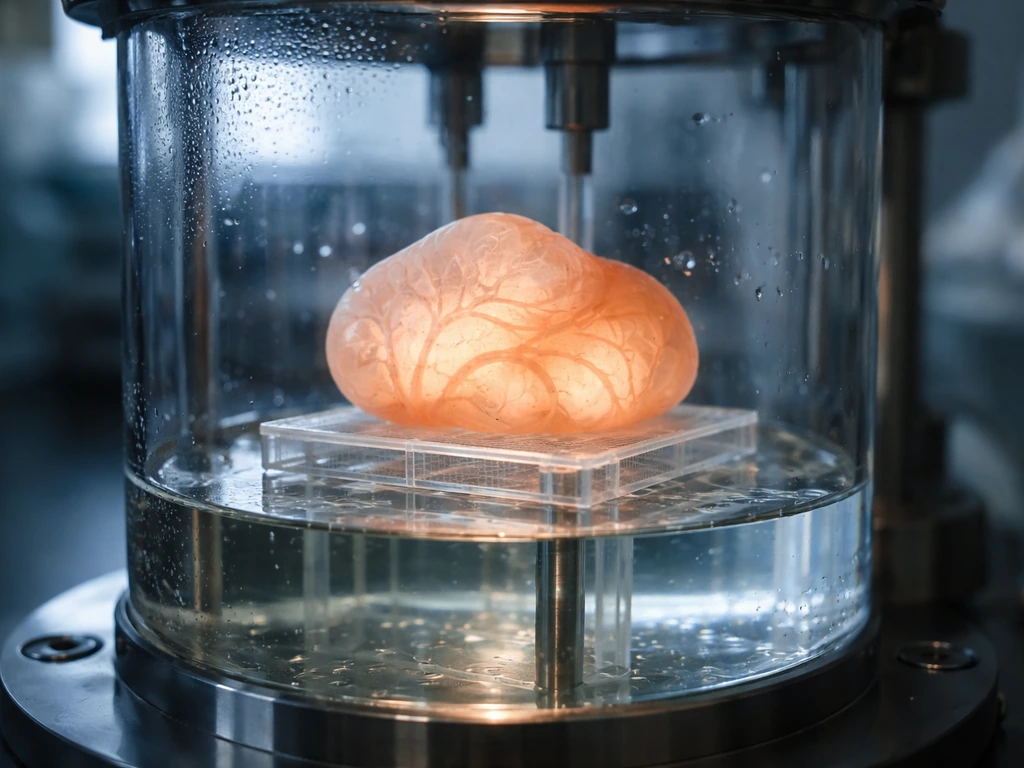
Once cells are seeded onto a scaffold, they need very specific conditions to survive and mature: the right temperature, oxygen levels, nutrients, pH, and mechanical signals (since tissues like heart muscle and cartilage develop partly in response to physical forces). Bioreactors are specialized chambers designed to provide all of this. Some rotate the tissue construct to prevent cells from starving at the center. Others apply rhythmic stretching to encourage muscle cells to mature. The more complex the target tissue, the harder it is to get all these variables right simultaneously.
The hard problems that are still unsolved
Understanding why we can't yet grow a transplant-ready kidney or heart comes down to a few specific technical walls that researchers have been working on for years. None of them are simple.
Vascularization: getting oxygen to every cell
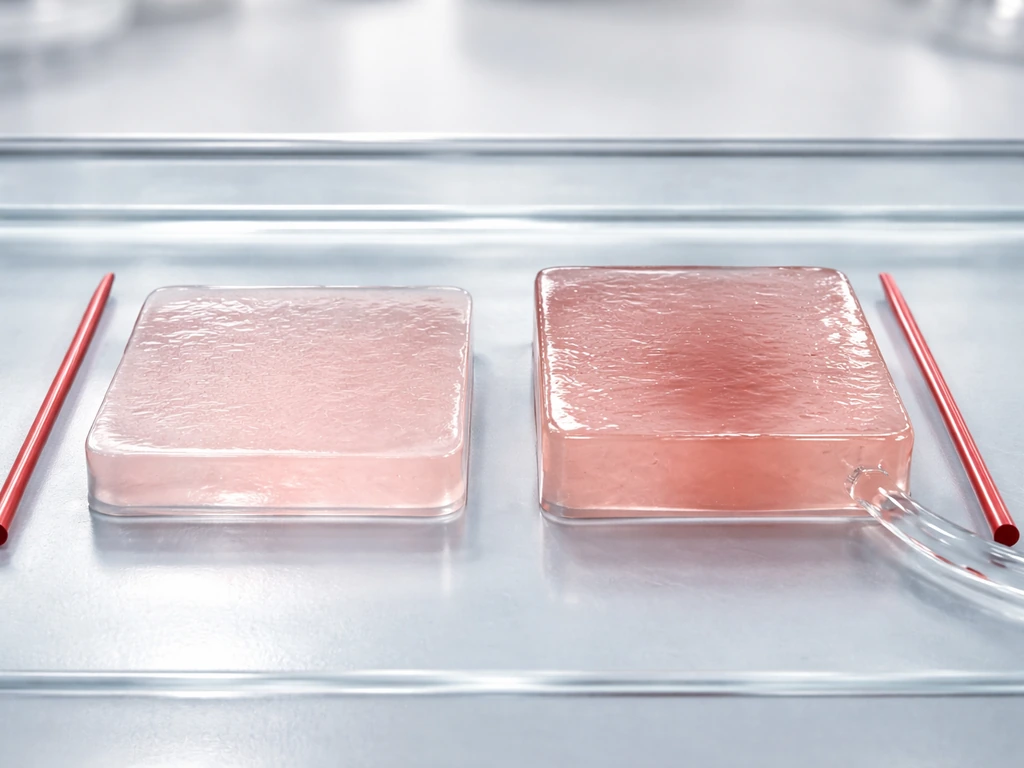
This is the single biggest bottleneck in the field. In the body, no cell is more than about 100 to 200 micrometers from a blood vessel. When you grow tissue in a lab beyond a thin layer, cells in the interior don't get enough oxygen and nutrients, and they die. Building a complete vascular network, complete with capillaries as small as 5 to 10 micrometers in diameter, throughout a centimeter-thick or larger tissue construct is extraordinarily difficult. Researchers are working on 3D bioprinting to create vascular channels, on using decellularized scaffolds that already have vessel architecture, and on coaxing cells to self-assemble into vessel-like structures. Progress is real, but vascularizing a full-scale organ remains unsolved.
Immune rejection
Even if you grow a structurally perfect organ in a lab, the recipient's immune system may attack it. Unless the cells used to make the tissue came from the patient themselves, the immune system will likely recognize the tissue as foreign. This is the same challenge faced by conventional transplant medicine, and it explains why transplant patients take immunosuppressant drugs for the rest of their lives. iPSC technology offers a potential workaround by creating patient-specific cells, but scaling that process to produce the hundreds of millions of cells needed for a full organ is still a major manufacturing challenge.
Maturation and function
Growing cells is one thing. Getting them to behave like the cells in a mature, functional organ is another. A heart muscle cell grown in a lab tends to beat weakly and irregularly compared to a native cardiomyocyte. Liver cells grown outside the body lose their specialized functions within days. Getting lab-grown cells to reach the full functional maturity of their native counterparts, and to maintain that maturity over time, requires signals and environments that we don't yet know how to fully replicate. The body spent nine months and many years of development getting your organs to work the way they do. Recreating that in a bioreactor is genuinely hard.
Scale and complexity
The human kidney contains roughly one million nephrons, each a tiny filtration unit with its own precise architecture. The liver has hundreds of billions of cells organized in repeating functional units. Even if we solve vascularization and immune rejection, reproducing this level of structural complexity at full organ scale is a manufacturing and biological challenge unlike anything we have achieved before. Thin tissues and small constructs are tractable. Full organs are not, yet.
What's actually being used in clinics today
Despite the distance from whole organs, lab-grown tissue technology has real clinical applications right now. Engineered skin products are the clearest success story: products derived from cultured human skin cells are used routinely in burn units and for treating chronic wounds, diabetic foot ulcers, and other conditions where the body can't regenerate skin on its own. Lab-grown cartilage is used in some joint repair procedures. Corneal tissue grown from limbal stem cells has been used to restore sight in patients with corneal damage. These are meaningful, life-improving applications even if they are a long way from growing a liver.
The FDA's framework for regenerative medicine covers these therapeutic tissue engineering products, regulating them for safety and efficacy in the same way it regulates drugs and devices. Products have to go through clinical trials, demonstrate that they work, and prove they don't cause harm. That regulatory pipeline is long, often 10 to 15 years from early research to approval, which is part of why even promising lab-grown tissue work takes a long time to reach patients.
Whole organ transplantation, by contrast, sits in a different regulatory world. The FDA explicitly does not regulate the transplantation of vascularized human organs like kidneys, livers, or hearts. The FDA explains in its tissue and tissue product Q&A that it does not regulate the transplantation of vascularized human organ transplants such as kidney, liver, heart, lung, or pancreas [does not regulate the transplantation of vascularized human organs like kidneys, livers, or hearts](https://www. fda.
gov/vaccines-blood-biologics/tissue-tissue-products/tissue-and-tissue-product-questions-and-answers). That domain is governed by UNOS (the United Network for Organ Sharing) and similar bodies. The reason matters: a fully lab-grown whole organ would eventually need a clear regulatory home, and figuring out how to evaluate and approve something that has never existed before is itself a challenge the system is still working through.
Practical next steps for someone who isn't a lab scientist
If you've landed here because you or someone you know needs an organ, the honest answer is that lab-grown whole organs are not an option available to you today. The transplant waiting list, living donation programs, and conversations with your medical team are the realistic paths forward right now. But if you're here out of curiosity, or because you're thinking about the future of medicine, food systems, and self-sufficiency, there are genuinely useful things you can do.
What you can realistically do
- Register as an organ donor. It's the most direct, immediately impactful thing anyone can do. Over 100,000 people in the US are on transplant waiting lists at any given time.
- Follow reputable sources for research updates: the journal Nature Biomedical Engineering, the journal Biomaterials, and university research lab announcements from places like the Wake Forest Institute for Regenerative Medicine or the MIT Media Lab's biotech programs give you a realistic, non-hyped picture of progress.
- Support policy and funding advocacy. Organizations like the American Society for Transplantation advocate for research funding and policy that accelerates the field.
- Consider community college or online courses in cell biology or biotechnology if you want a real foundation. edX and Coursera both carry accredited university courses that will give you a working understanding of the science without needing a lab.
- If you're genuinely interested in the intersection of biology and self-sufficiency, look into fermentation biology, mycology, and food biotechnology. These are areas where hands-on, home-scale experimentation is both legal and accessible, and they share conceptual DNA with tissue engineering (cell culture, sterile technique, controlled environments).
What you should not expect or attempt
There is no DIY path to growing transplant-ready organs. The equipment required (biosafety cabinets, CO2 incubators, specialized culture media, sterile technique, and cell sourcing) is far beyond anything achievable at home, and attempting to work with human cells outside a licensed facility is both illegal and dangerous. This is not like growing vegetables or even like home fermentation. The regulatory and ethical barriers exist for very good reasons: contaminated or improperly cultured tissue can kill a recipient. Anyone selling home organ-growing kits or claiming you can do this yourself is not being honest with you.
Where self-sufficiency thinking genuinely connects
The interest in growing your own food and the interest in lab-grown meat or tissues actually share a common thread: reducing dependence on fragile supply chains and industrial systems. If that's what drives your curiosity here, the most practical near-term territory is food production. Growing your own vegetables, understanding soil biology, and exploring fermentation and food preservation build real skills and real resilience.
The broader question of growing meat in a lab or even growing broiler chickens more efficiently at home is related territory that intersects with the same regenerative biology ideas, just at a more accessible scale. Lab-grown meat uses cell culture, scaffolds, and bioreactor-like growing environments, so many of the same science questions apply growing meat in a lab.
Lab-grown meat, for example, uses many of the same foundational techniques as tissue engineering: cell culture, scaffolding, and bioreactor environments. If you are specifically looking for indigenous chicken growth tips in a downloadable guide format, you may want to search for a PDF focused on that topic indigenous chickens grow fast PDF. Lab-grown meat, for example, uses many of the same foundational techniques as tissue engineering: cell culture, scaffolding, and bioreactor environments.
Some of the most promising consumer-facing applications of this science are in food, not medicine, and that's a space where public engagement and even small-scale experimentation is becoming more realistic over time. Watching how that field develops is a useful proxy for understanding how the medicine side will progress.
The ethical dimension is real and worth understanding
Lab-grown organ research raises genuine ethical questions: Who has access to these technologies when they arrive? How do we source cells ethically? What happens to organoids with brain-like properties? These aren't abstract philosophy questions; they shape what gets funded, what gets approved, and who benefits. Staying informed and engaged with those debates through bioethics publications, policy comment periods, and civic participation is something any thoughtful person can do regardless of their scientific background. The decisions being made right now about how to regulate and resource this field will determine whether lab-grown organs become a tool for broad human benefit or a luxury available only to a few.
FAQ
Can we grow organs in a lab for transplant yet?
Not in the way people usually mean it. Even for tissues that can be made, transplant-ready whole organs require integrated blood vessel networks, long-term functional maturity, and immune compatibility. What exists today is mainly for limited tissues or small constructs, not implantable kidneys, livers, hearts, or lungs that behave like donated organs.
What makes a lab-grown “organ” different from a lab-grown “tissue” in practice?
An organ transplant needs consistent performance over time, not just a living piece of tissue. Whole-organ success requires reliable pumping or filtration, stable signaling (for example, hormone and metabolic control), and sustained function after implantation, which current lab-grown constructs do not yet demonstrate.
Where do scientists get the cells to grow lab tissues, and why does it matter?
Most research uses cells from the patient, a donor, or stem cell sources. Patient-derived approaches reduce rejection risk but add time and manufacturing complexity, while donor or stem-derived approaches may be faster but can increase immune challenges and require careful matching or immune management.
Why does lab-grown tissue fail when it gets thicker or bigger?
Even with the right scaffold and nutrients, cells deeper than a thin layer struggle because oxygen and nutrient diffusion is limited. That is why researchers focus on vascularization strategies such as microchannel designs, vessel-forming scaffolds, and controlled self-assembly, none of which has yet solved full organ-scale blood supply.
If researchers build something organ-like, why might it still be rejected?
Immune rejection is not just a one-time event. After implantation, immune recognition can trigger inflammation that progressively damages function. That is why many transplant recipients require lifelong immunosuppression, and why patient-specific cell sources like iPSC-derived cells are an active research route.
What’s the hardest part besides growing cells, making the organ correctly organized?
Organs are not only the right “parts,” they are the right arrangement. A heart, liver, or kidney requires highly organized micro-architecture and cell-to-cell coordination. Reaching that level of structure at full scale is a manufacturing challenge and a biology challenge at the same time.
Do results in small lab experiments automatically scale to whole organs?
Current work often succeeds in small or thin formats because you can better control oxygen, nutrient delivery, and maturation conditions. Scaling up changes the physics and the biology together, so results that look promising in a dish do not reliably translate to centimeter-scale organ constructs.
Can I try to grow organs at home, or buy a kit?
No. There is no legitimate at-home method to grow transplant-ready human organs. Attempting cell culture outside proper biosafety controls is unsafe, and selling home “organ growing kits” is a major red flag because contaminated or poorly prepared tissue can cause serious harm.
If I need an organ, what should I do instead of waiting for lab-grown organs?
If you are waiting for a transplant, lab-grown organs are not a practical alternative today. The realistic options are discussion with your transplant team about living donation, waitlist strategies, bridging therapies, and whether any clinical trials for engineered tissues apply to your condition.
Are organoids the same thing as lab-grown organs?
Not yet. Organoids are valuable tools for studying disease and screening drugs, but most are small, lack a true blood supply, and cannot replicate the long-term systemic integration of a whole organ inside a body.
Does progress in lab-grown meat or food tissue automatically mean organ transplants will arrive soon?
Food applications using cell culture and bioreactor-like systems are likely to progress faster than transplant medicine because they can be evaluated with different safety, regulatory, and performance endpoints. Watching that pipeline can give useful intuition, but it is not a guarantee that organ transplant science will follow the same timeline.
Who benefits first from lab-grown tissue technology, and who might be left out?
A key practical question is who gets access. Cost, manufacturing capacity, regulatory approval timelines, and cell sourcing approaches can determine whether therapies help broadly or primarily benefit specialized populations, and these issues shape policy decisions now.
Next Article
How to Grow Broiler Chickens PDF: Day 0 to Harvest Plan
Day 0 to harvest step-by-step broiler chicken plan with brooder setup, feeding stages, temps, health, and PDF checklists