Indigenous chickens grow slower than commercial broilers by design, but you can realistically get them to market weight in 12 to 16 weeks instead of 20-plus weeks by fixing the four things that actually hold them back: poor feed quality, heat stress and bad housing, disease and parasites, and inconsistent management. This guide walks you through all of it in practical steps you can start today, and it's written so you can save or print it as a working reference.
How to Make Indigenous Chickens Grow Fast PDF Guide
Marcus Hendrick
2 May 2026
Understanding indigenous chicken growth limits
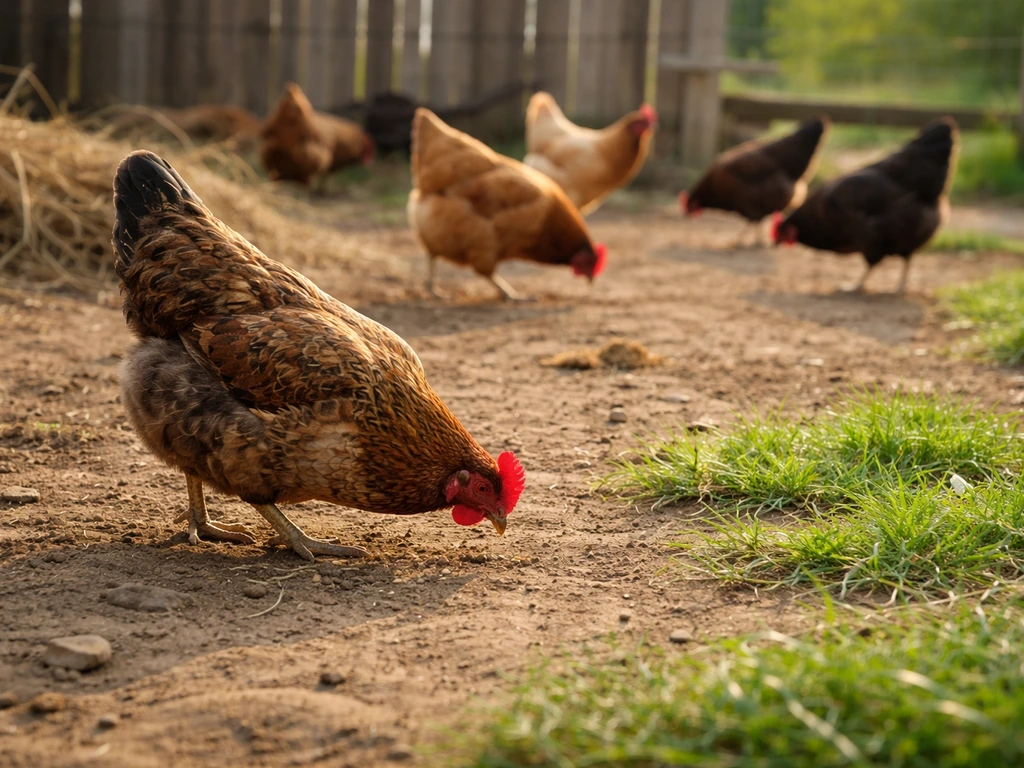
Indigenous or village chickens (Kampung, KUB, African ecotypes, native breeds) are genetically different from commercial broilers. A commercial broiler hits roughly 2.9 kg at 42 days. A well-managed indigenous bird might reach 1.0 to 1.5 kg at 12 weeks and 1.5 to 2.0 kg by 16 weeks. That's the honest baseline. Research tracking Thai native chickens, for example, reports average daily gains that are genuinely modest compared to fast-growing hybrids, and genome-wide studies confirm that indigenous ecotypes carry genetic variability that favors immune and disease resilience over raw growth speed. That trade-off is actually an asset for backyard and homestead systems, but it means you're working with a different growth ceiling.
The four main growth limiters in indigenous chickens are feed energy and protein (the most controllable), heat stress (high ambient temperatures suppress feed intake directly and reduce daily gain), disease and parasite load (worms and coccidiosis quietly rob nutrients before they ever reach muscle), and stress from poor housing. Fix those four things and you're already ahead of most backyard flocks. The genetics will handle the rest within their natural range.
One important note on realistic expectations: kampong-type birds reach their optimum growth rate somewhere between 42 and 45 days, with body measures continuing to increase through 63 days. That means early management decisions, especially nutrition and brooding, have an outsized effect on the final outcome. What you do in weeks one through four shapes the rest of the grow-out.
Best feed strategy for fast growth (starter to grower phases)
Feed is where most backyard growers can make the biggest immediate improvement. Indigenous chickens still respond to metabolizable energy (ME) and crude protein (CP) levels, just like commercial birds, though their requirements are somewhat lower. The practical targets that produce good results in Kampung-type birds are around 18% crude protein and 2,850 kcal ME per kg of feed. That's your benchmark when mixing rations or evaluating commercial bags.
Phase-by-phase protein and energy targets
| Phase | Age Range | Crude Protein Target | ME Target (kcal/kg) | Key Goal |
|---|---|---|---|---|
| Starter | 0 to 4 weeks | 20 to 22% | 2,900 to 3,000 | Maximize early frame and organ development |
| Grower | 4 to 10 weeks | 18 to 20% | 2,850 to 2,950 | Sustain muscle gain, convert feed efficiently |
| Finisher | 10 to 16 weeks | 16 to 18% | 2,800 to 2,900 | Finish weight, minimize feed cost per kg |
Research on kampung super crossbreeds confirms that how long you run the high-protein starter phase matters, but going beyond 8 weeks on starter doesn't significantly boost performance. Keep your starter phase tight (weeks 0 to 4), transition to grower, and switch to finisher around week 10. That phase structure gives you the biggest growth response per feed dollar.
Practical ration mixing with locally available ingredients
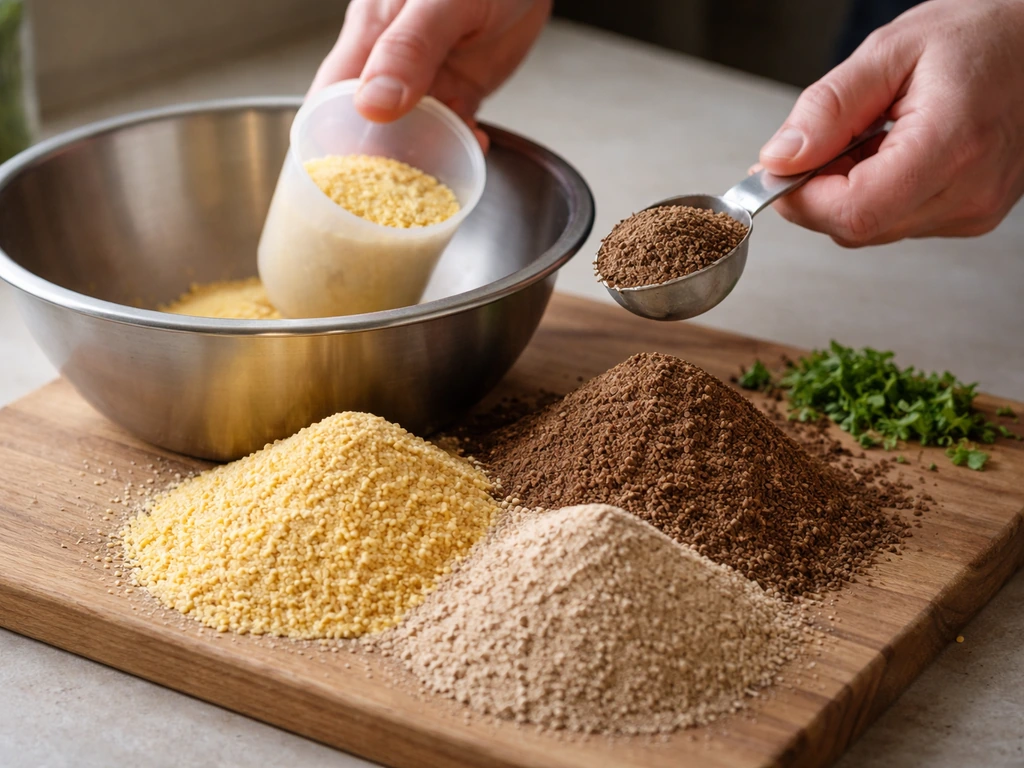
If you can't buy commercial feed, you can build a starter ration from local ingredients. A basic mix for the starter phase might be: 40% maize (corn), 25% soybean meal, 15% fish meal or dried insects, 10% wheat bran or millet, 5% limestone or crushed oyster shell, and 5% premix (vitamins and minerals). Fish meal and insects push protein up fast and cheaply. For the grower phase, drop fish meal to around 8 to 10% and increase maize to 45 to 50%. The goal is always to hit that protein and energy window without spending more than necessary. Weigh and mix in small batches at first until you know how your birds respond.
Heat stress is worth flagging here specifically because it directly kills feed intake. When ambient temperatures stay high, birds eat less, and slower intake means slower growth. If your climate is hot, feed birds in the cooler early morning and late evening hours, provide shade, and consider slightly increasing feed energy density (more fat or oil, about 1 to 2% added vegetable oil) so birds get more calories per gram consumed. This is the same principle used in managing heat stress in Kampung and broiler systems.
Housing, heat, and brooding conditions that drive growth
Brooding is the phase where most people lose ground they never recover. Get the first four weeks wrong and you're fighting an uphill battle for the rest of the grow-out. The target brooder temperature is 90 to 95°F (32 to 35°C) at chick level in week one. Drop it by about 5°F each week until you reach ambient temperature around week four to five. Use a thermometer, not guesswork. Chick behavior tells you a lot too: if they huddle under the heat source, they're cold; if they press to the edges and pant, they're too hot; if they move freely and spread out evenly, you've got it right.
After brooding, housing design matters a lot for growth rate. The key variables are stocking density, ventilation, and protection. Research on native chickens found performance starts to drop at densities above roughly 6 to 8 birds per square meter. For backyard grow-out, aim for no more than 4 to 6 birds per square meter in an enclosed house, and less if birds have outdoor access. Crowding causes stress, increases disease transmission, and competes for feed and water access. It's a silent growth killer.
Ventilation is just as important as temperature. The house needs airflow to remove ammonia, moisture, and pathogen load without creating cold drafts at bird level. In warm climates, open-sided housing with wire mesh walls works well. In cooler or wet climates, use adjustable ventilation panels. Keep litter dry: wet litter is one of the fastest paths to coccidiosis and respiratory disease. Use rice husks, wood shavings, or dry straw, and replace or stir it regularly. Free-ranging or scavenging birds also need protection from predators, especially at night, because stress from predator pressure and interrupted sleep genuinely reduces growth.
Disease prevention and parasite control
You won't get fast growth from sick birds. Period. The three most impactful disease threats for backyard indigenous chickens are coccidiosis, internal parasites (worms), and respiratory disease. Controlling all three is mostly about management, not expensive drugs.
Coccidiosis
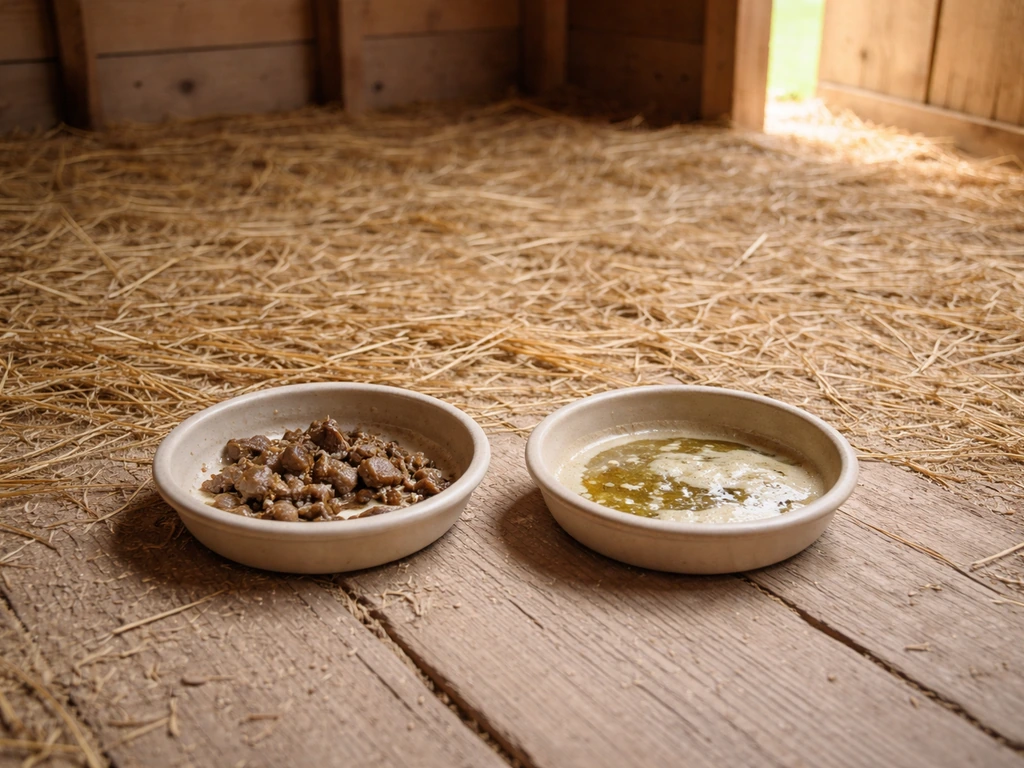
Coccidiosis is a gut protozoal disease that devastates young chicks, typically between two and six weeks old. It causes bloody or watery diarrhea, weight loss, and death in bad outbreaks. The main control lever is litter management: keeping litter dry stops oocysts from sporulating and becoming infective. This is more powerful than any medication. In practical terms: maintain dry bedding, don't overcrowd, and ensure good drainage under the brooder. If you see an outbreak, amprolium (a widely available coccidiostat) in drinking water is a reliable treatment. For prevention in systems where coccidiosis pressure is high, some growers use a low-level coccidiostat in starter feed. Good brooding practices (space, sanitation, dry litter) reduce risk substantially without any medication.
Internal parasites (worms)
Free-ranging and scavenging indigenous chickens are almost always heavily parasitized. Merck's veterinary guidance is direct on this: parasitized birds show reduced weight gain and production, and control measures genuinely improve outcomes. The two approaches are routine scheduled deworming versus deworming only when worm burden is confirmed to be high. For most backyard operations without fecal testing equipment, a practical schedule is to deworm at 8 weeks and again at 12 to 14 weeks during a grow-out cycle.
Effective drugs include fenbendazole, levamisole, and ivermectin. If you have access to a veterinarian or extension service and can do a fecal flotation test, use that to guide timing and confirm the species present. Rotate drug classes if you deworm regularly to reduce resistance buildup.
Respiratory disease and other infections
Respiratory disease in indigenous chickens is usually triggered or worsened by stress, ammonia buildup, drafts, or contact with wild birds. Prevention is straightforward: maintain ventilation, avoid overcrowding, keep the house clean, and quarantine any new birds for at least two weeks before mixing them with your flock. Where Newcastle disease vaccination is available and accessible, use it. Fowlpox is another common issue in indigenous chickens, appearing as crusty nodular lesions on unfeathered skin (dry form) or lesions in the mouth and throat (wet form). Fowlpox vaccination exists and is worth using if the disease is common in your area. Check with your local extension or veterinary office for which vaccines are available and the recommended schedule for your region.
Water, grit, and supplements that support efficient weight gain
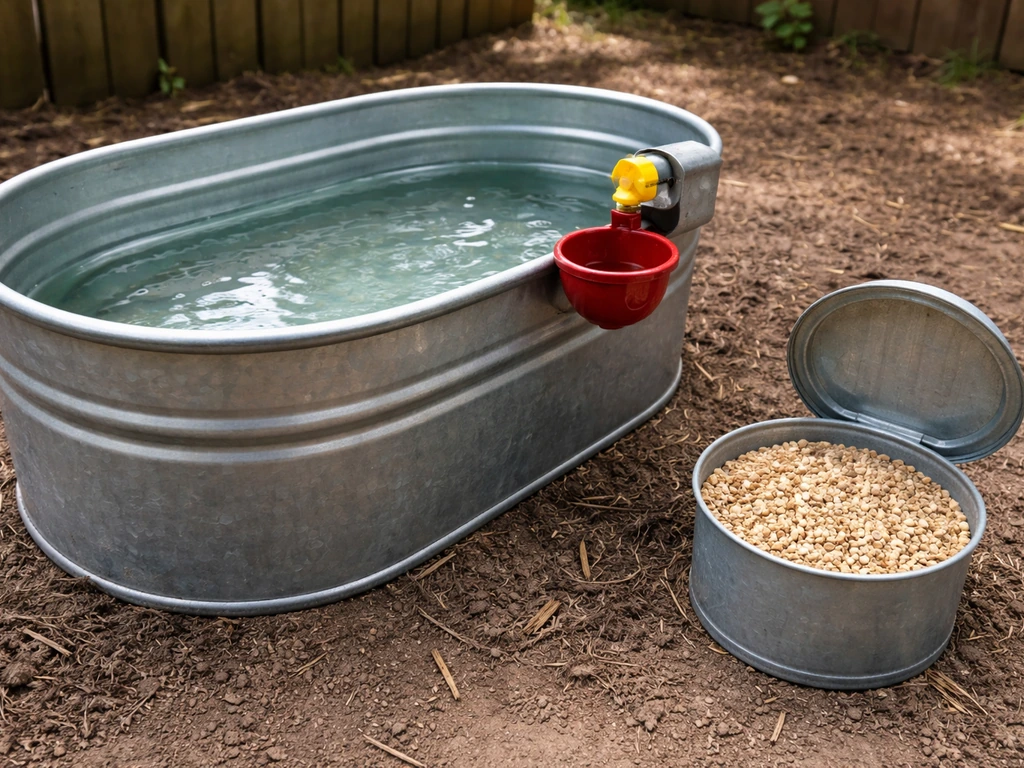
Clean water is the single most underrated input in backyard poultry. Birds that drink contaminated water or run out of water mid-day eat less, grow slower, and get sick more often. Provide fresh, clean water at all times. In hot weather, refill drinkers more frequently to keep water cool. A rough guide is 1 liter of water per day per 4 to 5 birds, but that number goes up fast in heat. Rinse and scrub drinkers every two to three days minimum to prevent biofilm and algae buildup.
Grit is essential for birds that don't have access to sandy soil. Without insoluble grit in the gizzard, birds can't grind grain properly, and feed conversion drops. Offer coarse river sand or commercial chick grit in a small separate container from about week two onward. You don't need a lot, just make it available free-choice. Birds will self-regulate.
On supplements: the most practical additions for growth support are a vitamin and electrolyte mix in the water during the first week of brooding and during any stress event (moving, deworming, disease recovery), and a vitamin A, D, and E supplement when birds are on low-quality scavenged diets. Probiotics or fermented feed can improve gut health and feed conversion, and they're easy to make at home by fermenting grain in water for 24 to 48 hours. That's something worth trying, especially if you're mixing your own rations. Beyond those basics, don't spend money on expensive supplements before you've nailed feed quality, clean water, and disease control.
Practical feeding schedule, weight tracking, and performance targets
Daily feeding schedule
- Week 0 to 4 (starter phase): Feed ad libitum (always available) using starter ration at 20 to 22% CP. Chicks eat small amounts frequently. Keep feeders full and clean.
- Week 4 to 10 (grower phase): Transition to grower ration over two to three days by mixing. Feed two to three times daily. Quantity guide: roughly 40 to 60 grams per bird per day, adjusting based on whether feeders are empty between meals.
- Week 10 to 16 (finisher phase): Switch to finisher ration. Feed twice daily, morning and late afternoon. Target 70 to 90 grams per bird per day depending on size. Watch for wasted feed and adjust feeder height so birds can eat without spillage.
- Hot weather adjustment: Move primary feeding to early morning (before 8am) and evening (after 5pm) to capture peak appetite periods when temperatures are lower.
Realistic weight targets for indigenous chickens
| Age | Expected Live Weight (well-managed) | Average Daily Gain | Notes |
|---|---|---|---|
| 4 weeks | 200 to 350 g | 7 to 12 g/day | Heavily influenced by brooding quality |
| 8 weeks | 500 to 750 g | 10 to 15 g/day | Grower phase gains, protein quality matters most here |
| 12 weeks | 900 to 1,300 g | 12 to 18 g/day | Growth rate peaks around this phase |
| 16 weeks | 1,400 to 2,000 g | 10 to 15 g/day | Approaching market weight for most indigenous breeds |
These are realistic targets for well-managed birds with good feed, not the commercial broiler numbers you'll see in industry charts. A commercial broiler at 42 days might be close to 2.9 kg. Your indigenous bird at that same age is likely 500 to 700 g at best. Don't use broiler benchmarks to judge indigenous chicken performance or you'll always feel like you're failing.
How to weigh birds and track growth
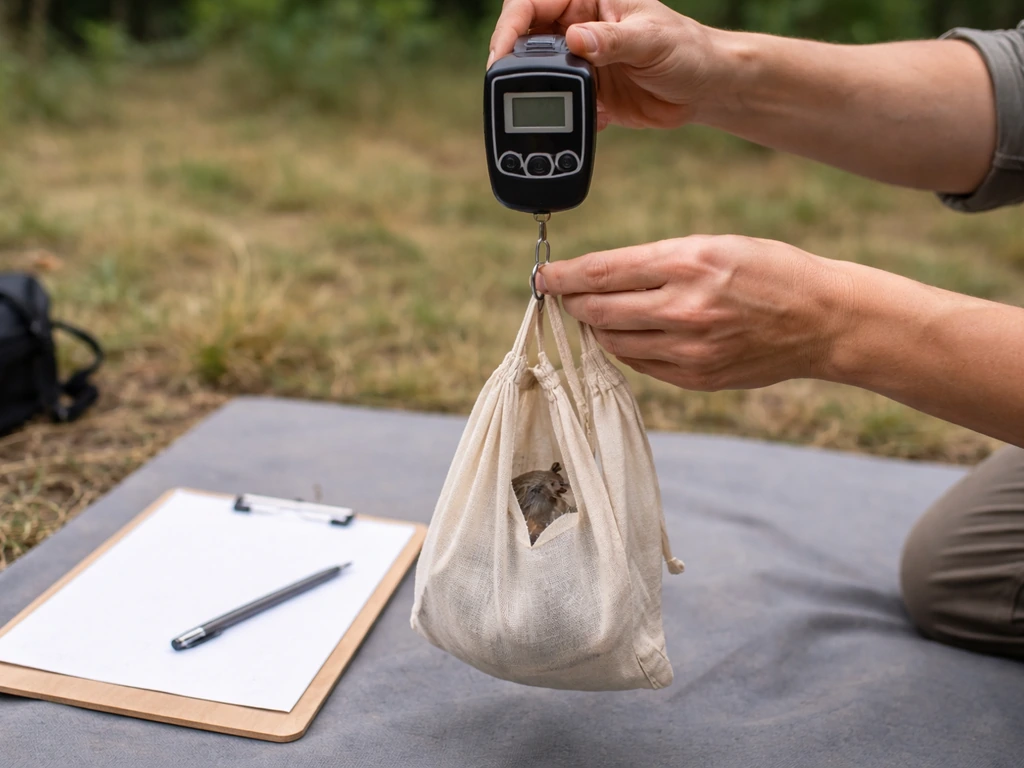
Weigh a random sample of 5 to 10 birds every two weeks using a kitchen scale or hanging scale with a fabric bag or bucket. Record the weights and calculate an average. If your average is falling more than 15% below the targets above, something is wrong and you need to troubleshoot. Common culprits when growth stalls: feed quality has dropped (check your ingredients, especially protein sources), water access is being missed by some birds, parasite load has increased (check for pale combs, watery droppings, poor condition), stocking density has crept up, or a low-grade respiratory infection is circulating.
Troubleshooting a growth stall
- Flat or declining weight at weeks 4 to 8: Usually a feed protein or energy problem, or coccidiosis. Check stool for blood or watery droppings. Review your ration protein content.
- Good early growth then a plateau after week 10: Common in naturally slower breeds. If weights are in range but gains slow, this may be normal. Consider whether extending the grow-out to 18 weeks makes economic sense for your situation.
- High mortality alongside slow growth: Disease is the likely cause. Isolate sick birds, improve ventilation and litter dryness, and contact a local vet or extension service.
- Weight varies wildly across the flock: Usually a pecking order or feeder access problem. Add more feeder and drinker space, and check that smaller birds can actually reach feed.
- No response to improved feed: Parasite load may be too high for nutrition to make a difference. Deworm the whole flock and reassess in two weeks.
The same principles that apply to growing your own vegetables apply here: observe closely, keep records, and adjust based on what you actually see rather than what you expect to see. Raising indigenous chickens for meat is a genuine part of self-sufficient food production, and it fits naturally alongside growing your own grains and vegetables since you can often feed your birds crop byproducts and surpluses.
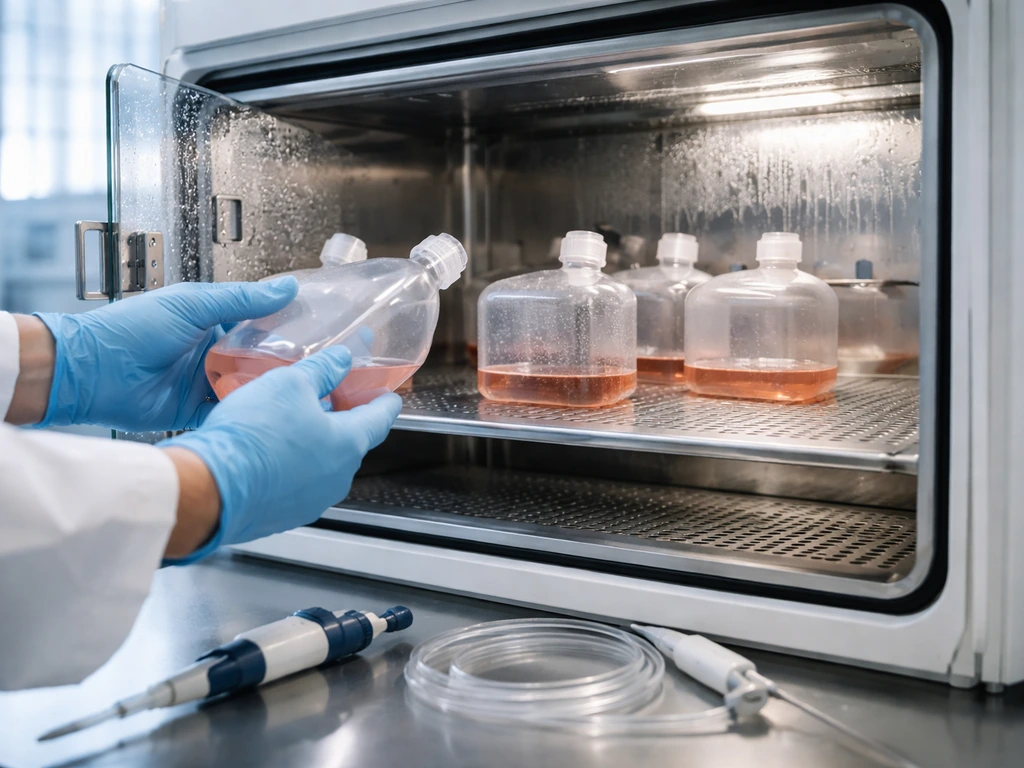
If you're also wondering about the next frontier of food and medicine, can we grow organs in a lab is one adjacent research question, even if it is not relevant to backyard chicken grow-out. If you’re curious about how to grow meat in a lab instead, the core idea is still producing muscle tissue, but the method depends on cell culture and controlled bioreactors Raising indigenous chickens for meat.
If you want the bigger picture on how to grow meat with poultry, focus on start-to-finish feeding, housing, and health management so you can hit market weight on a realistic timeline. If you're also interested in the broader topic of producing meat at home, or want to compare this approach with how commercial broiler grow-outs are managed, those are worth exploring as complementary parts of the same homestead food system.
FAQ
Is it possible to get indigenous chickens to broiler-like weights, and how do I set the right goal for my flock?
You can’t reliably match commercial broiler weight curves because the genetics differ, even with perfect management. Use your own baseline goal, for example 1.0 to 1.5 kg by 12 weeks for well-managed birds, and compare every two weeks using the same weighing method and age. If your average is more than about 15% behind your plan, treat that as a signal to troubleshoot feed, heat, parasites, water access, and crowding.
How quickly can I tell whether the problem is feed, heat stress, or disease?
Heat stress shows up first as reduced feed intake and lighter weights within days, while coccidiosis often shows as diarrhea, poor appetite, and rapid decline around the 2 to 6 week window. If birds look normal but lag steadily, suspect protein or energy shortfalls, water competition, or stocking density. A simple daily check, feed remaining, and quick body-condition observation (comb color, droppings, activity) will narrow the cause faster than waiting a full month.
Do I really need to change feed phases (starter, grower, finisher), or can I keep one ration?
You will usually get better results with phase feeding, because the protein level should drop as birds mature to avoid waste and gut stress. If you must use one bag, choose a ration close to the starter window early on, then tighten management by keeping brooding correct and preventing parasite spikes. The article notes tight starter timing (0 to 4 weeks), long starter beyond 8 weeks generally adds little, so avoid starting with a low-protein ration.
What’s the most common mistake when mixing local rations for indigenous chickens?
The biggest mistake is not actually hitting the crude protein and energy target, because ingredient quality varies (protein content, spoilage, moisture, and rancidity). Weigh ingredients accurately, mix small batches, and store in a dry, cool place. Also keep limestone or shell consistently included for calcium balance, even if growth seems slow initially.
My birds drink less in hot weather, should I increase water or change the feeding schedule?
Do both. Refill more frequently to keep water cool, and feed in the early morning and late evening so birds eat during cooler hours. You can also raise caloric density slightly (about 1 to 2% added vegetable oil) to help if they consume less per day. If you see any birds standing away from drinkers, check drinker height and flow rate, because competition can create uneven growth.
How do I choose the stocking density if I let birds scavenge outside?
Use density for the time they spend inside. If birds have guaranteed daily access to outdoor foraging and shelter from rain and predators, you can reduce inside density, but you should still keep the enclosed area within roughly the article’s lower range to prevent stress and ammonia buildup. If the outdoors area is overgrazed or muddy, time spent foraging may drop, and effective stocking inside becomes higher.
What drinker setup prevents stalling from water access problems?
Use multiple drink points or a wider drinker so subordinate birds can drink without long delays. Scrub and rinse drinkers regularly to remove biofilm, because clogged or slimy drinkers reduce intake and worsen disease risk. Also ensure adequate water flow, especially after heat causes higher consumption.
How do I know if I should treat for worms now or wait until the scheduled deworming?
If you don’t have fecal testing, follow a simple grow-out schedule the article suggests (for example deworming around 8 weeks and again at 12 to 14 weeks). Treat earlier only if you see clear signs such as poor condition, pale combs, watery droppings, and persistent failure to gain weight. Avoid deworming repeatedly at random, because it can increase resistance and stress the birds.
Is grit necessary for indigenous chicks that still get some natural foraging?
Grit is still useful from about week two onward if birds are not getting enough coarse insoluble particles naturally, such as when the ground is bare, very hard, or mostly covered with fine litter. Provide grit free-choice in a separate container so birds self-regulate. If your land has abundant natural grit and birds forage actively, grit may be less urgent, but it usually won’t harm.
What brooder temperature mistake most often slows growth even when feeding is good?
Guessing without a thermometer. If chicks are too cold, they eat more to compensate and grow slowly after repeated cold stress; if they are too hot, they pant and eat less. Use a thermometer at chick level and adjust week by week, then confirm with behavior (spread out and comfortable means correct temperature, piling under the heat means too cold, edge-panting means too hot).
If I see diarrhea, how do I decide whether it’s coccidiosis or something else?
Coccidiosis commonly affects chicks between about 2 and 6 weeks and may show watery or bloody droppings. Stress and wet litter also point toward coccidiosis. Respiratory issues usually come with coughing or nasal discharge, which would suggest a different problem. If there is a clear coccidiosis pattern, the article mentions amprolium in drinking water as a reliable treatment and emphasizes the most important lever is dry litter and not overcrowding.
What should I do if growth stalls but none of the birds look obviously sick?
Look for subclinical causes that don’t always look dramatic. Check protein source freshness and quality, verify that everyone can reach feed and water (some birds may miss intake), confirm stocking density hasn’t crept up, and review litter dryness and ventilation. Then weigh again with the same method and confirm that the stall persists beyond one weighing interval before making major changes.
Next Article
How to Grow Meat in a Lab: Feasibility and Steps
Explains how to grow lab-grown meat, feasibility barriers, equipment and safety, plus a realistic step-by-step starter p