Growing meat in a lab is real, but it is not something you can legally or safely do at home right now. The full process requires sterile bioreactor equipment, animal cell lines, specialized growth media, FDA premarket safety consultations, and a USDA grant of inspection before you can produce anything for human consumption. That said, understanding the end-to-end workflow is genuinely useful, and there are legitimate pathways for enthusiasts who want to get closer to the science, plus practical alternatives for anyone focused on food self-sufficiency today. If your goal is to learn the whole process, start by mapping out the end-to-end steps and legal constraints that govern lab-grown meat how to grow meat.
How to Grow Meat in a Lab: Feasibility and Steps

Marcus Hendrick
24 Apr 2026
Reality check: what "lab-grown meat" actually means
Lab-grown meat goes by several names: cultured meat, cell-cultivated meat, cultivated meat. All of them refer to real animal muscle cells grown outside an animal in a controlled environment. This is categorically different from plant-based meat substitutes like tofu or tempeh, and it is also legally distinct from conventional slaughtered meat. In the UK, the Food Standards Agency has explicitly stated that cell-cultivated products do not satisfy the legal definition of "meat" under EU-derived meat hygiene rules. In the US, the FDA has carved out a specific regulatory category called "Human Food Made with Cultured Animal Cells," which sits under a dual oversight framework with USDA-FSIS. So when you ask whether you can grow lab meat, the answer splits into two separate questions: can you run the biology, and can you do it legally? The biology is possible in principle. The legality, at the home or small-scale level, is a hard barrier right now.
It is also worth noting that internationally, there is no universally agreed definition of cultivated meat. The FAO and Codex bodies are still working through harmonized terminology and safety-assessment frameworks, treating each product on a case-by-case basis. That ambiguity matters for import and export too: USDA-FSIS has confirmed that no country is currently deemed eligible to export cell-cultured meat or poultry products into the United States for human food sale. This is a frontier field, not a mature industry.
How lab meat goes from cells to something you can eat
The basic idea is straightforward even if the execution is demanding. You take a small biopsy of cells from a living animal, isolate the muscle stem cells (called satellite cells or myosatellite cells), and then multiply those cells in a nutrient-rich liquid called a growth medium. Once you have enough cells, you encourage them to differentiate into mature muscle fibers. Then you harvest, process, and structure that biomass into something with the texture and protein content of meat. The whole pipeline looks like this:
- Cell sourcing: a small tissue biopsy from a live donor animal, processed to isolate muscle progenitor cells
- Cell banking: expanding and cryopreserving a stable working stock of cells so you do not have to re-biopsy constantly
- Proliferation: growing cells in a bioreactor or flask using a culture medium that supplies amino acids, glucose, vitamins, growth factors, and salts
- Differentiation: switching the medium formulation or conditions to trigger cells to fuse into myotubes (immature muscle fibers)
- Scaffolding: providing a three-dimensional structure so cells organize into tissue with realistic texture rather than a flat sheet
- Harvest: removing the biomass from the growth environment once cells stop actively dividing and differentiating
- Processing: washing, concentrating, seasoning, and forming the biomass into a usable food product
Each stage has its own failure points. Contamination during proliferation can wipe out a batch in hours. Cells that drift genetically over many passages may stop differentiating properly. Scaffold materials have to be food-safe, edible or removable, and capable of supporting meaningful tissue thickness. None of this is impossible, but none of it is simple either.
What you actually need to attempt this
Think of the requirements in four categories: cells, medium, scaffolding, and equipment. Each one is a significant investment and a sourcing challenge on its own.
Cells

You need a verified, characterized cell line from the target species, whether that is chicken, beef, pork, or fish. Academic cell banks like ATCC supply animal cell lines, but many require institutional affiliation and biosafety compliance documentation before they will sell to you. Taking your own biopsy from a backyard animal is theoretically possible but requires sterile surgical technique and immediate processing. Cells degrade fast once outside the animal, and an uncharacterized cell line introduces unknowns the FDA specifically reviews during premarket consultation.
Culture medium
Traditional culture media like Dulbecco's Modified Eagle Medium (DMEM) are available from lab suppliers, but they typically require fetal bovine serum (FBS) as a growth factor source, which is expensive (often $400 to $800 per liter), ethically controversial, and impractical at scale. Most commercial cultivated meat companies are working to replace FBS with serum-free, animal-component-free media, but those formulations are proprietary. Off-the-shelf serum-free alternatives exist but often need supplementation with recombinant growth factors that cost even more per milligram than the medium itself. Realistically, medium costs alone can run into the hundreds of dollars per small batch.
Scaffolding
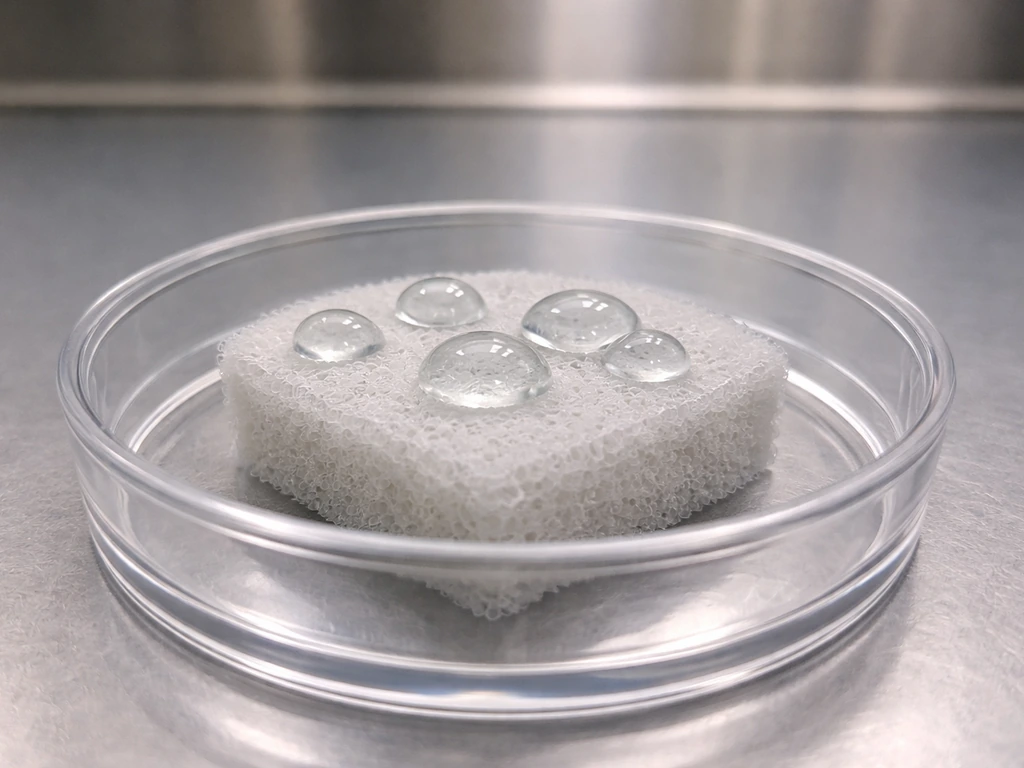
Without a scaffold, proliferating cells form a thin two-dimensional sheet, not a three-dimensional tissue. Common scaffold approaches include food-grade hydrogels (alginate, gelatin, methylcellulose), decellularized plant tissue (spinach leaves stripped of plant cells have been used in research as vascular scaffolds), and electrospun protein fibers. Each approach has trade-offs in cost, complexity, and resulting texture. For a thin product like a chicken tender analog, a simple hydrogel scaffold is manageable. For a thick steak-like structure, you run into real engineering problems around nutrient diffusion into the tissue core.
Equipment
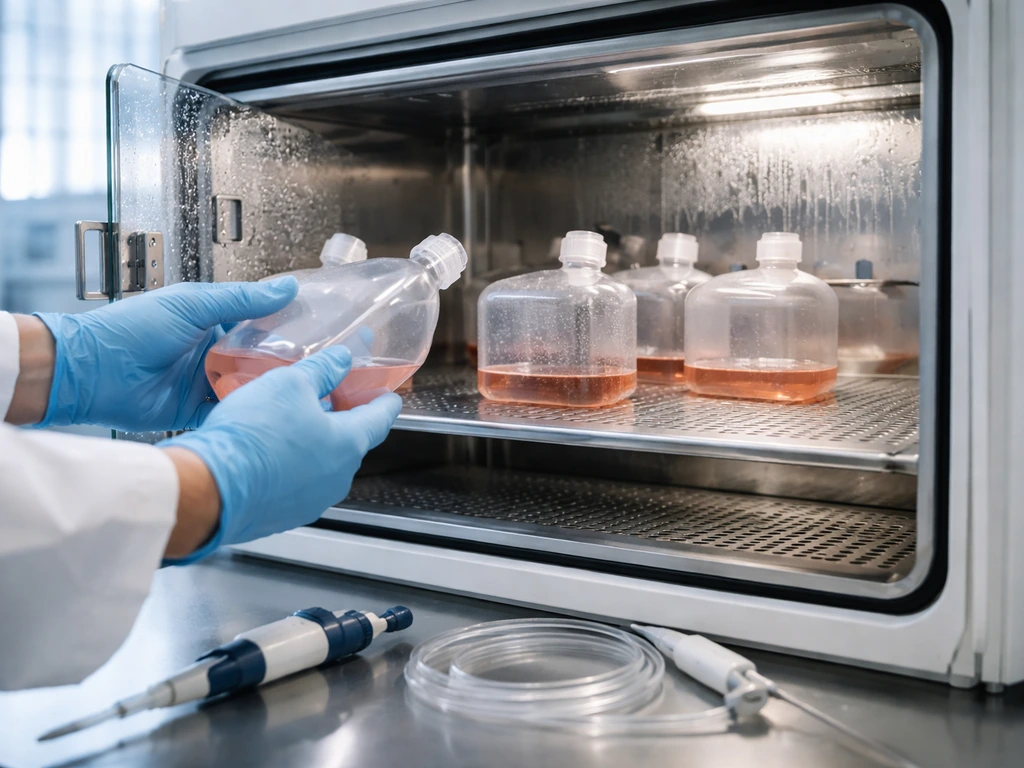
At minimum you need: a laminar flow hood or biosafety cabinet for sterile work, a CO2 incubator (holding 37°C and 5% CO2 for mammalian cells), inverted microscope for monitoring cell health, pH meter and dissolved oxygen probe for bioreactor runs, autoclave or pressure cooker for sterilizing media and consumables, centrifuge, and refrigeration. A basic cell culture setup costs somewhere between $10,000 and $30,000 new, though used lab equipment can bring that down significantly. A stirred-tank bioreactor capable of producing meaningful quantities adds another $5,000 to $50,000 depending on scale.
Running a basic cell-culture workflow
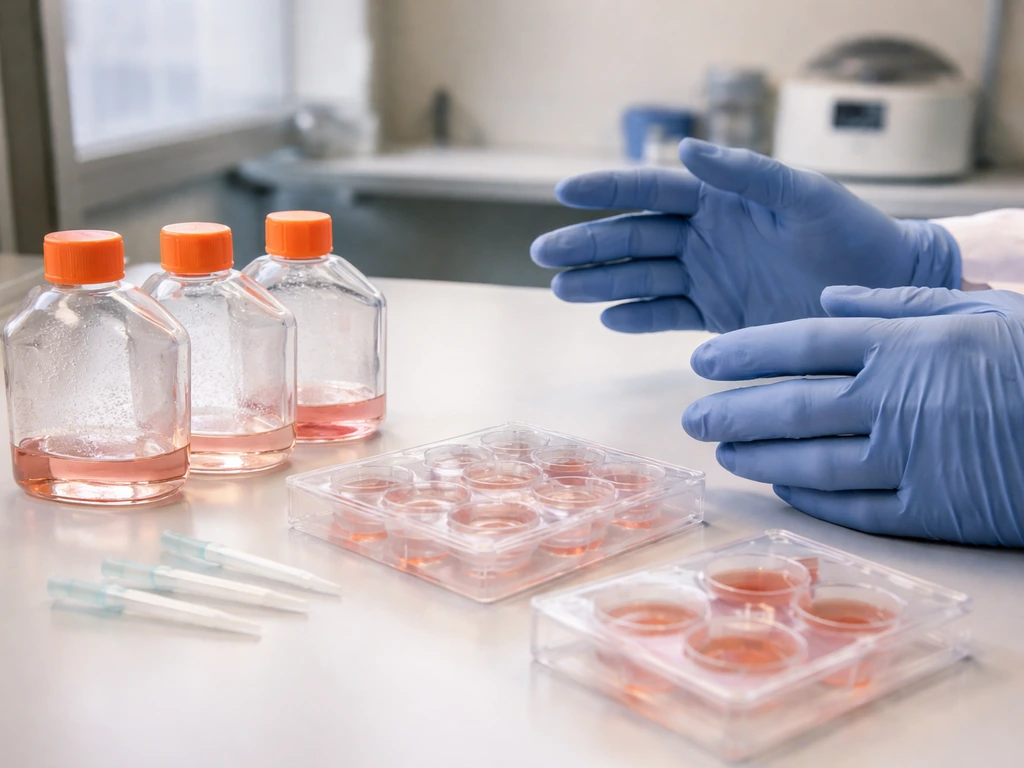
Assuming you have the equipment and sourced your cells and media legally, here is how a basic proliferation run works. Sterility is the single most important variable. Every surface, vessel, and liquid that contacts your cells must be sterile. You work inside the biosafety cabinet with 70% ethanol sprayed on everything. Media is filter-sterilized through 0.22-micron filters. Pipette tips and flasks are autoclaved or purchased pre-sterile.
Temperature sits at 37°C for most mammalian species. CO2 concentration in the incubator is held at 5% to buffer the medium's pH around 7.2 to 7.4. You monitor cell confluence visually under the microscope, aiming to passage (split and re-plate) cells before they hit 80 to 90% confluence, because overcrowded cells stop proliferating and start dying. Media changes happen every 24 to 48 hours, removing waste metabolites and replenishing nutrients. You track pH visually using the phenol red indicator in most media: pink/red is healthy neutral, yellow means acidification (cells producing too much lactic acid), and purple means alkaline drift.
For differentiation, you switch from high-serum or growth-factor-rich proliferation medium to a low-serum or serum-free differentiation medium. This nutrient stress, combined sometimes with physical cues from a scaffold, triggers cells to exit the cell cycle and begin fusing into myotubes. This phase typically takes 5 to 14 days. You monitor for myotube formation under the microscope: successful differentiation produces elongated, multinucleated cells aligned in parallel, which is the beginning of actual muscle tissue.
Harvesting, processing, and getting something with actual texture
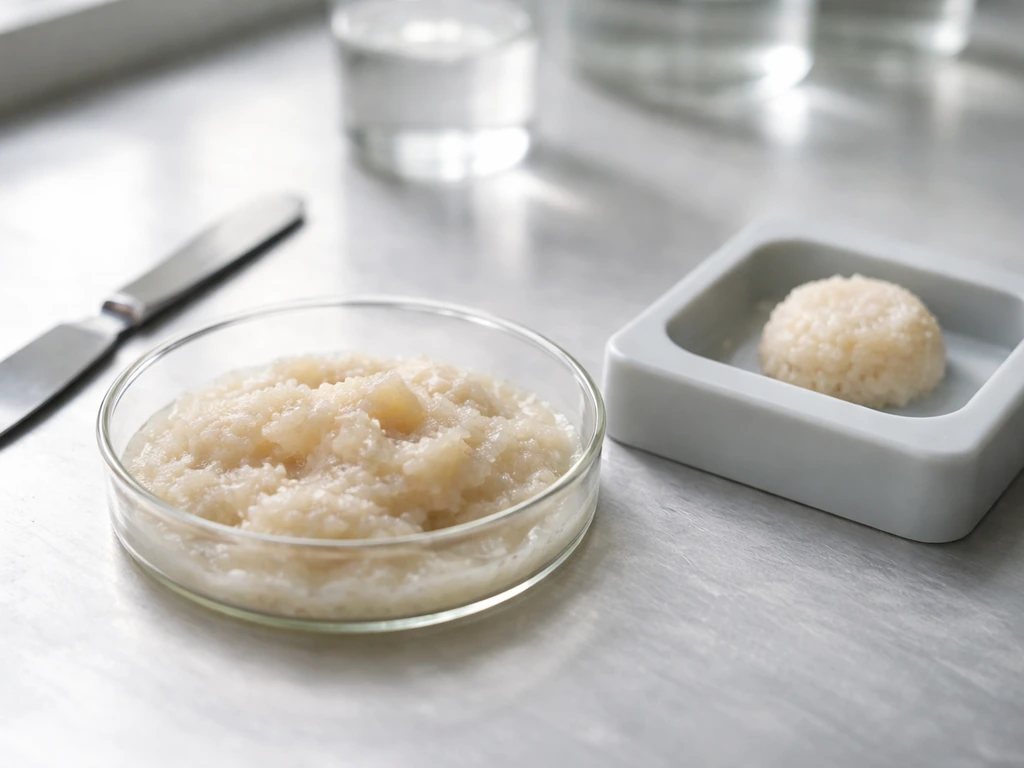
Under the US regulatory framework, "harvest" has a specific legal meaning: it is the moment when cells are removed from the growth environment and can no longer grow or differentiate. At that point, USDA-FSIS jurisdiction kicks in. For a home experimenter operating outside that framework, harvest is simply when you collect the biomass. You wash the cell mass with a buffer solution to remove media residues, then either scrape adherent cells from flasks or spin down suspension cells in a centrifuge. The resulting pellet or mat is your raw product.
Raw cultivated biomass looks like a soft, pale, wet paste or thin sheet. It has protein content comparable to conventional muscle tissue but lacks the fibrous structure and fat marbling that give conventional meat its texture and flavor. Processing steps to improve this include: compressing or molding the biomass under gentle pressure, co-culturing with fat cells (adipocytes) to introduce lipid content, adding plant proteins or hydrocolloids as binders, and cooking, which causes protein denaturation and gives familiar firmness. The first commercial cultivated products (nuggets, burgers, mince) are minced or ground formats precisely because they sidestep the texture engineering challenge of whole-cut meat.
Safety, legal reality, and what home users can and cannot do
This is the part where you need to be honest with yourself. In the United States, producing cell-cultured meat for human consumption requires completing an FDA premarket safety consultation before you can even apply for a USDA grant of inspection. The FDA's review covers your cell lines, cell banks, manufacturing controls, and all inputs including media components. The USDA-FSIS then requires an establishment grant of inspection and a USDA mark of inspection on the final product. USDA-FSIS explains that establishments intending to harvest or process cell-cultured meat and poultry must apply for and obtain a USDA grant of inspection, and that FSIS inspection at a frequency of at least once per shift is required for verification needed for a USDA mark of inspection blank" rel="noopener noreferrer">USDA-FSIS then requires an establishment grant of inspection and a USDA mark of inspection on the final product.. There is no exemption for small-scale or home production analogous to the cottage food laws that cover jam or baked goods. You cannot legally sell or commercially distribute home-produced cultivated meat.
On the biosafety side, working with primary animal cells or established cell lines that have not been fully characterized carries real risks: contamination with adventitious agents (viruses, mycoplasma), exposure to undefined growth factors, and the potential for cells to acquire mutations over multiple passages. These are the exact concerns the FDA premarket consultation process is designed to screen for. Running an uncontrolled culture in a home setting and consuming the output is genuinely risky in ways that home fermentation (sourdough, yogurt, kombucha) is not.
What you can legally do without licensing: study the biology, build or buy equipment, practice sterile technique with non-food cell lines available through educational suppliers, grow non-animal microorganisms like mycoprotein fungi (which have their own simpler production pathway), and engage with the open-source biohacker community doing legitimate lab-grown food research. Organizations like New Harvest fund open research in this space and sometimes provide pathways for citizen scientists to get involved in real academic settings.
Costs, realistic timelines, and what to do instead if you need meat production now
Here is an honest cost-and-timeline picture for someone starting from scratch in 2026:
| What you need | Estimated cost (used/entry level) | Timeline to functional setup |
|---|---|---|
| Biosafety cabinet (used) | $1,500 to $4,000 | Can source in 1 to 3 months |
| CO2 incubator (used) | $1,000 to $3,000 | Can source in 1 to 3 months |
| Inverted microscope (basic) | $500 to $2,000 | Readily available |
| Autoclave or lab pressure cooker | $300 to $1,500 | Readily available |
| Centrifuge (benchtop) | $500 to $2,000 | Readily available |
| Cell lines (institutional) | $200 to $600 per line | Weeks to months depending on access |
| Culture media and consumables (per run) | $200 to $800+ | Ongoing cost per experiment |
| Regulatory compliance (commercial) | $100,000 to $1,000,000+ | Years, not months |
Even at the low end, getting to a functional research-grade setup runs $5,000 to $10,000 before you factor in the regulatory pathway, which for commercial production is measured in years and millions of dollars. The first companies to receive USDA authorization (UPSIDE Foods and GOOD Meat both received USDA grants of inspection in 2023) spent years and tens of millions of dollars getting there.
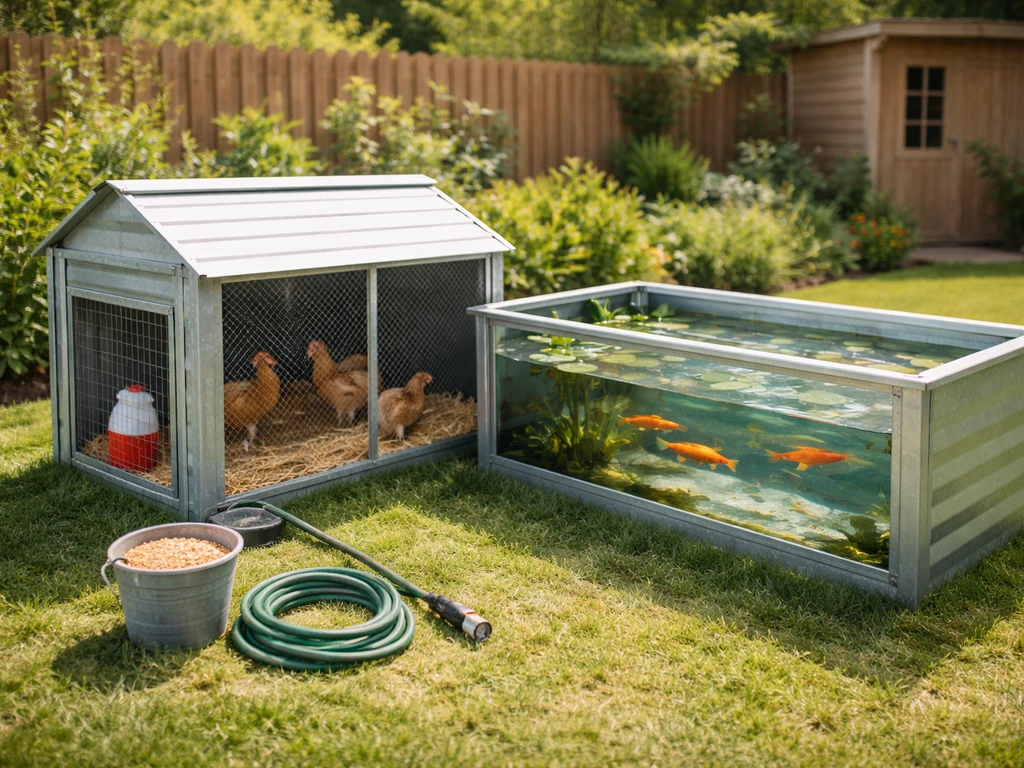
If your goal is food self-sufficiency and meat production on the homestead, the realistic alternatives right now are much closer to practical. Raising broiler chickens is one of the fastest returns: a flock of 25 Cornish Cross broilers can go from chick to harvest weight in 6 to 8 weeks. If you want the practical guide, search for resources like how to grow broiler chickens pdf to plan breeds, feed, housing, and timing Raising broiler chickens. Rabbits are even more efficient converters of feed to protein and require minimal space. Backyard quail produce both eggs and meat in a small footprint. These approaches involve real animal husbandry, real work, and real food security, none of which require regulatory approval, expensive equipment, or a biosafety cabinet.
For the truly committed lab-meat enthusiast, the most realistic near-term pathway is to get hands-on experience through legitimate channels: community biotech labs (biohacker spaces with proper equipment and safety culture), university extension programs, or by following and supporting open-access research groups working on food applications. The science is moving fast, and the equipment and media costs will come down. But today, growing lab meat safely and legally at home is not feasible for the average self-sufficiency enthusiast, and the gap between the biology being theoretically doable and it being practically achievable in your kitchen is enormous.
The most actionable step right now: decide what you actually want. If you want to understand the technology, start reading about cell culture basics and connect with the open-source cultivated meat community. If you want reliable meat production from your own land, raise animals or look at protein-dense crops and fermentation-based options. Both are legitimate paths, and being clear about your goal will save you a lot of time and money.
FAQ
If I only grow lab meat for personal consumption, do I still need FDA/USDA approvals?
In the US, you generally cannot treat “consuming it yourself” as a loophole. If you cultivate cells intended to become human food, you still trigger FDA premarket consultation and USDA inspection requirements for any real food product, and home-style production does not have an equivalent exemption to cottage-food rules for items like jam or baked goods.
What’s the risk of using cells I collect myself instead of a verified cell line?
Attempting to DIY with uncharacterized “animal cells you collected yourself” is one of the biggest risk multipliers. Regulatory review focuses on cell line identity, stability over passages, and absence of unknown growth dependencies, so amateur sources introduce uncertainty that can translate into both safety and compliance problems.
Why do lab-meat cultures often grow but fail to become real muscle tissue?
“Proliferation” and “differentiation” are distinct phases with different media and goals. Many first-timers stall at proliferation or get weak differentiation, so a practical diagnostic is to monitor morphology changes during differentiation (multinucleated, elongated myotubes) and confirm you are using the correct low-serum or serum-free differentiation conditions rather than continuing growth conditions.
Can I practice the technique at home if I’m not making food (just learning)?
Yes, but you still need strict sterile workflow. The equipment and contamination controls that matter for animal cell culture also matter if you are only making lab-grown inputs, so the safe plan is to use educational or non-food, non-animal organisms in supervised settings rather than trying to culture anything intended to become food.
When does “harvest” become an issue for regulation, especially if I never sell anything?
Because harvested biomass is the point where jurisdiction changes, the key compliance concept is “what counts as harvest.” If you remove cells for anything that is intended to become a food, you are effectively moving toward the regulated endpoint, even if you never package or sell.
What are the most common failure points beyond contamination?
Most early “starter” problems are contamination-related, but an underrated factor is verifying oxygen and pH behavior in a way that matches your setup. If you only rely on visual confluence and phenol red, you can miss off-target stress, so using pH measurement and tracking dissolved oxygen when scaling beyond simple static culture reduces avoidable batch failures.
Why is making a thick cut (like a steak) much harder than making nuggets or mince?
For thick tissue, the bottleneck is nutrient and oxygen diffusion. Without a design that supports internal transport, cells in the core underperform or die, so success with thin formats does not automatically translate to steak-like thickness.
How do scaffolds change what final texture or shape I can realistically produce?
If you cannot access a validated, food-suitable scaffold, your end product will likely be structurally weak even if cells proliferate. A practical decision aid is to start with scaffold types that match your intended form factor, for example hydrogels for thin constructs versus more complex scaffolds for engineered thickness.
How does cell passage number affect quality and what can I do about it?
Cell culture can drift genetically across passages, which can change differentiation behavior and consistency. A practical mitigation strategy is to minimize passage number, maintain a consistent workflow, and use the same characterized starting material rather than continually re-deriving from your latest culture.
What costs do beginners underestimate when they budget for lab meat cultivation?
Budgeting should include consumables and waste, not just “big-ticket” machines. Filter sterilization supplies, sterile plastics, media components, and monitoring tools can add up quickly, and failures due to contamination can multiply costs, so a realistic plan includes a per-batch loss allowance.
Next Article
How to Grow Meat at Home: Livestock and Aquaculture Guide
Learn practical ways to grow animal protein at home: small livestock or aquaculture, setup steps, costs, feed sourcing,