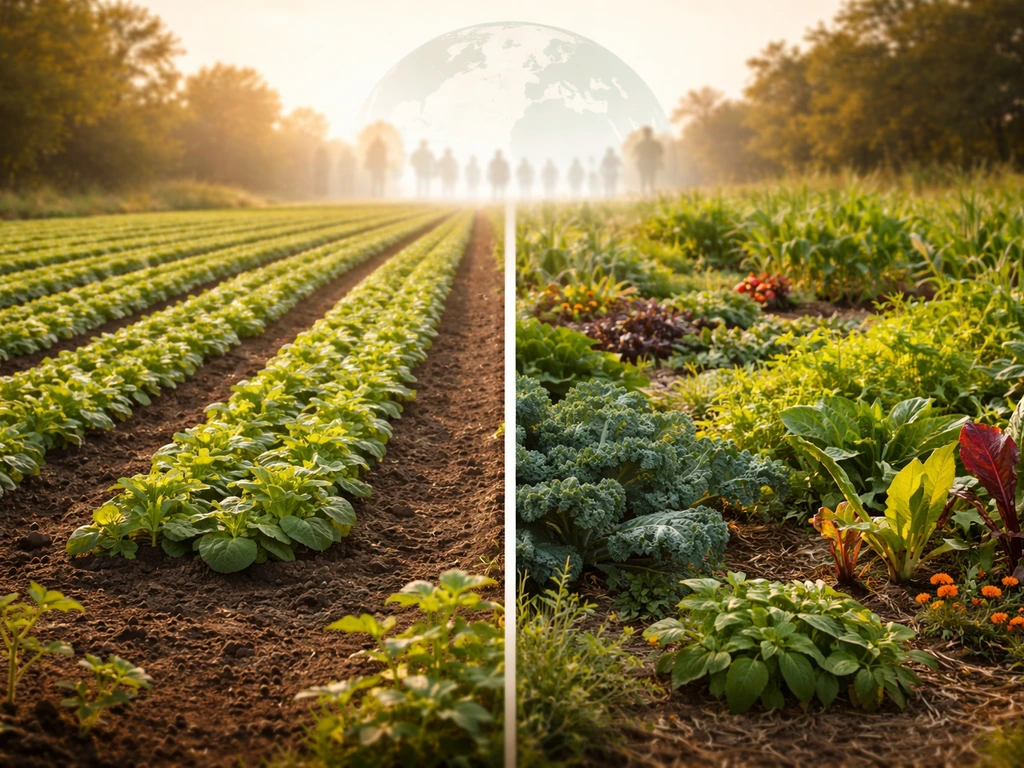
Farmers around the world grow food by matching crops to their climate, building healthy soil, managing water carefully, and using growing systems that fit their land and resources. The details vary enormously from a rice paddy in Bangladesh to a dryland wheat farm in Kansas to a kitchen garden in Kenya, but the core logic is the same: work with your environment, feed your soil, and time your plantings right. Once you understand how professional farmers make those decisions, you can apply the exact same framework on a home scale, even in a backyard or on a balcony.
How Do Farmers Grow Food Around the World: Methods and Tips
Marcus Hendrick
13 Jun 2026
How global farming systems actually work
The world's food comes from two very different kinds of farms. On one end you have large-scale commercial operations, often 50 hectares or more, that use mechanization, synthetic inputs, and monocultures to produce commodity crops like corn, soy, wheat, and rice for global markets. These farms supply roughly 60% of the world's dietary energy. On the other end, you have hundreds of millions of smallholder farms, the majority of them under 2 hectares, run by families who often eat a significant portion of what they grow. FAO also highlights that smallholders under 2 hectares remain crucial for local food security and produce nearly 60% of food in low and lower-middle-income countries (SOFA 2025) blank" rel="noopener noreferrer">smallholder farms, the majority of them under 2 hectares. The FAO estimates that 5 out of every 6 farms worldwide fall into that small-farm category, and together they produce about 35% of global food. In low- and lower-middle-income countries that share jumps to around 60 to 80% of all food produced locally. FAO analysis using standardized farm-size categories across 77 countries and 120 crops finds that smallholders account for around 60% of national food production in low- and lower-middle-income countries blank" rel="noopener noreferrer">smallholders account for around 60% of national food produced in low- and lower-middle-income countries.
For home gardeners, the smallholder model is the more relevant one. These farmers succeed not through scale or expensive equipment but through local knowledge, diversified plantings, and integrated systems. Many smallholders raise a few chickens or a goat alongside their vegetable plots, using animal manure to feed the soil and reduce the need for purchased fertilizers. FAO classifies mixed crop-livestock farming as the single largest animal production system category globally, and for good reason: the nutrient cycle between animals and plants is one of the oldest and most efficient fertility strategies ever developed. You can replicate that cycle at home with a backyard chicken flock or even a simple compost bin.
Choosing crops based on climate and region
Every successful farmer starts with an honest look at their climate. Tropical farmers in Southeast Asia and sub-Saharan Africa work with year-round warmth, high humidity, and distinct wet and dry seasons, which means rice, cassava, sweet potato, and legumes dominate. Temperate farmers in Europe and North America deal with cold winters and 90 to 180 frost-free days, so they focus on cool-season crops like brassicas and root vegetables in spring and fall, then shift to warm-season crops like tomatoes, squash, and beans in summer. Mediterranean climates, including coastal California and parts of southern Europe, produce olives, citrus, and grapes during dry summers and grow cool-season vegetables through mild winters.
Day length matters just as much as temperature. Onions and garlic are triggered to bulb by day length, so the variety you plant must match your latitude or you will get all tops and no bulb. Wheat and barley need a vernalization period of cold temperatures to flower properly. Farmers learn these triggers either from generations of local knowledge or from seed catalogs that list day-to-maturity and climate suitability. When you are choosing what to grow at home, filtering by your USDA hardiness zone (or equivalent regional zone system) and your frost-free window is the single fastest way to build a realistic crop list.
| Climate Type | Key Crops | Main Growing Challenge |
|---|---|---|
| Tropical (humid) | Rice, cassava, plantain, sweet potato, legumes | Pest and disease pressure year-round |
| Tropical (dry/savanna) | Sorghum, millet, cowpea, groundnut | Erratic rainfall and drought stress |
| Temperate (continental) | Wheat, corn, soy, potatoes, brassicas, tomatoes | Short frost-free window |
| Mediterranean | Olives, citrus, grapes, cool-season vegetables | Summer drought, irrigation dependency |
| Arid/semi-arid | Dates, millet, drought-adapted beans | Water scarcity and heat extremes |
| Cool/subarctic | Barley, root vegetables, hardy brassicas | Very short season, cold soils |
Soil building and preparation
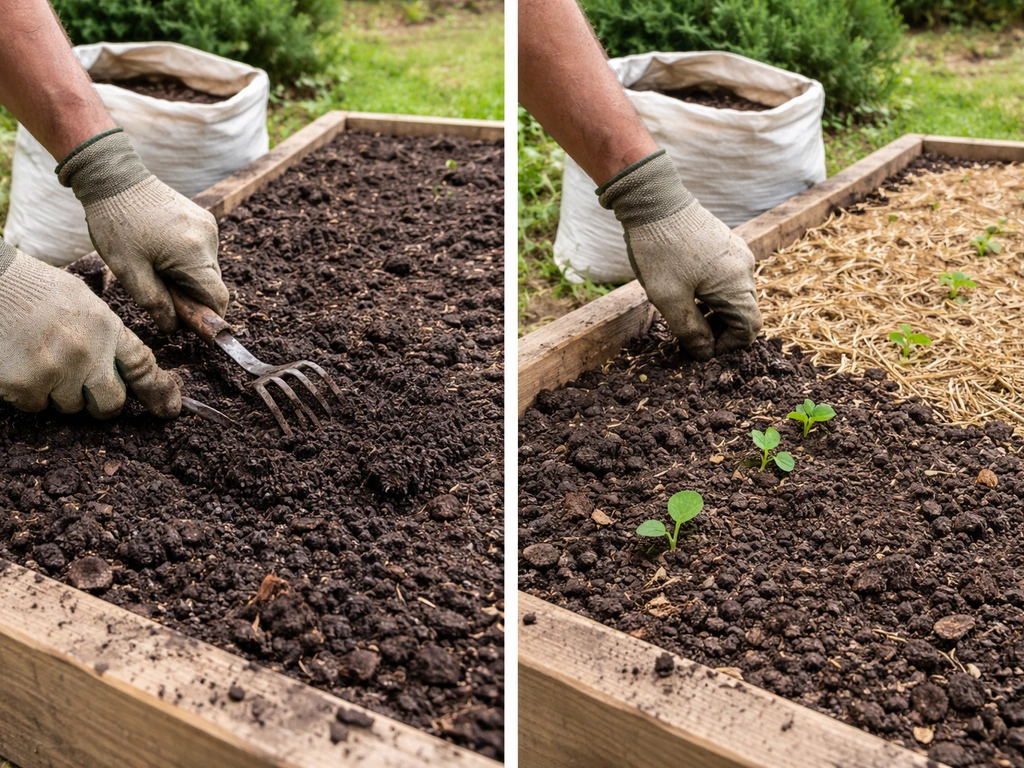
Farmers who grow food successfully over decades treat soil as a living system, not just a medium to hold plants upright. The foundation of that approach is organic matter. Compost, aged manure, and crop residues feed the bacteria and fungi that break down nutrients into forms plant roots can absorb. A healthy garden soil should have at least 3 to 5% organic matter by weight; most degraded soils start closer to 1%. Adding 2 to 4 inches of compost per year and working it into the top 6 to 8 inches will raise organic matter measurably within two or three seasons.
Cover cropping is one of the most underused tools in home gardening, even though commercial farmers in the US alone plant millions of acres of it. A cover crop like crimson clover, winter rye, or buckwheat planted in an empty bed does several things at once: it prevents erosion, suppresses weeds, adds organic matter when turned under, and, in the case of legumes like clover or vetch, fixes atmospheric nitrogen into the soil at rates of 50 to 200 pounds per acre. On a home scale, you can seed a 4 by 8 foot bed with clover in late summer, let it grow through fall, and either chop it and let it decompose in place or turn it under two to three weeks before your spring planting.
The tillage debate is real, and the honest answer is that the right approach depends on your soil. Heavy clay soils often benefit from initial deep loosening (broadforking or single-dig to 12 inches) to break compaction before transitioning to a no-till or low-till system. Sandy soils drain fast and tend to compact less, so minimal disturbance works right away. In established beds, limiting tillage preserves fungal networks, reduces weed seed germination, and cuts labor. Many experienced home growers settle on a hybrid approach: broadfork once a year to relieve compaction, top-dress with compost rather than digging it in, and mulch heavily.
Water management: irrigation, rainwater, and drought strategies
Globally, about 40% of the world's food comes from irrigated farmland, even though irrigated land covers only around 20% of total cropland. That ratio tells you how powerful water control is as a yield multiplier. Rainfed farmers in sub-Saharan Africa and South Asia depend entirely on seasonal rainfall, so they use every technique available to capture and hold water in the soil: deep-rooted cover crops, ridge-and-furrow earthworks, and heavy mulching that can cut evaporation by 50 to 70% compared to bare soil.
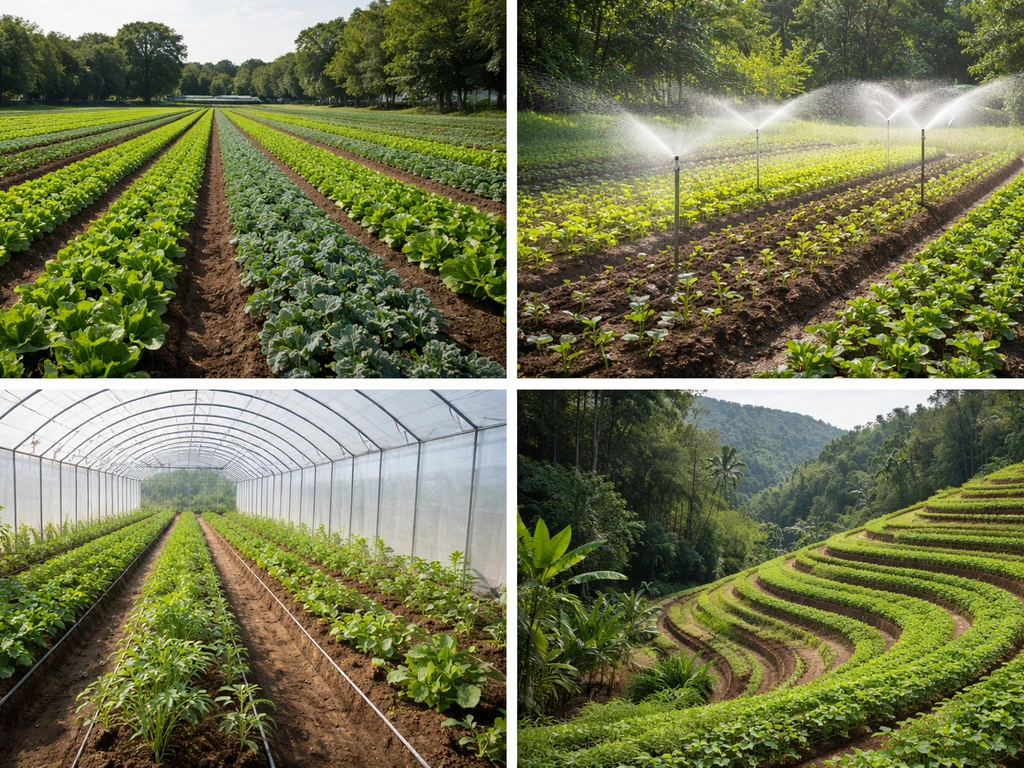
For irrigated systems, drip irrigation consistently outperforms flood or sprinkler irrigation for most vegetable crops. It delivers water directly to the root zone at 1 to 2 gallons per hour per emitter, reducing total water use by 30 to 50% compared to overhead sprinklers and dramatically cutting foliar disease by keeping leaves dry. Flood irrigation is still dominant in rice and some grain systems where it doubles as weed suppression, but for a home vegetable garden, a basic drip system with a timer is one of the highest-return investments you can make.
In drought-prone areas, farmers lean hard on mulch, shade cloth, and varietal selection. A 3 to 4 inch layer of straw, wood chips, or shredded leaves over your beds keeps soil temperatures 10 to 15 degrees cooler in summer, slows evaporation, and reduces watering frequency from daily to every two to three days in moderate heat. Planting drought-tolerant varieties of beans, tomatoes, and squash is not a compromise in dry climates; it is the right agronomic choice, just as farmers in the Sahel select drought-adapted landraces of sorghum that would look scraggly compared to a commercial hybrid but reliably produce grain in years when nothing else would.
The main growing methods used around the world
Open-field row cropping
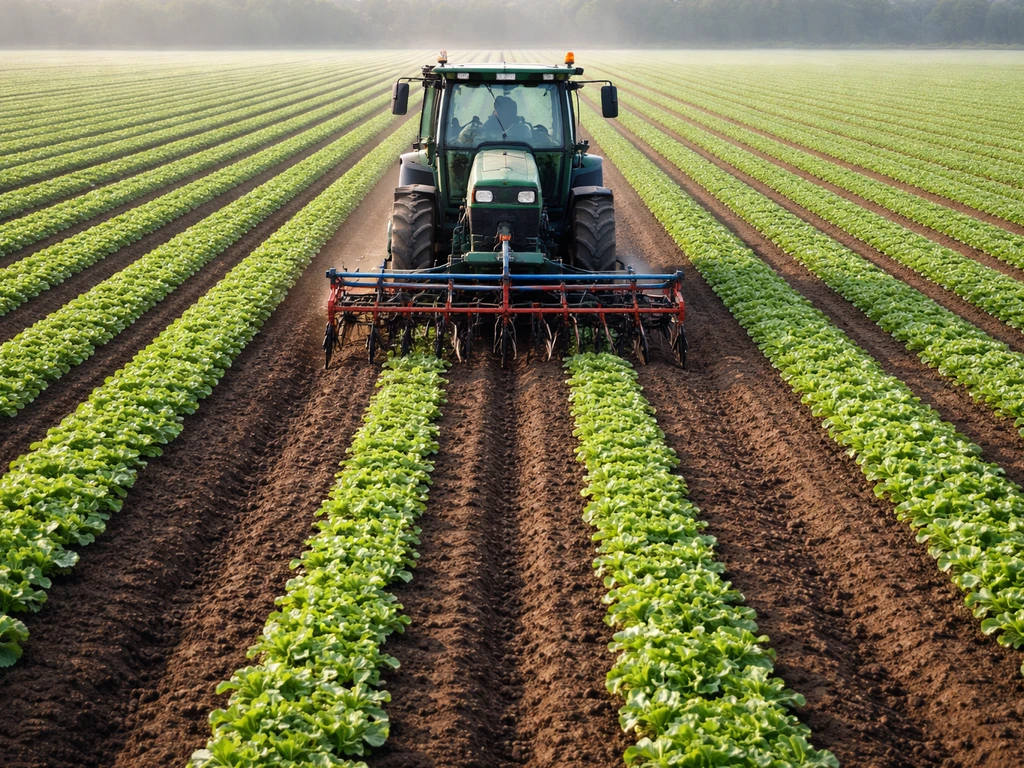
This is the dominant method for large-scale grain and vegetable production. Crops are planted in rows with spacing optimized for mechanical cultivation and harvest. Spacing is set wide enough to allow airflow and equipment access, typically 30 to 36 inches between rows for corn and 18 to 24 inches for processing tomatoes. Home growers can adapt this by using intensive spacing in raised beds (planting on 6 to 12 inch centers instead of row spacing) to get higher yields per square foot.
Greenhouses and high tunnels
Greenhouses extend the growing season by weeks or months at both ends. A low-cost hoop house or high tunnel made of bent conduit and poly film costs roughly $1 to $2 per square foot to build and can extend your growing season by 4 to 6 weeks in spring and fall in most temperate climates. Commercial greenhouse growers in the Netherlands produce some of the highest per-acre vegetable yields in the world, growing tomatoes, cucumbers, and peppers in climate-controlled glass structures year-round. You do not need that level of investment to get meaningful season extension at home; even a simple row cover or cold frame does the job for greens and root crops.
Hydroponics and aeroponics
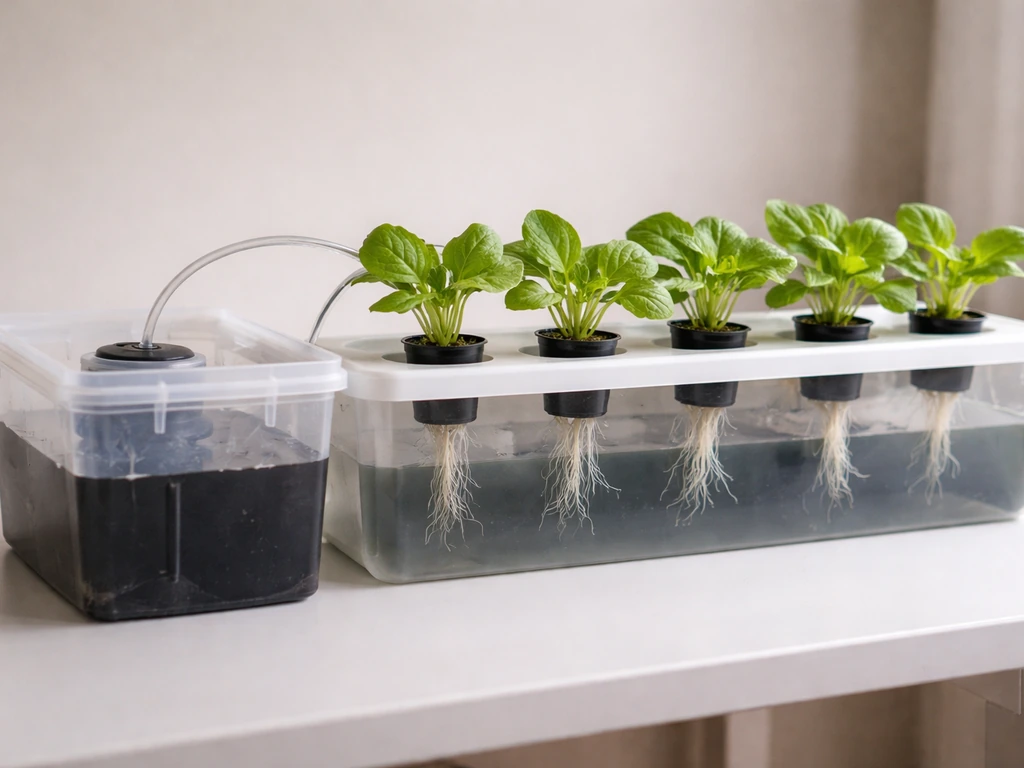
Hydroponic systems grow plants in nutrient-rich water without soil, and aeroponics mists roots with nutrients in air. Both methods use 70 to 90% less water than soil growing and can produce lettuce in 30 days versus 60 days in the ground. They are increasingly common in urban farms and vertical growing operations, but they require real upfront investment in equipment, reliable electricity, and consistent nutrient management. For most home gardeners, hydroponics makes the most sense for fast-cycling crops like lettuce, herbs, and spinach, not for long-season crops like tomatoes or winter squash where soil growing is simpler and cheaper.
Agroforestry and permaculture-style systems
Agroforestry integrates trees with crops or livestock on the same land. Farmers in Central America grow coffee under shade trees, which reduces water stress and provides habitat for pollinators and pest predators. In West Africa, farmers intercrop grain crops with nitrogen-fixing trees like Faidherbia albida, which drops its leaves during the growing season (providing no competition for light) and fixes nitrogen into the soil year-round. At home, a food forest model, planting fruit trees, berry shrubs, herbs, and ground covers in a layered system, can produce meaningful yields from a relatively small space with low annual inputs once established.
Planting, spacing, rotation, and pest and weed control
Timing is everything. Most crop failures at the home scale come from planting too early in cold soil or too late in hot weather. Tomatoes planted into soil below 60°F will sit and sulk, then get lapped by transplants set out two weeks later into warm soil. Cool-season crops like spinach, peas, and brassicas need to go in 4 to 6 weeks before your last frost for a spring crop, or 8 to 10 weeks before your first fall frost for a fall harvest. Keeping a simple planting calendar, even a handwritten one, removes most of the guesswork.
Crop rotation is the practice of moving plant families to different beds or fields each season. It works because different crops feed at different soil depths, attract different pests, and leave different residues. The basic rule is to avoid planting the same family in the same spot for at least two to three years. Nightshades (tomatoes, peppers, eggplant) should not follow each other because they share diseases like early blight and bacterial wilt. Rotating a legume like beans or peas into a bed after a heavy-feeding crop like corn or brassicas makes use of the nitrogen the legume fixes and gives the soil a break.
Pest and weed management on productive farms, large or small, follows an integrated logic: prevent first, then intervene if necessary. For weeds, mulching heavily immediately after transplanting is the single most effective tool available. A 2 to 3 inch layer of straw or wood chips suppresses 80 to 90% of weed germination without any chemicals. For insects, regular scouting (walking your beds every two to three days and looking under leaves) lets you catch problems when they are still small. Physical barriers like row covers over brassicas prevent cabbage moth damage entirely. Companion planting, such as growing basil near tomatoes or nasturtiums near squash, attracts beneficial insects and can confuse or deter certain pests, though it works best as one tool in a broader system rather than a standalone fix. When intervention is necessary, insecticidal soap, neem oil, and Bacillus thuringiensis (Bt) are low-toxicity options that break down quickly and do not destroy beneficial insect populations.
Harvesting, storage, and getting food from farm to table
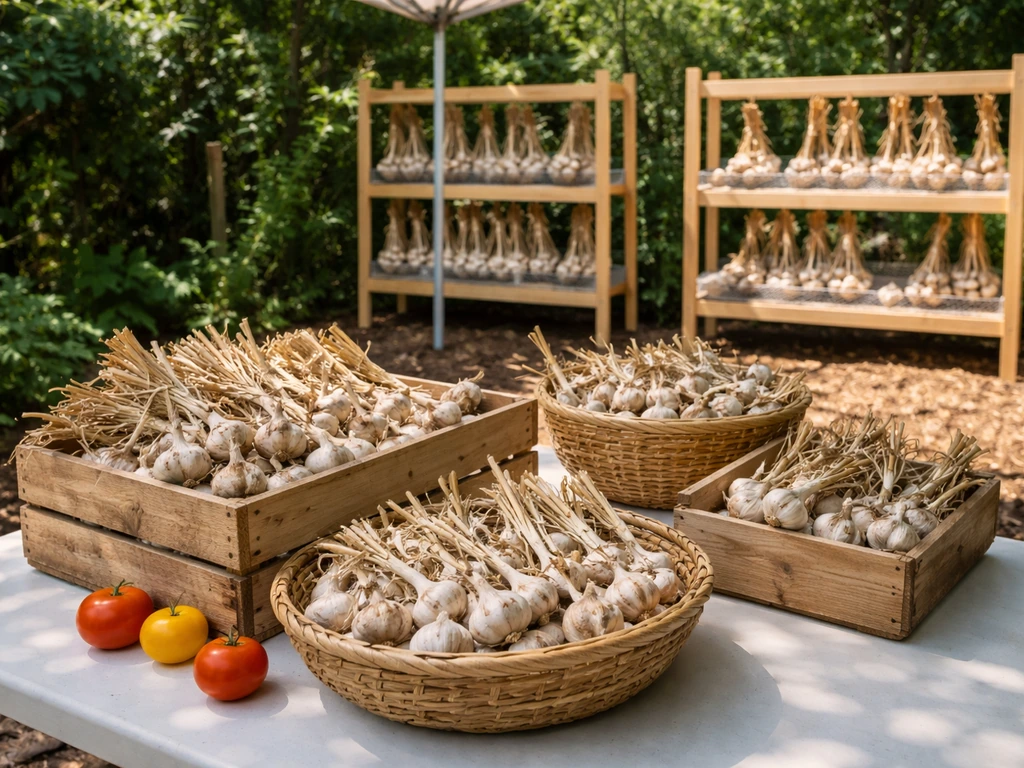
Harvest timing directly affects yield, flavor, and shelf life. Tomatoes left on the vine past peak ripeness lose firmness and become vulnerable to splitting and rot. Garlic harvested too early has underdeveloped skins that will not cure properly. Most vegetables hit peak nutritional density and flavor right at the moment of maturity, which is a big advantage of growing your own: you pick and eat the same day rather than dealing with the 7 to 14 days of transit and storage that commercial produce endures.
Curing is a post-harvest step that most home growers skip but should not. Onions and garlic need 2 to 4 weeks in a warm, dry, well-ventilated space to harden their outer skins and dramatically extend storage life from a few weeks to 6 to 12 months. Winter squash needs 1 to 2 weeks at 80 to 85°F to harden the rind. Potatoes should be cured at 50 to 60°F with high humidity for 10 to 14 days to heal any nicks in the skin before moving to cool storage at 38 to 40°F.
For crops that do not cure, cooling quickly is the priority. Leafy greens, peas, and sweet corn lose sugars and flavor rapidly at room temperature; get them into a refrigerator within an hour of harvest and they will last 5 to 10 days. Root cellaring, the practice of storing root vegetables and some fruits in cool, humid conditions around 32 to 40°F, is one of the most practical storage strategies for home growers in cold climates. A basement corner, an outdoor buried cache, or even a styrofoam cooler with ice packs can serve as a root cellar for smaller quantities.
Making it work at home: how to scale these patterns down
The encouraging thing about global farming patterns is that the core practices that work on 2 acres in rural Kenya work just as well in a 200 square foot raised bed setup in a suburban backyard. If we do not grow enough food to meet demand, hunger and food prices can rise, even for people who want to eat well why does the world need to grow more food. This question often comes down to realistic yields, adequate land and inputs, and whether diets are counted in calories rather than single crops can farmers grow enough food for everyone. The difference is scale, not principle. You are still building soil, managing water, timing your plantings, rotating crops, and harvesting at the right moment. You have every advantage that a smallholder farmer has, and you have the added benefit of accessing excellent seed catalogs, soil testing services, and gardening resources that previous generations did not.
Start by narrowing your crop list. New growers almost always try to grow too many things at once and do none of them well. Pick 3 to 5 crops your household actually eats, that are well-suited to your climate, and that have a realistic yield for your space. Tomatoes, beans, and zucchini are reliable starting points in temperate climates. Greens like kale and chard produce for months with minimal space and almost no special care. Once you have a season or two of experience with those, expand.
Questions about whether the world grows enough food to meet current and future demand are directly connected to how these farming practices scale up and become more efficient globally. In the US, whether domestic production can feed the country depends on crop yields, land use, imports, and how well farming systems scale up to demand does the US grow enough food to feed itself. At the home level, every productive garden plot is a small piece of that larger picture.
A simple seasonal workflow for home growers
- Late winter: Order seeds, get a soil test done on your growing beds, and build your planting calendar based on your last and first frost dates.
- Early spring (4 to 6 weeks before last frost): Start slow-maturing crops like tomatoes, peppers, and eggplant indoors under lights. Direct sow cool-season crops (peas, spinach, lettuce) outdoors as soon as soil is workable.
- Spring (around last frost): Transplant warm-season seedlings into beds amended with compost. Install drip irrigation or soaker hoses if using them. Mulch all beds immediately after transplanting.
- Summer: Scout for pests every 2 to 3 days. Water deeply but infrequently (1 to 1.5 inches per week). Succession plant fast crops like lettuce and beans every 2 to 3 weeks for continuous harvest.
- Late summer: Sow fall cool-season crops (kale, carrots, brassicas) 8 to 10 weeks before first frost. Begin harvesting and curing storage crops.
- Fall: Harvest storage crops and cure as needed. Plant a cover crop in empty beds. Note what worked and what did not before you forget.
- Winter: Plan rotations for next year, order seeds early (January or February before good varieties sell out), and amend any beds that need lime or mineral adjustments based on soil test results.
That workflow is not complicated. It is essentially what every experienced farmer, from a smallholder in Southeast Asia to a market gardener in Vermont, does every year, adjusted for their specific climate and crops. The learning curve is steep in year one and much gentler in years two and three. Keep notes, stay curious about what your soil and plants are telling you, and do not let a bad season discourage you. Every productive food grower you have ever heard of made the same mistakes you will make and kept going.
FAQ
How do I choose what to plant first if I do not know my frost dates exactly?
Start with your average first and last frost dates, then subtract 2 to 3 weeks for cool-season crops and add time for seedling growth. If you plant warm-season crops before soil reliably warms to about 60°F, expect slow germination and transplant shock, even if the air temperature looks fine.
What is the most common mistake people make when picking crop varieties for their region?
You will usually get more success by checking the label for “days to maturity” and verifying it matches your frost-free window, not by relying only on the season name (spring, summer). For instance, varieties marketed as “early” may still need a vernalization period for consistent performance.
Why did my garden get worse after I made a bunch of changes at once?
Household farming can avoid that problem by using a “one change per week” rule. Update only one factor at a time, such as irrigation schedule, mulch depth, or fertilizer rate, and keep records, so you can tell whether the improvement is due to the change or just natural variation.
How do I rotate crops if I only have 2 or 3 beds?
In most home beds, you can rotate by family instead of by exact crop. If you planted tomatoes (nightshades) in a bed this year, follow with beans or brassicas next season, and avoid repeating nightshades there for at least two to three years to reduce buildup of shared diseases and pest pressure.
What should I do if I cannot rotate because my garden space is too small?
If you cannot rotate fully, the next-best strategy is to keep the same bed covered with a cover crop between plantings and to use row covers during the peak pest window. Combine that with removing infected plant material promptly, especially for nightshade diseases.
How much compost is too much, and how often should I add it?
Target organic matter increases gradually, because dumping too much compost at once can cause nutrient imbalance and nitrogen “flush” in the short term. A practical approach is to add a thin annual top-dressing, then adjust based on plant vigor and soil test results after a season.
When should I terminate a cover crop so it actually helps rather than delays planting?
Do not turn cover crops under immediately at any stage. For quickest decomposition, chop or mow them at a young, leafy stage, then incorporate shallowly, or leave them on the surface if you are going low-till and plan to mulch over the bed before planting.
How do I know whether I should deep-loosen (broadforking) or just mulch and build soil?
For many yards, deep loosening is useful only when you see compaction symptoms, such as water pooling, hard crusting, or roots circling at shallow depth. If drainage is good and beds are already loose, focus on mulch and compost instead of broadforking every year.
What are the main pitfalls when setting up a small drip irrigation system?
For home drip systems, choose emitters that match crop needs and your soil type, sandy soils often require more frequent, smaller watering pulses. Also, make sure you include a filter and flush lines, clogged emitters are one of the fastest ways to lose crop uniformity.
Is overhead watering always bad, or can it be managed?
If you have to use overhead sprinklers, water early in the morning and avoid wetting leaves late in the day. For disease-prone crops like tomatoes, consider switching to drip or using a targeted soaker hose, because keeping foliage dry is a major protection.
How can I keep vegetables alive through a heatwave without increasing water use?
If you are short on water, prioritize mulch plus the right crop choice. A thick, consistent mulch layer reduces evaporation, then water deeply but less often to encourage deeper rooting, shallow frequent watering often leads to weaker drought tolerance.
How do I prevent pests before they cause visible damage?
Start with scouting, then use barriers before you spray. For example, row covers over brassicas should be installed early, because cabbage moths lay eggs before you notice damage, physical exclusion prevents the problem rather than reacting after it appears.
Does companion planting actually work, or is it just decorative?
Companion planting helps most when it supports a functional goal, like attracting beneficial insects with nectar plants or confusing pests with mixed foliage. It is less reliable than barriers and good timing, so treat it as one layer of protection, not the main solution.
What curing mistake most often ruins onion, garlic, or squash storage?
Cure conditions matter more than timing. Garlic and onions need warmth and airflow, curing prevents mold and improves storage. If you cure in a damp space or store immediately in cool humidity, storage life drops quickly even if the harvest looked perfect.
How can I keep leafy greens crisp for longer after harvesting?
For leafy greens and herbs, the biggest lever is temperature and speed. Harvest in the cool part of the day, wash gently, dry thoroughly, then refrigerate quickly, otherwise flavor and texture decline fast even if the leaves still look okay.
Why do my plants wilt when the soil surface looks moist?
If your tomatoes wilt despite watering, check soil moisture depth rather than surface dryness. Mulch can reduce evaporation, but it can also mask when to water, so use a finger test or a moisture meter, and adjust based on root-zone moisture.
Next Article
Can Farmers Grow Enough Food for Everyone? Real Limits and Steps
Explains if farmers can grow enough food for everyone, limits, and high-yield sustainable practices plus home-garden rea