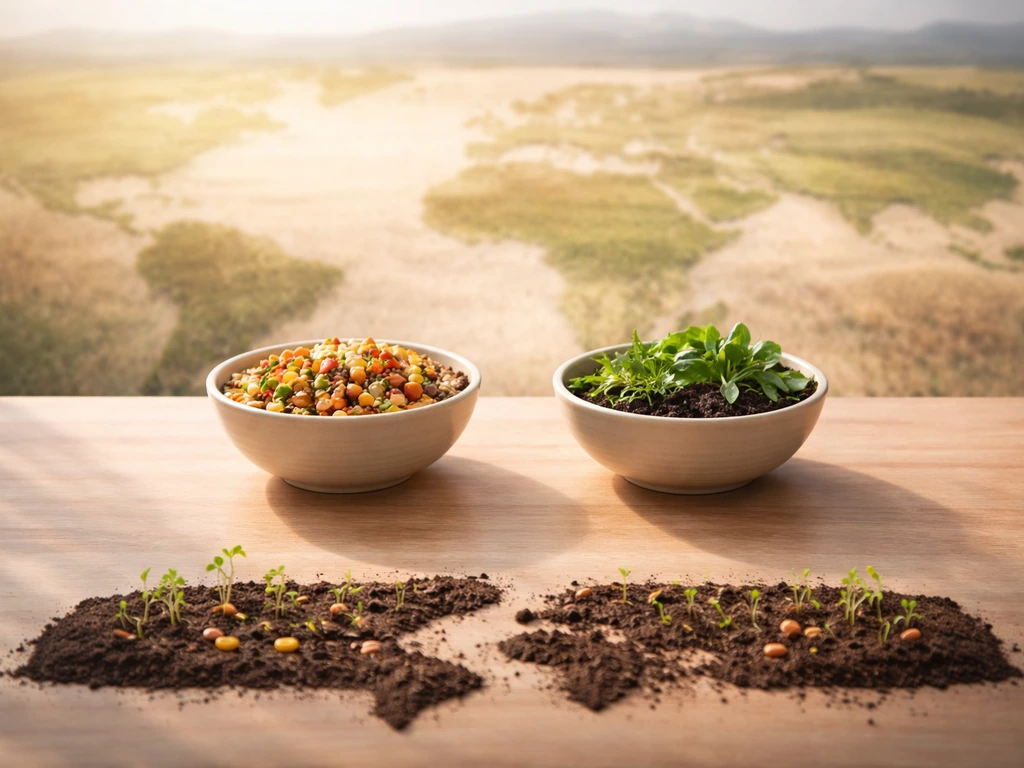
The world needs to grow more food because demand is outpacing supply in ways that are getting harder to ignore. Global population is climbing toward 10 billion by 2050, diets are shifting toward more resource-intensive foods, climate volatility is hammering harvests, and supply chains keep proving they can collapse without warning. Even though FAO data shows global crop production hit 9. 6 billion tonnes in 2022, up 56% since 2000, roughly 40% of all that food never reaches a plate.
Why the World Needs to Grow More Food and What You Can Do
Marcus Hendrick
16 May 2026
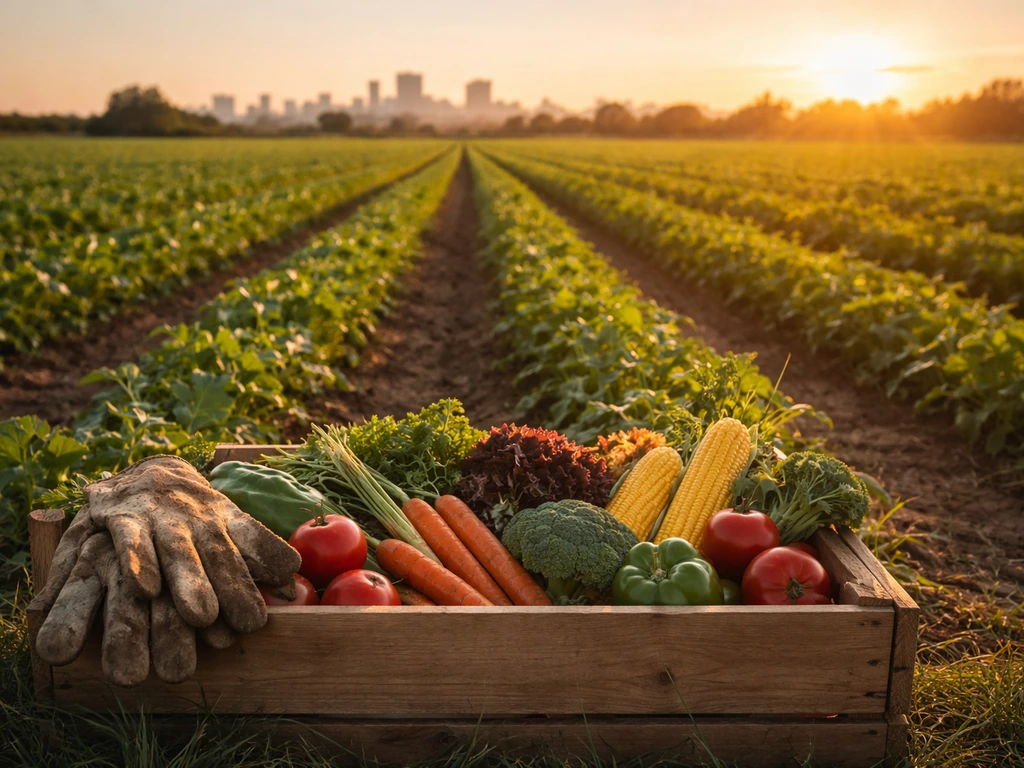
The system is stressed from both ends: not enough reliable production coming in, and an enormous share of what is produced getting lost or wasted before anyone eats it. That gap is exactly why growing food at home, whether in containers on a balcony or across a full homestead, matters more now than at any point in recent memory.
Why food production is falling behind demand
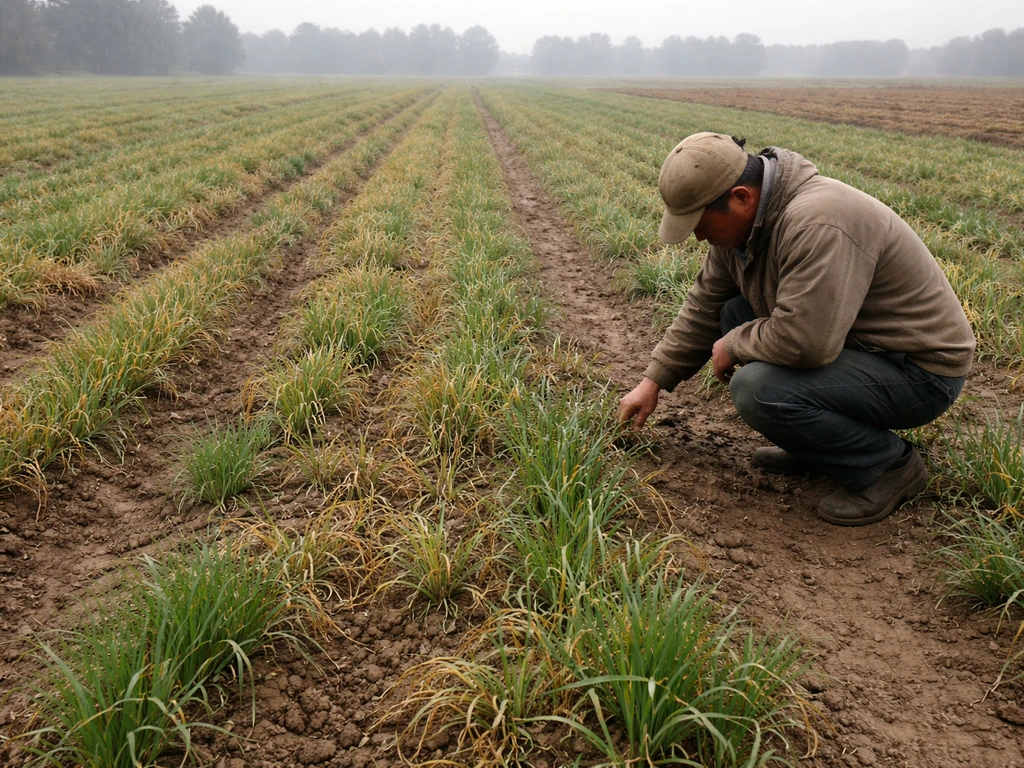
Population growth is the most straightforward driver. More people means more calories needed, full stop. But the story is more complicated than headcount. As incomes rise in developing economies, diets shift toward meat, dairy, and processed foods, which require far more land and water per calorie than grain or vegetables. That diet shift multiplies the pressure on an already stretched system.
Supply shocks have also gotten more frequent and more severe. The COVID-19 pandemic showed how fast transportation shutdowns and labor restrictions can choke food value chains globally. Then the Ukraine war in 2022 triggered what the World Bank called 'one of the largest supply shocks in decades,' hitting fertilizer markets especially hard because synthetic nitrogen fertilizer production is so tightly linked to natural gas prices. When fertilizer gets expensive or scarce, farmers plant less or fertilize less, and yields drop. The ripple effects hit hardest in developing economies that rely on imported fertilizer.
Climate volatility compounds everything. Droughts, floods, late frosts, and heat waves are not rare events anymore. They are regular features of the growing season in most parts of the world. A crop that thrived in a region 20 years ago may now face a completely different set of rainfall and temperature patterns. Farmers who have not adapted their varieties and practices are seeing yield losses they cannot budget around.
Then there is the waste problem, which is staggering once you look at the numbers. About 14% of food is lost between harvest and retail, before it even reaches a consumer. At the consumer end, UNEP estimates another 931 million tonnes were wasted in 2019 alone, representing 17% of all food available to consumers. WRI synthesis puts the combined total at roughly 40% of the world's food supply going to waste.
WRI also notes that cutting food loss and waste in half would eliminate the need for about 1,314 trillion kilocalories of additional production per year. For a bigger picture of whether supply can keep up, see can farmers grow enough food for everyone and what limits them. That is an enormous buffer the current system is just throwing away.
Food security risks and how more local food helps
Food security comes down to four things: availability, access, utilization, and stability. Most policy discussions focus on the first one, but the other three are where real people actually feel the pain. You can have plenty of food produced globally and still see empty shelves locally when logistics break down, prices spike, or your region gets cut off from supply chains.
WFP's Global Report on Food Crises 2025 identifies conflict, economic shocks, climate extremes, and forced displacement as the main drivers of acute food insecurity in 2024. Those are macro forces, but they translate directly into household vulnerability. When a port closes, when a drought hits a major grain-producing region, or when fuel prices make trucking unaffordable, the people who are most exposed are the ones with no local food production fallback.
As of late 2021, the World Bank’s Food Security Update links the global food crisis context to higher commodity prices through channels such as reduced grain supplies, higher energy and fertilizer prices, and trade disruption from shutting down major ports higher energy and fertilizer prices and trade disruption from shutting down major ports.
Growing food at home does not solve geopolitical crises. But it does reduce your household's dependence on a supply chain that has proven, repeatedly, that it can fail. Even a modest garden producing a portion of your vegetables shifts the equation. You are buying less from the system when the system is under stress, and you are building practical skills and infrastructure that compound over time. Questions like whether the US grows enough food to feed itself, or whether farmers globally can meet demand, are genuinely important, but they do not change the practical logic for individuals: local production is resilient production.
How to grow more food at home (small space to homestead)
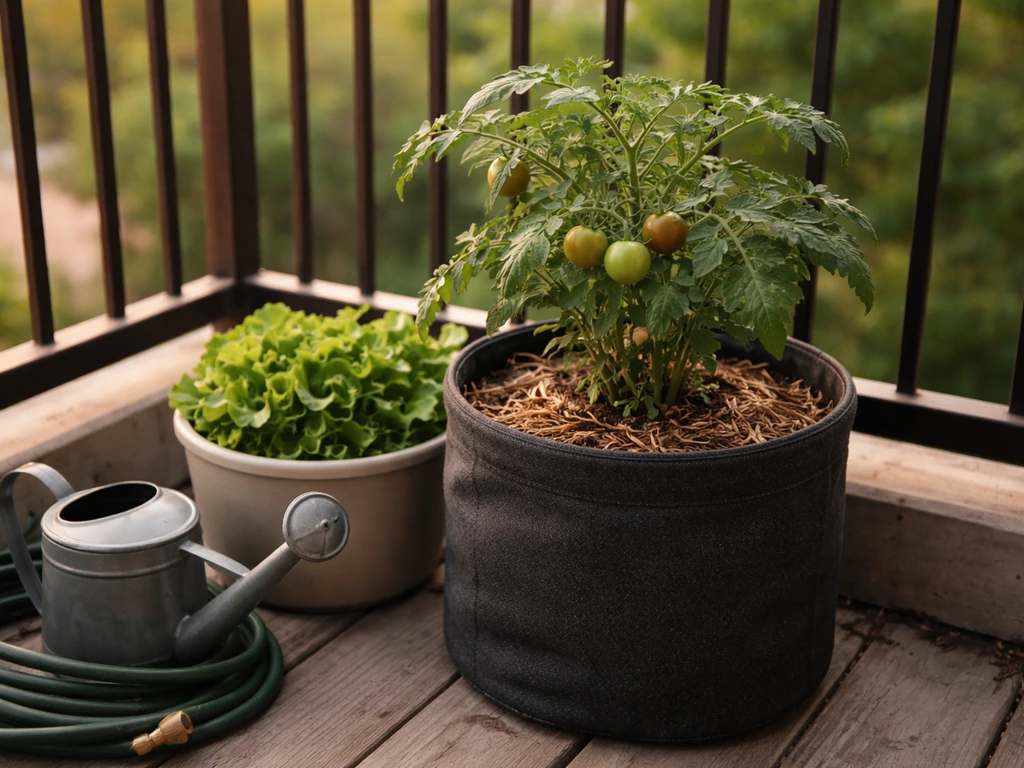
The single biggest mistake new growers make is waiting until they have ideal conditions. You do not need a homestead to start. You can grow meaningful amounts of food in containers on a patio, in raised beds in a backyard, or in a converted strip of lawn. The scale just determines which crops and systems make sense.
Container gardening (apartment, balcony, or small patio)
UNH Extension recommends one tomato plant per four or five-gallon container, and that is a reasonable minimum. Go smaller and the plant stresses, yields crash, and you wonder why it did not work. SDSU Extension puts average tomato yield at 10 to 20 pounds per plant, which means a single well-managed container tomato can put real food on your table through summer. Leafy greens like arugula, kale, lettuce, and spinach are even more container-friendly because they grow fast, tolerate smaller pots, and can be harvested repeatedly throughout the season. UW Extension specifically calls these out as ideal container crops because you can seed them, harvest outer leaves, and replant in a continuous cycle.
For containers, the practical starting list is: one or two tomato or pepper plants in five-gallon-plus pots, plus several smaller containers of greens that you succession-plant every three to four weeks. That rotation keeps production continuous rather than giving you one big harvest and then nothing.
Backyard raised beds (50 to 500 square feet)
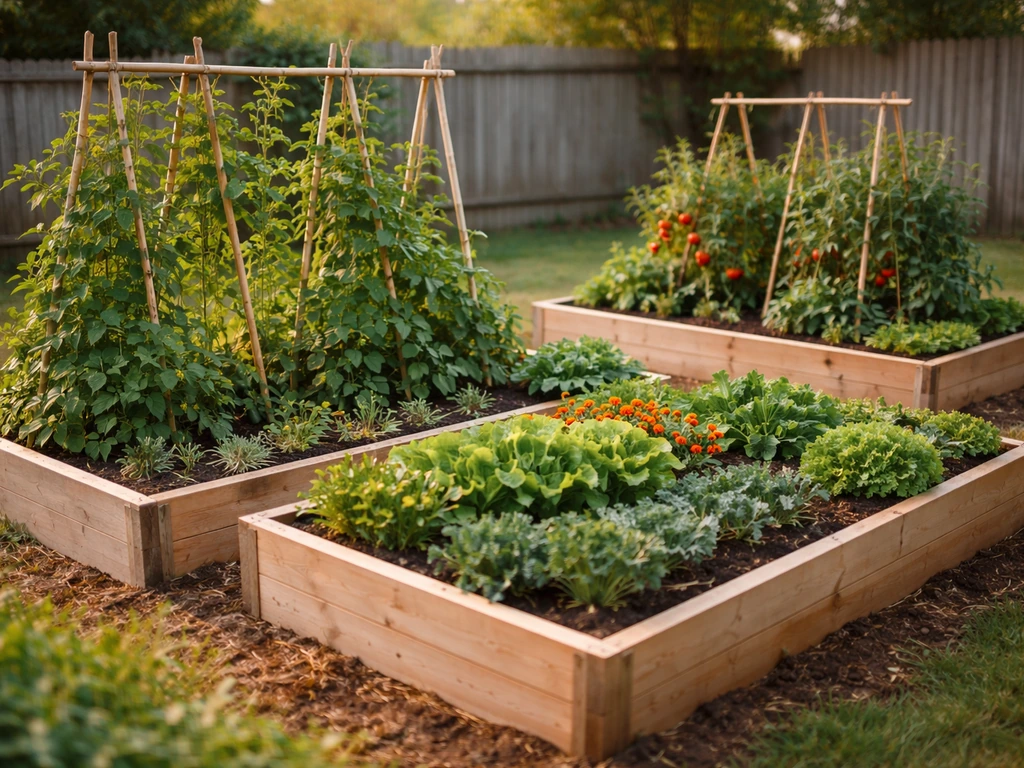
At this scale you can get serious. A well-managed 100-square-foot bed with good soil can produce enough vegetables to meaningfully supplement a household's diet through the growing season. The key is density planting and succession scheduling. Do not grow one crop per bed in one big planting. Stagger plantings of fast crops like radishes, lettuce, and beans between slower ones like tomatoes and squash. Intercropping (growing compatible crops in the same bed at the same time) is one of the best tools at this scale: plant basil under tomatoes, grow lettuce between pepper plants while they are still small, tuck in a row of carrots alongside your brassicas.
Homestead scale (1/4 acre and up)
At homestead scale, the focus shifts from supplementing groceries to actually replacing a significant portion of them. This is where staple crops like potatoes, dry beans, corn, winter squash, and sweet potatoes become worth the effort, alongside a full perennial infrastructure of fruit trees, berry bushes, and perennial vegetables. You are also managing at a scale where soil health, water systems, and crop rotation become non-negotiable, not optional improvements.
Which crops and systems scale best (yield per effort)
Not all crops are equal when you measure output against the time and inputs they require. For most home growers, the highest-return choices are the ones that produce prolifically over a long season, require minimal processing, and can be preserved easily.
| Crop | Space needed | Typical home yield | Effort level | Best for |
|---|---|---|---|---|
| Tomatoes | 5 gal container or 4 sq ft bed | 10–20 lbs per plant | Medium | Fresh eating, canning, sauce |
| Zucchini/Summer squash | 6–8 sq ft | 20–30 lbs per plant | Low | Prolific fresh eating |
| Kale/Chard | 1–2 sq ft per plant | Continuous harvest for months | Low | Nutritional density, cut-and-come-again |
| Green beans (bush) | 1 sq ft per plant | 3–5 lbs per 10 ft row | Low | Fresh and preserved |
| Potatoes | 1 lb seed per 10 sq ft | 5–10x return by weight | Medium | Calorie staple, stores well |
| Dry beans | 6 sq ft per 10 ft row | High calorie and protein density | Low-medium | Long-term food storage |
| Lettuce/Greens | Small containers or dense beds | Continuous if succession-planted | Low | Year-round nutrition in mild climates |
Systems matter as much as crop choice. Succession planting, the practice of making small repeat plantings every two to four weeks instead of one big planting, is the single highest-leverage habit you can build. It smooths out your harvest so you are not drowning in lettuce for two weeks and then having nothing. Intercropping reduces wasted bed space and can suppress weeds. Perennial crops like asparagus, fruit trees, and berry bushes require upfront investment but pay off for years or decades with relatively low annual labor.
Soil, water, and climate constraints you must plan for
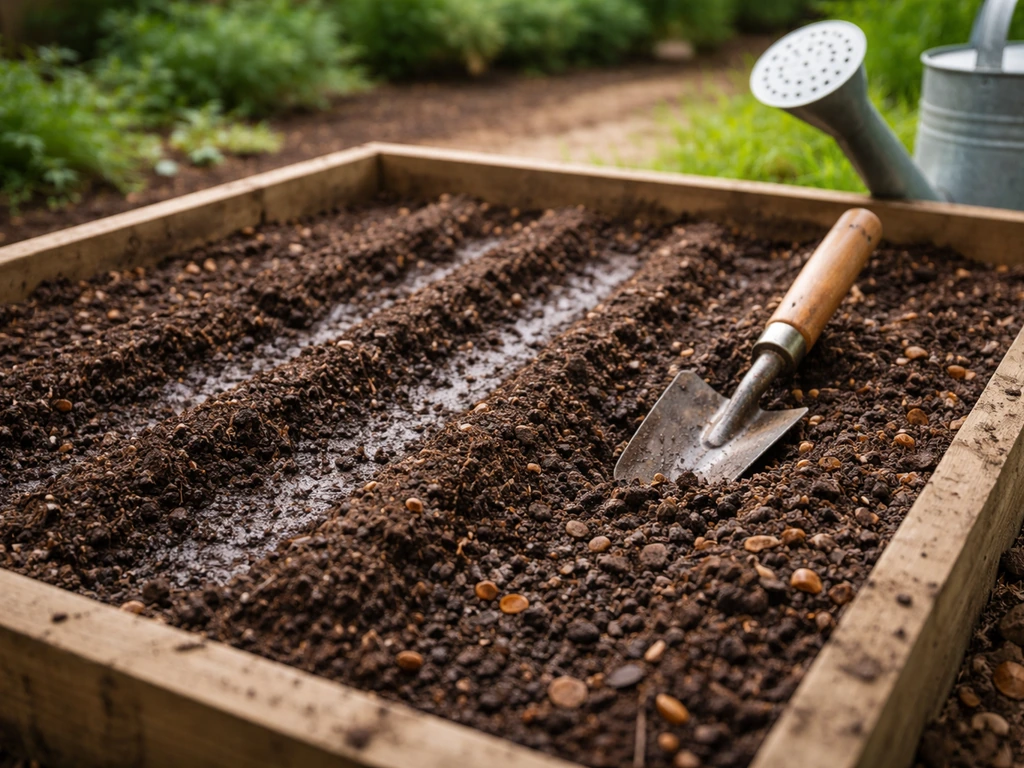
Here is the honest truth: you can pick the perfect crops and still fail if your soil, water, and climate planning are not aligned. These are not afterthoughts. They are the foundation everything else sits on.
Soil fertility and composting
Healthy soil grows healthy food. If your soil is compacted clay, sandy and nutrient-poor, or depleted from years of poor management, your yields will show it. The global fertilizer price shocks of 2021 and 2022 are a useful reminder that dependence on synthetic inputs creates vulnerability. The home grower's answer is composting. A consistent compost system, even a simple pile or bin, converts kitchen scraps and garden waste into the best soil amendment you can use. Pair composting with crop rotation (moving plant families around your beds each year to prevent nutrient depletion and disease buildup) and you build fertility without buying it.
Water management and rainwater capture
Water is the constraint that ends more gardens than any pest or disease. If you are relying entirely on municipal water and a hose, your garden is both expensive to run and fragile if restrictions kick in. Even a simple rain barrel connected to a downspout can capture hundreds of gallons per storm. At homestead scale, a small pond, swale system, or cistern can make the difference between a productive garden through drought and a failed one. Drip irrigation is worth the upfront cost at any scale above containers: it delivers water to roots rather than leaves, reduces disease pressure, and uses a fraction of the water overhead sprinklers require.
Climate-first crop planning
What works in growing zone 5 will not necessarily work in zone 9, and vice versa. Before you plant anything, know your frost dates, your typical summer heat, and your rainfall patterns. Choose varieties bred for your conditions, not just the ones on the front of a seed catalog. In hot climates, plant cool-season crops in fall and winter rather than fighting summer heat. In short-season northern climates, prioritize fast-maturing varieties and use row covers to extend your season on both ends. Climate is not a fixed constraint, but ignoring it guarantees problems.
Practical steps, cost-benefit, and next actions
Understanding why the world needs more food is useful context, but the actionable question is what you can actually do about it starting today. And even if home growing can help individuals and households, it still raises the larger question of whether global food production can meet everyone’s needs. Here is how to think about it in practical terms.
Calculate your realistic yield potential
Start with the space you have. Count your square footage of usable growing area (or number of containers). Use extension service yield estimates as your baseline: 10 to 20 pounds of tomatoes per plant, roughly a 5x to 10x weight return on seed potatoes, continuous greens harvests from a small bed succession-planted every three weeks. Be conservative in your first year. Most new growers over-plan and under-execute. A realistic target for a beginner with 100 square feet of raised bed and four containers might be 50 to 100 pounds of produce in a full growing season. That is real, meaningful food.
Run a simple cost-benefit comparison
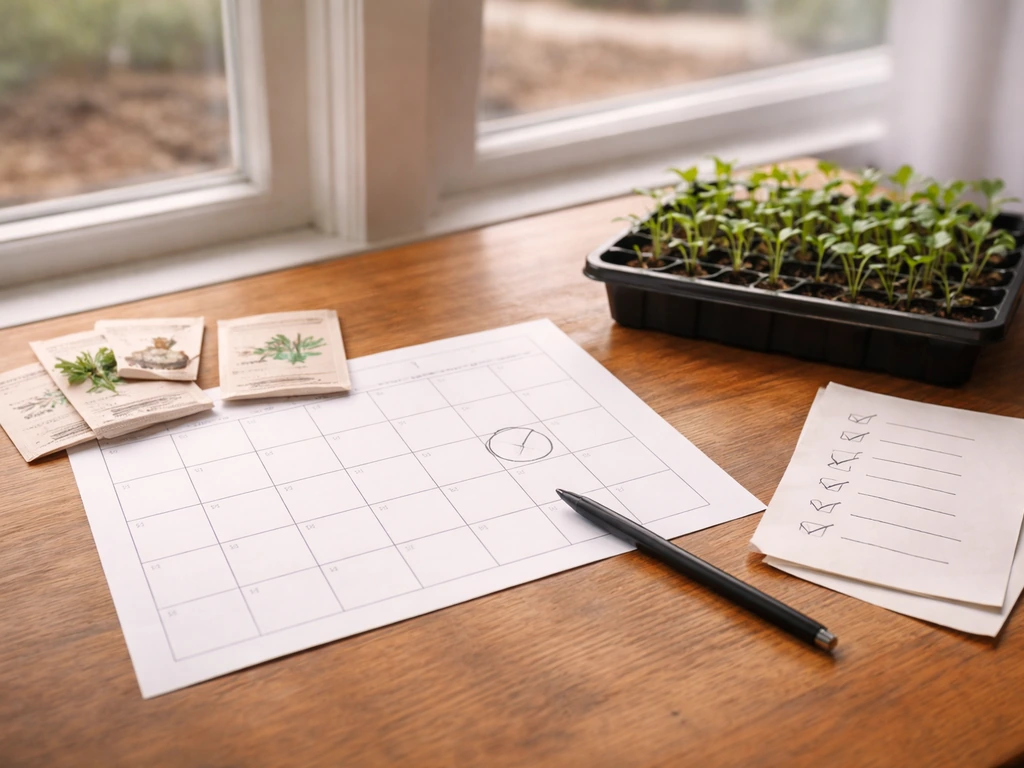
Track your spending and your harvest weight for the first full season. Seeds for a 100-square-foot garden typically run $20 to $50. Add soil amendments, compost, and basic tools and you might spend $100 to $200 in year one. If you harvest 80 pounds of produce, and that produce would have cost you an average of $2.
50 per pound at retail (a conservative figure for fresh vegetables), you have produced $200 worth of food. Year two, your tool costs are gone, your soil is better, and your cost drops sharply while your yield goes up. The math gets more favorable every year, which is the opposite of what happens when you rely entirely on a grocery supply chain subject to price shocks.
Build your production roadmap
- Know your growing zone and frost dates before you buy a single seed.
- Start a compost system this week, even a simple bin or pile in a corner of your yard.
- Choose three to five high-yield crops suited to your climate and space for your first season.
- Plan succession plantings on a calendar so you are not planting everything at once.
- Set up at least one rain-capture system, even a basic barrel, before your first dry stretch.
- Track your harvest weights and grocery spending side by side so you can see the actual return.
- Add one perennial crop each year: a fruit tree, berry bush, or asparagus bed that pays off for decades.
- Expand your growing area by 20 to 30% each season rather than trying to scale everything at once.
The world's food challenges are real and they are not going away. But the response does not have to feel overwhelming. Every pound of food you grow at home is a pound that did not depend on a supply chain that might not hold. Start small, track what you grow, improve your soil every year, and let your system grow with you. That is not a symbolic gesture. It is a practical hedge against a food system under genuine and increasing stress.
FAQ
Is growing food at home actually meaningful if it only affects one household?
It is meaningful as a risk-reduction strategy, not as a replacement for global production. Even a small portion of vegetables you grow yourself can lower how exposed you are to local price spikes or shortages, and it can free up household cash for other necessities when food costs rise.
What if I do not have a yard, can I still start with container growing?
Yes. Containers can work if you match crop choice to pot size, especially for tomatoes and peppers that need deeper volume. Use at least five-gallon-plus pots for fruiting crops, and treat greens as the core of smaller containers because they tolerate tighter root space and can be harvested repeatedly.
How do I avoid the common “everything at once” problem in summer gardens?
Use succession planting on a schedule, not by memory, for example reseeding greens every 3 to 4 weeks. Also plan your beds so fast crops cycle out while slower crops are still developing, rather than planting the entire bed with the same maturity date.
Do I need to buy soil or can I use what is already in my beds?
If the existing soil is compacted or depleted, amending it with compost can help, but do not assume it will perform like purchased raised-bed mix. A practical approach is to test drainage and fertility, then top-dress with compost and observe yields in the first season before scaling up.
How can I reduce fertilizer cost without taking big yield hits?
Build fertility with a consistent compost routine and compost-based top dressing, then rotate plant families so nutrients are not repeatedly depleted in the same spot. If you rely on synthetic fertilizers, budget volatility can be mitigated by using smaller, targeted applications rather than broad, heavy feeding.
When water is limited, what should I prioritize in the garden?
Prioritize water for crops that are most sensitive to stress during flowering and early fruiting. Switch from overhead watering to drip irrigation if possible, and use mulch to reduce evaporation, because water loss from the soil surface is often the real bottleneck.
How do I choose crops if I am between climate zones or my location is unusual?
Base variety selection on your actual frost dates and heat patterns, not the average zone alone. If you live in a microclimate (near a wall, on a higher elevation, or in a windy area), start with varieties that are known for your season length and consider row covers for frost protection or shade in heat waves.
What if pests show up early, should I switch to more resistant crops or more treatments?
Start with prevention and habitat changes first, since rotating crops and using proper spacing reduces disease and pest buildup. Then choose varieties suited to your conditions, and only after that consider targeted controls, because constant “spray and pray” usually costs time and reduces soil health improvements.
How much produce should I realistically expect in year one?
Expect less than your plan and more than you think, a typical beginner target is supplemental quantities from a manageable footprint. If you over-plan, you will likely under-execute, so choose fewer crop types, track yields, and expand next season based on what actually thrived.
What is the best way to measure whether the garden is “working” beyond feeling successful?
Track two numbers: total harvest weight and total spending for each season. Comparing harvest weight to your costs helps you spot whether you are failing due to crop choice, soil limitations, or water issues, and it makes improvements more objective over time.
Can growing at home reduce dependence on the supply chain during a crisis?
Yes at the household level, but only for crops you can successfully grow in your conditions. Focus on staples or recurring harvests you can preserve, like greens for quick turnover or potatoes and winter squash for longer storage, so the benefit lasts beyond the growing window.
Next Article
Do We Grow Enough Food to Feed the World? How to Think and Act
Explains if global food is enough versus access and waste, then gives home gardening steps to shrink the hunger gap.