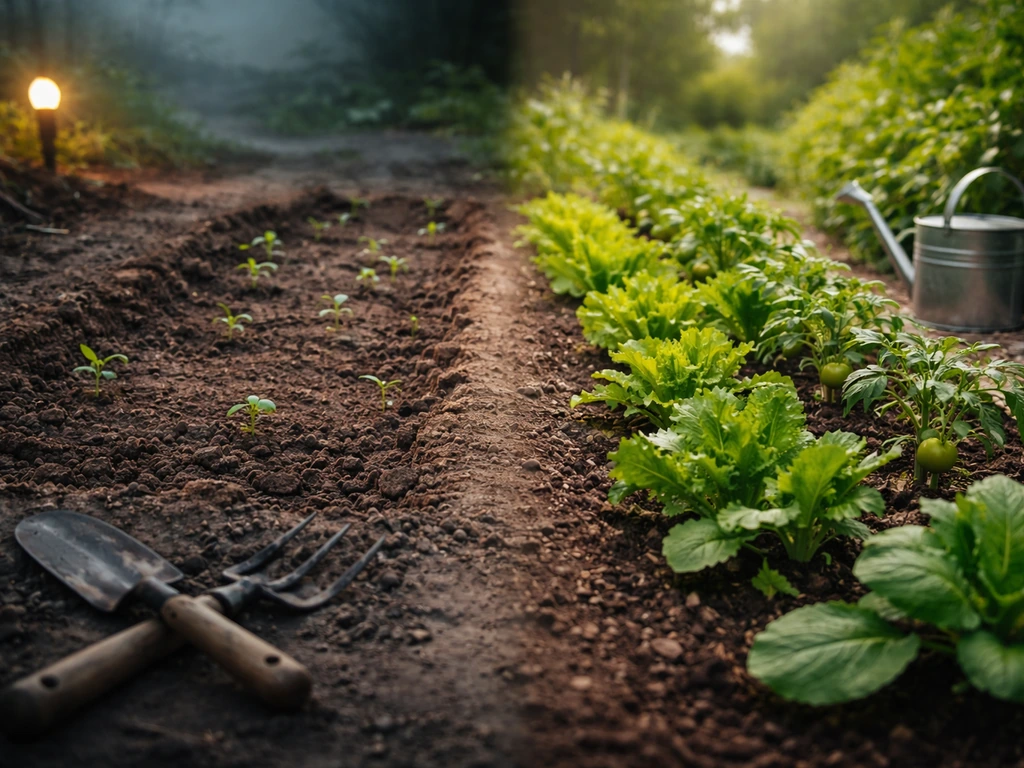
The most cost effective vegetables to grow at home are leaf lettuce, radishes, zucchini, kale, green beans, tomatoes (from seed), herbs like basil and cilantro, and salad greens like spinach and arugula. These win on the numbers because they produce high yields relative to their seed cost, mature quickly, and replace grocery items that are genuinely expensive or short-lived on the shelf. A single $3 packet of leaf lettuce seed can produce 20 or more cuts across a season, replacing $40 or $50 worth of bagged salad greens. That kind of return is hard to beat anywhere else in the garden.
What Are the Most Cost Effective Vegetables to Grow
Marcus Hendrick
19 May 2026
How to judge "most cost effective" for your garden
Cost effectiveness in a home garden is not just about cheap seeds. It is a real math problem: what did you spend to produce the food, and what would you have paid at the store? UF/IFAS frames it exactly this way: your savings equal the grocery value of what you harvested, minus everything you spent growing it. So before you plant anything, you need to think about three things: yield, input costs, and risk.
Yield is your return. Penn State Extension publishes marketable yield estimates per plant for dozens of vegetables, and those numbers are useful anchors. Penn State Extension’s “Crop Yield Estimates for Vegetables” includes average marketable yield per plant, which you can use to convert cost-per-plant into cost-per-pound. Broccoli, for example, averages around 1.75 lbs per plant according to the University of Maine planting chart. If you spent $0.50 per transplant and harvested 1.75 lbs, your cost per pound from the plant alone is about $0.29 before you factor in soil amendments, water, and time. That is competitive. But if you bought a six-pack of transplants for $6 and only got 6 plants at 1.75 lbs each, that is $0.57 per plant just in starts, before anything else.
Input costs are everything you spend: seeds or transplants, soil amendments, fertilizer, water, pest control, and any tools or infrastructure. Growing from seed is almost always the most cost-effective entry point. UF/IFAS specifically calls seed starting the most inexpensive way to begin a vegetable garden. A packet of seeds that costs $3 and contains 200 seeds is a fundamentally different financial proposition than buying 6 started plants for $5.
Risk is the factor most beginner gardeners ignore. A crop with high potential yield is not cost effective if it fails 40% of the time in your climate, gets wiped out by a pest you did not plan for, or requires expensive inputs to produce anything useful. Melons are a classic example: beautiful potential, but they need space, heat, careful watering, and pest management, and a single bad week can kill the whole planting. Radishes, on the other hand, almost never fail and produce in 25 days.
The simple formula to use
Think of it this way: (Cost of seeds + amendments + water + pest control) divided by (total pounds harvested) = your true cost per pound. Then compare that number to your local grocery store price for the same item. If your cost per pound is lower, and especially if the homegrown version is fresher or higher quality, you are winning. The vegetables on this list consistently produce a cost per pound well below retail, even accounting for real input costs.
The top low-cost, high-value vegetables to grow
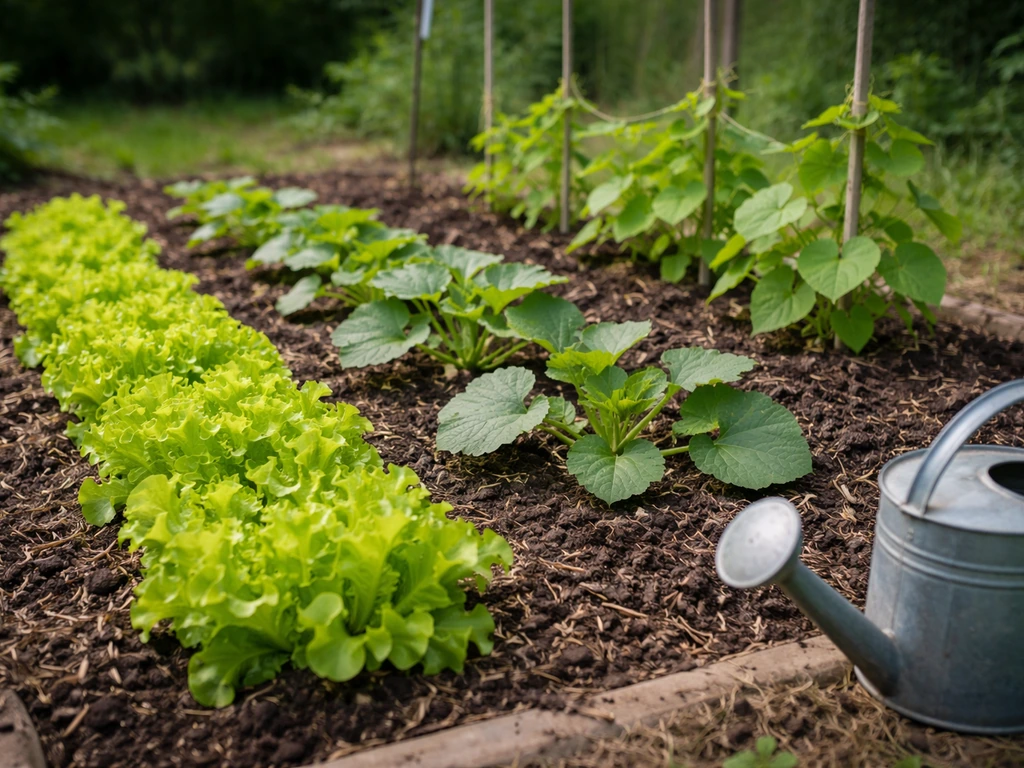
These picks are chosen for reliability, fast turnaround, low input needs, and high replacement value at the grocery store. They work well for beginners and experienced growers alike.
| Vegetable | Approx. seed cost | Avg. yield | Days to harvest | Grocery value ($/lb) |
|---|---|---|---|---|
| Leaf lettuce | $2–3/packet (200+ seeds) | Ongoing cuts per plant | 30–45 days | $3–6/lb (bagged mix) |
| Radishes | $2/packet (100+ seeds) | High per sq ft | 25–30 days | $2–3/bunch |
| Zucchini | $2–3/packet | 10–20+ lbs/plant | 50–65 days | $2–3/lb |
| Kale | $2–3/packet | Ongoing cuts per plant | 55–65 days | $3–5/lb (organic) |
| Green beans (bush) | $3–4/packet | 0.5–1 lb/plant | 50–60 days | $2–3/lb |
| Tomatoes (from seed) | $3–4/packet | 10–20+ lbs/plant | 70–85 days | $3–5/lb (heirloom) |
| Spinach | $2–3/packet | Multiple cuts | 40–50 days | $4–6/lb (baby) |
| Basil | $2/packet | Ongoing harvest | 60–75 days to bushy | $3–5/bunch |
| Cilantro | $2/packet | Multiple cuts | 45–60 days | $1–2/bunch |
Zucchini deserves special mention. It is almost aggressive in its productivity: one or two well-placed plants in decent soil can produce 15 to 20 pounds of squash across a summer season, and the seeds are cheap. The only real management issue is powdery mildew late in the season, which is manageable. Leaf lettuce is the other standout because of its cut-and-come-again nature. You do not pull the whole plant. You harvest outer leaves repeatedly, which means one seeding produces many meals, and you are replacing some of the most expensive items in the produce aisle, pre-washed baby greens and salad mixes. If you are also wondering what these gardeners grow, once human best crops to grow often come down to fast, reliable producers that you can harvest repeatedly.
Tomatoes take longer and need more attention, but the economics are compelling if you grow them from seed. If you want the totk best crop to grow for fast, repeatable output, look for a variety that thrives in your local window and keeps producing after each harvest. A $3 packet gives you 20 to 30 seeds. Even if you only germinate and plant 10, and each produces 10 to 15 lbs, you are looking at 100 to 150 lbs from a $3 investment plus soil and water costs. At $3 to $5 per pound for organic heirloom tomatoes at retail, the math is obvious. The key is starting from seed rather than buying starts, which can cost $5 to $8 each at nurseries.
Season-by-season picks for maximum savings
Stretching your harvest across more of the year is one of the most effective ways to increase the value of your garden. It is not just about what you grow, but when. Cool-season and warm-season crops serve different windows, and running both back to back on the same bed effectively doubles your output from the same square footage.
Cool-season best bets (spring and fall)
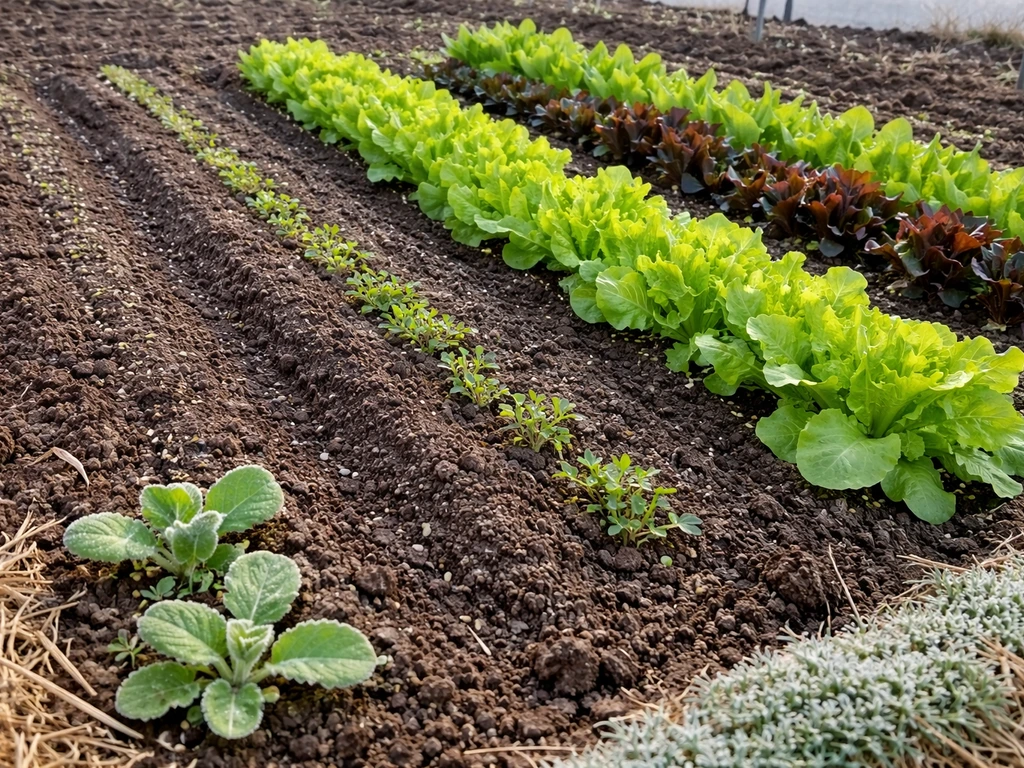
Cool-season crops tolerate frost and actually prefer temperatures between 45 and 65 degrees F. These are your first and last plantings of the year, and they are often the most cost effective because they are fast, high value at the store, and available before and after the main growing season when fresh greens are most expensive. Organic growing also starts with choosing the right crops for your conditions, then managing soil and pests with low-cost methods. UMN Extension recommends planting leaf lettuce and radishes in mid-April in the Midwest and again in August for a fall harvest.
- Leaf lettuce and salad mixes: direct sow as soon as soil can be worked, repeat every 2 weeks
- Spinach: bolt-resistant in cool weather, plant early spring and late summer
- Radishes: fastest crop you can grow, 25 to 30 days, great for filling gaps between other plants
- Kale: extremely productive cool-season crop, frost actually improves flavor
- Arugula: quick to harvest, peppery flavor, high grocery value, re-sow every 3 weeks
- Peas: low input, nitrogen-fixing, good value per seed packet
- Broccoli and cabbage: higher investment but high grocery replacement value
Warm-season best bets (summer)
Once your last frost date passes, switch to warm-season crops. In most of the Midwest and Northeast, this means waiting until mid-to-late May before transplanting tomatoes or zucchini outdoors, as UMN Extension advises. Warm-season crops need heat to produce well, and rushing them before the soil warms up just stalls their growth without saving any time.
- Zucchini and summer squash: fastest and most productive warm-season crop
- Tomatoes: highest total value per plant when grown from seed
- Bush green beans: direct sow, no trellis needed, succession plant every 3 weeks
- Basil: pairs with tomatoes, constant harvest all summer
- Cucumbers: productive in containers with a trellis, high grocery value
- Peppers: slow to mature but very high value per pound, especially specialty varieties
Succession planting is the tool that ties both seasons together. Instead of planting everything at once and then dealing with a glut followed by nothing, you plant smaller amounts every two weeks. UMD Extension recommends this approach specifically for sustained harvest. For lettuce and beans especially, succession planting is the difference between a productive garden and a garden that overwhelms you for two weeks and then goes quiet.
Making the most of limited space
You do not need a large yard to grow cost-effective vegetables. Container growing is genuinely viable when you match the right crops to the right container sizes. Nebraska Extension specifically notes that containers can provide quality produce in limited space when managed well.
Container size matters a lot. Illinois Extension provides guidance on minimum container sizes: a 1-gallon container can support 2 cucumber plants or 2 to 3 bush bean plants. WVU Extension recommends at minimum a 5-gallon container for tomatoes, and similar depths for cucumbers and squash. OSU Extension adds that for containers, you should always choose bush varieties of cucumbers and squash rather than vining types, since vines quickly outgrow their space and become unmanageable.
| Crop | Minimum container size | Notes |
|---|---|---|
| Lettuce / spinach | 6–8 inch depth, 1+ gallon | Great windowsill or balcony crop |
| Radishes | 6 inch depth | Fast turnover, reseed quickly |
| Bush beans | 8–10 inch depth, 1+ gallon per 2–3 plants | No trellis needed |
| Cucumbers (bush) | 5-gallon, 12+ inch depth | Add a small trellis or cage |
| Zucchini / summer squash (bush) | 5-gallon minimum | One plant per container |
| Tomatoes (determinate) | 5-gallon minimum, 12+ inch depth | Stake or cage required |
| Herbs (basil, cilantro) | 4–6 inch depth | Easy windowsill or patio growing |
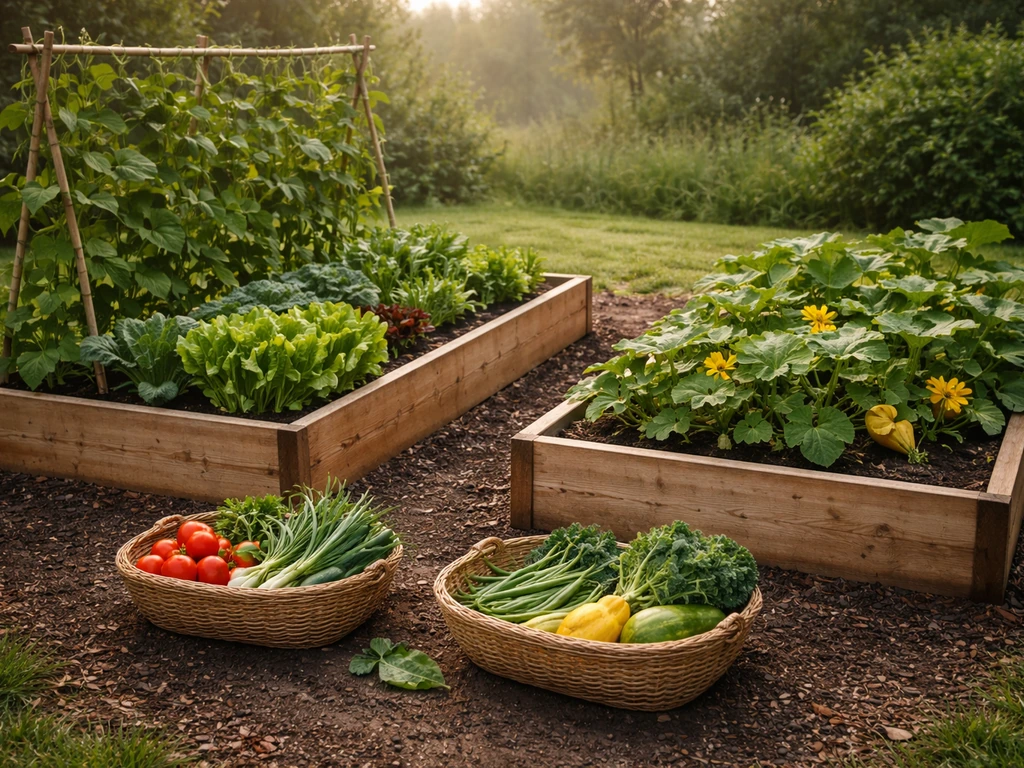
In small raised beds, succession planting and vertical growing are your two biggest tools for maximizing output per square foot. Trellised cucumbers and pole beans take up almost no ground space when grown vertically. UMN Extension notes that trellised vines should be planted at the base of the trellis with normal spacing, and the vertical structure effectively multiplies your usable growing area. In a 4x4 raised bed, you can run lettuce in the front, beans or cucumbers on a trellis at the back, and herbs in the corners and genuinely produce a meaningful amount of food.
Planning for your local conditions
The most cost-effective vegetables for someone in coastal California are not the same as for someone in Minnesota or Georgia. Climate, frost dates, sun exposure, soil quality, and local pest pressure all shift the math. What works brilliantly in one yard may struggle in another, and ignoring this is one of the most expensive mistakes in gardening.
Start with your frost dates. Your last spring frost date determines when warm-season crops can go out, and your first fall frost date tells you how long your growing season actually is. Most cooperative extension services publish last frost maps and planting calendars specific to your state or county. UNH Extension frames it simply: do not transplant frost-sensitive plants before your area's last safe date. For most of zones 5 and 6, that window is mid-to-late May.
Sun is non-negotiable for most of the high-value crops on this list. Tomatoes, zucchini, cucumbers, and peppers need at least 6 to 8 hours of direct sun daily. If your space gets less than that, shift toward leafy greens, which tolerate partial shade and actually benefit from some afternoon shade in hot climates. A shady spot trying to grow tomatoes is a reliable way to spend money on plants that produce almost nothing.
Soil quality directly determines whether your yield numbers will hit the averages or fall well short. Before you add anything to your soil, get a soil test. University of Maine's guidance shows exactly how to calculate lime application rates: for example, applying 40 lbs of lime per 1,000 sq ft to bring soil pH up to 6.5. That kind of specific information is far more useful and cost effective than guessing and buying products you may not need. Most state extension services offer soil testing for $15 to $25, and it will save you far more than that in wasted amendments.
Local pest pressure shapes which crops are truly low-risk for you. If squash vine borers are heavy in your region, zucchini requires row cover protection early in the season or you may lose plants before they produce. If aphids or cabbage worms are a known issue, brassicas need monitoring. This does not mean avoiding those crops, but it means budgeting for a row cover or lightweight insect netting, which USU Extension notes can serve double duty for temperature protection and pest exclusion.
How to grow these vegetables for the lowest possible cost
Seeds vs. starts
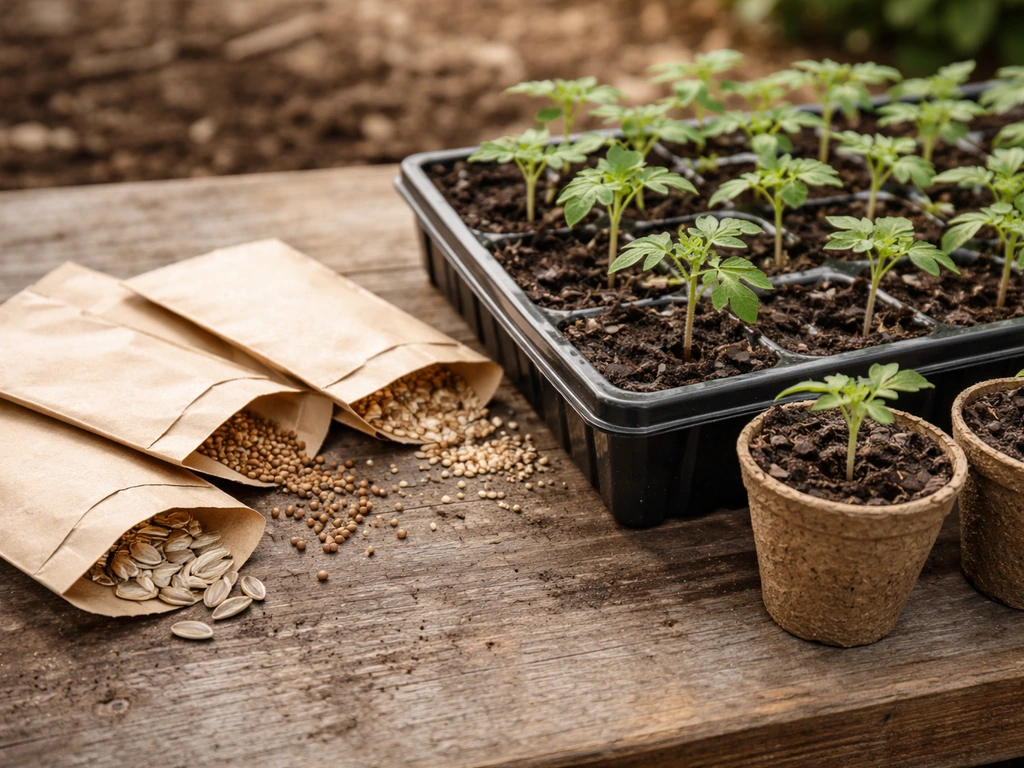
Grow from seed whenever you can. UF/IFAS says it directly: seed is the most inexpensive way to start. A $3 packet of tomato seeds contains 20 to 30 seeds. Six started tomato transplants at a nursery cost $30 to $48 and represent a fraction of the genetic diversity. For direct-sow crops like beans, radishes, lettuce, spinach, and squash, buying transplants does not even make sense: these crops resent transplanting and do better direct-seeded anyway. The only real case for buying starts is when you lack grow lights for indoor seed starting, or when you are starting just one or two tomato or pepper plants and the economics of a seed-starting setup do not pencil out.
Soil amendments: spend wisely
Good soil is a one-time investment that compounds over years. A bed with rich, well-draining soil full of organic matter will consistently outperform a bed that gets a lot of expensive fertilizer on poor structure. UMN Extension notes that fertilizer cost per pound depends on the package price, weight, and nutrient concentration, such as ratios like 10-20-10 fertilizer “cost per pound”. Colorado State University Extension recommends compost for improving physical soil properties and gives routine application guidance, but also cautions that compost alone may not supply enough nitrogen for high-demand crops. For most vegetable beds, a 2 to 3 inch layer of finished compost worked in before planting is the most cost-effective amendment you can make. Add a balanced fertilizer only if your soil test shows specific deficiencies. Buying amendments based on guesswork is expensive and often counterproductive.
Water: free is better
Vegetables need about 1 to 1.5 inches of water per week, as Penn State Extension advises. In dry climates or during summer heat, this adds up. Mulching your beds with straw, wood chips, or shredded leaves dramatically reduces water loss through evaporation, and USU Extension lists more efficient water use as a key benefit of mulch. If you can, set up a rain barrel to collect water from your roof. It costs almost nothing to run and can meaningfully reduce your water bill over a growing season. Drip irrigation is more efficient than overhead watering for both water use and disease prevention, especially for tomatoes and squash which are prone to foliar problems when wet.
Pest management without spending a fortune
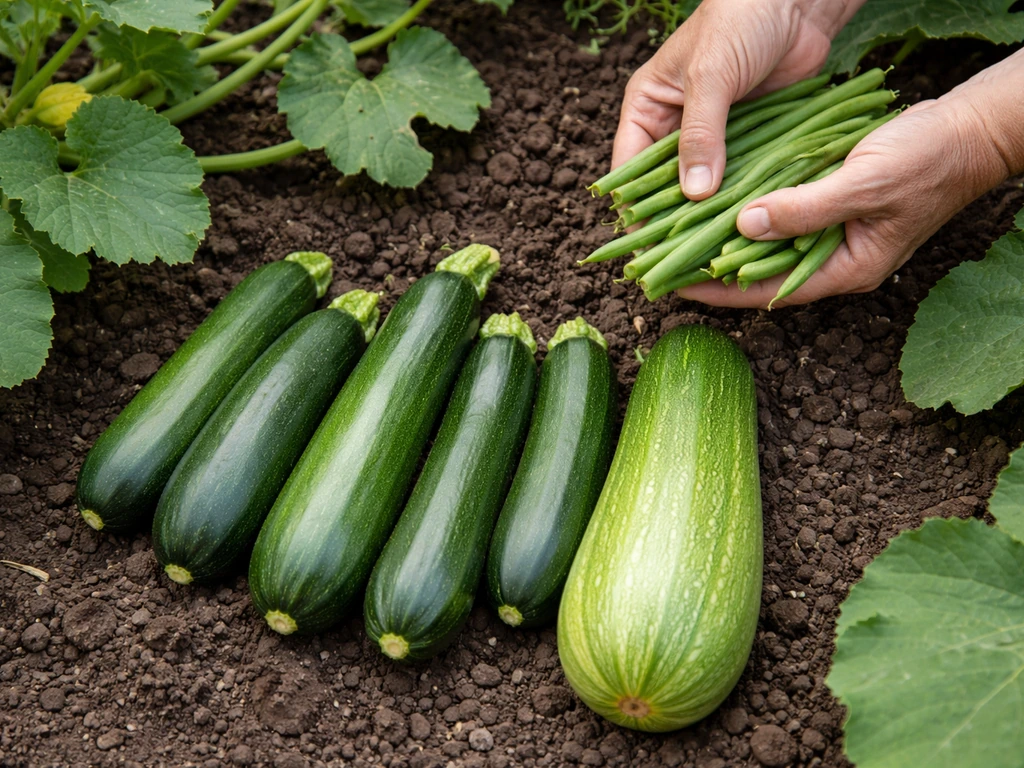
An Integrated Pest Management approach, which UA Cooperative Extension defines as using multiple tactics rather than defaulting to chemicals, is both cheaper and more effective long-term. Physical barriers like row covers and insect netting are your first line of defense and one-time costs that last several seasons. UNH Extension notes that row covers reduce the need for pesticides. One important caveat from UMD Extension: for crops that need insect pollination like cucumbers, squash, and melons, row covers must be removed once flowering begins or you will get no fruit. If you do need to spray, UMass Extension recommends starting with insecticidal soap or neem oil (azadirachtin) before anything stronger, and always checking bee toxicity warnings before applying near flowering plants.
Harvest timing: do not leave money on the plant
Harvesting at the right time keeps your plants producing. Zucchini left too long becomes a baseball bat and signals the plant to stop producing new fruit. Beans left to dry on the vine tell the plant its job is done. Lettuce that bolts goes bitter and inedible. Checking your garden every day or two during peak season is not optional: it is the difference between a productive plant and a stalled one. For cut-and-come-again crops like lettuce and kale, harvesting frequently actually increases total yield.
A simple cost-per-pound calculator with example budgets
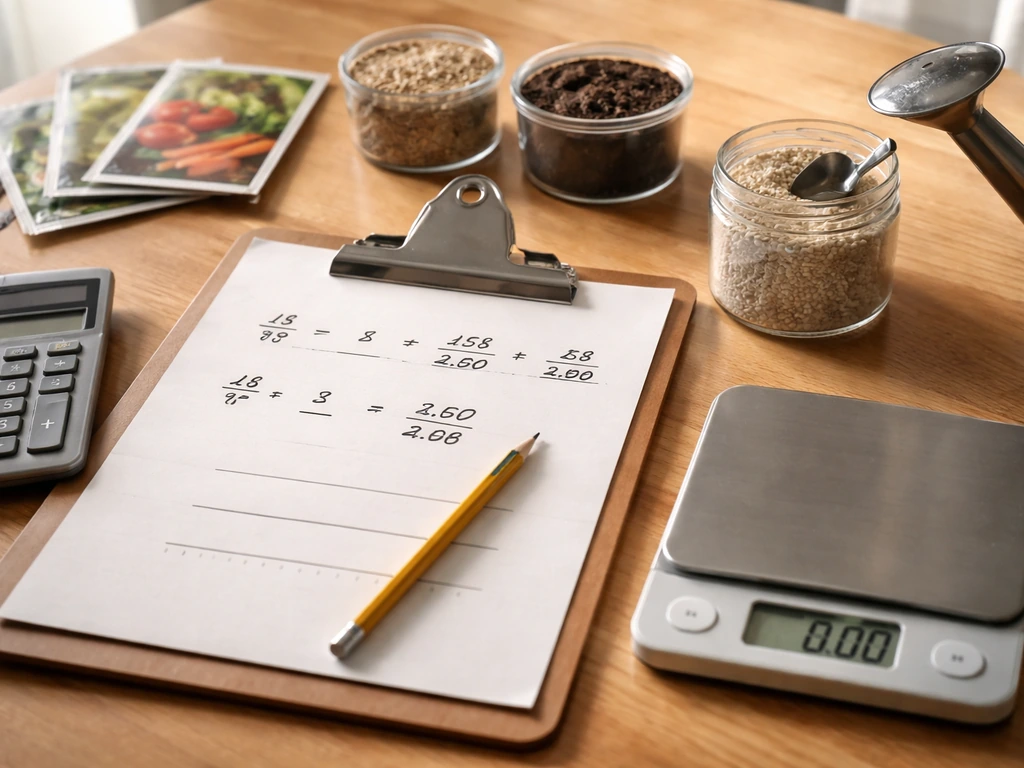
The UF/IFAS framework for calculating vegetable garden savings is straightforward: add up all your costs, estimate your harvest in pounds, and compare the result to what you would have paid at the store. Here is how that looks in practice for a few common crops.
The formula
True cost per pound = (Seeds + soil amendments + water + pest inputs + infrastructure share) divided by total pounds harvested. Savings per pound = grocery retail price minus your true cost per pound. Total season savings = savings per pound multiplied by total pounds harvested.
Example: leaf lettuce in a 4-foot row
- Seeds: $2.50 (half a packet, enough for a 4-foot row with succession replanting)
- Compost amendment (shared across bed): $1.00 allocated to this row
- Water: approximately $0.50 for the season
- Total input: $4.00
- Expected yield: 3 to 5 lbs of cut greens across the season from one 4-foot row with succession cuts
- Your cost per pound: $0.80 to $1.33
- Retail price for comparable baby greens mix: $4 to $6 per lb
- Savings: $2.67 to $5.20 per pound, or $8 to $26 for the row across the season
Example: zucchini (2 plants)
- Seeds: $2.00 (direct sow, 2 seeds per hill, thin to 1 plant)
- Compost and fertilizer: $2.00 allocated
- Water: $1.50 for the season
- Row cover for squash vine borer protection: $5.00 (reusable for 3+ seasons, allocate $1.67 per year)
- Total input: approximately $7.17
- Expected yield: 20 to 30 lbs from 2 plants across summer
- Your cost per pound: $0.24 to $0.36
- Retail price for zucchini: $2 to $3 per lb
- Savings: $1.64 to $2.76 per pound, or $33 to $83 for the season
Example: tomatoes from seed (4 plants)
- Seeds: $3.50 (packet, start 10 seeds indoors, transplant 4 best seedlings)
- Seed-starting mix and pots: $3.00 (reusable next year, allocate $1.50)
- Compost and fertilizer: $4.00
- Stakes or cages: $6.00 (reusable, allocate $1.50/year)
- Water: $3.00 for the season
- Total input: approximately $13.50
- Expected yield: 40 to 80 lbs from 4 plants (10 to 20 lbs each)
- Your cost per pound: $0.17 to $0.34
- Retail price for comparable heirloom tomatoes: $3 to $5 per lb
- Savings: $2.66 to $4.83 per pound, or $107 to $386 for the season
These numbers are not guaranteed, but they represent realistic outcomes for a competent home gardener in a good growing season. UF/IFAS even provides an interactive Excel cost workbook for this type of calculation if you want to build out a full garden budget. The takeaway is that even with honest accounting of all inputs, most of the vegetables on this list return $3 to $10 in grocery savings for every $1 invested.
Mistakes that quietly destroy your cost effectiveness
A lot of gardeners end up spending more than they save, not because growing food is expensive, but because of specific, avoidable mistakes. Here are the ones that come up most often.
Buying transplants for everything
If you buy started transplants for crops that are cheap and easy to direct sow, like beans, lettuce, radishes, squash, and cucumbers, you are paying 5 to 10 times more than necessary for your plants. Save transplant purchases for crops where it genuinely makes sense: peppers and tomatoes, where starting from seed requires indoor grow lights and a 6 to 8 week lead time, or where you truly only want one or two plants.
Poor timing
Planting warm-season crops too early is one of the most common and expensive mistakes. Cold soil does not kill most transplants outright: it just stalls them. A tomato transplant put out two weeks before last frost and beaten by cold nights will be overtaken by a transplant put out at the right time two weeks later. You gain nothing and risk losing the plant. Know your last frost date and respect it. For cool-season crops, the opposite mistake is planting too late into spring heat. Lettuce planted in June in a zone 6 garden will bolt in two weeks. Plant it in March and again in August.
Ignoring soil fertility
Underfertilized plants in poor soil produce a fraction of what they are capable of. If your tomatoes are yielding 3 lbs per plant when they should be hitting 15, your cost per pound just jumped by 500%. Soil fertility is where most of the yield variance comes from. Spend $15 to $25 on a soil test before you spend money on amendments: it tells you exactly what you need and prevents you from over-applying things you do not need. WVU Extension identifies soil amendments as a core budget line in any garden plan, and that investment pays compounding returns when done correctly.
Overbuying inputs and gadgets
It is easy to walk into a garden center and spend $100 on fertilizers, pest controls, soil additives, and specialized tools before you have planted a single seed. Most of this is unnecessary, especially for the high-value beginner crops on this list. Start with quality compost, a basic balanced fertilizer if your soil test calls for it, seeds, and a good watering method. Add inputs only when you have a specific diagnosed problem, not as a precaution.
Planting too much of one thing at once
A full 4x8 bed planted to zucchini on the same day will produce more squash in July than any family can eat, followed by nothing. Succession planting in smaller quantities every two weeks solves this. OSU Extension ties succession planting directly to days-to-maturity calculations: if your crop takes 50 days, plant a new round every 14 to 21 days so you have a rolling harvest rather than a glut. This also means less waste, less overflow stress, and a steadier replacement of grocery purchases across the whole season.
Losing crops to preventable pest and disease problems
A crop you lose to pests or disease has infinite cost per pound: you spent money and got nothing. Row covers, crop rotation, and prompt response to early pest signs are your best insurance. Wisconsin Horticulture notes that even with row covers, pests can find their way in and recommends crop rotation as a companion strategy. Check your plants at least every few days during the growing season. Catching a problem when it involves 5 aphids is completely different from catching it when it involves 5,000.
If you want to take things further and think about growing vegetables for income or trading rather than just household savings, the economics shift somewhat: volume, marketability, and specialty value start to matter more. If you are aiming for the best crops to grow for profit, you will want to shift from maximizing home savings to prioritizing volume, marketability, and demand where you sell. But for most home gardeners focused on cutting their grocery bill, the crops and strategies in this guide are the straightforward answer. Start with lettuce, radishes, zucchini, and beans. If you are trying to build the best crop lineup, focus on the ark best crops to grow for your climate and season so your savings stay consistent. If you are still wondering what crops to grow for the best cost savings, use the seasonal picks above to match your timing and climate ark what crops to grow. If you want the best organic vegetables to grow for profit, focus on reliable, fast-turnover crops like lettuce, radishes, zucchini, and beans, and sell what your market actually buys. Master those. Then add tomatoes from seed the following year. You will be surprised how quickly the math adds up in your favor.
FAQ
How do I compare my garden cost to what I pay at the store if prices vary a lot?
Start with the grocery price you actually pay for comparable quality, not the lowest-sale price. If you buy pre-washed mixed greens or organic tomatoes, your savings usually look much better. Also treat “value” differently for crops with multiple uses, for example basil and cilantro can replace several grocery items, not just one salad component.
Are vegetables still cost effective if my garden has frequent pest or weather failures?
Yes, but only if the crop is still reliably productive after you account for failures. Use your true cost per pound formula and include a “replacement cost” for likely loss, for example, row-cover cost per season and seed reseeding. If you are repeatedly losing a crop to a specific pest, it stops being cost effective even when seed is cheap.
Do I need to start seeds indoors to get the best savings?
For many beginners, the cheapest path is direct seeding plus a tiny amount of protected space. You can sow outdoors for radishes, lettuce, spinach, beans, and squash, then use low-cost protection like cloches or insect netting during establishment. Buying transplants becomes cost effective mainly for tomatoes and peppers where long indoor lead times matter and transplants save weeks.
What’s the most cost-effective fertilizer strategy, compost only or adding extra fertilizer?
If your main goal is cost per pound, fertilizing can be a wash if you guess wrong. A soil test lets you target deficiencies so you do not overspend on nitrogen or minerals you do not need. A common approach is compost as the base, then add a small, test-driven supplement only for the crops that show specific needs.
Can containers still produce cost-effective vegetables, or do they always cost more?
No, container limits are real. Many “cheap” container plants fail to hit yield because the roots run out of room or water is inconsistent. Stick to larger containers for heavy producers (for example, at least several gallons for tomatoes) and choose bush varieties to avoid space crowding, pruning complexity, and reduced harvest.
What harvest mistake most often ruins the cost savings?
Harvest timing is a hidden cost lever. For cut-and-come-again crops like lettuce and kale, frequent harvesting increases total edible weight, so “labor cost” is partly offset by higher yield. For zucchini and beans, letting fruit sit too long reduces future output, making the same bed less cost effective.
How should I account for produce I can’t eat, store, or use in time?
Plan for your expected “waste” rate, for example, culls, bolting, and lettuce that you could not use in time. The simplest method is to estimate an edible yield percentage based on your experience, then apply that percentage to total pounds harvested when calculating cost per pound. If you have been throwing away half your crop, the savings math changes quickly.
Where should I spend money first to improve my return on cost-effective crops?
A good first budgeting rule is to allocate money to the inputs that affect multiple seasons, soil structure and irrigation. Row covers and insect netting are also multi-season tools if stored and reused. By contrast, buying lots of fertilizers and pest products “just in case” usually increases cost without improving yield reliably.
What if my yard does not get enough sun for tomatoes or zucchini?
Choose beds or containers based on sun duration for the high-value warm-season crops, tomatoes and zucchini included. If you regularly get less than full sun, shift the “economy” toward leafy greens and herbs and accept that heat-lovers will underperform. This avoids paying for plants that never reach the yield levels your cost-per-pound calculation assumes.
How much do irrigation and mulch affect the cost-effectiveness of vegetables?
Use drip irrigation or soaker hoses if possible, then mulch immediately after planting. This reduces water waste and also lowers foliar disease risk because leaves stay drier, which can save money on pest and disease interventions. Even a simple setup can improve cost effectiveness more than switching to a more expensive seed variety.
Does crop rotation matter if I am only trying to cut my grocery bill?
Rotation helps protect cost effectiveness by preventing recurring pest and disease cycles that can wipe out future plantings. A practical approach is to avoid planting the same family in the same spot in consecutive seasons, especially brassicas and cucurbits if you see repeated issues. Even small rotation patterns can reduce “infinite cost per pound” situations.
Which crops should I prioritize if I want the most savings without a lot of maintenance?
If you are gardening for savings, focus on reliability and repeated harvests rather than one big harvest. Lettuce, radishes, beans, zucchini, and herbs are often better value than slow crops that produce once. Tomatoes can be great from seed, but they usually need more time and consistent management to stay cost-effective.
Is it better to grow fewer crop types well, or many different vegetables for cost effectiveness?
Yes, for sure. If you want faster and cheaper outcomes, concentrate on crops with short days to maturity and predictable success, then widen your lineup once you have your soil, timing, and pest setup dialed in. Many gardeners save more by optimizing a smaller set than by growing many difficult crops at once.
Next Article
Once Human Best Crops to Grow: In-Game and Real Garden Picks
Top crops for Once Human and real gardens, with picks, decision guide, and practical planting tips by season and space.