In ARK: Survival Evolved and ARK: Survival Ascended, the crops worth growing first are Amarberry, Mejoberry, and Longrass, they're fast to establish, cover your basic food and taming needs, and work in Small or Medium Crop Plots before you have the resources for anything bigger. Once your base is stable and you have Large Crop Plots unlocked, you add Rockarrot, Savoroot, and Citronal for kibble and advanced recipes, then eventually Plant Species X for base defense. Everything else is secondary until those are covered.
Ark What Crops to Grow: Easy Selection and Planting Plan
Marcus Hendrick
11 May 2026
Which ARK farming context this guide covers
"ARK" farming pulls up results for a few different things: ARK: Survival Evolved (the original), ARK: Survival Ascended (the Unreal Engine 5 remake), and occasionally survival-themed games that borrow the same vocabulary. This guide is written for both Survival Evolved and Survival Ascended, since they share the same core farming loop. The mechanics are essentially identical: you collect seeds from wild plants, plant them in crop plots, supply water and fertilizer, and wait through the growth stages until the plot reaches Fruitling and starts producing. If you're playing a different ARK title or a mod-heavy private server with altered crop mechanics, some specifics may differ, but the framework here still applies.
The core crop categories and what each one actually does
Not every crop in ARK serves the same purpose, and planting the wrong mix early wastes fertilizer and plot space. It helps to think in three categories before you start digging.
Food and survival crops
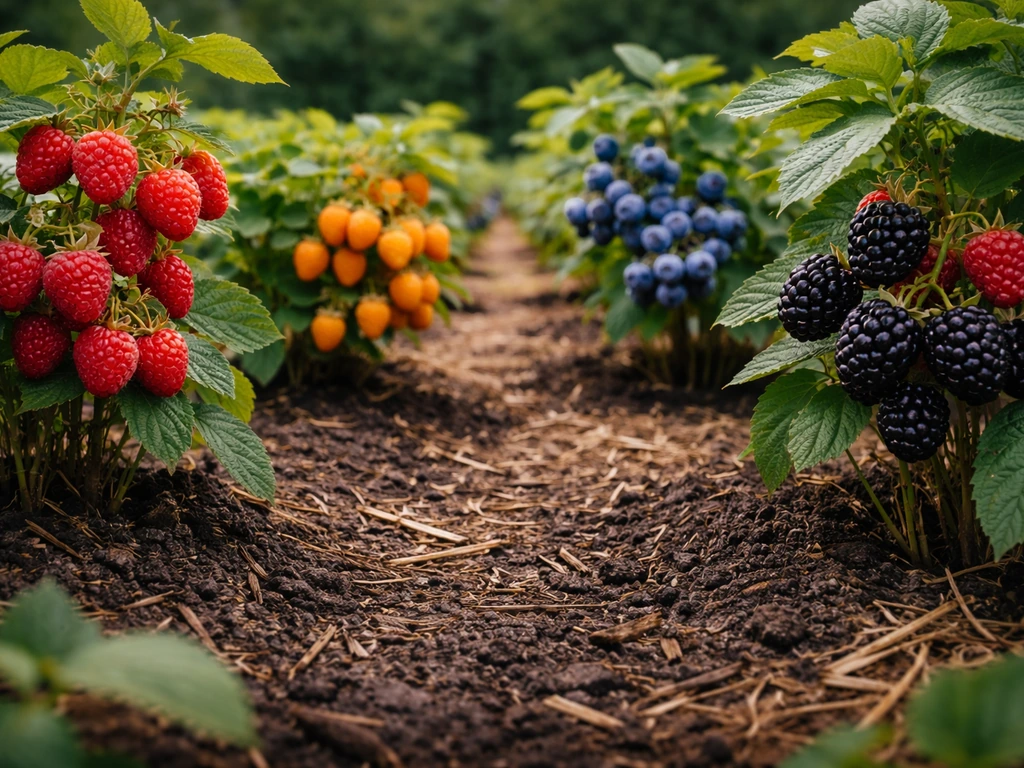
These are the berries and vegetables your survivor eats directly. Berries like Amarberry, Mejoberry, Tintoberry, and Azulberry replenish food and sometimes health. Vegetables like Longrass, Rockarrot, Savoroot, and Citronal are more filling, spoil slower in crop plot storage, and are required for most advanced cooking recipes. These should make up the majority of your early plots.
Taming and kibble crops
Several vegetables are mandatory if you want to tame dinos efficiently. Rockarrot is used in kibble and is a preferred taming food for several creatures. Citronal and Savoroot appear in higher-tier kibble recipes. If taming is part of your mid-game plan (and it should be, since dinos help automate farming), you need at least one or two plots of each of these running before you need them.
Base defense and utility crops
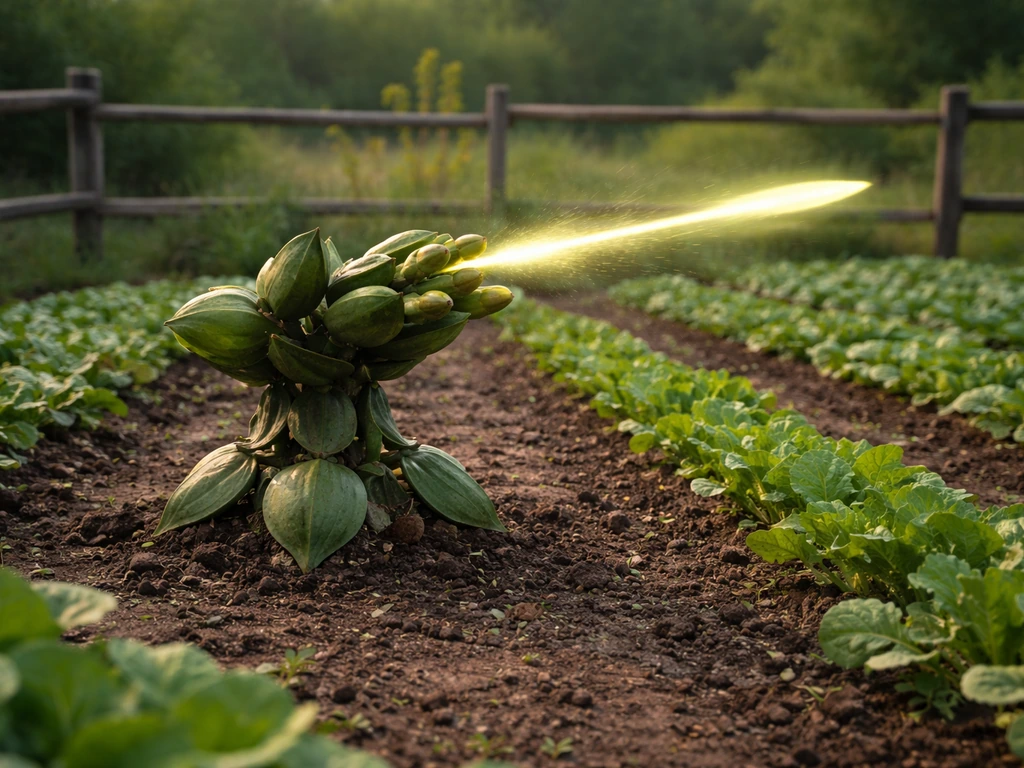
Plant Species X, Y, and Z fall into this category. Plant Species X fires projectiles at enemies and is one of the best passive base defenses in the game. Species Y and Z have their own utility (Y produces a slowing gas, Z is an aggressive melee plant). All three require a Large Crop Plot, consume fertilizer quickly, and should only be prioritized once your food and taming supply is already stable.
Best starter crops: what to plant first with limited time and resources
When you're starting out, your biggest limits are crop plot engrams, fertilizer supply, and irrigation. You don't want to burn through your first stack of fertilizer on crops that take forever to produce. Here's what to prioritize early and why.
- Mejoberry Seeds: The most universally useful berry in early ARK. Mejooberries are the preferred taming food for most common dinos, they restore food and health, and they're easy to find wild. Get two or three Small Crop Plots running with Mejoberry Seeds as your first farming act.
- Amarberry Seeds: Good backup food source and used in dyes. A single plot is usually enough early on.
- Longrass Seeds: The first vegetable worth growing. Longrass is more filling than berries, spoils slower, and is used in early cooking recipes. Start with one Medium Crop Plot once you have the engram.
- Tintoberry Seeds: Low priority for survival, but useful if you want to make dye for base building or gear. One plot is fine; don't over-invest early.
The main thing to avoid in early game is planting crops you can't yet water or fertilize reliably. An un-watered or un-fertilized plot just sits idle and wastes your time. Set up your irrigation pipe or water reservoir before you drop seeds.
Mid-game staples: what to add once your base is stable
Once you have a working water supply (pipes connected to a water source or a filled reservoir), a consistent fertilizer source (a dino or compost bin), and at least Medium Crop Plots unlocked, it's time to build out your full crop rotation.
| Crop | Plot Size Needed | Primary Use | When to Add |
|---|---|---|---|
| Mejoberry | Small | Taming, food | Day 1 |
| Longrass | Medium | Food, cooking recipes | Early game |
| Rockarrot | Medium | Kibble, taming horses/other dinos | Mid-game |
| Savoroot | Medium | Kibble, advanced recipes | Mid-game |
| Citronal | Medium | Kibble, advanced recipes | Mid-game |
| Amarberry | Small | Food, dye | Early game |
| Stimberry | Small | Stimulants, torpor recovery | Situational |
| Plant Species X | Large | Base defense (turret plant) | Late/established base |
| Plant Species Y | Large | Crowd control (gas trap) | Late game |
| Plant Species Z | Large | Aggressive base defense | Late game |
Rockarrot, Savoroot, and Citronal are the three vegetables you'll feel the absence of most during taming runs. I'd add one Medium Crop Plot of each of these as soon as you unlock the engram, even before you actually need them. By the time you're trying to tame a Rex or an Argentavis, you'll want a stockpile ready.
Choosing crops by your constraints
ARK maps vary a lot, and your starting biome, water access, and resource situation change which crops are practical to grow right now. Here's how to think through it.
Biome and climate
Crop plots work in most biomes, but extreme environments add complications. In snow biomes, crop plots can freeze, slowing or halting growth, so berries and cold-tolerant vegetables (Longrass, Rockarrot) are the more reliable choices if you're based there. Desert and scorched earth maps have limited water sources, which directly caps how many plots you can keep irrigated. On The Island or The Center, water is plentiful and any crop is viable. On Scorched Earth or similar dry maps, prioritize crops by yield-per-water-unit: Longrass and Mejoberry give the best return for the water they consume.
Water and irrigation
Every crop plot holds water (a Small Crop Plot holds 200 water units) and drains it as the plant grows. Without a continuous water supply, you'll be manually filling plots, which gets tedious fast. The best early investment is a Water Intake pipe connected to a river or ocean and a stone irrigation pipe network running to your plots. If you can't pipe water yet, prioritize fewer plots so you can actually maintain them manually. Three well-watered plots beat ten dry ones every time.
Fertilizer and input limits
Fertilizer is the other limiting factor. Each crop plot has a fertilizer bar that drains over time, and when it hits zero, crops degrade and eventually vanish. Early on, a Compost Bin (which takes thatch, wood, and spoiled meat or feces) is your main fertilizer source. An unused batch of fertilizer provides 54,000 units of fertilizer to any crop plot, so you can plan around that capacity when managing your supply An unused batch of fertilizer provides 54,000 units of “fertilizer”. Once you have dinos, their feces can go straight into the bin or be used in a Dung Beetle for better efficiency. The practical advice here: don't plant more plots than your fertilizer supply can sustain. Start with three to five plots and scale up as your fertilizer production grows.
Time-to-harvest and growth stages
All ARK crops go through the same stages: Seedling, Midling, Growling, Fruitling. The Fruitling stage is when the plot produces harvestable items. Growth time depends on server settings (single-player vs. official vs. private), but on default settings most crops take several in-game days to reach Fruitling. Berries generally move through stages faster than vegetables. If you're on a server with boosted crop growth rates, you can afford to grow more variety. On default official servers, focus your early plots on fast-cycling berries and leave the slower vegetable plots for when your base is more established.
Setting up your growing area
The actual layout of your farm matters more than most new players realize. A disorganized patch of plots is hard to maintain and easy to lose to fertilizer drain or raiding.
Plot sizes and placement
Small Crop Plots are for berry seeds. Medium Crop Plots handle most vegetables (Longrass, Rockarrot, Savoroot, Citronal). Large Crop Plots are required for Plant Species X, Y, and Z. Place your plots inside your base walls where possible, both to protect them from wild dinos and to keep them close to your irrigation network. Arrange them in rows with your irrigation pipes running along the back so every plot connects without extra pipe segments. Leave space between Large Crop Plots if you're running Species X, since they have a visual and functional radius.
Watering schedule and irrigation
If you have piped irrigation, your plots refill automatically as long as your water source is connected. Check your pipe connections after each server restart or base expansion, since pipes can disconnect if structures are removed nearby. If you're manually filling plots, do it every time you log in and before you leave for a long expedition. Plots don't drain water instantly, but letting them go fully dry for several real-time hours will stall your crops.
Rotation and fertilizer management
ARK doesn't have soil depletion like real-world gardening, so you don't need to rotate crops for soil health. What you do need to manage is your fertilizer queue. Keep a stockpile of at least 5 to 10 fertilizer per active plot as a buffer. If you're using a Dung Beetle, place it inside your base and feed it feces regularly. One or two Dung Beetles can comfortably supply fertilizer for 10 to 15 plots on default settings. Check your crop plots' fertilizer bars every couple of in-game days and top them off before they hit critical levels.
Dealing with pests and plot loss
Wild dinos can destroy unprotected crop plots. Even a passing Triceratops can wipe out an outdoor farm in seconds. Always wall in your crop area with at least stone walls and a gate. On PvP servers, your crop plots are also targets for raiding, so keep them in the most protected section of your base. If a plot does get destroyed, you lose the crop but any harvested items on the ground may persist briefly before spoiling, so grab them fast.
How much to plant: scaling to your base size
A lot of players either under-plant (and constantly run out of food and kibble supplies) or over-plant (and can't keep up with fertilizer demands). Here's a simple way to estimate what you need.
Basic yield math
On default server settings, a single Fruitling-stage crop plot produces roughly 10 to 20 harvested items per cycle, and it cycles every few in-game days. One Medium Crop Plot of Longrass, for example, yields enough vegetables to keep a solo player fed for several days and still bank some for cooking. For a tribe of two to four players, three plots of your primary food crop (Mejoberry or Longrass) plus two plots each of Rockarrot, Savoroot, and Citronal is a reasonable starting target. Adjust based on your server's harvest multiplier.
Scaling for kibble production
If you're producing kibble regularly for taming, multiply your vegetable plot count by two or three. Kibble recipes consume vegetables in bulk, and running out mid-tame is a frustrating waste of time. A tribe doing frequent taming runs should maintain at least four to six plots each of Rockarrot, Savoroot, and Citronal. For Plant Species X base defense, one to two Large Crop Plots per wall section is usually enough; more than that and you'll struggle to keep them all fertilized without a dedicated Dung Beetle operation.
A simple plot count formula
- Decide your primary use: food only, food plus taming, or food plus defense.
- Start with 2 plots of Mejoberry and 2 plots of Longrass for baseline food.
- Add 1 plot each of Rockarrot, Savoroot, and Citronal as soon as you unlock Medium Crop Plots.
- For every additional tribe member, add 1 more plot of your highest-consumption crop.
- Add fertilizer capacity before adding plots: one Dung Beetle per 5 to 7 active plots.
- Add Large Crop Plots for Plant Species X only after steps 1 through 5 are stable.
What not to grow first, and common mistakes to fix
Almost every new ARK farmer makes the same handful of mistakes. Here's what to avoid and how to correct it if you're already in it.
- Don't start with Plant Species X: It sounds exciting and it is useful, but it requires a Large Crop Plot (a mid-to-late engram), eats fertilizer fast, and doesn't feed you. Growing it before your food supply is stable is a waste of resources.
- Don't plant more plots than you can fertilize: An unfertilized plot loses its crop over time. Five well-maintained plots are more productive than fifteen neglected ones. Scale up only when your Compost Bins or Dung Beetles can keep up.
- Don't skip irrigation: Manually watering plots works, but it's the first thing that falls apart when you get busy or log off. Running even basic stone pipe irrigation to your plots early saves enormous frustration later.
- Don't ignore spoilage timing: Harvested items left in a crop plot will spoil. Check your plots regularly and move harvested produce to a preserving bin or refrigerator. Vegetables and berries spoil faster at room temperature than in cold storage.
- Don't plant in an unprotected area: A single wild dino encounter can destroy weeks of crop progress. Before you plant, wall in the farm area. Stone foundations under the plots and stone walls around them are the minimum investment.
- Don't grow Stimberry in bulk early: Stimberries are useful for torpor recovery, but one or two plots is plenty. They're also found easily in the wild, so dedicating multiple plots to them when you need food is a poor trade.
If your crops are dying and you're not sure why, check the fertilizer bar first (the brown bar on the plot's UI), then check whether the plot is getting water. Those two issues cause the vast majority of crop failures. If both look fine and the crop is still not progressing, verify the plot is in a biome that supports growth and that the server's crop growth setting isn't set to zero or disabled by an admin.
The farming system in ARK rewards consistency more than complexity. A simple setup of Mejoberry, Longrass, and the three kibble vegetables, all properly watered and fertilized, will sustain a base through almost every stage of the game. If you want to turn this reliable base of Mejoberry, Longrass, and the three kibble vegetables into a real money-making operation, this is where you can compare to the best organic vegetables to grow for profit strategy. If you want the simplest starting plan for totk best crop to grow, prioritize fast-cycling, easy-to-maintain crops first, then expand once your water and fertilizer are steady. Once that foundation is solid, everything else, from Plant Species X turrets to specialized kibble operations, builds naturally on top of it. Once you’ve chosen your baseline crops, you can fine-tune which ark best crops to grow for your exact map, constraints, and goals. If you want to prioritize lower-input and more sustainable gardening goals, focus on the best organic crops to grow that also match your ARK crop plot constraints. If you're also thinking about the economics of crop growing beyond ARK, the principles here overlap a lot with real-world decisions about which crops give the best return for your space and effort, which is worth exploring separately.
FAQ
If I’m starting without knowing my crop plot engrams yet, what’s the safest “first seeds” set to pick up in the wild?
Focus on seeds that map cleanly to the early plot sizes, Amarberry and Mejoberry for Small plots, and Longrass for Medium plots. This keeps your early farm useful even before you unlock everything, because the berries cycle faster and are less likely to stall if you are still building irrigation.
Do I really need both Mejoberry and Amarberry early, or can I pick just one?
You can pick one if your goal is only steady food and you are short on plot slots or fertilizer. But having both reduces the chance you run out when a cycle goes long due to growth-rate settings or missed water. If you are solo and space is tight, start with one berry and add the second after your first irrigation network is stable.
What should I do if my plots have water but crops still aren’t progressing?
Check three things in order: confirm the plot is actually connected to your water source (pipe segments can disconnect after base changes), verify fertilizer is not empty (brown bar), then ensure your server settings are not disabling crop growth or severely reducing plant growth speed. If all three look normal, double-check the plot is in a biome that supports growth rather than an extreme cold or dryness scenario.
How much water is “enough,” and how do I avoid accidentally overplanting?
Use the water-unit drain concept: each plot consumes water as it grows, and Small and Medium plots differ in water needs as they progress. Practical rule, start with fewer plots than you can continuously support, especially until your Water Intake and irrigation run time is proven. If you ever see plots refilling slowly or not at all, add pipeline coverage or reduce plot count before you add more fertilizer demand.
Should I prioritize fertilizer over water, or water over fertilizer?
Early on, prioritize whichever is closer to causing a hard stop. If fertilizer runs out, plots degrade and you lose progress, which wastes both seeds and time. If water is unreliable but fertilizer is stable, you at least preserve some momentum by topping off before the plot fully dries. In most early setups, stabilizing fertilizer first is the higher-value move if you are resource-limited.
Is it worth planting Plant Species X as soon as I unlock Large Crop Plots, or wait?
If you are under immediate raid or threat pressure, one or two Large plots can be worth it early. But if your food and kibble stock are not covered yet, Plant Species X will consume fertilizer faster and can destabilize your farm. A good compromise is to run only the minimum defense plots while you keep Mejoberry or Longrass and your kibble vegetables running reliably.
Can I rely on compost bins only, or should I add Dung Beetles immediately?
Compost bins are enough for a small early farm, especially around three to five active plots. Add Dung Beetles once you have a steady feces supply and space inside the base, because they smooth out fertilizer production and reduce the risk of sudden fertilizer starvation during long taming runs or raid prep.
How do I know when to scale up plot numbers instead of just planting “more because I can”?
Scale up based on two bars, water supply stability and fertilizer sustainability. If your fertilizer buffer stays consistently above critical levels every couple of in-game days, you can add plots. If you regularly top off and still fall behind, add plots later and focus on improving fertilizer production or reducing plot count.
What happens to crops if my plot is destroyed, do I lose everything immediately?
When a plot is destroyed, you lose the planted crop progress, but any harvested items that were on the ground can persist briefly before spoiling. If you see a destroyed plot, grab the dropped produce right away and assess whether you can quickly reinforce the farm area.
How often should I check farm status, and what’s the fastest maintenance routine?
Do a quick check every time you log in: verify fertilizer bar levels, confirm pipes are still connected, and make sure water refill is working if you are away from base. For manual watering, fill before leaving on expeditions, since letting plots fully dry for several real-time hours can stall growth even if fertilizer is stocked.
Does crop yield change on different server settings, and how should that affect my plot plan?
Yes, growth-cycle duration and harvest outputs can change with server multipliers. If growth is boosted, you can afford more variety sooner. If harvest is reduced, you need more active plots to maintain food and kibble, so base your plot count on consumption targets rather than the default “few plots per player” baseline.
If I’m in a snow or desert biome, which crop choices prevent the most farm frustration?
In snow, prioritize crops that tolerate cold situations and are reliable for your early slots, Longrass and Rockarrot are generally the safer anchors. In deserts or other dry maps, prioritize yield-per-water so each irrigated plot returns more food, Longrass and Mejoberry are strong early picks when water access is limited.
Where should I place crop plots, inside versus outside, if I’m playing PvE?
Even on PvE, placing plots inside base walls is strongly safer because wild dinos can still wander in and wipe out farms quickly. Inside placement also reduces time spent maintaining irrigation lines and makes fertilizer checks faster during raids of your own schedule (inventory management, base defense, and travel time).
Next Article
ARK Best Crops to Grow: Early to Late Game Guide
Best crops in ARK by stage, region and goals, plus setup, irrigation, spacing, and farming loops for steady food and see