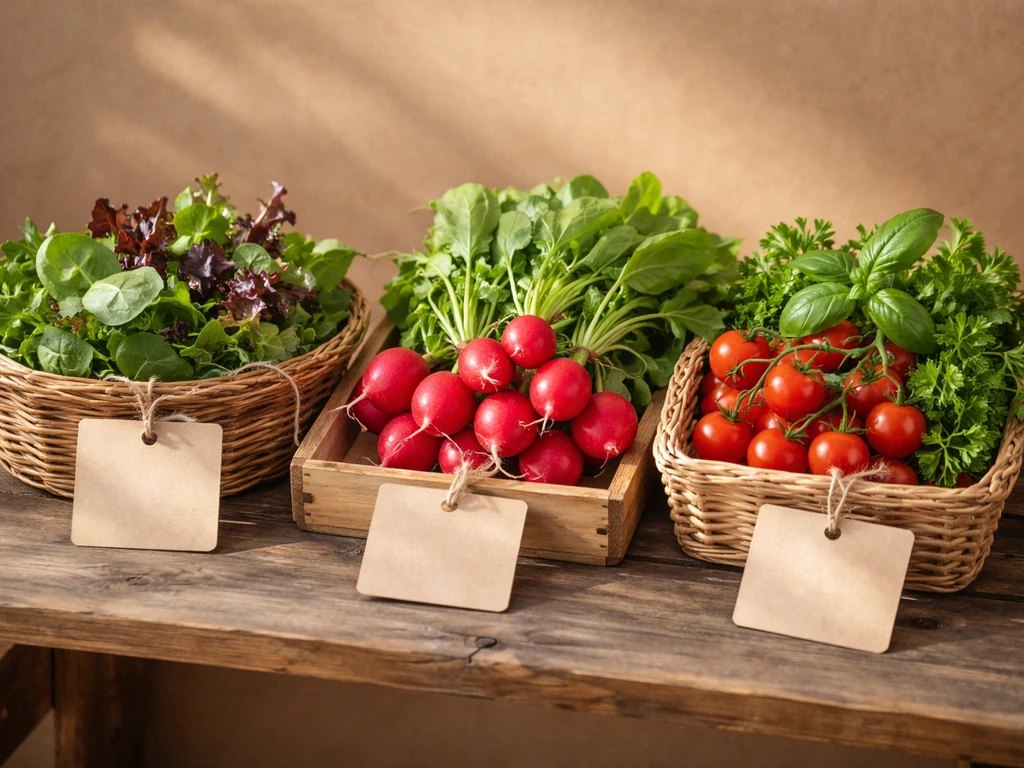
The best crops to grow in ARK: Survival Evolved are Mejoberries and Tintoberries for early survival food, Rockarrot and Citronal for mid-game taming and kibble, and Plant Species X once you're ready to defend your base. If you're just starting out, plant Mejoberries first. For cost-effective vegetables, focus on quick, reliable growers like the four main vegetables discussed in this guide what are the most cost effective vegetables to grow. They grow quickly, restore both food and water (1.5 Food and 0.2 Water per berry), and the seeds are everywhere. From there, expand into the four main vegetables, Rockarrot, Citronal, Longrass, and Savoroot, as soon as you have Large Crop Plots ready.
ARK Best Crops to Grow: Early to Late Game Guide
Marcus Hendrick
6 May 2026
How ARK crop farming actually works
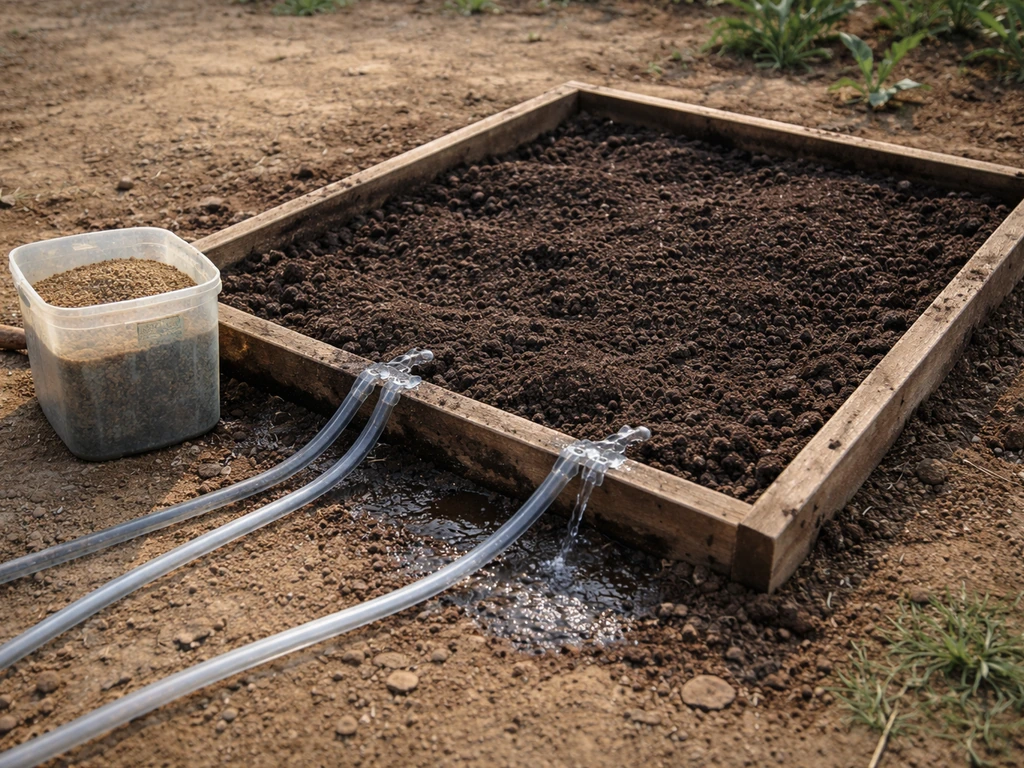
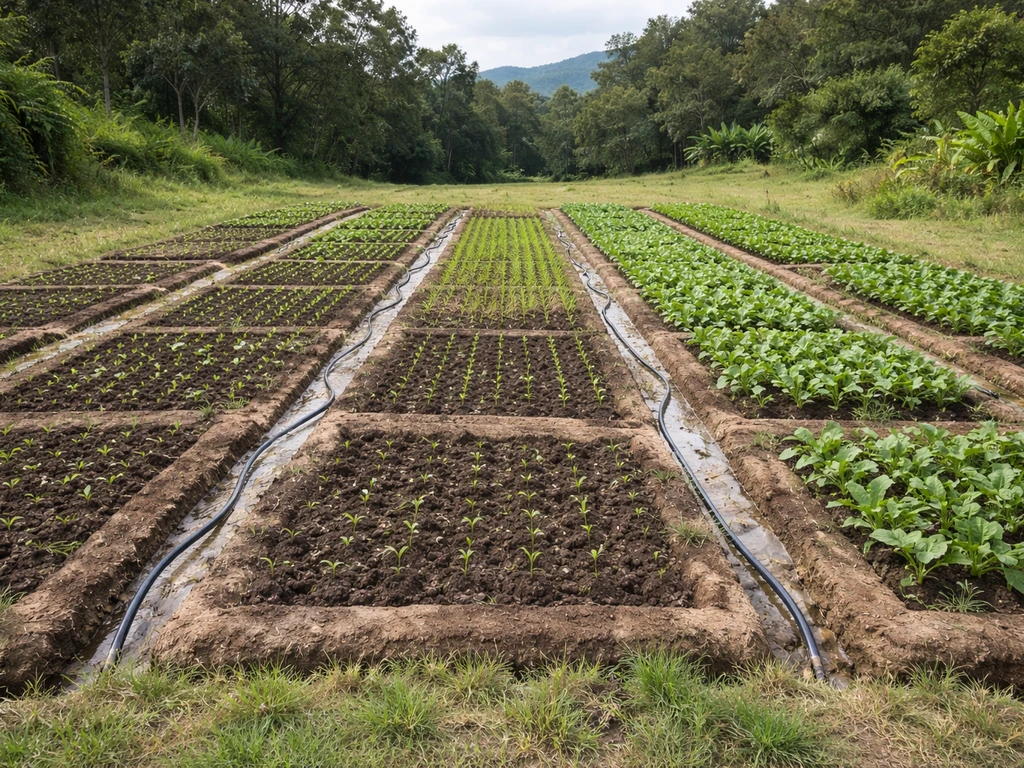
The farming loop in ARK is straightforward once you understand it. You pick up seeds from wild plants by hand-gathering bushes and plants in the world. You place a Crop Plot, drop the seed in, and the plant moves through growth stages: Seeded, then several intermediate stages, and finally Fruitling. The Fruitling stage is the one that matters, that's when your plant produces food and, occasionally, new seeds you can use to expand your farm.
The two things that keep the whole system running are water and fertilizer. Cut off either one, and growth stalls. Let fertilizer (or compost) hit zero, and the crop starts degrading and will eventually disappear. You don't have to harvest the second it hits Fruitling, crops stay harvestable as long as they haven't spoiled, but you do need to keep compost topped up to keep production going. That's the core loop: plant, water, fertilize, harvest at Fruitling, replant from new seeds.
Irrigation comes from a water pipe system: run pipes from a water source to a Stone Tap or Metal Tap placed near your plots, and the plots stay watered automatically. Large Crop Plots hold more water than smaller ones, which gives you more buffer if your irrigation gets disrupted. blank" rel="noopener noreferrer">Greenhouse Structures add a Greenhouse Effect percentage (each qualifying wall or ceiling piece contributes 15%) that you can see when looking at a crop plot directly. More greenhouse effect means faster growth, which matters a lot once you're running a large farm.
Best crops to start with early game
In the early game, you want crops that are easy to seed, grow fast, and keep you fed without requiring a big infrastructure investment. These three are where I always start. If you want the once-human best crops to grow, focus on the dependable four-vegetable setup and scale up as your water and fertilizer become consistent.
- Mejoberry: The single best early crop. Seeds drop constantly from hand-gathering bushes. Each berry restores 1.5 Food and 0.2 Water, so a handful keeps you going. Plant these in your first Medium or Large Crop Plot and you'll have a reliable food source within a couple of in-game days.
- Tintoberry: Almost identical to Mejoberry in stats (1.5 Food, 0.2 Water) and just as common to seed. Great as a backup crop or to fill extra plots while you're waiting on slower vegetables to come in.
- Rockarrot: The first vegetable worth growing. Seeds take a little more effort to find, but Rockarrot is useful almost immediately for taming and later for kibble. Start hunting seeds as soon as you have a stable berry farm running.
Keep expectations realistic at this stage. You're not running an optimized greenhouse operation. You're planting in the ground with basic compost (made from thatch and feces in a Compost Bin), and growth is slower than it will be later. That's fine. The goal is just to have a food source that doesn't require you to constantly chase animals or gather berries by hand. To figure out the most cost effective vegetables to grow, start by comparing how fast each crop pays off against how much fertilizer, water, and effort it takes.
Best crops for food value and feeding your tames
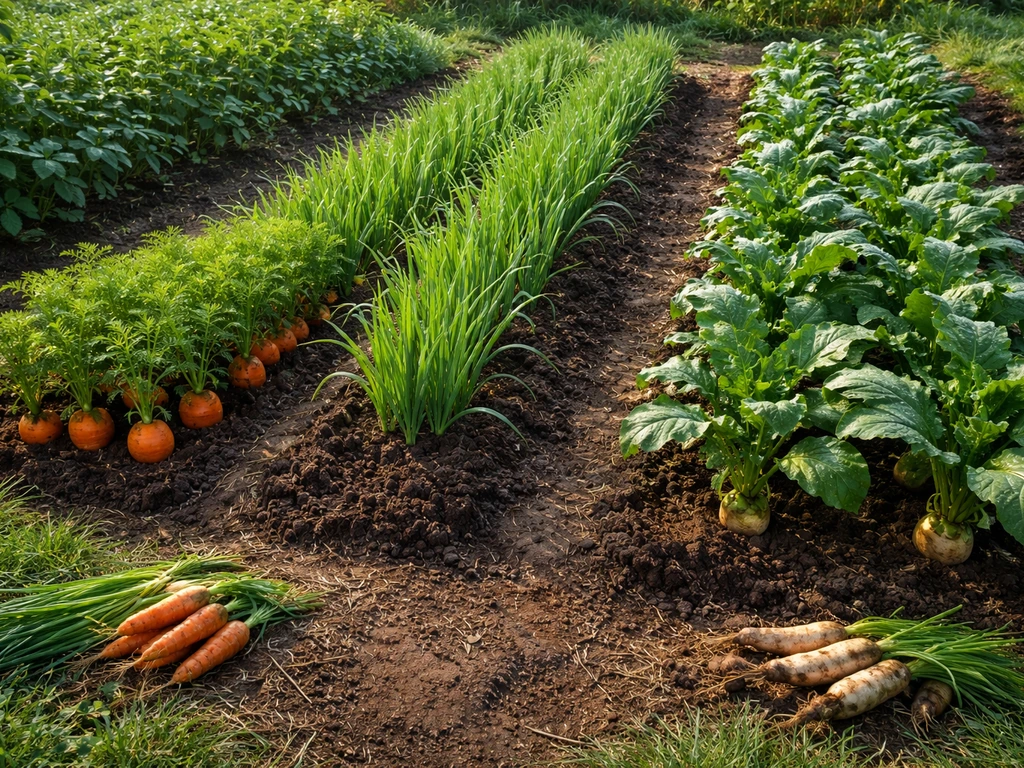
Once you've got a stable early farm, the question shifts from 'what keeps me alive' to 'what feeds my creatures.' This is where the four main vegetables become essential: Rockarrot, Citronal, Longrass, and Savoroot. Herbivore tames will eat berries, but creatures like the Doedicurus actively prefer any of these four crops over berries, which means faster taming effectiveness and less food wasted.
For kibble production, crop choice becomes very specific. Longrass is a required ingredient in Argentavis Egg kibble (Superior Kibble), and Citronal appears in other kibble tiers. If you're planning serious taming operations, you need to grow these crops consistently, not just harvest them occasionally from the wild. Build dedicated plots for each and treat them like a production line.
| Crop | Primary Food Use | Taming/Kibble Role | Notes |
|---|---|---|---|
| Mejoberry | Survivor food (1.5 Food, 0.2 Water) | Herbivore general food | Fastest early seed acquisition |
| Tintoberry | Survivor food (1.5 Food, 0.2 Water) | Herbivore general food | Common and reliable, good backup crop |
| Rockarrot | Survivor food | Preferred tame food (Doedicurus etc.), kibble ingredient | Good early vegetable target |
| Citronal | Survivor food | Preferred tame food, kibble ingredient | Key mid-game crop |
| Longrass | Survivor food | Kibble (Argentavis Egg) ingredient | Important for late-game taming loops |
| Savoroot | Survivor food | Preferred tame food (same tier as Rockarrot) | Grow alongside Rockarrot and Citronal |
| Plant Species X | N/A (defensive plant) | N/A | Shoots projectiles, not a food crop — see below |
Best crops for efficiency and long-term farming loops
For long-term efficiency, the four vegetables (Rockarrot, Citronal, Longrass, Savoroot) are the backbone of any serious farm. They're used in taming, they're ingredients in kibble, and growing all four means you're covered for almost any herbivore you want to tame. If you’re looking for the best organic crops to grow, these four vegetables are the ones to prioritize first the four vegetables. The trick is building the infrastructure to run them consistently: Large Crop Plots, a reliable irrigation pipe network, and a steady supply of fertilizer.
Plant Species X is worth mentioning here because it sits in a separate category. It's not a food crop, it grows a plant that fires projectiles at nearby hostiles, which makes it a powerful base defense tool. The growth timeline is roughly 1 to 2 in-game days from Growthling to Fruitling, and seeds are harder to get than regular crops. On Genesis Part 1, you can find them as rare drops when harvesting Narcoberry plants in the bog biome. Don't neglect Plant Species X if you're building a permanent base, it fundamentally changes how defensible your farm is.
The most efficient long-term loop is one where you're replanting from your own harvested seeds. When a Fruitling-stage crop is harvested, it occasionally drops new seeds. Save those seeds rather than eating them (they spoil fast, some seed types spoil in as little as 15 minutes, so process them quickly). This keeps you from having to go back out into the world hunting for seeds once your farm is established.
Picking crops by map and biome
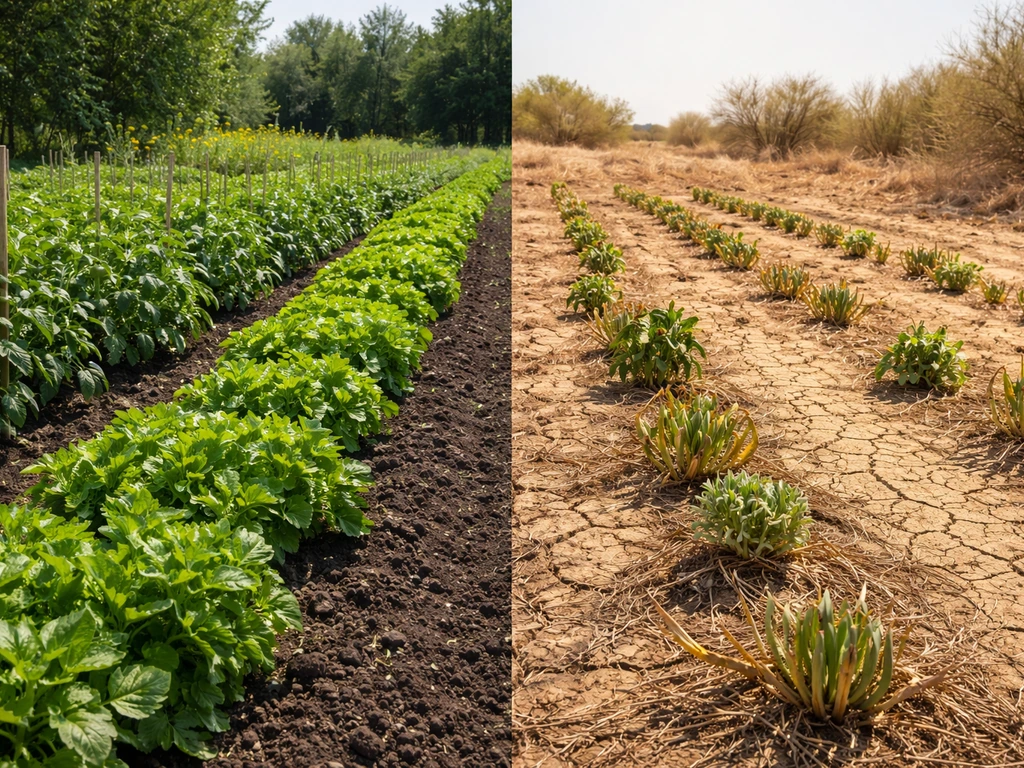
Your base location affects farming more than most players realize. ARK biomes have explicit climate and temperature properties, and some are tagged as 'Very Hot' or involve extreme weather that can drain your character's stats quickly. This affects where you can realistically farm outdoors versus indoors with greenhouse coverage.
In temperate biomes (the central and southeastern areas of The Island, for example), you can farm outdoors with minimal complications. In hot or extreme biomes, you're better off using enclosed Greenhouse Structures, which protect your crops, speed up growth, and let you farm in areas where outdoor conditions would otherwise be hostile. On Genesis Part 1, biome-specific farming strategies are almost required: the bog gives you access to Plant Species X seeds, while the arctic and volcanic biomes make outdoor farming impractical without proper shelter.
- Temperate/forest biomes: All crops viable outdoors. Best for beginners setting up their first farm.
- Hot/desert biomes: Use Greenhouse Structures with full roof coverage. Berry crops handle heat better than vegetables in terms of seed availability nearby.
- Cold/snow biomes: Greenhouse Structures are essential. Crops can still grow, but outdoor plots exposed to cold will stress your character during maintenance.
- Genesis Part 1 bog: Best early access to Plant Species X seeds via Narcoberry harvesting. Also good for standard crop seeds.
- Genesis Part 1 arctic/volcanic: Avoid outdoor farming. Greenhouse setups only if you're committed to farming here.
Setting up your farm: plots, water, and planting
Here's the sequence I use every time I set up a new farm, whether it's a quick early base or a permanent production setup. If you're wondering what crops to grow first for your specific goals, start with the four main vegetables and plan around your water and fertilizer setup.
- Unlock and place your Crop Plots. Use Medium Crop Plots for berries early on, then transition to Large Crop Plots for vegetables and any advanced crops. Large Crop Plots hold more water and support more crop variety.
- Run an irrigation system. Build a water pipe network from a nearby water source (river, lake, or ocean intake). Connect a Stone Tap or Metal Tap to the end of the pipe run, close enough to reach your plots. The tap keeps plots irrigated automatically once connected.
- Set up a Compost Bin. Drop equal amounts of thatch and feces in to produce fertilizer over time. As soon as you can, upgrade to an Industrial Fertilizer setup or use Dung Beetles for a cleaner passive loop.
- Seed your plots. Drop one seed into each plot. Larger plots can hold more water and grow more advanced crops, so match your seed type to the correct plot size.
- Add Greenhouse Structures if you want faster growth. Each wall or ceiling segment with the correct overhead coverage adds 15% Greenhouse Effect, visible on the crop plot. Cover your plots completely for the full benefit.
- Keep compost in each plot. Don't let it hit zero. Check your farm every session and refill fertilizer before it depletes completely — depleted crops degrade and eventually disappear.
- Wait for Fruitling stage. Once your crops hit Fruitling, they're producing food and occasionally seeds. You can now harvest.
Harvesting, replanting, and keeping yields high
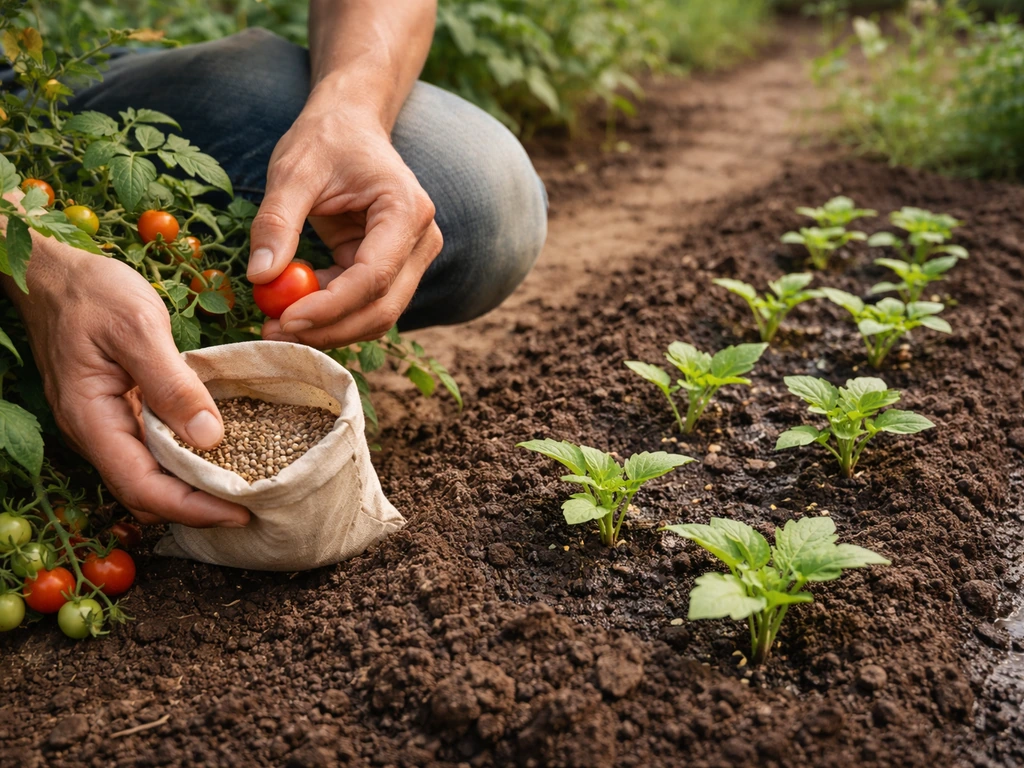
Harvesting at the Fruitling stage is the trigger for the whole loop. When you harvest, the crop produces food and sometimes seeds. The key habit to build is checking for seeds every harvest and setting them aside immediately. Seeds spoil fast, some in as little as 15 minutes, so don't let them sit in your inventory while you run errands. Either plant them right away or store them in a container with spoil-time modifiers.
Crops don't disappear the moment you harvest them at Fruitling, they stay harvestable as long as they haven't spoiled and as long as fertilizer hasn't run out. But once fertilizer hits zero, slow degradation starts. This means your biggest yield optimization is simply keeping the compost supply consistent. More fertilizer means more production time, less downtime between harvests, and a more reliable food/seed loop.
For replanting, I keep a dedicated storage box near my farm plots specifically for seeds. Every harvest I dump seeds in there before anything else. This builds a seed reserve that means I'm never scrambling to find new seeds out in the world, the farm sustains itself. It also lets you expand by planting new plots whenever you're ready without having to go gather again.
A few other habits that make a noticeable difference over time: space your plots so you can reach all sides during harvesting and fertilizer refills, build your farm close enough to your Compost Bin or fertilizer source that restocking isn't a chore, and once you have a full Greenhouse Effect setup, pay attention to the percentage shown on each plot, anything below 100% means some of your structure pieces aren't properly covered by a roof and aren't contributing as much as they could.
Quick crop picks by situation
If you're not sure where to start, here's a simple decision guide based on where you are in the game.
| Your Situation | Start With | Add Next |
|---|---|---|
| Day 1, just surviving | Mejoberry + Tintoberry | Rockarrot as soon as seeds appear |
| Stable base, taming dinos | Rockarrot + Citronal + Savoroot | Longrass for kibble production |
| Building a permanent base | All four vegetables + berry backup | Plant Species X for base defense |
| Genesis Part 1 bog base | Standard crops + Narcoberry plots | Plant Species X seeds from Narcoberry harvest |
| Hot/extreme biome base | All crops inside Greenhouse Structures | Prioritize irrigation first before planting |
The game also connects heavily to what you're taming. If you're focused on taming progression, growing crops isn't just about feeding yourself, it's about having the right food ready when the right creature shows up. Keeping a steady supply of all four main vegetables means you're never unprepared for a tame opportunity, and having Longrass and Citronal on hand puts you a step ahead when you're ready to start crafting kibble for higher-tier tames.
FAQ
If I run out of fertilizer for a day, do my crops die instantly or can I recover them?
Crops usually won’t vanish immediately, but once fertilizer (compost) hits zero they begin degrading, and production time drops fast. If you refill compost quickly, you can prevent further loss and keep the plot productive for the next Fruitling cycle, but you may see fewer harvests from the affected plants.
Should I harvest the moment my crop hits Fruitling, or can I wait to batch harvest?
You can wait to harvest Fruitling crops, they remain harvestable until they spoil. The risk is inventory spillage and seed spoil time, so if you batch harvest, still move the seeds to a fast-spoil-safe container right away and prioritize seed checks per plot.
What plot size should I use for my first real vegetable farm, and when does Large Crop Plot matter most?
Smaller plots work for early self-sufficiency, but Large Crop Plots matter most when your irrigation is not perfectly stable or you’re scaling beyond a handful of lines. The bigger water buffer reduces downtime during pipe repairs, storms, or accidental disconnections.
Do I need Greenhouse Structures for all four vegetable crops, or only in certain biomes?
In temperate biomes you can farm outdoors with minimal issues, greenhouse use becomes a quality-of-life and speed boost. In hot or extreme climates, greenhouse coverage is often the difference between consistent growth and constant replanting because the outdoor environment disrupts workable farming conditions.
Can I farm Plant Species X for defense without giving up food production?
Yes, but plan it like a separate production line. Because its seeds are harder to obtain and it is not a direct food crop, keep a small dedicated plot group for it while your main food and kibble come from the four vegetables, so defense setup doesn’t interrupt taming readiness.
What’s the best way to avoid losing seeds to spoil time while I’m reorganizing my farm?
Treat seed handling as an immediate step after every Fruitling harvest. Drop seeds into a dedicated container with spoil-time modifiers (or replant right away), and don’t carry seeds across long errands, since some seed types can spoil in roughly 15 minutes.
If I want to optimize taming, should I plant all four vegetables equally or focus on specific ones first?
Plant at least a baseline of all four early, then prioritize based on your immediate target. Longrass and Citronal matter for kibble progression, while Rockarrot and Savoroot help cover herbivore diets broadly, so you can temporarily weight more plots toward the ingredients you need right now.
How do I troubleshoot crops that keep stalling even though I have water and fertilizer set up?
Check three common failure points: irrigation pipe breaks or a tap placed too far from the plot network, compost not actually reaching zero-to-nonzero (stalled production even with “some” compost), and greenhouse coverage gaps that reduce growth speed. A quick plot-by-plot check of the greenhouse percentage can reveal uncovered pieces you didn’t notice.
What should I do if I’m not getting many seeds from my Fruitling harvests?
First, confirm you’re harvesting at Fruitling and not after the plants have begun degrading from low fertilizer. Second, keep using replanting from harvested seeds to build your own seed supply, and avoid letting seeds sit in inventory, since spoil time can make it look like you aren’t getting enough from crops.
Is it ever worth using early berry farms (Mejoberries, Tintoberries) long-term instead of switching fully to vegetables?
Berries are excellent for early survival because they are abundant and low effort, but they’re not the long-term backbone once taming and kibble production ramp up. For efficient creature feeding and taming readiness, the four vegetables provide better consistency across higher-value uses.
Next Article
Best Organic Vegetables to Grow for Profit: Crops, Yields, Sales
Profit-focused list of best organic vegetables, with planting plans, yields, organic care, and sales budgeting