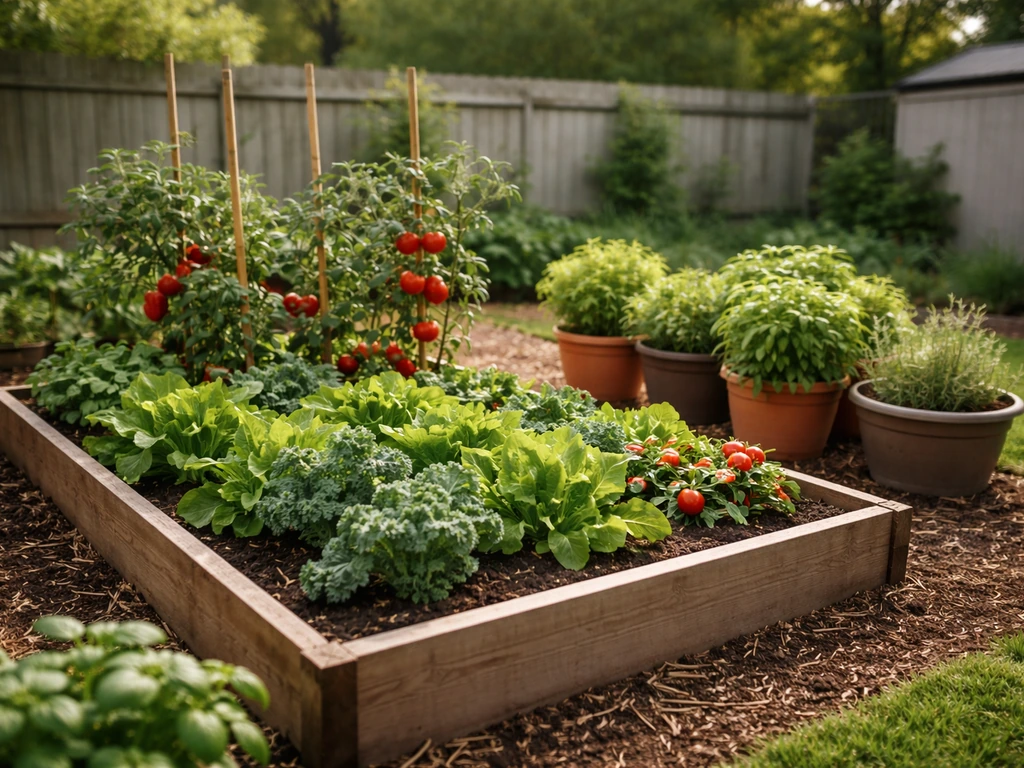
The organic vegetables that consistently make money for small growers are salad greens (mesclun, arugula, spinach), cherry tomatoes, herbs like basil and cilantro, garlic, specialty peppers, and radishes. These crops share three traits that matter for profit: they sell fast, they command premium prices at farmers markets and through CSA shares, and most of them can be succession-planted so you have something to sell every single week. That said, the 'best' crop for you specifically depends on your climate, your growing season length, and where you plan to sell. If you are still deciding ark what crops to grow, start by matching cool-season and warm-season varieties to your local temperatures and sales timeline best crop for you specifically. This guide will walk you through all of it.
Best Organic Vegetables to Grow for Profit: Crops, Yields, Sales
Choosing Profitable Organic Crops: Fast vs. High-Value
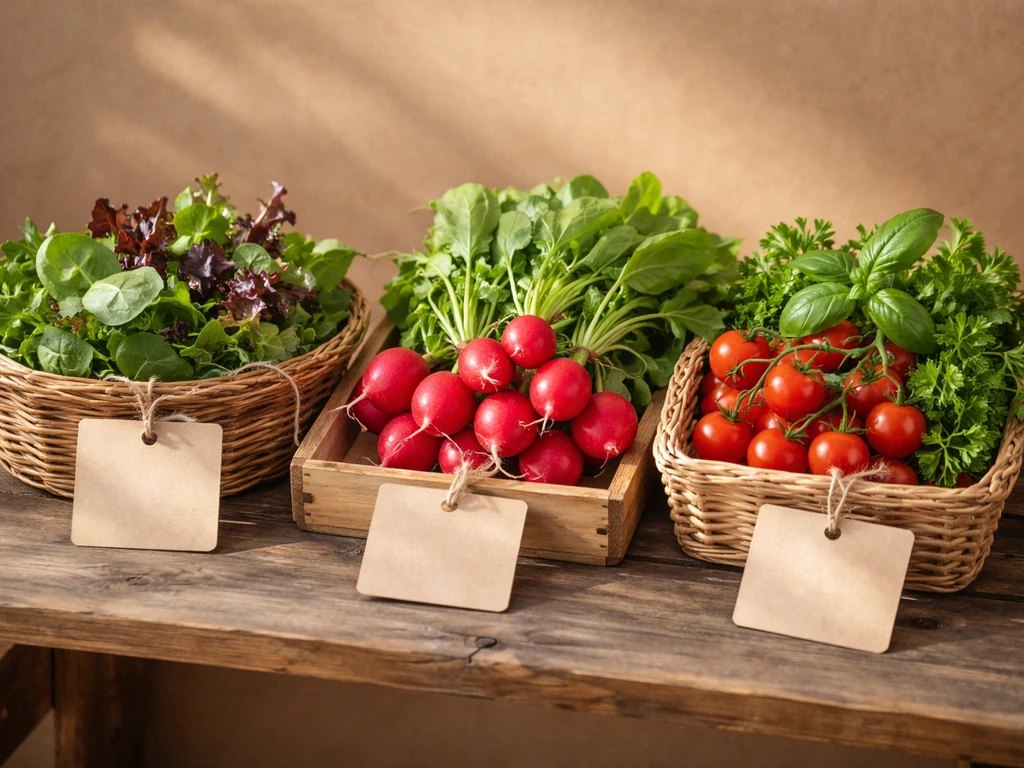
Before you plant anything, you need to separate two types of profitable crops, because the strategy for each is different. Fast crops (radishes, salad greens, baby spinach, cilantro) turn around in 25 to 45 days, which means you can do multiple rounds per season and keep cash flowing early. High-value crops (garlic, specialty hot peppers, heirloom tomatoes, shishito peppers, microgreens) take longer or need more inputs, but they sell for $4 to $12 per pound at market versus $1 to $2 per pound for commodity vegetables. To get the best results, compare your options against Once Human best crops to grow so you pick varieties that match your timeline and market High-value crops.
The mistake most first-time market growers make is picking only one category. If you only grow tomatoes, you have nothing to sell in May and June. If you only grow salad greens, your revenue per square foot stays low. The most profitable small-scale setups I've seen combine a reliable fast crop (greens) that brings in weekly income with two or three high-value crops (garlic, tomatoes, basil) that make up the bulk of the season's profit. Think of greens as your paycheck and specialty crops as your bonus.
Crops like winter squash, potatoes, and dry beans are relatively low-effort but also low-value per pound. They make more sense as a cost-saving crop for your own food security than as a cash crop, unless you're growing at significant scale. If you're exploring which organic crops make sense beyond vegetables, there are related decisions around grain crops and other staples, but vegetables are where small-scale organic growers see the fastest return.
| Crop | Days to Harvest | Typical Market Price (organic) | Profit Type | Best For |
|---|---|---|---|---|
| Salad/Mesclun Mix | 25–40 days | $8–$14/lb or $4–$6/bag | Fast, recurring | Weekly market, CSA |
| Radishes | 22–30 days | $2–$4/bunch | Fast, filler | Early season, succession |
| Basil | 60–70 days (then cut & come again) | $2–$4/bunch or $12–$20/lb | High-value | Farmers market, restaurants |
| Cherry Tomatoes | 60–80 days from transplant | $4–$6/pint | High-value, seasonal | Summer peak sales |
| Heirloom Tomatoes | 70–90 days from transplant | $3–$5/lb | High-value, premium | Farmers market, chefs |
| Garlic | 9 months (fall plant/summer harvest) | $8–$16/lb or $1–$2/bulb | High-value, storable | CSA, direct sales |
| Shishito/Specialty Peppers | 70–85 days from transplant | $6–$10/lb | High-value | Restaurants, market |
| Cilantro | 40–50 days | $1.50–$3/bunch | Fast, frequent | Succession planting |
| Spinach | 35–50 days | $8–$12/lb | Fast, early/late season | Spring/fall CSA |
| Kale/Chard | 50–60 days (then ongoing) | $2–$4/bunch | Steady, low-maintenance | CSA bundles |
Best Organic Vegetables to Grow and Sell (by Climate and Season)
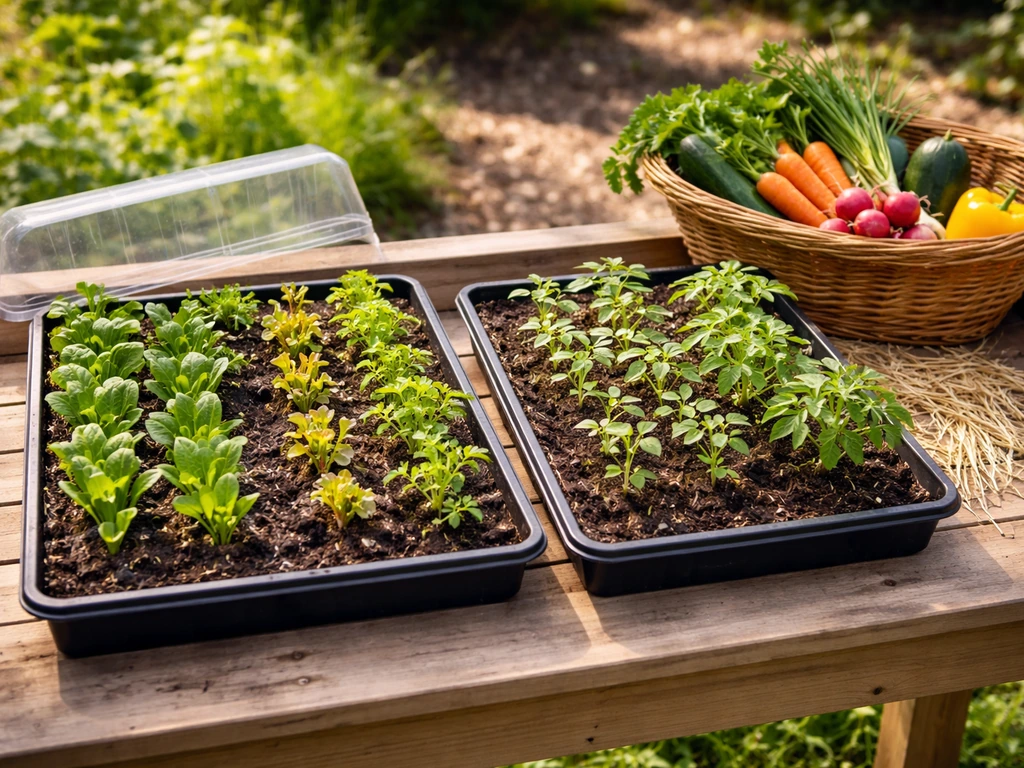
Not every crop works everywhere, and ignoring your local climate is one of the fastest ways to lose money. Here's how to think about crop selection by season and region.
Cool-Season Crops (Spring and Fall): Zones 4–9
Salad greens, spinach, arugula, kale, Swiss chard, radishes, and cilantro all thrive in cool weather (45–65°F) and can be planted 4 to 6 weeks before your last frost in spring and again 8 to 10 weeks before your first fall frost. These are your best options for early and late-season sales when competition at market is lower and demand for fresh local produce is high. If you’re growing in the right conditions for the game, the totk best crop to grow is the one that matches your climate and lets you sell on a steady schedule best options for early and late-season sales. In zones 7–9, you can extend cool-season production into winter with minimal row cover. If you want an easy starting point, your ark best crops to grow will usually be a mix of fast turnarounds and high-value specialties matched to your season. In zones 4–6, a low tunnel or cold frame gives you 4 to 6 extra weeks on both ends of the season.
Warm-Season Crops (Summer): Zones 5–10
Tomatoes, peppers, basil, cucumbers, and summer squash are your warm-season workhorses. Start tomatoes and peppers indoors 6 to 8 weeks before your last frost date. Transplant after soil hits 60°F consistently. Cherry tomatoes (Sungold, Black Cherry, Sweet 100) typically outyield slicers per square foot and sell faster at market. For basil, plant alongside tomatoes after frost danger has passed and treat it as a cut-and-come-again crop by harvesting above the second set of leaves. In the hot South (zones 8–10), summer can actually be the hardest season for cool crops; focus summer production on heat-tolerant peppers, okra, and sweet potatoes, and shift your cool-crop intensity to fall through spring.
Short-Season and Container Growing (Zones 3–5 or Limited Space)
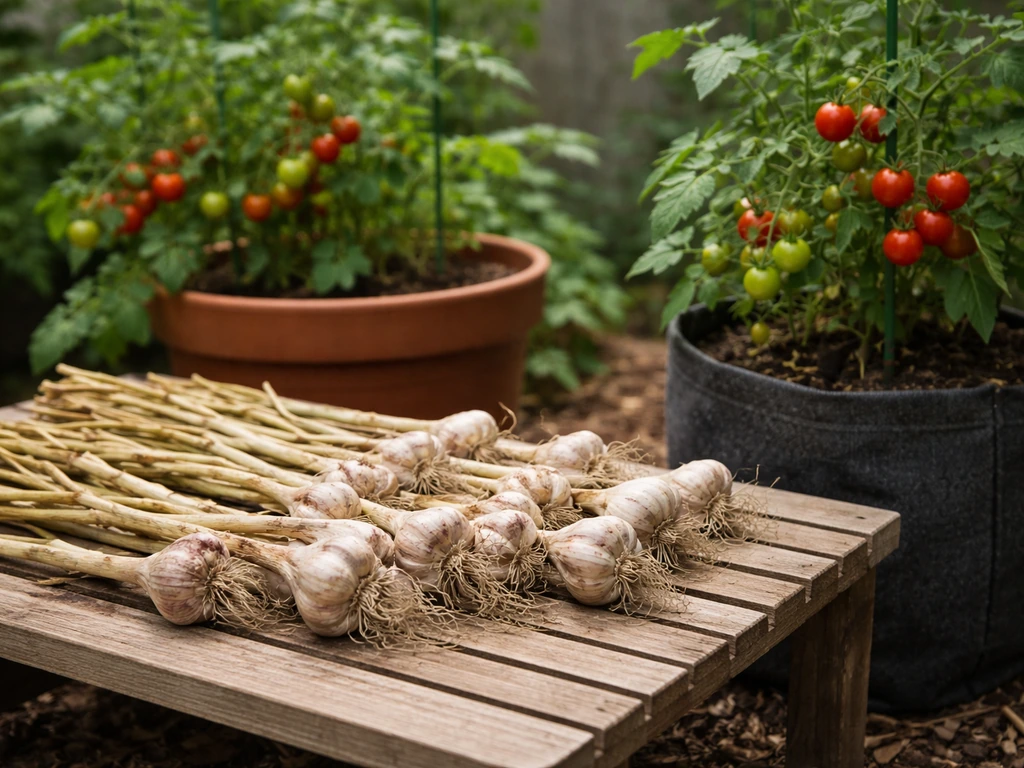
If you have less than 90 frost-free days or you're working with containers and raised beds, prioritize crops that give you the most value per square foot in a short window. Mesclun mix, radishes, baby spinach, and patio cherry tomatoes are your best bets. A 4x8 raised bed planted with mesclun can yield 2 to 3 pounds per cutting with 3 to 4 cuts per season, which at $10/lb organic retail translates to $60–$120 from a single bed. Add a few determinate cherry tomato plants in 5-gallon containers and you've got a compact, genuinely profitable setup even in a short season.
Crops Worth Growing in Every Climate
- Garlic: Plant in fall almost anywhere (zones 3–9), harvest mid-summer, and sell at $8–$16/lb. It's hands-off after planting and stores for months.
- Cherry tomatoes: Adaptable, high-yield, and consistently the best-selling tomato at farmers markets.
- Salad greens: Succeed in every zone with proper timing; use row cover to extend the season.
- Basil: Pairs with tomatoes in the market display and in the ground (genuine companion planting benefit); sells fast.
- Hot and specialty peppers: Shishito, Padron, and Jimmy Nardello peppers are underserved at most markets and command $6–$10/lb.
How to Grow for Market Quality: Soil, Fertility, and Organic Pest Control
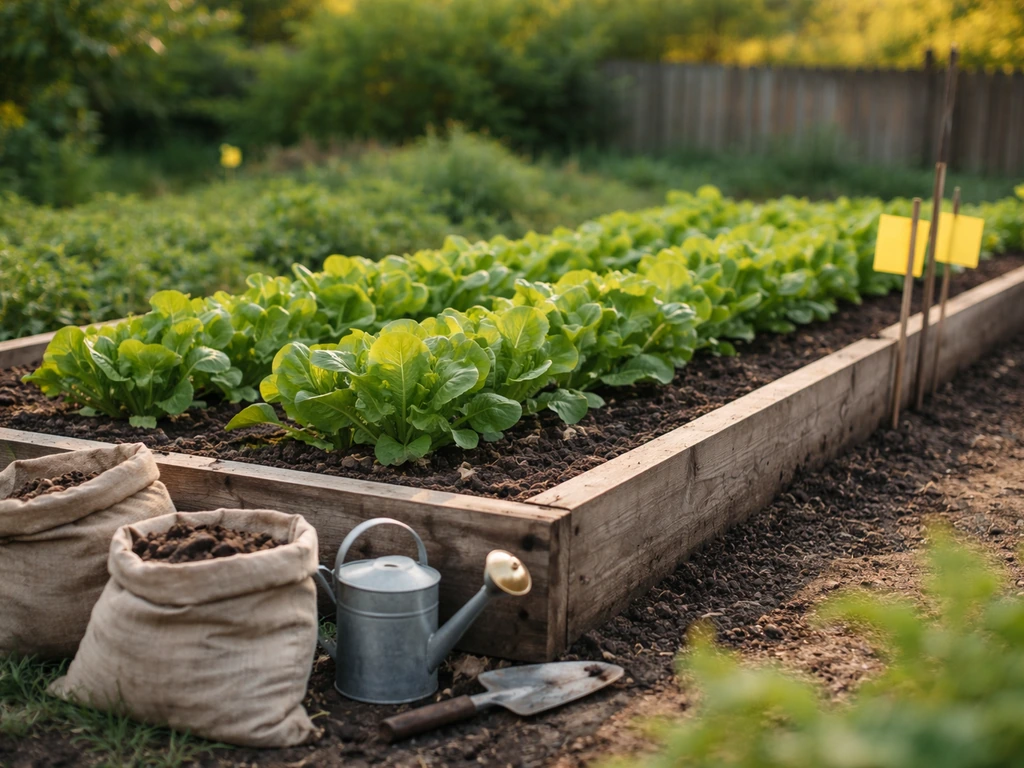
Profitability depends entirely on producing attractive, consistent yields. A crop that's half-eaten by insects or stunted from poor soil won't sell, and unsold produce is wasted time and money. Here's what actually moves the needle.
Soil Preparation
Get a soil test before you do anything else. Your local extension service usually offers them for $15–$30 and they'll tell you your pH, phosphorus (P), potassium (K), and organic matter levels. Most vegetables want a pH of 6. Oklahoma State University Extension notes that most vegetables grow more successfully at blank" rel="noopener noreferrer">soil pH values between 6.0 and 6.8. 0 to 6.8. If you're below that, add lime based on the test recommendation before planting. ATTRA/NCAT frames organic soil fertility as a 'sufficiency approach': apply phosphorus and potassium based on what your soil actually shows at the end of the season, not a blanket formula. In practice, that means testing yearly, adjusting, and not over-applying nutrients that can create imbalances or waste money. ATTRA/NCAT’s Nutrient Management Plan (590) gives organic guidance on using soil and plant testing to manage nitrogen, phosphorus, and potassium based on what your system needs, including planning around end-of-season results. Top-dress beds with 2 to 3 inches of finished compost each season. Compost does double duty: it adds nutrients slowly and improves soil structure for drainage and root growth.
Organic Fertility
For heavy-feeding crops like tomatoes and peppers, supplement compost with an organic granular fertilizer (5-3-3 or similar) worked into the bed at planting, and side-dress with fish emulsion or compost tea at fruit set. For leafy greens, which need nitrogen most, blood meal or feather meal (around 12-0-0) mixed into the top 2 to 3 inches of soil at planting gives a good boost. Garlic is low-demand but benefits from a spring side-dress of balanced fertilizer when tops emerge. Avoid over-fertilizing with nitrogen on fruiting crops; it pushes leafy growth at the expense of fruit.
Organic Integrated Pest Management (IPM)
The ATTRA/NCAT approach to organic IPM puts prevention first: choose resistant varieties, rotate crops, keep beds clean, and monitor regularly before any pest reaches damaging levels. Scouting matters. Walk your beds two to three times per week and look at leaf undersides, soil level, and growing tips. University of Maryland Extension's IPM guidelines give a useful example of how thresholds work in practice: with flea beetles, treatment is warranted when more than 50% of newly emerged plants show shothole injury. That's an important principle because it tells you not to spray at first sight of a pest, but to wait until damage is actually at an economically threatening level.
When you do need to treat, UC IPM research confirms that insecticidal soaps and horticultural oils work by direct contact and require thorough coverage plus repeat applications, typically every 5 to 7 days. For organic growers, this means your spray program needs to be planned for re-treatment, not a single fix. Common organic inputs that are OMRI-listed and actually work: insecticidal soap for aphids and spider mites, spinosad for caterpillars and thrips, neem oil as a fungicide and soft-pest deterrent, Bt (Bacillus thuringiensis) for cabbage worms, and copper fungicide for early blight on tomatoes. Row cover is your single best physical barrier for flea beetles, aphids, and cucumber beetles early in the season; remove it from flowering crops to allow pollination.
Companion Planting
Companion planting is useful but often overstated. The combinations with genuine evidence or strong practical support: basil with tomatoes (may repel thrips and aphids, and you harvest both for market), marigolds as a border crop (proven nematode suppressant, moderate aphid deterrent), dill and fennel as insectary plants to attract beneficial wasps that parasitize caterpillars, and nasturtiums as a trap crop for aphids. Don't overthink it. Plant marigolds as a border around every bed and you've covered most of the practical benefit.
Planning Production for Profit: Spacing, Succession Planting, and Yields
Knowing what to grow is only half the job. The other half is knowing how much to plant and when, so you actually have product to sell consistently. Random planting leads to feast-or-famine harvests, which is the fastest way to frustrate CSA customers and lose market momentum.
Realistic Yield Expectations
| Crop | Planting Density | Expected Yield per 100 sq ft | Notes |
|---|---|---|---|
| Mesclun/Salad Mix | Broadcast or 1" apart in rows | 3–5 lbs per cut, 3–4 cuts | Cut 1" above soil; regrows in 10–14 days |
| Spinach | 3–4" apart in rows 6" apart | 3–5 lbs per cut | 2–3 cuts before bolting in heat |
| Radishes | 2" apart in rows 6" apart | 80–120 bunches (30–40 radishes/bunch) | Replace every 25–30 days for succession |
| Cherry Tomatoes | 18–24" apart; trellised | 15–25 lbs per plant per season | Indeterminate types need pruning and staking |
| Heirloom Tomatoes | 24–36" apart; trellised | 10–20 lbs per plant per season | More variable; weather-dependent |
| Basil | 12" apart in rows 18" apart | 0.5–1 lb per plant per season (cut & come again) | Harvest before flowering for best flavor/price |
| Garlic | 6" apart in rows 8–10" apart | 150–250 bulbs per 100 sq ft | Seed garlic cost is your main input |
| Shishito Peppers | 18" apart in rows 24" apart | 2–4 lbs per plant per season | Heavy producer; great for restaurant sales |
| Kale/Chard | 12" apart in rows 18" apart | Ongoing; 2–4 bunches per plant per season | Harvest outer leaves; plant regrows for months |
Succession Planting: The Key to Weekly Income
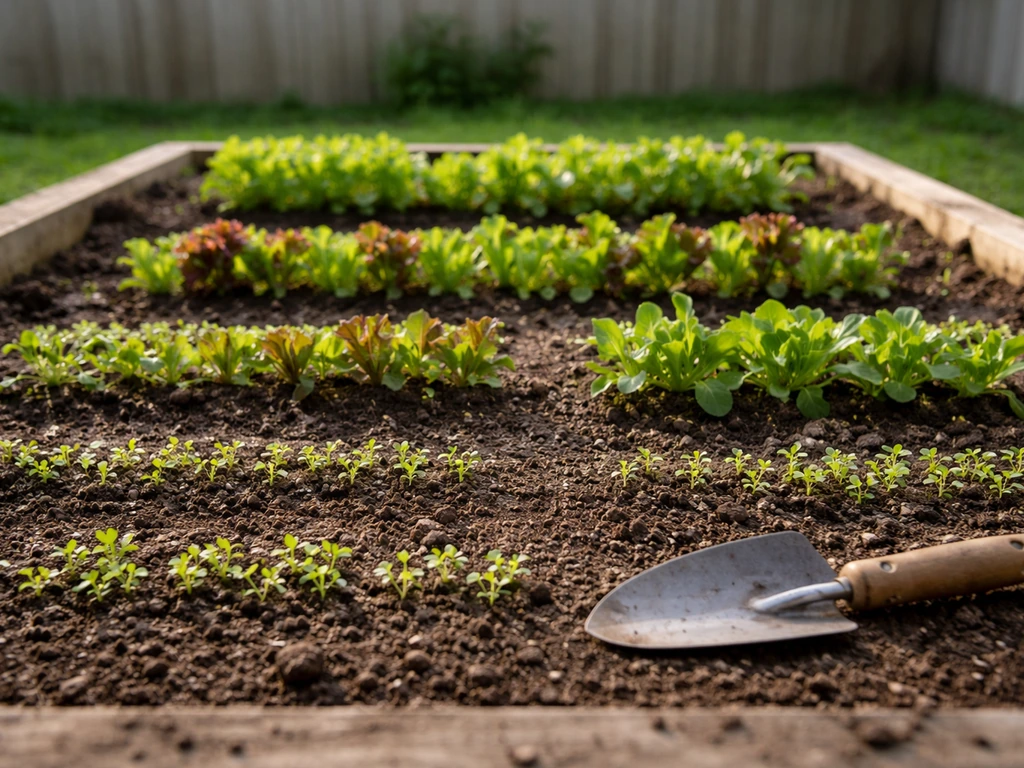
Succession planting means staggering your plantings every 2 to 3 weeks so harvests are spread out rather than all hitting at once. For salad greens and radishes, plant a new 4x4 block every 2 to 3 weeks from early spring through early fall. For cilantro, which bolts quickly, sow a new patch every 3 weeks. For tomatoes and peppers, one or two planting dates per season is fine because they produce over a long window. For garlic, you plant once in fall and harvest once in summer. Write out a simple spreadsheet: crop, planting date, expected harvest date, bed space used. Even a basic version of this prevents the common mistake of planting everything at once in May and having nothing left to sell in August.
How Much to Plant
Work backward from your sales target, not forward from whatever fits in the ground. If you want to gross $300 per week at market, and your average sale is $5 to $8 per unit (bunch, pint, pound), you need to sell 40 to 60 units weekly. A 10x20 bed of salad greens yields roughly 10 to 15 pounds per cutting at $8 to $10/lb, so that one bed nearly meets a $100 weekly revenue target on its own. Add a block of cherry tomatoes (10 plants x 15 lbs/plant = 150 lbs over the season at $5/pint = significant revenue) and some herb bunches, and you're building a real small-scale operation. Starting with 1,000 to 2,000 square feet of productive growing space is manageable for a first-season market grower.
Pricing, Sales Channels, and Demand: Farmers Markets to CSA
Growing great vegetables is only profitable if you can sell them at a price that covers your costs and time. Where and how you sell matters as much as what you grow.
Farmers Markets
Farmers markets give you the best price per unit for most crops and direct customer feedback on what's selling. The downside is time: you typically spend 4 to 8 hours per market day between setup, selling, and breakdown, plus the booth fee (usually $20–$60 per market day). Presentation matters more than people expect. Clean produce in simple kraft paper bags or clamshells, with a clear price sign, outsells the same produce piled loosely on a table. For cherry tomatoes, pints in clear clamshells at $4 to $6 consistently outsell bulk pricing. Bundle herbs in small bunches with a rubber band and a small label. Your display should be at eye level and look abundant even if you have limited inventory.
CSA Shares (Community Supported Agriculture)
A CSA model means customers pay upfront (typically $300 to $600 for a season) in exchange for a weekly box of produce. This gives you capital before the season starts and guaranteed income regardless of weather or slow market days. The trade-off is that you commit to delivering variety every week, which requires solid succession planting and a diverse crop mix. A small CSA of 10 to 20 members is very manageable for a home-scale grower and can generate $3,000 to $12,000 in pre-season revenue depending on box size and season length. Start smaller than you think you need to; it's much better to under-promise and over-deliver than to scramble every week.
Local Restaurants and Food Hubs
Restaurants pay lower prices per unit than direct consumers but buy in larger quantities and want consistency. If you can reliably deliver 10 pounds of shishito peppers or a case of heirloom tomatoes every week, a farm-to-table restaurant is a great customer. Call or email the chef or purchasing manager, not the front desk. Lead with what makes your product different (certified organic, unique varieties, local) and offer a sample drop. For food hubs and co-ops, expect 20 to 30% margin cuts in exchange for aggregating your sales. It's worth it once you have surplus beyond what you can sell directly.
Roadside Stands and Online/Community Sales
A roadside stand or farm stand requires almost no overhead if you already have foot traffic near your property. Honor system stands with a cashbox work surprisingly well for high-trust communities and eliminate your time at market. For online and community sales, platforms like Barn2Door, LocalHarvest, and neighborhood Facebook groups or Nextdoor allow you to take pre-orders and build a customer base without a formal market booth. Neighborhood herb bundles and salad green bags sold via group posts can move product fast with zero booth fees.
Reading Demand and Seasonality
At farmers markets, watch what other vendors sell out of fastest. That's real demand data. Early in the season (May/June), customers want spring greens, radishes, and the promise of summer crops. Mid-summer (July/August), tomatoes and peppers dominate. Fall markets see strong demand for storage crops, kale, greens, and anything that feels like comfort food. Price your off-season crops (spring greens in April, fall spinach in October) at a slight premium because you have less competition and customers know it's the tail end of the season.
Cost-Benefit Basics and Simple Budgeting for Home-to-Small-Farm Scale
This is where a lot of growers skip the math and end up working hard for very little. Do the calculation before you plant, not after. If you want to maximize profit, use this same budgeting approach to narrow down the most cost effective vegetables to grow for your space and local market.
The Basic Formula
Profit = Revenue minus (Seed and Input Costs + Labor Cost + Infrastructure/Market Fees). The hardest part for most people is honestly accounting for their own labor. If you spend 10 hours per week in the garden and at market, and you value your time at $15/hour, that's $150/week in labor cost you need to cover before you're actually making money. Don't skip this. It's the most common reason growers think they're profitable when they're actually just keeping busy.
Sample Budget: 1,000 sq ft First-Season Operation
| Item | Estimated Cost | Notes |
|---|---|---|
| Seeds (greens, tomatoes, peppers, herbs) | $80–$150 | Organic seed, multiple varieties |
| Transplants (tomatoes, peppers if not starting from seed) | $30–$80 | 6-pack or individual starts from nursery |
| Garlic seed stock | $40–$80 | 1–2 lbs of seed garlic for 100 sq ft bed |
| Compost/soil amendments | $50–$120 | Bulk compost, lime if needed, organic fertilizer |
| Row cover/supplies | $30–$60 | Reusable; lasts multiple seasons |
| Market booth fee (10 markets) | $200–$600 | $20–$60/market |
| Packaging (bags, clamshells, labels) | $40–$80 | Per season estimate |
| Total Estimated Inputs | $470–$1,170 | First season; lower in subsequent years |
On the revenue side: a 1,000 sq ft operation with 400 sq ft in greens, 200 sq ft in tomatoes/peppers, 200 sq ft in garlic, and 200 sq ft in herbs can realistically gross $3,000 to $6,000 in a full season with consistent market attendance and succession planting. After inputs ($500 to $1,200), you're at $1,800 to $5,500 before labor. Whether that's truly profitable depends on how efficiently you work. Experienced growers at small scale aim for $1 to $2 in revenue per square foot per season as a benchmark. If you're hitting below $0.50/sq ft, something needs to change: your crop selection, your sales channel, or your efficiency.
Year two gets easier. Seeds saved from open-pollinated varieties, reusable supplies paid off, soil already improved, and customer relationships established all reduce cost and time. This is why most successful small-scale market growers say year one is the hardest and year three is when it actually starts feeling sustainable.
Common Mistakes and Quick-Win Planting Plans for Your First Season
Mistakes That Kill First-Season Profitability
- Planting too many varieties: It feels like diversification but creates management chaos. Stick to 6 to 8 crops your first season.
- No succession plan: Planting everything in May gives you a June glut and nothing in August. Stagger plantings every 2 to 3 weeks.
- Ignoring soil before planting: Poor soil means poor yields and pest pressure. A $20 soil test saves you from $200 in wasted inputs.
- Overcommitting to a CSA before testing your yields: Start with a small CSA (5 to 8 members) or farmers market first. Know your production capacity before promising customers 20 weeks of boxes.
- Not tracking costs: Keep a simple notebook or spreadsheet of every input cost and every sale. Without this, you can't know what's working.
- Waiting too long to sell: Salad greens bolt, tomatoes split, basil turns black. Harvest and sell at peak quality; don't wait for a 'better time.'
- Spraying on a calendar instead of scouting: Organic sprays cost money and time. Scout first, treat only when pest levels justify it, and always check action thresholds before reaching for a spray.
- Pricing too low: Under-pricing is very common among new market growers. Check what nearby certified organic produce sells for and match it. Customers at farmers markets expect to pay more than grocery store prices.
Quick-Win Planting Plans by Situation
Use one of these three starter plans depending on your situation. Each is designed to get you something to sell within 30 days while building toward a full-season harvest.
Plan A: Small Space, Short Season (Under 500 sq ft, Zones 3–5)
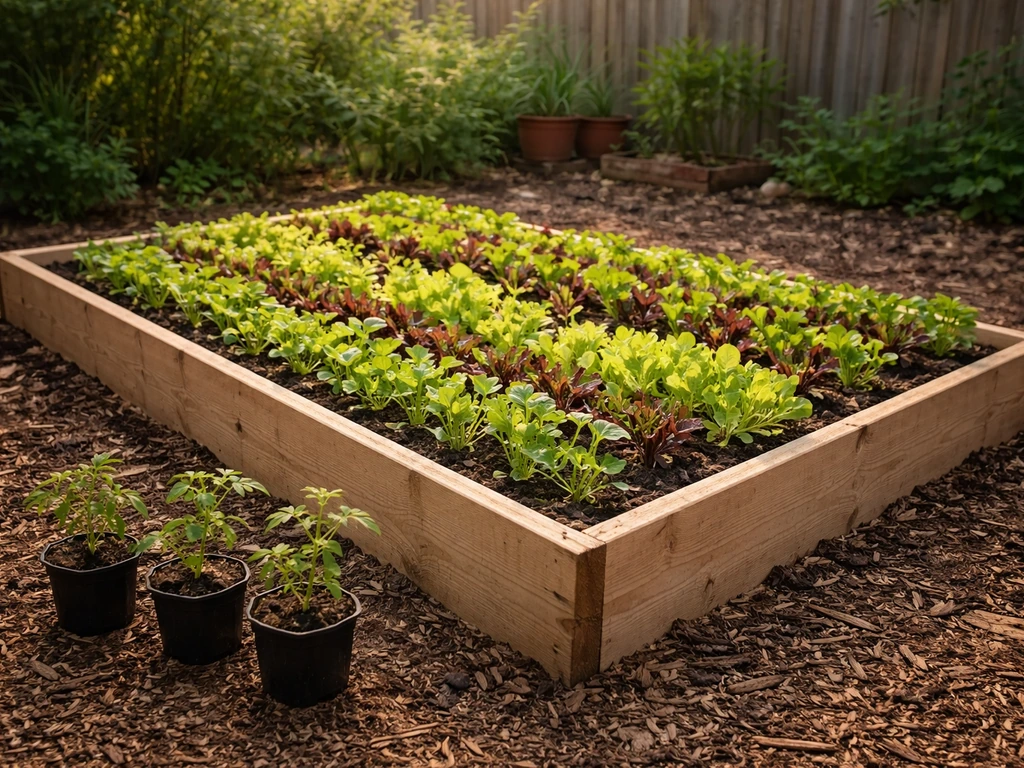
- Plant a 4x8 bed of mesclun mix immediately in spring (25–40 days to first cut; replant after each cut).
- Start 6 cherry tomato plants indoors 6–8 weeks before last frost; transplant to containers or raised bed after frost.
- Sow a 2x4 patch of radishes and re-sow every 3 weeks through June.
- Plant one 4x4 bed of basil after last frost; harvest tips weekly.
- Plant garlic in fall for next year's high-value harvest.
Plan B: Mid-Size Plot, Full Season (500–1,500 sq ft, Zones 5–7)
- Dedicate 300–400 sq ft to succession-planted salad greens and spinach (sow every 2–3 weeks, spring and fall).
- Transplant 15–20 cherry tomato plants and 10 shishito or specialty pepper plants in late May.
- Plant a 100 sq ft garlic bed in October for July harvest.
- Grow two 4x8 basil beds; stagger planting by 3 weeks so harvest isn't all at once.
- Add a 50–100 sq ft radish/cilantro rotation for market filler.
- Target 10–15 market days and consider a 10-member trial CSA.
Plan C: Larger Homestead, Revenue Focus (1,500+ sq ft, Zones 5–9)
- Build a 600–800 sq ft greens production block with 3-week succession plantings as your income base.
- Grow 30–50 cherry and heirloom tomato plants (mix of varieties for visual market appeal).
- Plant a full 200 sq ft garlic bed in fall; sell the following summer at $1–$2 per bulb.
- Add 20–30 shishito and specialty pepper plants for restaurant sales.
- Grow a 100 sq ft herb garden (basil, cilantro, dill, parsley) and bundle weekly.
- Launch a 15–20 member CSA with 8 to 12 week commitment for upfront cash flow.
- Track cost per bed and revenue per bed every 4 weeks to identify which crops earn most per square foot and double down in year two.
Whatever plan fits your situation, the core principle stays the same: start with crops that sell fast and command organic premiums, plan your plantings backward from your sales goals, manage your soil and pests proactively, and track the numbers honestly from day one. If you want to sanity-check your crop mix against the broader question of the best crops to grow for profit, use this section as your starting point for fast crops versus high-value crops. If you want the best organic crops to grow, choose varieties that match your local season and then pair fast sellers with a few high-value crops. That combination is what separates a productive garden from a genuinely profitable one.
FAQ
Can I sell vegetables as “organic” for profit if I’m not certified yet?
Yes, but only if your buyers know what “organic” means in your area. In practice, you need to confirm whether you are selling as certified organic, transitioning, or using organic practices without certification, because your labeling and eligibility for CSA or co-op programs can change. Make sure your grower notes and product tags match what your customers expect, and ask the market manager or CSA coordinator what proof they require before you label plants or boxes as organic.
How do I avoid pricing mistakes that make “high demand” crops unprofitable?
For farmers markets, a common pitfall is pricing per unit that ignores your packaging and spoilage. If you sell pints or bunches, price high enough to cover the cost of clamshells or kraft bags, plus a small shrink allowance (for example, 5% of weight or volume lost between harvest and selling). One quick fix is to calculate “price per net edible weight,” not price per field weight, especially for leafy greens that wilt.
What’s the best way to succession-plant when my harvest labor is limited?
Succession planting works best when you stagger by calendar and also by cultivar. For example, instead of sowing one mesclun mix every 2 to 3 weeks, mix two mixes or two cut-length timings so you do not end up with the same harvest stage in the same week. Also plan your harvest labor window, because greens quality peaks at harvest, and missed timing quickly turns into discounts or waste.
What should I do if my season runs shorter than expected or weather changes my timing?
If your climate is borderline, prioritize crops with both shorter maturity and marketable flexibility. Radishes, cilantro (harvest before bolting), mesclun, and baby spinach are easier to salvage with “salad-ready” bundles when weather shifts. For longer crops like tomatoes or peppers, use transplants with a faster days-to-maturity option, and consider row cover or low tunnels early to buffer cool snaps that delay growth.
Are raised beds or containers better for the best organic vegetables to grow for profit?
Raised beds often win for profit because soil depth, drainage, and scheduling are more controllable, but containers can still be profitable if you select crops that tolerate limited root space. If you go container-first, choose compact or determinate types (like patio cherry tomatoes) and keep a tight irrigation plan, because inconsistent watering can create blossom-end rot on tomatoes and bitterness in greens. Profit usually improves when you can keep quality uniform week to week, not just when you harvest more.
How can I measure whether my market setup is costing more than it earns?
A lot of growers lose money to “invisible costs” like hauling, parking, and end-of-day leftovers. Track your actual market spend (booth fee, bags, ice, transportation) and the percentage of product sold at full price versus discounted. If you regularly discount more than about 10% to 15% of your inventory, adjust your planting schedule, bundle sizes, or target fewer market days for the fastest-turn crops.
What should I confirm before selling organic produce to restaurants?
If you are selling to restaurants, consistency matters more than variety. Before planting, confirm your ordering cadence (weekly, every other week) and the minimum quantity they need, then decide whether you will deliver by weight (for peppers, garlic) or by count (for tomatoes) to avoid disputes. Also ask whether they require peak-grade or specific sizes, because the “good enough for home cooking” grade can be rejected, turning into waste.
How do I price spring greens or fall spinach without overestimating demand?
It depends on whether you are competing on freshness or on availability. For off-season sales, customers will pay a premium, but you still must control quality, especially texture for greens and sweetness for late tomatoes. A practical rule is to price off-season crops higher only after you verify that your actual yield and shelf life support it, otherwise a higher price cannot fix low sales volume or higher waste.
Is companion planting actually worth it for profit, or is it just extra work?
Companion planting helps, but the profitable angle is disease and pest prevention, not insect aesthetics. Use resistant varieties, spacing for airflow, and consistent scouting, then use companions like basil with tomatoes or marigold borders as an added layer. The mistake to avoid is reducing row cover or IPM monitoring because “companions will handle it,” since outbreaks can still wipe out salable harvests quickly.
What’s the best crop mix if I’m worried about failing with one “high-value” crop?
Yes. If you are new, don’t plan your whole year around one high-value crop with a narrow harvest window. Instead, build a buffer by combining a steady weekly seller (mesclun, radishes, cilantro) with one or two higher-value crops that overlap multiple months (for example, cherry tomatoes plus basil). This reduces revenue dips when weather or pests delay a single crop.
Best Crops to Grow for Profit: A Backyard Guide
Backyard and container picks for profit: high-value, fast-turn crops, growing tips, rotation plans, and profit calculato