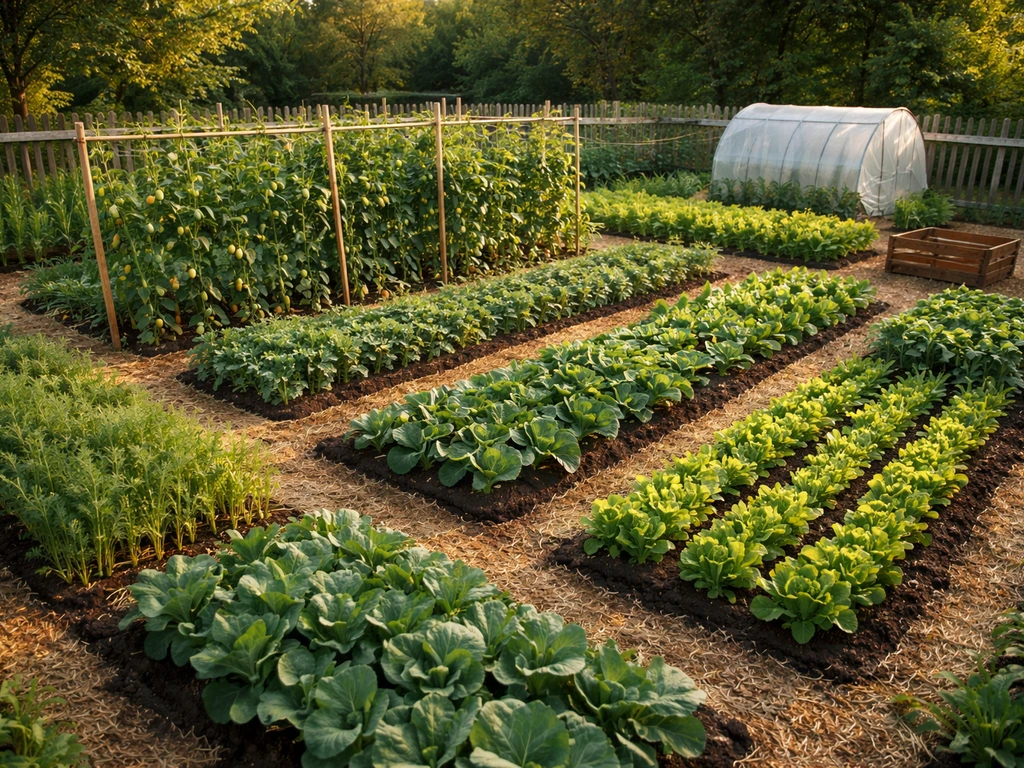
The crops most likely to make you money on a small farm are salad greens, tomatoes, garlic, herbs, cut flowers, and specialty items like microgreens or seedlings. But the honest answer is more specific than that: what makes money depends on how much space you have, what grows well in your climate, how you plan to sell it, and how much labor you can realistically put in.
What Can I Grow on My Farm to Make Money: Best Crops

Marcus Hendrick
23 May 2026
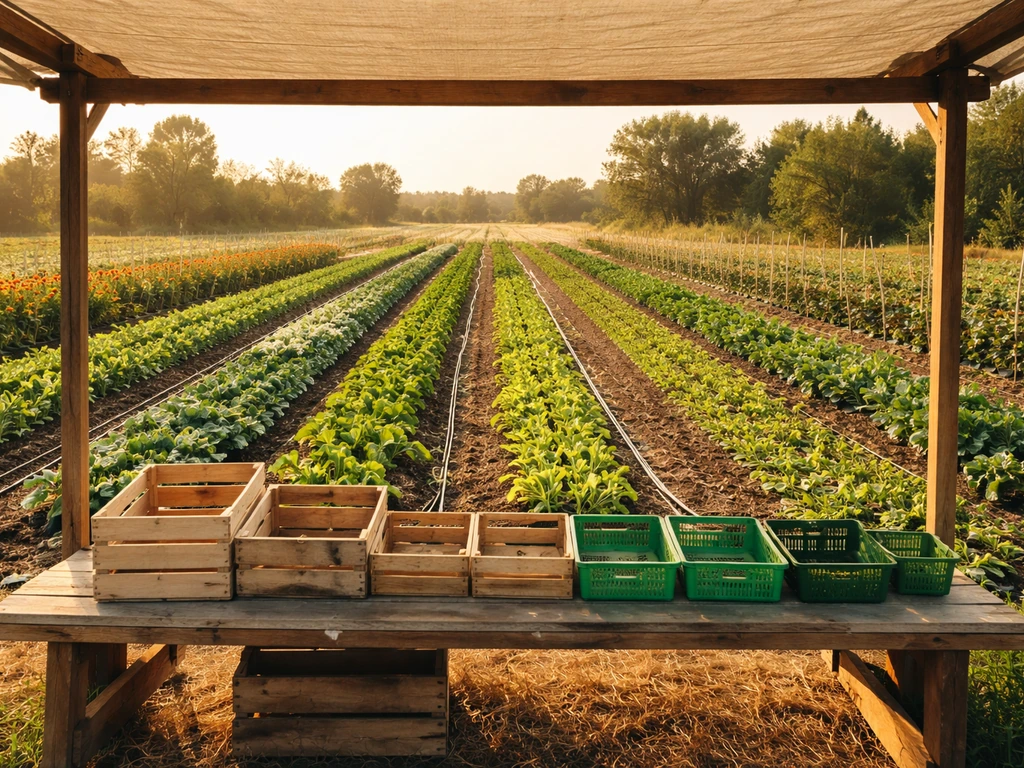
A single 4x8 bed of microgreens sold direct can net you $100–$200 a month. A quarter-acre of mixed vegetables sold at a farmers market can bring in $10,000–$20,000 a season if you run it right. The key is matching the crop to your actual situation before you plant a single seed. If you're still deciding where to start, this guide to what to grow on a farm can help you match crops to your space, climate, and sales plan.
With the right planning and a realistic plan for sales, you can grow vegetables on a farm and still build reliable profit.
Match the crop to your farm first
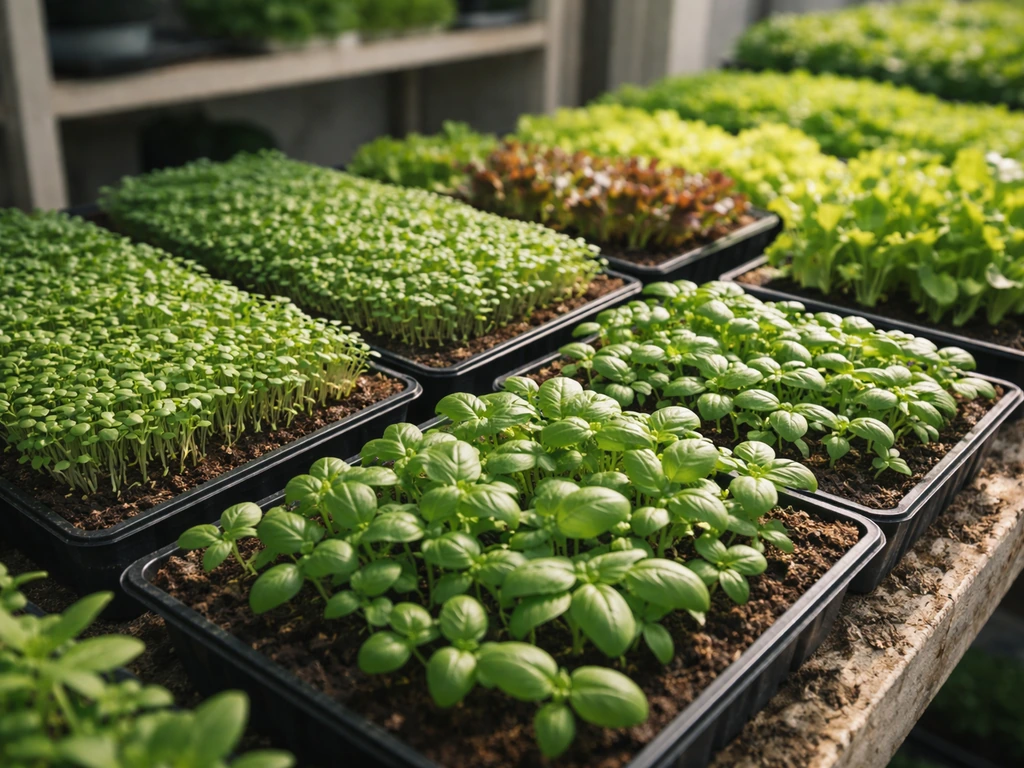
Before picking crops, be honest about four things: space, climate, labor, and season length. These constraints eliminate a lot of options quickly, and that's a good thing. Narrowing down early saves you from planting something you can't manage or sell. Use a similar approach to figuring out what you grow on a farm crossword-style by matching clues to your local climate, space, and market demand.
- Space: Less than 500 sq ft? Focus on high-value crops by the square foot: microgreens, herbs, salad greens, seedlings. A half-acre or more opens up tomatoes, garlic, cut flowers, and small fruit.
- Climate and zone: Cool-season crops like lettuce, spinach, and kale thrive in zones 3–7. Warm-season high-earners like tomatoes, peppers, and melons need a long frost-free window (zones 6–10 are best). Know your last frost date and work backward.
- Labor: Some crops are high-maintenance. Tomatoes need staking, pruning, and consistent watering. Garlic is almost hands-off once planted. Microgreens need daily attention but in a small space. Match crop labor requirements to what you can actually show up for.
- Season length: A 90-day growing season (common in northern states) limits you to fast-maturing crops unless you use row covers or a high tunnel. A 200-day season (Deep South, Pacific Coast) gives you multiple rotations and more variety.
One thing I always tell new growers: the best-selling crop you can't keep alive isn't a crop, it's a liability. Start with what grows well where you are, then figure out how to sell it. The other articles in this series cover what to grow on a small farm and growing vegetables generally, but this guide is specifically about the money side, so let's stay focused there.
Where small farms actually make money
The channel you sell through is almost as important as what you grow. Farm-gate prices are almost always lower than direct-to-consumer prices, sometimes by 50–70%. That gap is your profit margin. Here's how the main channels compare:
| Channel | Price Premium | Effort Level | Best For |
|---|---|---|---|
| Farmers market | High (retail or near-retail) | High (setup, presence, travel) | Mixed vegetables, flowers, herbs, value-added |
| CSA (Community Supported Agriculture) | High (pre-paid, stable income) | Medium (weekly pack/distribution) | Consistent growers with diverse crop mix |
| Roadside stand / farm stand | Medium-High | Medium (setup, signage, staffing) | High-volume staples, berries, seasonal produce |
| Farm-to-table / restaurants | Medium-High | Medium (relationship-based, consistent supply needed) | Specialty greens, heirloom tomatoes, herbs, edible flowers |
| Online/prepaid harvest orders | High | Medium (order management, packing) | Niche crops, microgreens, seedlings |
| Wholesale/grocery | Low | Low (drop and done) | Only worth it at scale with low-cost-per-unit crops |
Farmers markets are the most accessible entry point for beginners, and ATTRA specifically calls them out as a good starting channel for new farmers. But competition matters. If your local market already has six tomato vendors, you either need to differentiate (heirloom varieties, organic, value-added like sauce or salsa) or focus on something underrepresented. Vendor fees vary widely. Some markets charge a flat daily rate (one example: $15–$20 per space per day), while others like larger urban markets may charge a percentage of gross sales. Factor that into your pricing.
CSAs work well once you have a reliable customer base and a diverse enough crop mix to fill a weekly box. The big advantage is cash up front before the season starts, which helps cover seed and input costs. The downside is you're committed to filling boxes every week whether or not the crops cooperate.
On the regulatory side: rules vary a lot by state. In Minnesota, for example, you can sell your own farm-raised products without a food handler's license in many cases. But if you're selling through channels that require food-safety compliance documentation (like institutional buyers or food hubs), you may fall under the FDA's FSMA Produce Safety Rule, which sets standards for growing, harvesting, packing, and holding. Check your state's rules before you set up shop.
The best crops to grow for profit, by category
High-yield staples (reliable, broad market)
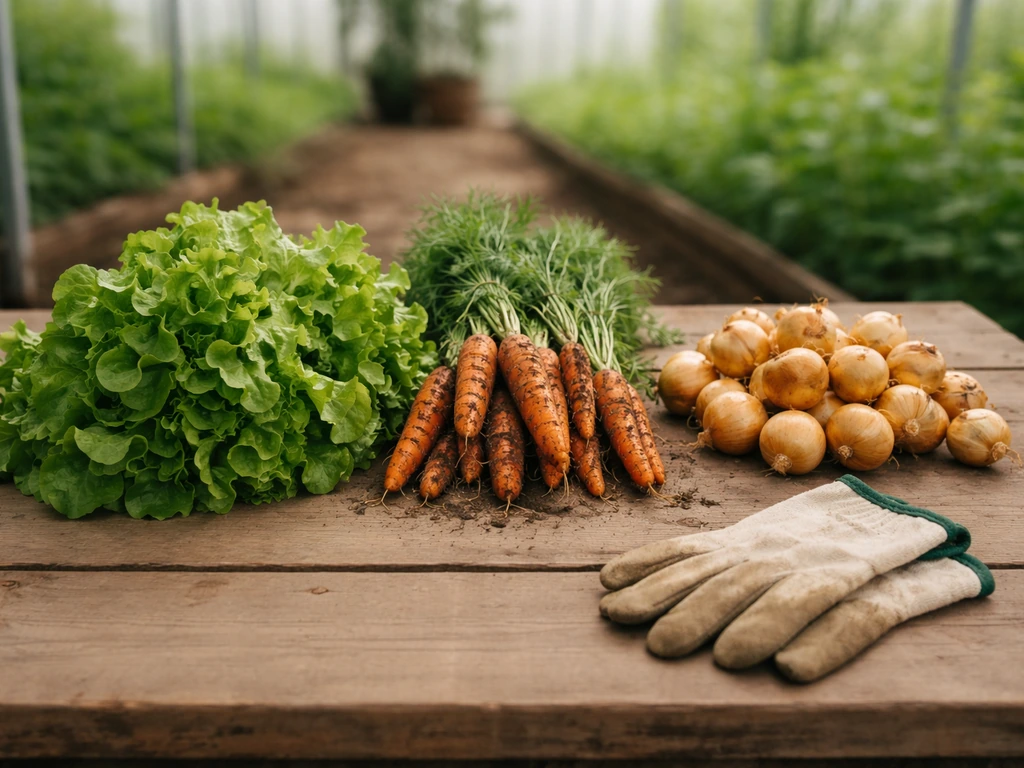
These are crops that sell quickly, have predictable demand, and are forgiving enough for most growers to produce consistently. They won't make you rich on a single bed, but they form the backbone of a profitable mixed-vegetable operation.
- Salad greens and lettuce: Fast-growing (30–45 days to harvest), multiple cuts per planting, high per-pound value at direct markets. Easy to succession plant. Cool-season crop, ideal for spring/fall or year-round under cover.
- Tomatoes: The most popular item at farmers markets in most U.S. regions. Heirloom and cherry varieties command premium prices. Labor-intensive, but a single well-managed 100-foot row can yield 200–400 lbs in a season.
- Garlic: Plant in fall, harvest in summer, minimal labor between. Hard-neck varieties sell for $8–$15/lb direct. Seed garlic (selling to other gardeners) can bring $15–$20/lb and up.
- Cucumbers and zucchini: High yield, fast turnaround, popular at stands and markets. Keep up with harvesting or quality drops quickly.
- Onions: Low-cost to produce, stores well, and steady demand. USDA NASS tracks monthly farm-gate prices for onions, and while they fluctuate, direct-market prices are consistently higher than wholesale.
High-value specialty crops (smaller volume, bigger margin)
These crops earn more per square foot because they're either labor-intensive to produce commercially, perishable, or in high demand from restaurants and specialty buyers. They're worth including in any market garden plan.
- Microgreens: Grown indoors or in a greenhouse, harvest in 7–14 days, sell for $25–$50/lb or by the tray ($5–$15 per tray). Low startup cost, very high revenue per square foot. Great for beginners with limited outdoor space.
- Cut flowers (sunflowers, zinnias, dahlias, lisianthus): Farmers market flower buckets and bouquets are consistently high-margin. Dahlias can earn $1–$3 per stem direct. Mixed bouquets retail for $10–$25 each.
- Specialty peppers and eggplant: Lower competition at markets than tomatoes, and restaurants pay well for consistent supply.
- Edible herbs (basil, cilantro, dill, parsley): Fast-growing, high-turn, and popular in bunches or by weight. Basil is especially profitable in summer. Can also be value-added into pesto, herb oils, or dried blends.
- Blueberries and strawberries: Higher startup investment and longer time to full production, but blueberries can sell for $4–$6/pint direct (USDA NASS shows farm-level prices around $1.72–$2.14/lb, but direct-market retail is significantly higher). U-pick models reduce your labor cost.
- Specialty greens (arugula, sorrel, Asian greens, watercress): Lower competition than standard lettuce, and restaurants specifically seek them out.
Herbs, transplants, and seedlings (high margin, low land use)
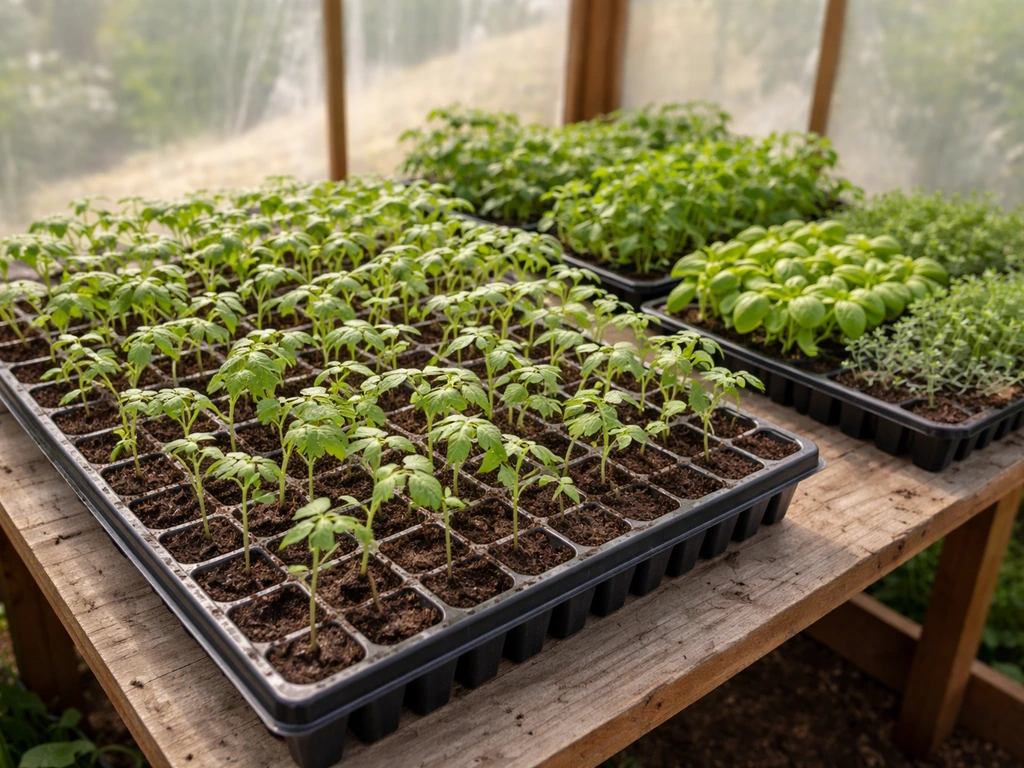
Selling vegetable transplants and herb starts in spring is one of the fastest ways to make money before your main crops come in. A single 72-cell tray of tomato transplants costs you maybe $2–$4 to produce and sells for $25–$40 at $3–$5 per plant. Herb pots (basil, rosemary, thyme in 4-inch pots) move fast at markets in May and June. The margins are excellent and the setup requirements are minimal if you already have a seed-starting area.
How to estimate what you'll actually earn
The basic formula is simple: Gross Revenue = Marketable Yield x Average Price per Unit. Net Profit = Gross Revenue minus all costs (seeds, amendments, water, packaging, market fees, and labor). This is exactly the structure UVM Extension uses in their vegetable enterprise budget worksheet, and it works whether you're planning one bed or ten.
Here's a rough benchmark table for common crops. These are per-bed estimates based on a standard 4x8 ft raised bed or equivalent 32 sq ft, sold direct at farmers market or CSA pricing. Actual results vary by region, variety, and growing skill.
| Crop | Approx. Yield per 32 sq ft | Direct Market Price | Gross Revenue per Bed | Estimated Input Cost | Rough Net per Bed |
|---|---|---|---|---|---|
| Salad mix (3 cuts) | 6–9 lbs | $8–$12/lb | $48–$108 | $10–$15 | $35–$95 |
| Tomatoes (cherry) | 30–50 lbs | $4–$6/lb | $120–$300 | $20–$30 | $90–$270 |
| Basil (multiple harvests) | 4–8 lbs | $12–$20/lb | $48–$160 | $8–$12 | $36–$148 |
| Microgreens (4 trays/month) | 4–6 lbs | $25–$40/lb | $100–$240/month | $15–$25/month | $75–$215/month |
| Garlic (hardneck) | 15–25 lbs | $8–$15/lb | $120–$375 | $20–$30 | $90–$345 |
| Zucchini | 25–40 lbs | $2–$4/lb | $50–$160 | $8–$12 | $38–$148 |
A few important notes on these numbers. First, marketable yield is not total yield. USDA ERS estimates that roughly 30% of produce is lost at the production and harvest stage alone, with additional losses post-harvest. Factor in a 20–30% loss to culls, damage, and imperfect produce when you're projecting income. Second, labor is often the biggest hidden cost for small growers. If you're paying yourself or a helper, that needs to appear in your cost column. Enterprise budget tools from UNR, UW, and UD Extension all stress tracking labor as a line item.
For a simple personal spreadsheet, set up columns for: crop name, bed/area, seed cost, amendment cost, labor hours x rate, packaging, market fees, expected yield (lbs), price per lb, gross revenue, and net. Run it for each crop you're planning. Doing this before you plant is how you avoid putting 60 hours into something that nets you $40.
Plan your planting schedule (succession and rotation)
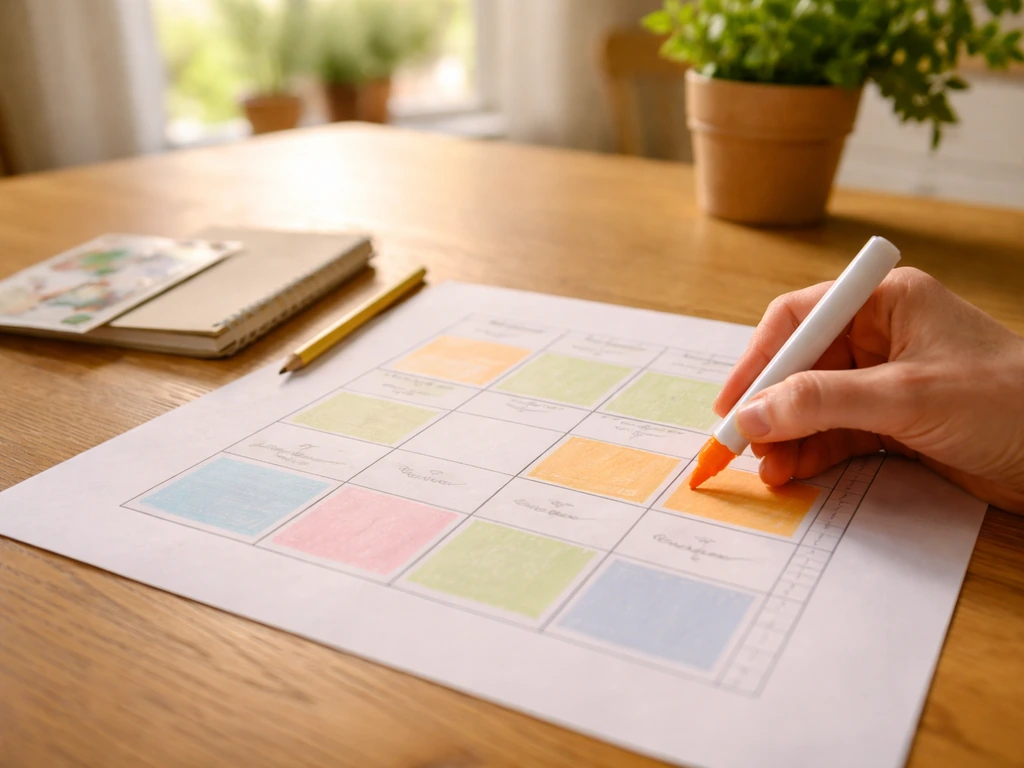
One planting equals one harvest window. That's fine for a home garden, but if you're selling, you need a steady supply across your entire market season. Succession planting is the answer. OSU Extension describes it as staggering plantings so you harvest continuously rather than getting buried in one giant flush. The practical approach: start a new planting of fast-turnaround crops every 7–14 days throughout the season (WVU Extension recommends this interval for vegetables like lettuce and radishes).
- Map your beds on paper or a spreadsheet before the season starts. Assign each bed a primary crop and a follow-on crop for after first harvest.
- Use CSU Extension's planting guide as a reference for days-to-harvest, spacing, and germination temperatures for your region's cool and warm season crops.
- Stagger plantings of salad greens, radishes, carrots, and beans every 7–14 days so you have continuous harvest from spring through fall.
- Plan your warm-season transplants (tomatoes, peppers, basil) to go in right after your last frost date, with a second planting of fast crops like cucumbers 4–6 weeks later.
- In fall, transition beds back to cool-season crops (spinach, kale, arugula, garlic) before frost closes the season.
- Use floating row cover to extend your season by 2–6 weeks at both ends. Wisconsin Extension explains it's spun-bonded fabric that lets in light, water, and air while holding heat and excluding pests.
Crop rotation matters both for soil health and pest management. Moving crop families around beds each year prevents disease and pest buildup. The basic rule: don't plant the same family in the same spot two years in a row. Tomatoes/peppers/eggplant (Solanaceae), lettuce/chicory (Asteraceae), and brassicas (cabbage family) are the three biggest families to rotate deliberately.
Scaling from a test plot to a real operation
Start with a test plot, not a full commitment. Pick 2–3 crops from the categories above, grow them on 1–3 beds, and sell what you produce through one channel. Learn what actually sells in your area, what you can grow consistently, and what the real labor hours look like. Then expand based on evidence, not optimism.
Post-harvest handling
This is where small growers leave a lot of money on the table, literally. Produce that isn't cooled quickly loses quality fast. UC Davis postharvest guidance recommends storing leafy greens at 32–36°F with 90–95% relative humidity. NC State Extension makes the same recommendation: remove field heat quickly and get greens to 32°F as soon as possible.
For blueberries, UGA Extension recommends pre-cooling right after harvest and storing at 32°F, where they can last 2–4 weeks. Even a basic dorm fridge in a cool space is better than leaving harvested produce in the sun. Cooling slows respiration and keeps produce market-ready longer. USU Extension notes that some crops are sensitive to chilling injury below about 35–55°F (think basil, peppers, and some tropical fruits), so match storage temp to crop type.
Packaging and presentation
Presentation drives price at direct markets. Bunched herbs in rubber bands sell for less than the same herbs in a clean paper sleeve with a label. Pint containers of cherry tomatoes priced at $4 move faster than loose tomatoes priced by weight at the same effective rate. Packaging doesn't need to be fancy, but it needs to look intentional. Budget $0.10–$0.50 per unit for basic bags, bands, clamshells, or paper sleeves and factor that into your per-crop cost estimate.
Infrastructure worth investing in early
- A dedicated cooler or refrigerator with temperature control (even a used chest freezer with a temperature controller from a homebrew supplier works well)
- Harvest bins or totes that are easy to clean and label
- A simple inventory log (a notebook or spreadsheet) tracking harvest weight, sales, and unsold product
- Basic scale for weighing produce accurately before pricing
- Shade and water access near your harvest area to reduce field heat before cooling
Risk management and the mistakes that lose you money
Small-farm profitability fails in predictable ways. Knowing the common failure points in advance is a real advantage.
Pest and disease pressure
Penn State Extension's IPM guidance emphasizes monitoring first, reacting second. Scout your beds regularly, learn what damage looks like from common pests versus disease, and intervene early before damage scales. UM Extension lists all the ways disease enters a garden: wind, water, insects, infected seed, contaminated soil, even you and your tools. Sanitation (cleaning tools, removing diseased plant material, not working in wet beds) prevents a lot of this. Row covers, as USU Extension notes, are one of the most effective physical barriers within an IPM framework when timed correctly with pest life cycles.
Demand uncertainty
Growing more than you can sell is a fast way to lose money. Before scaling any crop, confirm your sales channel can absorb the volume. Talk to your market manager. Ask a restaurant if they'd buy from you before you plant. ATTRA's guidance on direct marketing is worth reading here: in direct markets, the farmer is responsible for both production and marketing, and those are two separate skill sets. Don't assume your good produce will sell itself.
Overcommitting before you have systems
This is the most common mistake I see. A grower plants 20 beds in year one, gets overwhelmed at harvest, can't cool or sell product fast enough, and loses a third of the crop to quality issues. USDA ERS reports that a significant share of food loss happens at the production and harvest stage, and small farms are especially vulnerable because they often lack the cooling and handling infrastructure that commercial operations have. Start with what you can harvest, cool, and sell in the same day or two. Then scale up your infrastructure alongside your planting.
Ignoring input costs and labor
It's easy to count revenue and forget costs. Seeds, soil amendments, water, packaging, market fees (flat daily fees or percentage-of-sales depending on the market), and your own time all eat into margins. Use an enterprise budget before each season, even a rough one. Build in a 20% buffer for unexpected costs. If the numbers don't work on paper, they definitely won't work in the field.
Weather and crop failure
Diversify across multiple crops and multiple selling channels so one crop failure or one slow market day doesn't collapse your revenue. A hailstorm that wipes out your tomatoes hurts a lot less if you also have garlic, greens, and herbs generating income. This is one reason experienced growers always grow more variety than they think they need.
Where to go from here
The practical next steps are straightforward: pick 2–3 crops from the categories above that fit your climate and space, build a simple enterprise budget for each one, map out a succession planting schedule, identify your selling channel, and plant a test plot this season. FarmDrop describes this kind of prepaid harvest-to-order marketplace model as a way to reduce waste by helping customers get fresher goods while producers use labor, product, and time more efficiently prepaid, harvest-to-order marketplace model. Track everything. What grows well, what sells, what takes longer than expected. That data is worth more than any guide because it's specific to your farm, your market, and your hands.
Small farms absolutely can make money from growing food. The growers who do it consistently aren't necessarily better gardeners than everyone else. They're just better at matching crops to reality, managing costs, and showing up at the market with clean, well-cooled, well-presented produce week after week. Start small, prove the model, then scale.
FAQ
How can I choose crops if I do not know what will actually sell in my market yet?
If you do not have steady customers yet, prioritize crops with short harvest windows and easy storage or quick turnaround, like salad greens, radishes, herbs, and garlic during its peak window. Then commit to selling a smaller portion through your channel (for example, 1–2 beds) so you learn demand and avoid unsold spoilage.
Can I make money with a single crop, or do I need multiple crops?
Yes, but treat it like a production plan, not a marketing afterthought. Start by listing your “must-sell” quantities per week (based on your past sales or a conversation with buyers), then plant succession so you have a continuous supply that matches those quantities, not just crop availability.
When should I scale up, and what limits scaling the most?
Do not scale based on yield alone. Confirm you can cool, pack, and get product to the buyer within your quality timeframe, then increase plantings only after your handling capacity keeps up. A simple rule is to run one additional bed per week only if you can still meet your sell-by timeline without overtime.
What should I do if I do not have a fridge or cooling setup yet?
Cooling is not one-size-fits-all. Leafy greens often need cold, humid storage, while some items can be harmed by chilling, so check the crop’s recommended temperature range. If you lack controlled storage, build your plan around “harvest early, sell quickly” and consider using a cooler with ice packs as an interim step.
What costs do beginners usually forget when calculating profit?
A good starting budget includes labor at your real time cost (even if it is unpaid at the start, use your replacement value), packaging supplies, market fees, and a realistic waste allowance for culls and handling damage. Also include “time to sell,” such as travel, setup, and cleanup, because it can change your net profit even when harvest revenue looks good.
How do I set a succession planting schedule that matches my actual sales pace?
Plan succession by starting small, then use your harvest history to adjust the interval. If your greens sell through fast, shorten the gap between plantings. If they stay longer than expected, lengthen intervals or shift future beds to faster-selling varieties first.
Should I pick varieties based on what sells, or based only on what grows well?
Yes. If you sell direct, you can sometimes capture higher prices by tailoring variety choice and presentation to what your buyers expect, for example, labeling herbs clearly, offering mixed cut greens, or using sizes that match restaurant prep needs. For wholesale-like buyers, prioritize consistency and predictable quantities over variety novelty.
What is the biggest compliance issue that can affect a profitable selling plan?
Food safety rules can affect what you can sell and how you handle it, especially if you ever plan institutional or wholesale sales. Before expanding, confirm whether your operation requires licensing, written documentation, or packing and holding practices, and align your harvesting and sanitation routine to those requirements.
How do I start selling to restaurants without risking a big loss if they change their mind?
For restaurants and specialty buyers, treat the first order as a trial and confirm delivery timing, packaging requirements, and whether they expect pre-washed product. A common mistake is growing what you like but not what they need in pack sizes, so ask for their “standard” weekly order early.
What is the best way to know if a crop will be profitable before the season is over?
Use a “harvestability check” before committing, for example, walk your beds weekly and estimate what portion is market-ready, not just what is growing. If you see consistent under-sizing, bolting, or pest pressure that reduces usable yield, adjust the plan by switching varieties, adding row cover timing, or reducing the next planting size.
How should I design a test plot so the results are actually useful for decisions?
Try a test plot with multiple crops, but keep it controlled by using the same bed dimensions, similar fertility inputs, and the same selling channel for each crop. That makes your data comparable, so you can drop low performers quickly without second-guessing whether the issue was the crop or the method.
Next Article
What to Grow on a Small Farm for Profit and Success
Pick profitable small-farm crops for limited space, then plan planting, yields, costs, and sales to start earning.