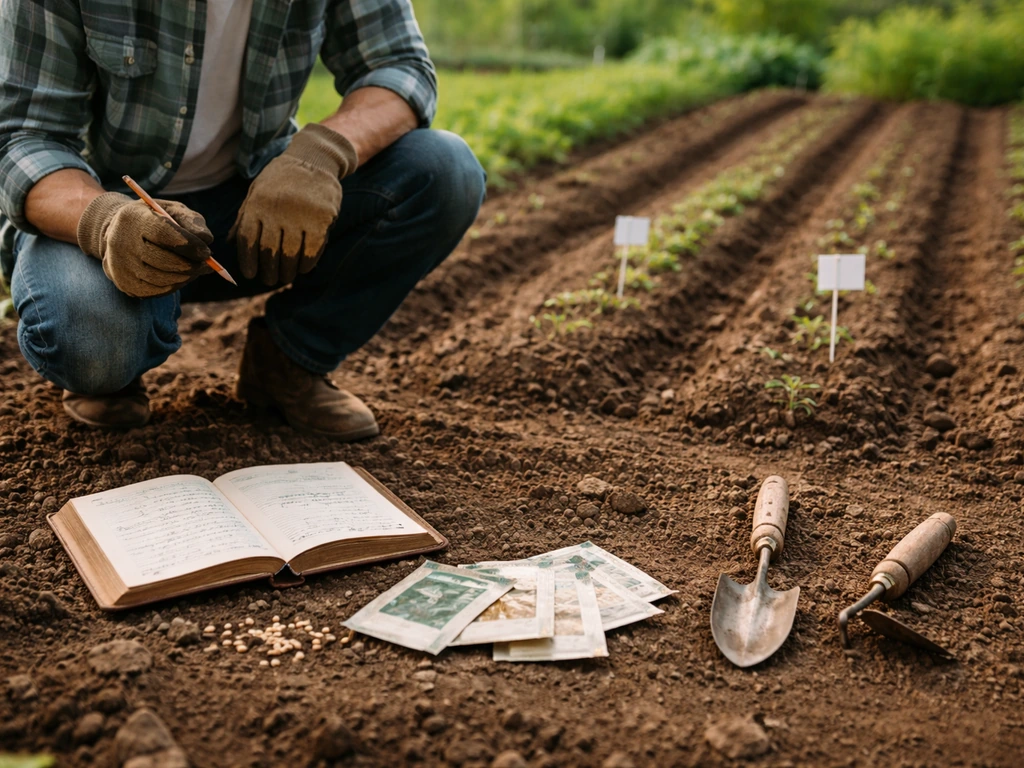
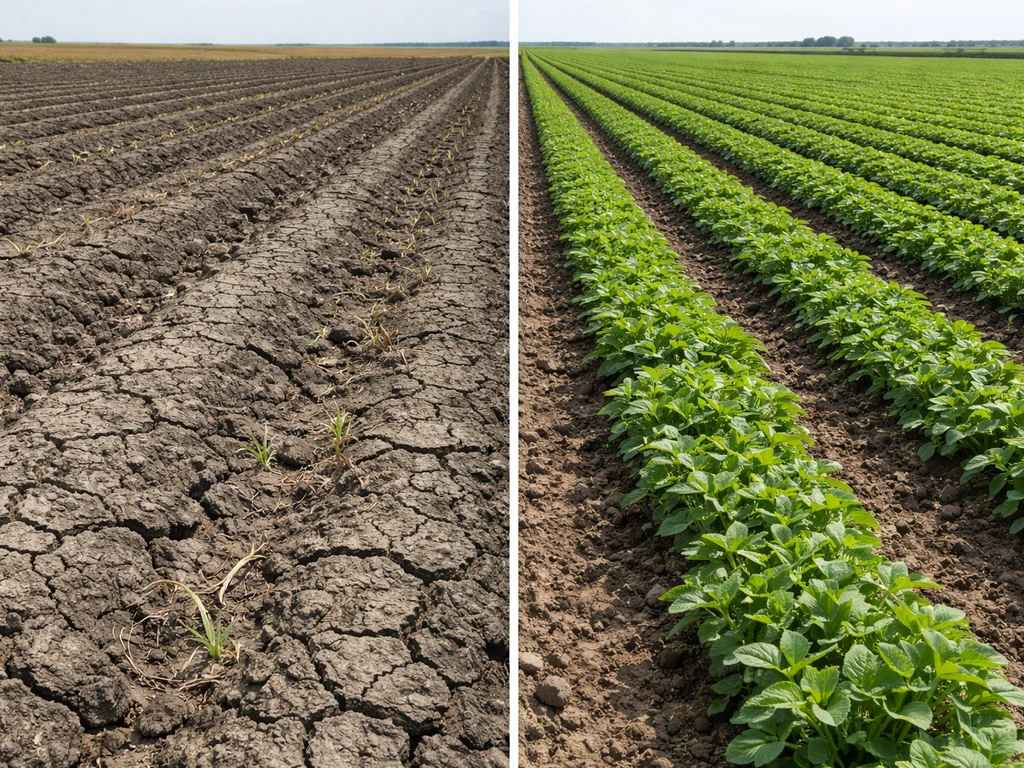
When crops don't grow, the most common terms you'll hear are crop failure, poor germination, failed establishment, and stunted growth. Which one applies to your situation depends on exactly where in the growing process things went wrong: did the seeds never sprout, did seedlings come up and then collapse, or did plants just stall out and sit there looking miserable? Each stage has its own name, its own causes, and its own fix. Here's how to figure out which one you're dealing with and what to do about it today.
What Is It Called When Crops Don’t Grow and How to Fix It

Marcus Hendrick
30 Apr 2026
The names people use (and when each one fits)
Crop failure is the broadest term. It covers any situation where a planting doesn't produce what you expected, whether that's zero germination or a harvest that falls far short of what it should be. People use it loosely, and that's fine for general conversation, but it doesn't tell you much about the cause.
Poor germination is more specific. It means seeds were sown but a disappointing percentage of them sprouted. You might see patchy, thin stands, or nothing at all. The problem happened at or just after the seed level, before plants ever got off the ground.
Damping-off is a disease-driven term with two sub-stages that catch a lot of gardeners off guard. Pre-emergence damping-off kills seeds or seedlings while they're still underground, so it looks exactly like poor germination. Post-emergence damping-off lets seedlings come up, then they suddenly pinch at the base of the stem and topple over. Both are caused by soilborne fungi and molds, but the timing looks different. If your seeds seemed to sprout but then disappeared, or your seedlings fell over for no obvious reason, damping-off is the first thing to investigate.
Failed establishment is used when transplants or seedlings are put in the ground and simply don't take. They might look fine for a few days, then go yellow, wilt, and die without ever really growing. This is distinct from germination failure because the plant already existed before you put it in the ground.
Stunted growth describes plants that are technically alive and growing but at a fraction of their normal rate. They look small, pale, or off-color compared to what they should be at that point in the season. Nutrient deficiencies, compaction, root problems, and chronic stress all land here.
| Term | When it applies | What it looks like |
|---|---|---|
| Crop failure | Any stage, general | Low or no yield from a planting |
| Poor germination | Seed stage | Sparse or zero sprouting after sowing |
| Pre-emergence damping-off | Seed/underground seedling stage | Seeds rot before sprouting; looks like poor germination |
| Post-emergence damping-off | Young seedling stage | Seedlings emerge then collapse at soil level |
| Failed establishment | Transplant stage | Transplants don't root in and die within days to weeks |
| Stunted growth | Any stage after emergence | Plants alive but abnormally small, slow, or discolored |
Fast diagnosis: figure out exactly where the failure is happening
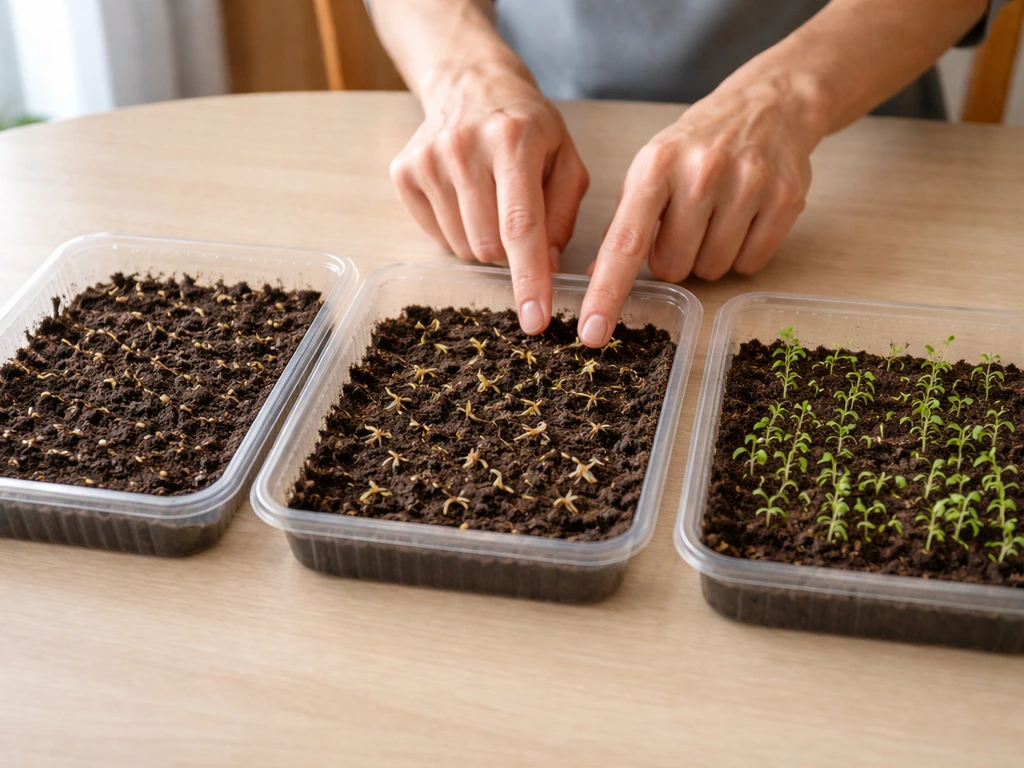
Before you do anything else, narrow down the stage of failure. This takes five minutes and saves you from treating the wrong problem. Ask yourself these questions in order.
- Did the seeds ever sprout at all? If no sprouts appeared within the expected germination window (typically 5 to 14 days for most vegetables, up to 21 days for slow germinators like parsley or carrots), you're dealing with a germination failure. Dig up a few seeds and check whether they've swollen, rotted, or are unchanged. Unchanged seeds often mean soil was too cold or too dry. Rotted seeds point to damping-off or waterlogged conditions.
- Did sprouts appear and then disappear or collapse? If seedlings came up but then fell over or vanished, that's post-emergence damping-off or a pest issue (cutworms cut stems at ground level; slugs consume seedlings entirely overnight).
- Did transplants go in fine but stall or die within 1 to 2 weeks? That's failed establishment. Check for root damage, transplant shock, temperature stress, or herbicide contamination in the soil.
- Are plants growing but clearly wrong, slow, or discolored? You're in stunted growth territory. Now you need to figure out whether it's a nutrient issue, pH problem, compaction, water stress, light deficit, or pest and disease pressure.
The most common causes in home gardens
Soil problems
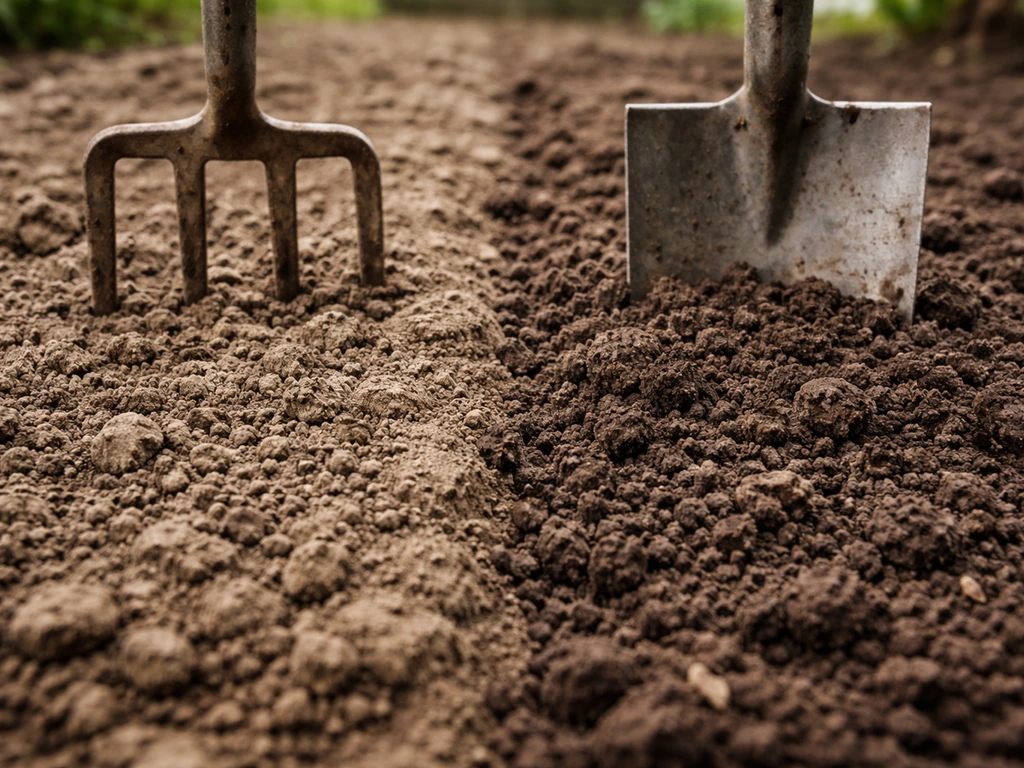
Compacted soil is one of the most underdiagnosed causes of poor crop performance. Roots can't penetrate it, water pools on the surface, and oxygen can't reach the root zone. Push a pencil or screwdriver into your bed. If it stops within 2 to 3 inches, the soil is too compacted for most vegetable roots to thrive. Heavy clay soils and beds that get walked on repeatedly are most at risk. Waterlogged soil does similar damage: when air pockets fill with water for more than a day or two, roots suffocate. Symptoms look almost identical to drought stress, which is confusing until you check the soil moisture.
Water issues
Both too much and too little water kill crops, and they can look the same from above. Wilting, yellowing, and poor growth happen either way. Stick your finger 2 inches into the soil: if it's bone dry, you're underwatering; if it's soaking wet and the bed drains poorly, you're overwatering or drainage is failing. Seedlings are especially vulnerable because their root systems are tiny. A couple of missed waterings in hot weather, or one week of sitting in wet soil, can end them.
Light deficits
Most food crops need 6 to 8 hours of direct sun daily. Anything less and you'll get spindly, slow-growing plants that produce little or nothing. Shade from fences, trees, or neighboring structures changes through the season as the sun angle shifts, so a spot that worked in May may be heavily shaded by July. If your plants are reaching, leaning toward light, or producing long thin stems with small leaves, insufficient light is almost certainly part of the problem.
Temperature stress
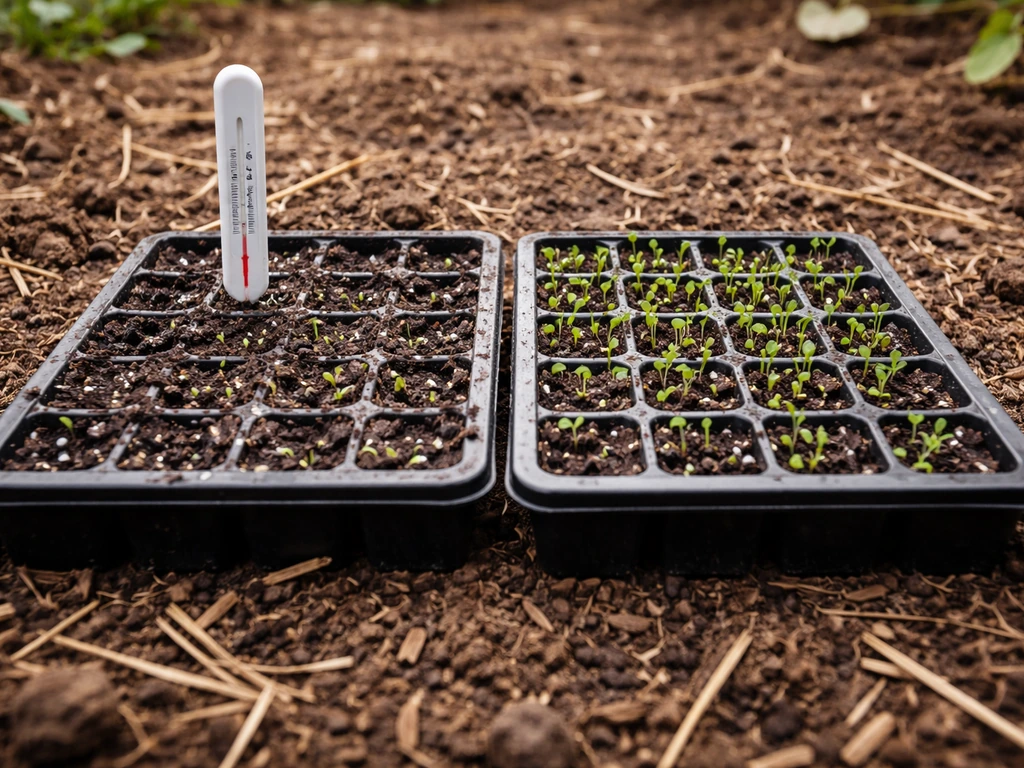
Every crop has a temperature range for germination and a separate range for active growth. Tomatoes won't germinate reliably below 60°F soil temperature. Lettuce bolts and becomes bitter above 80°F air temperature. Cool-season crops planted too late in spring will stall or bolt; warm-season crops planted too early in cold soil simply sit there doing nothing. These situations often get mistaken for soil or nutrient problems because gardeners assume timing isn't the issue. Check your soil temperature with a cheap probe thermometer before replanting.
Seed problems
Old seed loses viability. Most vegetable seeds last 2 to 4 years under good storage conditions (cool, dry, dark), but onion and parsnip seed drop off significantly after just one year. Do a quick germination test before sowing: place 10 seeds between damp paper towels, keep them at room temperature, and count how many sprout after the expected germination window. If fewer than 7 out of 10 germinate, the seed batch is weak. Planting depth also matters more than most gardeners realize. Tiny seeds like carrots and lettuce need to be barely covered, around an eighth to a quarter inch deep. Push them too deep and they run out of energy before reaching the surface.
Nutrient deficiencies, pH problems, and stress-related stunting
Soil pH controls whether plants can actually access nutrients, even if those nutrients are present. Most vegetables grow best between pH 6.0 and 7.0. Outside that range, nutrient lockout happens: the chemistry changes and roots can't take up what's there. An overly acidic soil (below 6.0) blocks phosphorus and calcium uptake. Overly alkaline soil (above 7.5) locks out iron, manganese, and zinc. Plants show deficiency symptoms even when the soil is technically well-amended. A $15 to $20 soil test from your local extension office will tell you your pH and primary nutrient levels. It's the single best diagnostic investment you can make.
Nitrogen deficiency is the most visually obvious nutrient problem. Leaves turn pale yellow starting at the bottom of the plant and working upward. Growth slows dramatically. In a garden with poor or unfinished compost, or soil that's never been amended, nitrogen deficiency is extremely common. Phosphorus deficiency often shows up as purple or reddish undersides on leaves, especially in cold soil where phosphorus uptake slows even when it's available. Potassium deficiency causes brown, scorched leaf margins.
Stunting from physical stress looks different from nutrient deficiency. Root-bound transplants that were left in small pots too long will stall after planting because the root ball is a tight, circling mass that can't expand. Compacted subsoil causes similar root restriction. If you pull a struggling transplant and the roots look like a solid ball with no outward growth after two weeks in the ground, root restriction is your problem. Loosening the root ball at planting and breaking up the surrounding soil is the fix.
Pests, diseases, and contamination
Damping-off and soilborne diseases
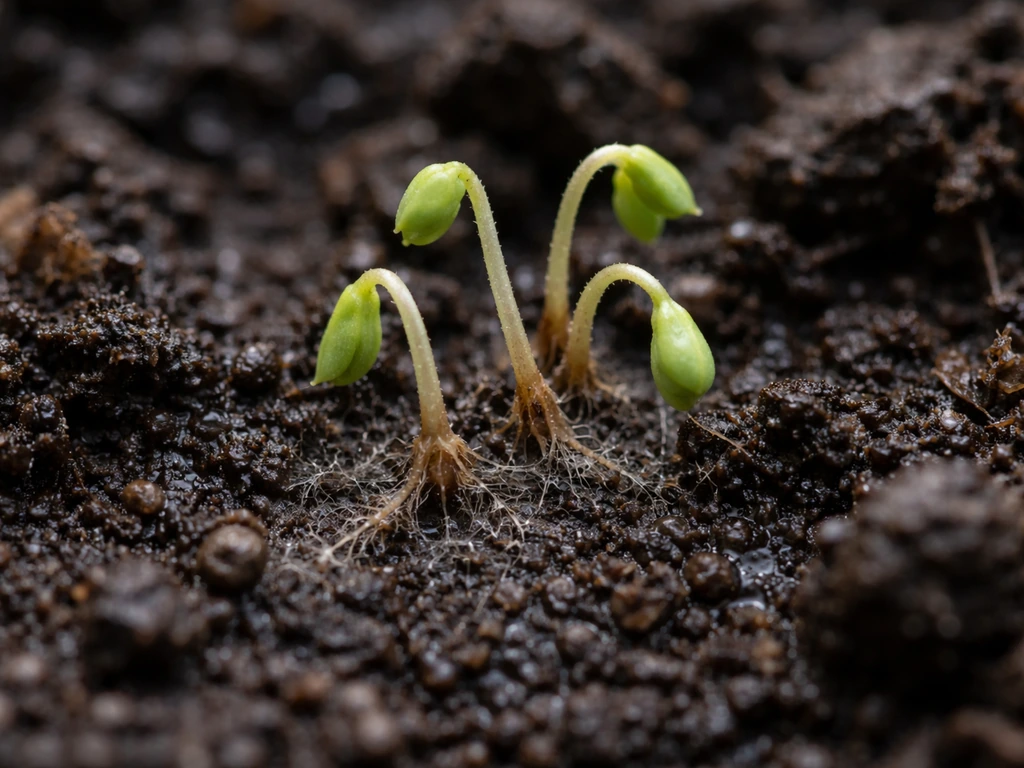
Damping-off fungi (primarily Pythium, Rhizoctonia, and Fusarium species) thrive in cool, wet, poorly drained soil. They're most destructive in spring when soil is cold and seedlings are slow to establish. If you're seeing seedlings collapse at soil level with a pinched or water-soaked stem base, that's classic post-emergence damping-off. Pre-emergence damping-off leaves no survivors to see: the seeds rot before they ever appear. Prevention is much easier than cure. Avoid overwatering, improve drainage, use fresh seed-starting mix for indoor starts, and don't work soil when it's waterlogged.
Insects and other pests
Cutworms sever seedling stems at ground level overnight. You'll come out in the morning to find healthy seedlings lying on the soil, cut clean. Wireworms and grubs feed on roots underground, causing plants to wilt and die without obvious above-ground damage. Aphids, flea beetles, and whiteflies don't usually kill crops outright but cause enough stress and damage that plants stall. Check under leaves and at soil level during your diagnosis.
Herbicide contamination and drift
This one surprises a lot of home gardeners. Herbicide contamination can enter your garden in several ways: compost made from hay or manure of animals fed on treated pastures, soil amendments from unknown sources, or spray drift from neighboring properties. [Aminopyralid and clopyralid are persistent herbicides that can survive composting and remain active in soil for years. ](https://ipcm.
wisc. edu/wp-content/uploads/sites/54/2022/12/UWNPMAminopyralidclopyralid_Carryover. pdf) Symptoms look like severe distortion: cupped, twisted, or strappy leaves, especially in tomatoes, peppers, beans, and peas. If you added new compost or manure and your plants suddenly look deformed rather than just weak, herbicide contamination is a real possibility.
There's no quick fix for contaminated soil. Growing unaffected crops (grasses, corn, brassicas) for one to two seasons while watering regularly to encourage breakdown is the typical remediation approach. If you’re trying to pinpoint which group did not grow its own crops, start by considering herbicide drift and contamination as a possible cause.
What to do right now: fixes based on your diagnosis
Match the fix to the stage of failure you identified. Here's a practical action list based on the most common scenarios.
- Seeds didn't germinate: Check soil temperature first. If it's below the minimum for your crop, wait or use a soil heating mat. If temperature is fine, dig up a few seeds to see if they rotted (damping-off or overwatering) or are unchanged (too dry or too deep). Resow at correct depth with fresh seed if viability is in question. For most small seeds, aim for a depth of two to three times the seed diameter.
- Seedlings collapsed after emergence: Remove affected plants to reduce fungal spread. Let the soil surface dry out slightly between waterings. Improve air circulation if growing indoors. Resow into fresh, well-drained seed-starting mix or a different bed location. Don't replant in the same wet spot without improving drainage first.
- Transplants stalled or died: Check roots. If they're circling or root-bound, loosen and replant. If soil is cold, use row cover or a cloche to warm the area. If the transplant wilted and died quickly, check for cutworms at soil level and for herbicide contamination symptoms (leaf distortion). Replace with a fresh transplant after addressing the cause.
- Plants growing slowly or discolored: Get a soil test if you haven't. In the meantime, scratch a balanced organic fertilizer (blood meal for nitrogen, bone meal for phosphorus, kelp or greensand for potassium) into the soil surface and water in. If leaves are yellowing from the bottom up, apply a nitrogen source like a diluted fish emulsion. If pH is the suspected issue, add agricultural lime to raise pH or sulfur to lower it, following package rates based on your soil type.
- Suspected herbicide contamination: Don't add more organic matter from the same source. Water the bed regularly to encourage breakdown. Plant grass or corn (resistant species) in the affected area this season. Test compost from the same batch by growing bean seedlings in a pot of it: distorted growth confirms contamination.
- Light is the problem: You can't move a shade tree, but you can relocate beds, use reflective mulch to bounce available light, or switch to more shade-tolerant crops like lettuce, kale, or herbs for that spot. Fruiting crops like tomatoes, squash, and peppers genuinely need full sun and won't produce well in partial shade regardless of how good your soil is.
How to prevent this from happening again
Soil prep starts months before planting
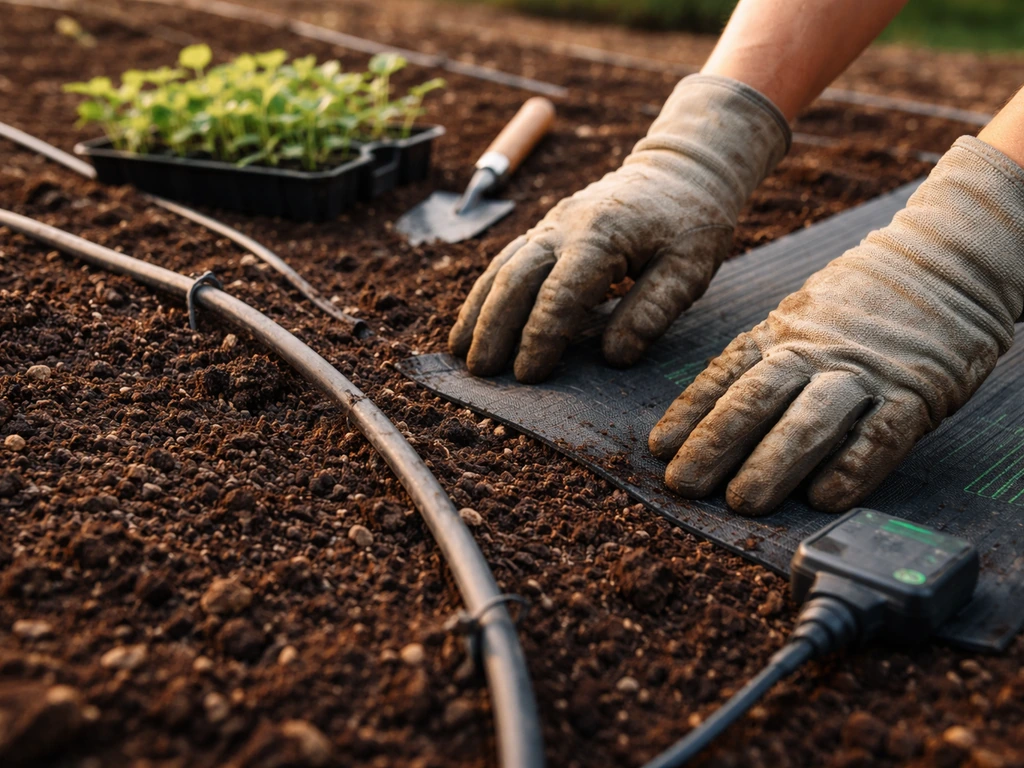
The single biggest thing you can do to prevent crop failure is build living, well-structured soil before the season starts. Work in 2 to 4 inches of finished compost each fall and again in spring. Test pH every one to two years and adjust proactively. Avoid walking on beds to keep compaction out of the root zone. If your drainage is poor, build raised beds or install simple French drains rather than fighting the same problem every year.
Timing is more important than most people think
A seed sown two weeks too early in cold soil, or a warm-season crop planted just before a late frost, can set you back an entire season. Use your last and first frost dates as anchors, but don't rely on them alone. Soil temperature matters more than air temperature for germination. Keep a cheap soil thermometer in your kit and check before you sow. Cold, cloudy springs in zones 4 through 6 can push soil warming back by two to three weeks past what the calendar suggests.
Harden off transplants properly
Failed establishment is often just transplant shock from moving seedlings from a warm indoor environment straight into the garden. Harden off over 7 to 10 days: start with 1 to 2 hours of outdoor exposure in a sheltered spot, increase daily, and hold off on full sun exposure until the last two days. Skipping this step is one of the most common reasons home gardeners lose transplants, and it costs nothing to get it right except a little patience.
Know your crop before you plant it
A surprising number of crop failures are simply the wrong crop for the wrong season or microclimate. This is also where costs come in, because inputs like seed, labor, water, and land time influence which crops are practical to grow. Spinach planted in July heat will bolt and fail. Squash planted in a shaded corner will produce almost nothing. Before every planting, confirm the crop's temperature range, sun requirement, and days to maturity against what your season and site can actually deliver.
Livestock producers face a similar decision when selecting which breed to raise, weighing genetics, climate fit, and production goals how do livestock producers choose the breed they grow. Growing food at home rewards planning more than effort. Half an hour of research before you plant saves weeks of troubleshooting after. These kinds of crop choices are also shaped by history, including what forced farmers to grow commercial crops.
Cost also influences how farmers decide what to grow, since input and production expenses affect which crops are financially viable how does cost determine what farmers grow. In some places, farmers are also compensated for leaving fields idle, which is where questions like how much farmers get paid not to grow crops come up. In some places, farmers are compensated for leaving fields idle, and that can answer questions like how much do farmers get paid not to grow crops how much farmers get paid not to grow crops.
FAQ
If my seeds never sprouted, is it always poor germination?
Not always. Pre-emergence damping-off can look identical from above, and planting depth can be a culprit too (tiny seeds like lettuce and carrots often fail if buried deeper than about 1/4 inch). Also check whether the seedbed dried out completely after sowing, since a “not germinating” outcome can be caused by moisture staying too low even when soil temperature is correct.
My seedlings came up, then died a week later. How can I tell between damping-off and something like cutworms?
Damping-off usually shows collapse at the base with a pinched or water-soaked stem, and you often find plants toppled near the soil line in patches. Cutworms typically cut stems clean at ground level overnight, leaving a “freshly severed” look and often affecting seedlings in a more localized pattern along the same path.
What does “stalled growth” usually come from when plants are alive but not thriving?
A common cause is root restriction, especially from circling roots in transplants or overly tight root balls. Another frequent reason is temperature mismatch, for example cool-season crops planted into warming weather or warm-season crops put in cold soil, where the plant stays alive but barely grows until conditions match its range.
How do I know whether I have an overwatering problem or a nutrient problem?
Start with the simplest check: soil moisture at about 2 inches down (bone dry suggests underwatering, soaking wet suggests overwatering or poor drainage). Nutrient issues can mimic stress, but persist even when moisture is corrected. If leaves are yellowing and growth is slow while the bed stays waterlogged, drainage and watering frequency should be suspected before you add fertilizer.
Can soil pH be “mostly fine” and still cause failure?
Yes. Even if plants appear to have some access to nutrients, being outside the ideal range can reduce uptake enough to cause thin growth or repeated deficiencies. If you are getting deficiency-like symptoms despite adding compost or fertilizer, a soil test that includes pH and major nutrients helps you avoid guessing.
I see pale yellow leaves on the bottom, but my plants also look weak. Is that nitrogen deficiency for sure?
Not necessarily. Nitrogen deficiency often starts on older leaves with bottom-up paling, but it can be compounded by root problems (like compaction) or water stress. If you pull a struggling plant and the roots are sparse or circling, fix root access first, then adjust nutrition because poor roots can’t use fertilizer efficiently.
How can I tell if my plants need more sun versus needing protection from heat?
Insufficient light usually produces long, thin stems, small leaves, and a reaching posture toward nearby light sources. Heat stress is more about wilting and stress patterns during hot afternoons, often improving after cooler evening temperatures. If your site is shaded by part of the day, rotate your diagnosis through the season, since shade can intensify as the sun angle changes.
What’s a quick way to check whether my seed batch is too old before sowing a whole bed?
Run a small germination test using about 10 seeds on damp paper towels, keep them warm and consistent, and count sprouts after the expected germination window. If fewer than 7 out of 10 germinate, the batch is weak, and you should plant more densely or replace the seed to avoid patchy stands.
I amended with compost and now plants look distorted. What should I do next?
First, stop adding any manure or compost you suspect could be contaminated, then identify whether symptoms match persistent herbicide injury (often cupped, twisted, or strappy growth). There usually is no fast “neutralizing” treatment for contaminated soil, so the practical next steps are remediation through time and growing unaffected crops for a season or two while managing water regularly.
Can the right crop still fail if the microclimate is off by only a little?
Yes. Small differences in sun exposure, wind, drainage, and heat retention can change whether a crop bolts, stalls, or underperforms. For example, a spot that’s workable in spring can become heavily shaded or too warm later, leading to “it used to work” failures. Recheck sun and temperature assumptions right before you plant, not just at the start of the season.
Should I replant immediately after failure or wait?
Wait if the cause is likely soil conditions or contamination. Replanting into compacted, waterlogged, cold, or herbicide-affected soil often repeats the same outcome. If you correct the specific factor (drainage, compaction, seed age, soil temperature, transplant hardening), then replanting can save the season, especially with crops that mature quickly.
Next Article
How Does Cost Determine What Farmers Grow? A Guide
Learn how production and hidden costs shape crop choice, plus simple cost per yield tools for home gardens.