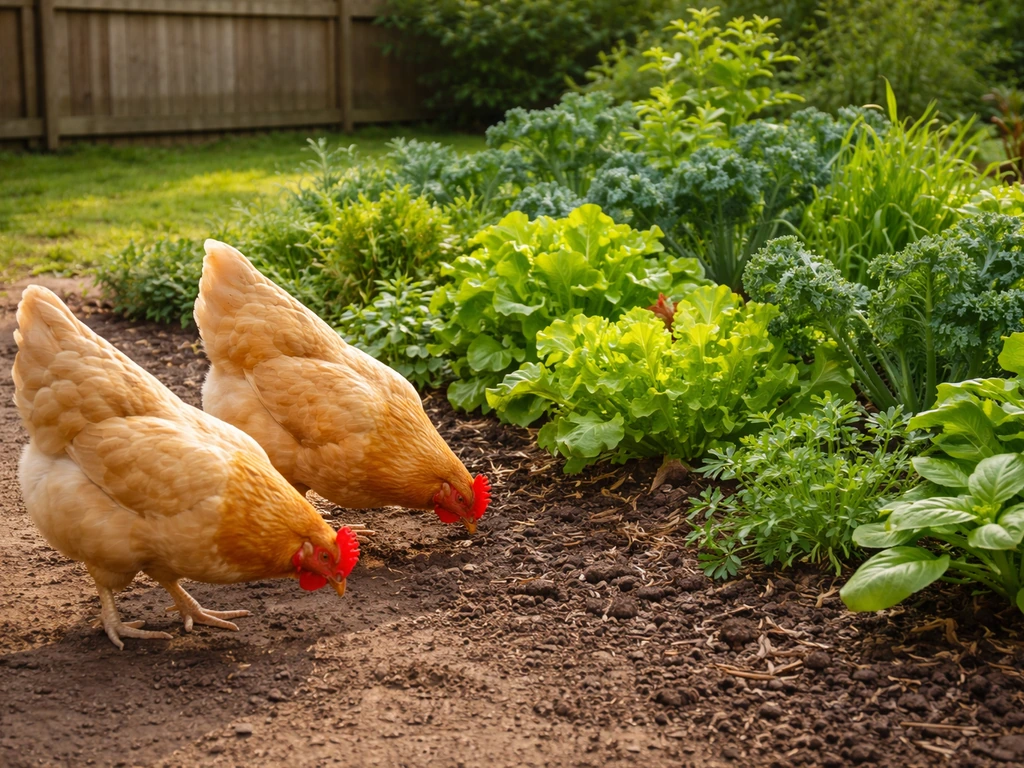
You can grow a surprising amount of food for your chickens even in a modest garden. Leafy greens, herbs, sunflowers, corn, squash, and forage cover crops like clover and black soldier fly larvae habitat plants can all come from your own backyard and meaningfully cut your feed bill. This guide walks you through exactly what to grow, how to grow it, how much space you need, and how to feed it safely without leaving your flock short on nutrition.
What Can I Grow to Feed My Chickens at Home

Marcus Hendrick
22 Apr 2026
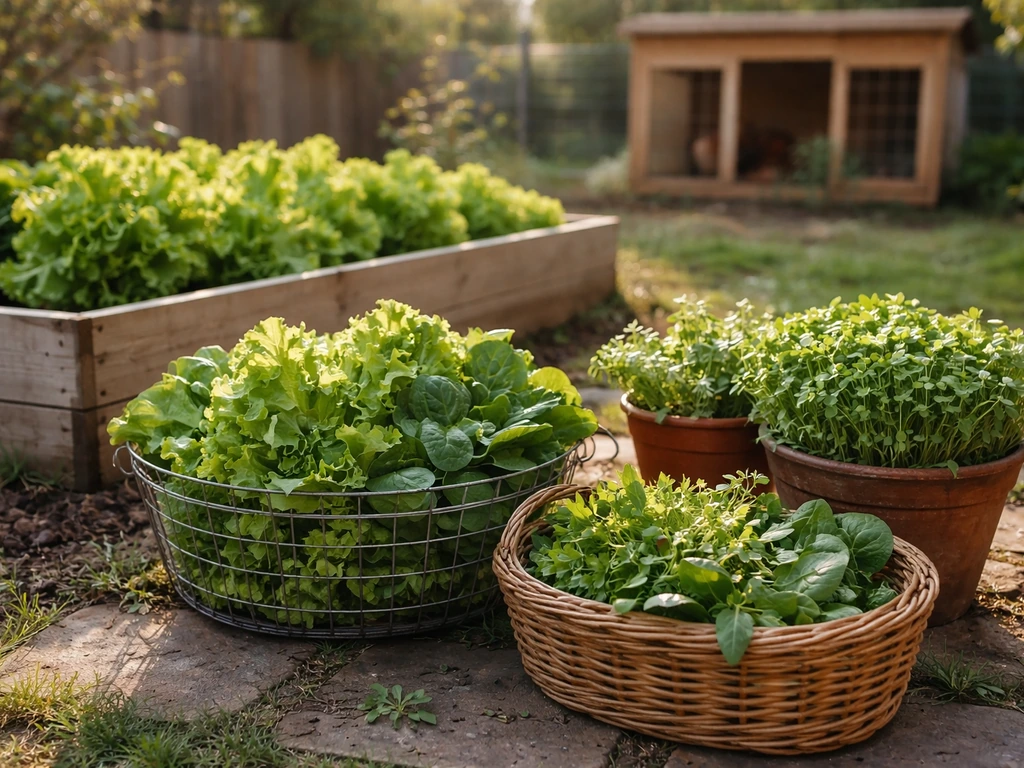
What chickens actually want to eat from your garden
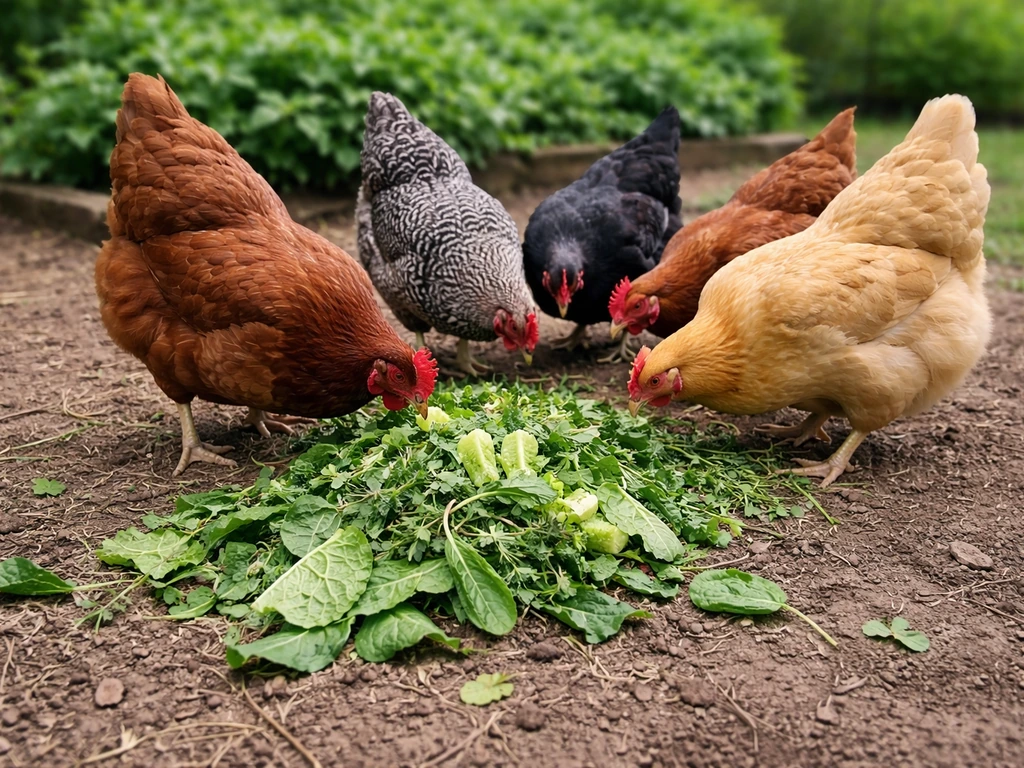
Chickens are omnivores with broad tastes, which makes it easy to grow something useful almost no matter your setup. The crops that give you the most value fall into four categories: greens and vegetables, herbs, forage plants, and grains and seeds. Each fills a different nutritional role, and mixing across all four is how you build a genuinely useful home-grown supplement.
Greens and vegetables
Leafy greens are the easiest win. Kale, Swiss chard, collards, spinach, lettuce, and cabbage all grow fast, tolerate partial shade, and chickens devour them. If you want more specific options beyond this list of leafy greens, see the best greens to grow for chickens for a simple selection strategy. Kale and chard are especially productive because you can harvest outer leaves repeatedly for months without pulling the plant. Chickens also go after the whole plant: outer leaves, stems, and roots. Zucchini and other summer squash are worth planting because a single plant produces more than most families eat, and chickens will eat the flesh, seeds, and skin of any squash that gets too big for the kitchen. Pumpkin seeds have a mild anthelmintic (worm-fighting) effect, which is a real bonus for flock health. Beet greens, carrot tops, and pea shoots round out this category well.
Herbs
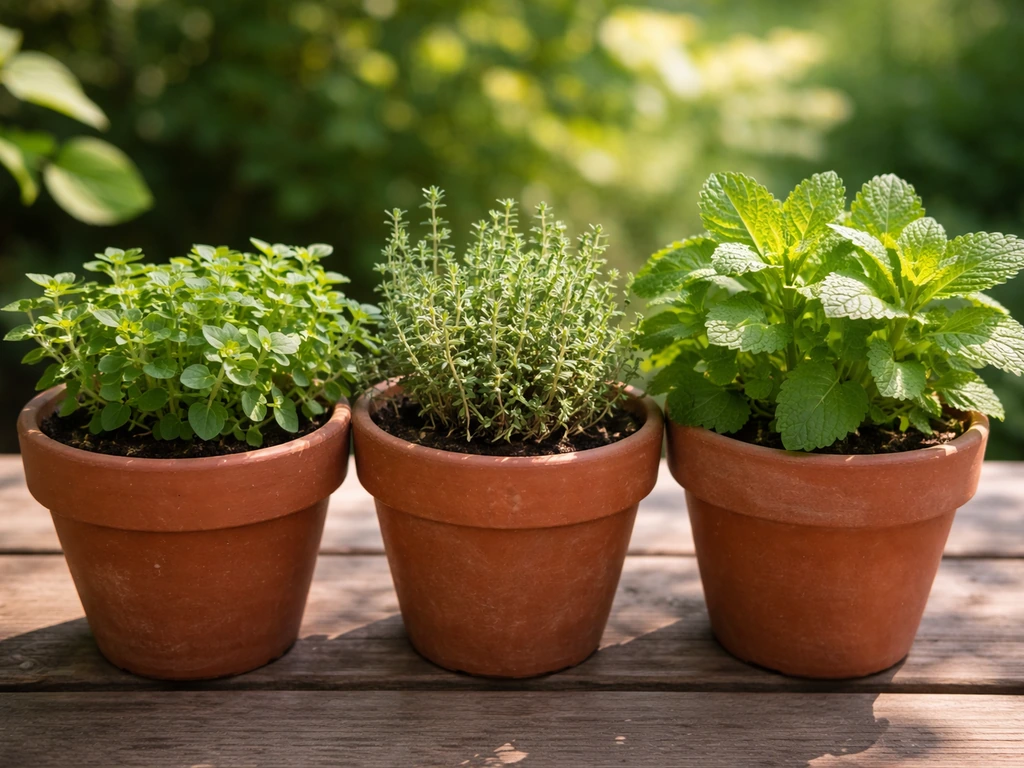
Several common herbs offer real health benefits beyond nutrition. Oregano has well-documented antimicrobial properties and many backyard keepers add it to the coop regularly. Thyme supports respiratory health. Mint deters insects in the coop when scattered in nest boxes. Lemon balm has a calming effect and chickens find it palatable. Dill and parsley are eaten readily and are nutritionally dense. Most of these are perennial or self-seeding annuals, meaning you plant once and harvest for years.
Forage plants
Forage is the closest thing to what chickens naturally eat. White clover and red clover are protein-rich (roughly 18-25% crude protein by dry weight), fix nitrogen in your soil, and regrow aggressively after chickens graze them. White clover is listed in the University of Georgia/CAES Field Report nutrient tables for common pasture forages, with crude protein reported around 25% of dry matter white clover with crude protein around 25% of dry matter. Chicory has a deep taproot that brings up minerals, and chickens eat both the leaves and the root. Plantain (the broadleaf weed, not the banana) is actually one of the best free forage plants you can encourage in a yard. Comfrey deserves special mention: it grows fast, tolerates poor soil, produces massive leaves high in protein and potassium, and can be cut four to six times per season. If you have even a 4x4 foot patch to dedicate to comfrey, it will produce more than you expect.
Grains and seeds
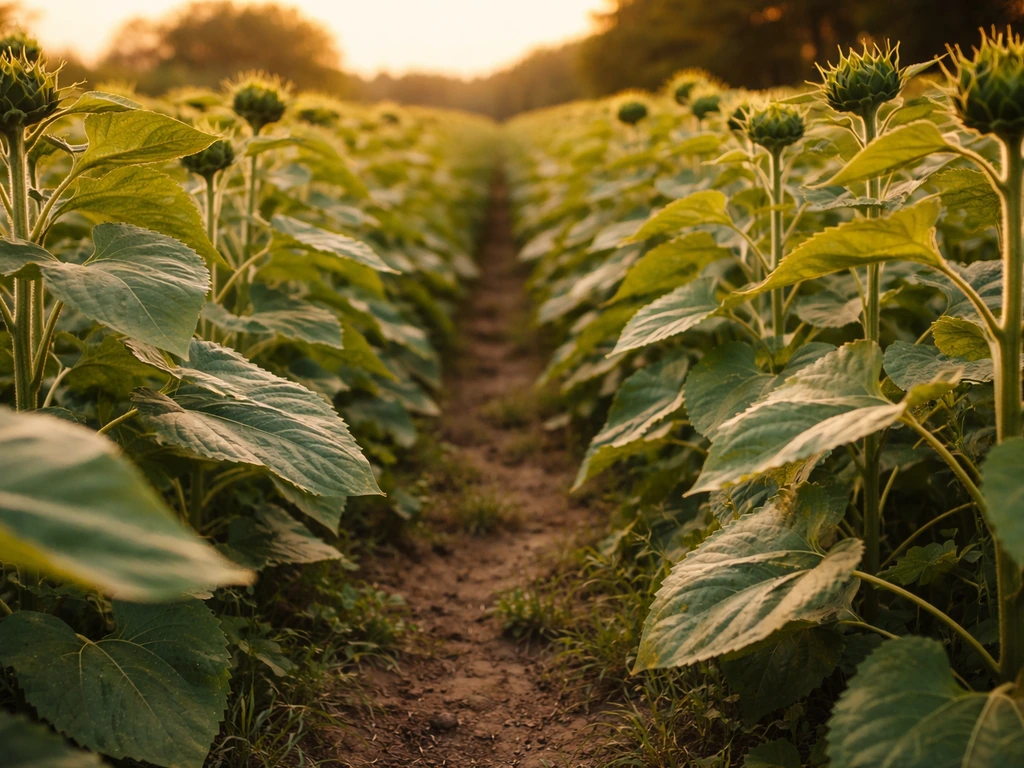
Grains are calorie-dense and form the core of a chicken's diet, which is why growing even a partial supply matters for self-sufficiency. Sunflowers are the easiest grain-category crop for home gardeners: a 10x10 foot patch of large-headed varieties like Mammoth Russian yields several pounds of seeds high in fat and protein. Corn (open-pollinated field corn or flint varieties, not sweet corn) dries on the stalk and stores well. Wheat, oats, and sorghum can all be grown in a larger garden and threshed by hand at small scale. Amaranth is worth singling out because it produces thousands of tiny protein-rich seeds per plant and is drought-tolerant. The research on best grains to grow for chickens goes deeper on yields and threshing methods if you want to expand into full grain production. If you want specifics beyond the overview, check the full section on the best grains to grow for chickens. If you are planning a practical garden, start with a focused list of what to grow for chicken feed and then scale up based on your flock size. If you want to translate the garden crops into a simple ration, start with what to grow for chicken feed, then expand it based on the specific options for what to grow for chickens.
Quick planting guide for each category
You do not need to overthink the growing side of this. Most of these crops are beginner-friendly and forgiving. Here is what actually matters for each one.
Greens and vegetables
Direct sow kale, chard, and spinach 4-6 weeks before your last frost date or in late summer for a fall harvest. Plant seeds 0.5 inches deep, 6-12 inches apart after thinning. These prefer full sun but tolerate partial shade. Water consistently and they are ready to harvest in 30-60 days. Squash and zucchini go in after last frost, direct-sown 1 inch deep with 18-36 inches between plants. They are heavy feeders, so work compost into the bed before planting. For pumpkins grown for their seeds, choose hull-less seed varieties like Styrian pumpkin.
Herbs
Start oregano, thyme, and lemon balm from transplants or divisions rather than seed if you want results quickly. They are slow from seed but once established will spread and need very little attention. Mint spreads aggressively, so plant it in a container or a defined bed edge. Dill and parsley are easy from seed, direct-sown in spring or fall. Most herbs prefer well-drained soil and at least 6 hours of sun.
Forage plants
Broadcast clover seed into a prepared bed or lawn area at 1-2 pounds per 1,000 square feet and rake lightly. It germinates in 7-14 days and establishes quickly. Comfrey is best planted from root cuttings (called offsets or crowns), set 2-3 feet apart. It will be ready to harvest by its second month and will return every year. Chicory can be direct-sown from seed in spring or fall. These forage plants are low-maintenance once established and genuinely need almost no inputs after year one.
Grains and seeds
Sunflowers go in after last frost, 1 inch deep and 12-18 inches apart for large-headed varieties. They want full sun and moderate water. Harvest when the back of the head turns yellow-brown and the seeds feel firm. Corn is direct-sown in blocks (not rows) for good pollination, 1 inch deep and 9-12 inches apart, after last frost. Let field corn dry on the stalk before harvesting. Amaranth is direct-sown very shallowly (barely covered with soil) after frost, thinned to 12-18 inches, and ready to harvest in 90-100 days when the seed heads are dry and seeds fall easily.
Matching your setup to the right crops
Space is the biggest limiting factor, but it does not take much to make a real dent. Here is how to match what you grow to what you actually have.
| Setup | Best crops to focus on | Realistic impact |
|---|---|---|
| Containers or patio (under 50 sq ft) | Herbs (oregano, mint, dill), lettuce, chard, kale in large pots | Daily herb and greens supplement, great for health benefits |
| Raised beds (50-200 sq ft) | Kale, chard, comfrey, squash, sunflowers, clover in one bed | Meaningful daily greens + seeds; noticeable reduction in supplemental feed |
| Small yard or suburban lot (200-500 sq ft dedicated) | All greens, comfrey, clover, amaranth, sunflowers, pumpkins | Substantial supplement, 20-40% feed cost reduction possible seasonally |
| Larger garden or homestead (500+ sq ft) | All of the above plus corn, wheat, oats, sorghum, large forage plots | Major feed supplement; potential to replace half or more of purchased feed in season |
If you are working with containers or a tight urban space, lean hard into herbs and cut-and-come-again greens. They give the best volume-per-square-foot return. If you have more room, prioritize comfrey and clover as perennial workhorses and add sunflowers or squash as seasonal high-producers. Zone matters too: in warmer climates (zones 7-10), you can grow greens nearly year-round; in cooler zones (4-6), focus on cold-season crops in spring and fall, and dry crops like corn and sunflowers for the summer window.
Harvesting, storing, and feeding it safely
Fresh is almost always better for greens and herbs. Harvest kale, chard, and comfrey leaves in the morning and toss them directly into the coop or run. Chickens will eat them on the spot. For larger quantities, you can hang bunches in the coop so birds peck at them through the day, which also provides enrichment. Do not let fresh greens sit in the sun or pile up in a corner of the run where they can mold; mold in any form is a serious health hazard for poultry.
Grains and seeds need to be fully dry before storage or feeding. Sunflower heads should be hung in a dry, ventilated space for 2-4 weeks after harvest before you shell them out. Corn must be dry on the stalk (husks papery, kernels hard) before you pick and store it. Store dried grain in sealed metal or hard-plastic containers to keep out rodents and moisture. Moldy grain is one of the most serious risks in home flock feeding: the FDA has established maximum aflatoxin thresholds for poultry feed (100 ppb for mature birds, 20 ppb for chicks) and even small amounts of mold can cause liver damage and immunosuppression. If grain smells off or shows visible mold, discard it. If grain smells off or shows visible mold, the University of Georgia extension recommends discarding it to help reduce mycotoxin exposure in poultry If grain smells off or shows visible mold, discard it.. No exceptions.
Squash and pumpkins store whole for months in a cool dry space, so you can feed them across fall and winter. Crack them open before tossing them to the flock so birds can access the flesh and seeds easily. Fermented grain is worth trying if you want to stretch your harvest: soaking grain for 2-3 days until it smells pleasantly sour (lacto-fermented) increases digestibility and beneficial bacteria, and chickens find it very palatable.
Plants to keep out of the garden and coop
A few common garden plants are genuinely dangerous to chickens. The nightshade family (Solanaceae) is the biggest one to know: this includes tomato plants, potato plants (especially green potatoes and all foliage), eggplant leaves, and peppers in large quantities. The ripe fruit of tomatoes and peppers is generally considered low-risk in small amounts, but the leaves, stems, and unripe fruit contain solanine and should be kept away from birds. Rhubarb is another hard no: the leaves contain high levels of oxalic acid, which binds calcium and causes kidney failure. Rhubarb leaves should never be fed to chickens, and the stalks are not worth the risk either. Avocado (especially the skin, pit, and leaves) contains persin, which is toxic to poultry. When in doubt about a plant, check before feeding. Chickens do not reliably self-select away from toxic plants.
How much to plant for a real flock
Planning by the numbers helps you avoid the trap of growing a little of everything and ending up with not enough of anything. A laying hen eats roughly 0.25 pounds of feed per day. If you want home-grown crops to replace 25% of that, you need to supply about 1 ounce of dry feed equivalent per bird per day, or roughly 23 pounds per bird per year. Here is how that translates to planting area for common crops.
| Crop | Approx. yield per 100 sq ft | Useful for | Notes |
|---|---|---|---|
| Kale / Swiss chard | 30-50 lbs fresh greens per season | Daily fresh greens supplement | Cut-and-come-again; plant twice (spring + fall) |
| Sunflowers (Mammoth type) | 5-10 lbs dried seeds | High-fat grain supplement | Plant densely to maximize seed per sq ft |
| Comfrey | 40-80 lbs fresh leaves per season (4-6 cuts) | Protein and potassium-rich green | Perennial; improves every year |
| White clover (forage plot) | 15-30 lbs dry forage per season | Protein-rich forage, nitrogen-fixer | Best for free-range or rotational grazing |
| Amaranth | 5-15 lbs dried seed | Protein-dense grain replacement | Drought-tolerant; self-seeds in warm climates |
| Field corn | 10-20 lbs dried corn | High-calorie energy grain | Needs 90+ frost-free days; plant in blocks |
| Zucchini / squash | 40-80 lbs fresh produce per season | High-volume treat and seed source | One plant per 20-25 sq ft |
For a flock of six laying hens, a practical starting target is 200-300 square feet of dedicated growing space split across a few of these crops. That is not a lot, roughly the size of a one-car garage footprint. With that, you can realistically supply daily greens through the growing season plus enough dried seeds to supplement feed meaningfully in winter. Scale up from there as you learn what your chickens prefer and what grows best in your specific climate. I always recommend starting with just two or three crops your first season rather than planting everything at once.
Building a balanced feeding plan
Home-grown food should supplement your flock's diet, not replace commercial feed entirely unless you really know what you are doing. A complete layer feed is formulated to hit specific protein (typically 16-18%), calcium (around 4%), and amino acid targets that are hard to replicate precisely from a garden alone. The goal is to use what you grow to reduce the amount of purchased feed your chickens need while keeping them healthy and productive.
A practical framework: keep quality layer pellets or crumbles available at all times as the nutritional baseline. Use home-grown greens, herbs, and squash as a daily supplement, aiming for roughly 10-20% of total daily intake by volume. Add dried seeds and grain as a scratch-style supplement in the afternoon, making up no more than 10-15% of daily intake so you do not dilute the protein balance. What you feed will grow, so building a reliable home-grown supplement helps your flock stay healthy while you cut back on purchased feed. A good rule of thumb is that if your hens are eating so many treats and home-grown extras that they are leaving commercial feed in the feeder, you are over-supplementing and their egg production or health may suffer.
Calcium is the one nutrient where home-grown crops will not cover the gap. Laying hens need about 4 grams of calcium per day, and while comfrey, kale, and clover all contain calcium, the amounts are not high enough on their own to support shell quality. Always provide free-choice oyster shell or crushed eggshell alongside any diet, home-grown or otherwise.
The seasonal rhythm of a home-grown feeding plan tends to look like this: heavy fresh greens in spring and fall, forage grazing in summer if you have the space, and a shift to stored dried squash, grain, and seeds through winter. That natural variation is actually good for flock health, mirroring what chickens would experience foraging on their own. Start small, observe what your birds go after eagerly, and expand those crops the following season. Growing food for chickens is genuinely one of the most satisfying feedback loops in a home garden: you grow it, they eat it, and they give you eggs. Hard to beat that.
FAQ
Can I replace store-bought feed with what I grow?
Yes, but you should aim to make home-grown plants a supplement, not the sole diet. Even if you grow plenty of greens and seeds, a full layer feed covers protein, amino acids, and calcium targets you typically cannot match by backyard crops. A good starting approach is keeping layer pellets available all day, then adding greens and herbs as the main extras so you can monitor how much commercial feed your hens still eat.
How do I know which parts of a plant are safe for chickens?
Start by feeding only the edible parts that match what chickens naturally eat, and keep quantities conservative when trying something new. For example, squash flesh and seeds are fine, but never assume stems, leaves, or unripe fruit are equally safe. When in doubt about a plant, withhold it and confirm safety before feeding.
What’s the safest way to store home-grown grain and seeds?
If you plan to store grain, dry it thoroughly and store it sealed to prevent moisture and rodents. Use your senses too: grain should have a normal grain smell, and you should discard anything with visible mold or an off odor. Do not “rescue” moldy batches by removing a few affected kernels.
How can I prevent mold or spoilage with fresh greens in the coop?
For leafy greens, harvest in the morning and feed the same day when possible, because wilted greens that sit in heat or piles can spoil quickly. If you have to store, keep bunches cool and dry, and discard anything that smells sour or shows spotting or sliminess.
Do I need to dry everything before feeding it, including seeds I grow?
Dry seeds and grains should be fully dry before storage or feeding, but you can still offer them as “scratch” in smaller daily portions so you do not end up tossing stale, damp, or partially spoiled food. If you ferment grain, use it as a planned ration, not alongside random leftover wet grain, and keep the batch refrigerated and clean to avoid unwanted spoilage.
Which crops let me harvest repeatedly so I grow less?
Yes, in many yards you can use cut-and-come-again harvests to reduce planting area, especially for kale, chard, and comfrey. Avoid letting greens sit after harvesting, because the more they degrade, the less nutritious and the more risky they become.
If I grow lots of greens, do I still need to provide oyster shell?
Calcium is the common shortfall for home-grown diets, and it is especially important for laying hens. Provide oyster shell or crushed eggshell free-choice, and do not rely on greens alone for shell quality. If you see thin-shelled eggs or shell-less eggs, increase calcium supplementation immediately.
How do forage plants fit into a feeding plan, do chickens get everything from grazing?
You can grow forage crops like clover, but you must still ensure access to clean water and adequate shelter, especially in summer heat or heavy rain. Also note that “grazing” does not mean unlimited intake, some birds overgraze tender patches, and regrowth depends on managing grazing pressure.
How much home-grown food should I give without reducing egg production?
Watch the feeder, if hens leave a lot of layer pellets behind, you are likely overdoing treats and home-grown extras. A practical adjustment is to reduce the volume of greens and seeds and return to a baseline where commercial feed remains the main intake, then increase gradually once you see stable egg production and normal manure.
What should I grow if I have a short growing season?
Yes, but you should design for your climate and your frost dates. In cooler areas, prioritize spring and fall greens and consider drying stored crops for winter, in warmer areas you can extend greens and herbs longer. If your growing window is short, choose higher-return per square foot crops like greens, herbs, and comfrey.
What’s a good starting plan if I’m new to growing chicken feed?
Your best bet is to start with two or three crops that are reliable in your yard, then expand after you learn which ones your hens consistently eat. A single season often reveals preferences and whether partial shade, soil quality, or watering affects performance.
What garden plants are most likely to be dangerous even if they look edible?
Some common plants are risky, especially nightshade relatives like potato foliage, tomato leaves, and pepper plants in quantity, plus rhubarb leaves and avocado skin, pit, and leaves. Chickens do not reliably avoid toxic plants, so fencing and careful bedding management matter just as much as plant knowledge.
Can I use compost or lawn clover from places that might have pesticides?
If pests or weeds are an issue, avoid using treated compost, herbicides, or pesticide residues that could get into the coop through plant scraps. For comfrey and clover in particular, keep the area clean of chemical treatments, and prefer growing in dedicated beds where you control inputs.
Is it okay to mix fresh greens, dried seeds, and forages every day?
Generally, yes, but provide in a controlled way so your hens get variety without disrupting balanced intake. Rotate crop types by season, for example more fresh greens in spring and fall, more stored squash and dried seeds in winter, and use grains or sunflower seeds as an occasional scratch supplement rather than a free-for-all.
Next Article
What to Grow for Chickens: Best Crops and How to Plant
Ranked list of chicken-eatable crops plus planting, spacing, and seasonal timing for fresh forage or calories.