For most fruit and yard trees, you'll apply 1 to 3 cups of bonemeal per tree at planting time, worked into the bottom of the planting hole and mixed with backfill soil. Young seedlings and small container trees sit at the low end (about 1 cup), while established trees getting a top-dress in early spring can take up to 3 cups spread around the drip line. Those numbers come from real product guidance (Greenway Biotech's fruit-tree rate, which matches most 3-15-0 bag labels) and work for the majority of in-ground home garden situations. In the future, climate-friendly tech and smarter growing setups may help you automate food production from your own garden, so you can keep harvesting more consistently food-growing technology. The one catch: if your soil already has high phosphorus, you may need zero bonemeal at all, and adding it anyway can actually cause leaf yellowing. So the number starts at 1–3 cups, but your soil conditions decide whether you use it. Rice growing can also rely on technology, such as irrigation systems, mechanized planting and harvesting, and data-driven nutrient management to improve yields with less waste technology used to grow rice. Rice is also considered a food crop, since it is cultivated for harvested grain used for human diets rice is a food crop.
How Many Bonemeal to Grow a Tree: Exact Amounts

What bonemeal actually is (and why it helps trees specifically)
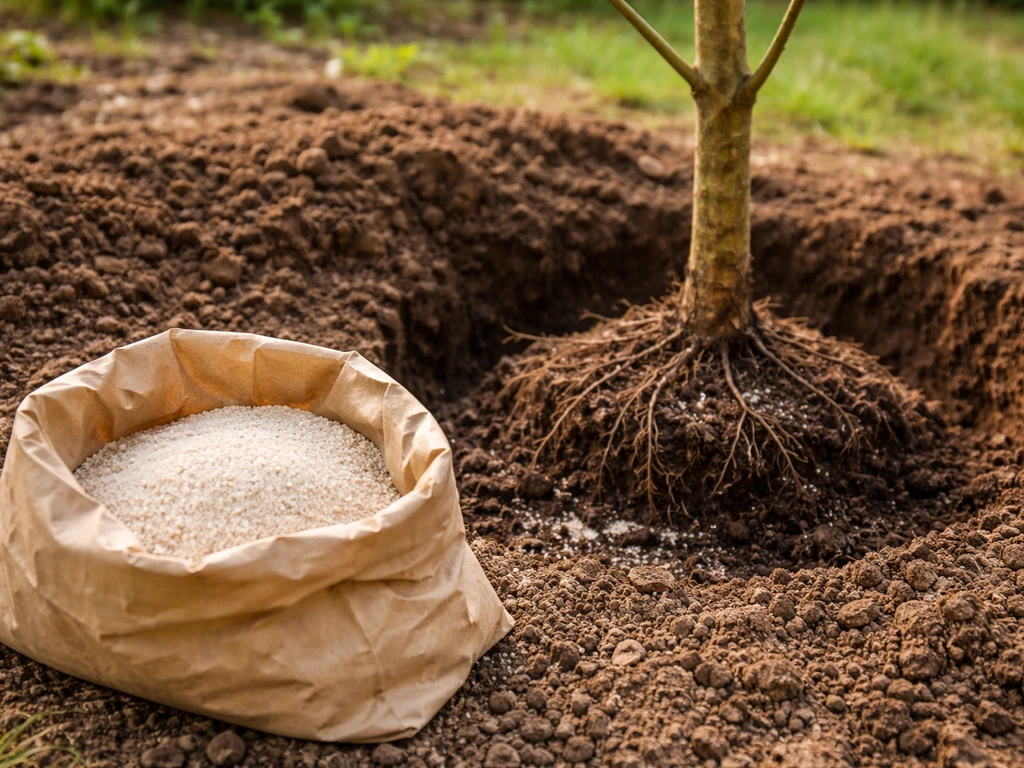
Bonemeal is exactly what it sounds like: animal bones that have been steamed and ground into a powder or coarse meal. The grinding makes phosphorus physically available to plant roots much faster than raw bone would allow. A standard bonemeal product carries an NPK of 3-15-0, meaning it's 3% nitrogen, 15% available phosphate (P2O5), and no potassium. It's also a good calcium source, which matters for root development and cell wall strength.
For trees, the value of bonemeal is almost entirely in that phosphorus. Phosphorus is the nutrient that drives root establishment, which is the single most important thing a newly planted tree needs to do. A tree with strong early roots survives drought, handles transplant shock better, and starts producing fruit sooner. That's why bonemeal shows up in almost every 'at planting' recommendation for fruit trees, ornamental trees, and flowering shrubs. It's less about feeding the canopy and more about getting the roots anchored and active fast.
Calcium is the secondary benefit. Trees pulling calcium through their roots get firmer cell structure, which translates to better fruit quality and disease resistance over time. Bonemeal is not a complete fertilizer (no potassium, modest nitrogen), so think of it as a targeted amendment rather than a general feed. If you're also managing nitrogen timing for corn or other crops, that's a separate conversation handled by different inputs. If you want to figure out how much nitrogen to grow corn, you can start with your corn growth stage and results from a soil test managing nitrogen timing for corn. If you want to grow corn with the right fertilizer schedule, managing nitrogen timing is just as important as knowing your soil nutrients managing nitrogen timing for corn.
How to decide your dose: age, size, and soil baseline
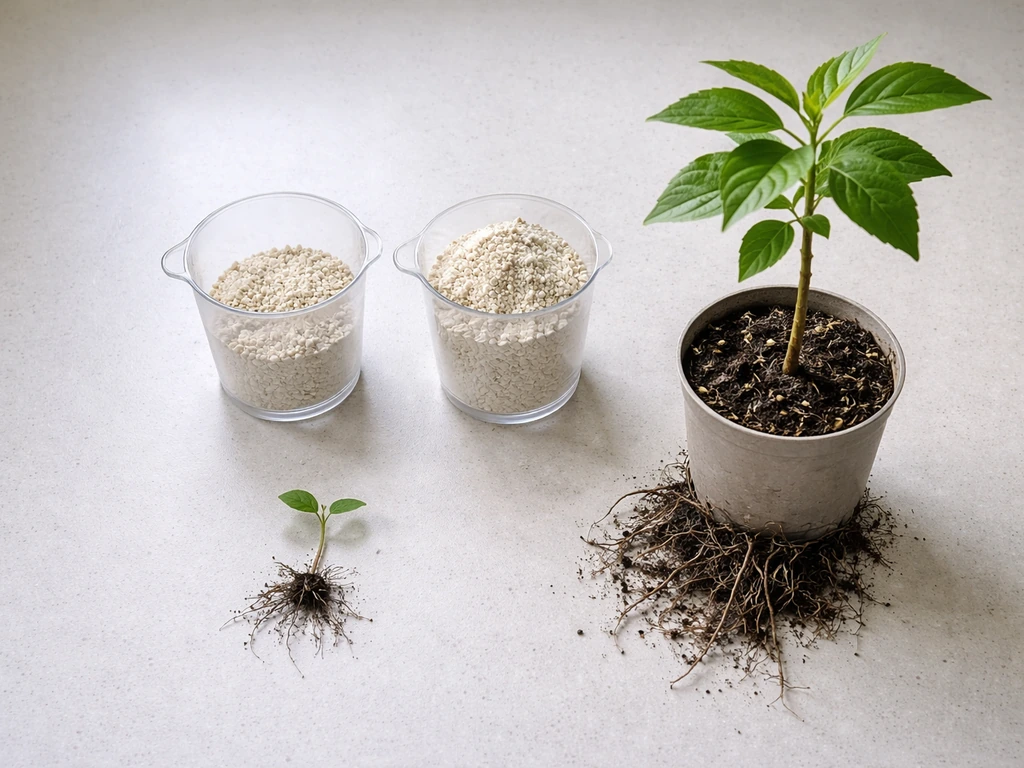
Three things set your dose before you even open the bag: how big the tree is, whether it's going in the ground or a container, and what your soil's current phosphorus level looks like. Get these wrong and you'll either waste money or, worse, lock out nutrients that were already there.
Tree size and age
A bareroot seedling or a 1-gallon nursery tree needs far less than a 5-gallon or balled-and-burlapped specimen. The root zone is smaller, the soil volume being amended is smaller, and the plant can only absorb so much at once. Start low (1 cup or less) for anything you'd describe as a seedling or first-year tree. For a young tree in its second or third season, 1 to 2 cups at top-dressing is appropriate. For a mature established tree getting an annual early-spring boost, you can go up to 3 cups, spread evenly under the canopy out to the drip line.
Soil baseline: the step most people skip
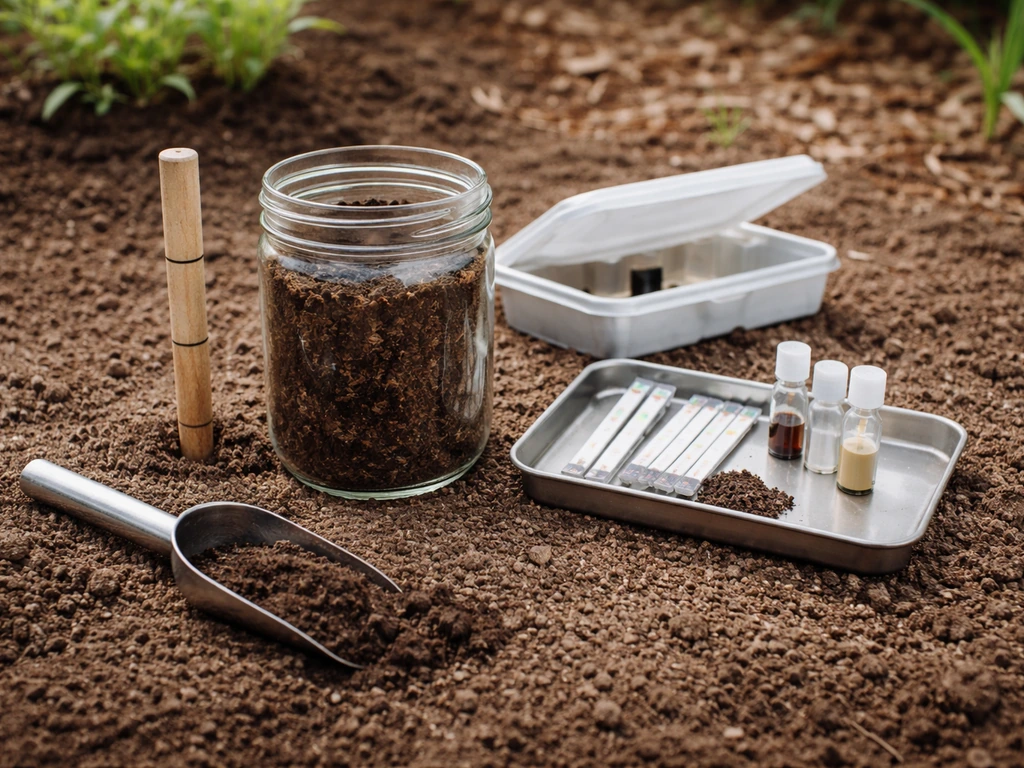
This is the part that actually changes the math. Phosphorus binds to soil particles and accumulates over time. If you've been gardening a bed for years, adding compost and fertilizer, your phosphorus is probably already at or above what a tree needs. University extension guidance from UMass, Oregon State, West Virginia University, and University of Minnesota all say the same thing: when soil test phosphorus is at or above the optimum level, adding more phosphorus fertilizer does not increase growth and can cause chlorosis (yellowing) by interfering with the plant's ability to produce chlorophyll. A basic soil test (under $20 at most county extensions) tells you exactly where you stand. If your P is high, skip the bonemeal entirely and use a 0-0 calcium source or a balanced fertilizer instead.
Sandy or low-organic soils
Sandy soils and low-organic-matter soils are the best candidates for bonemeal. They tend to be phosphorus-poor and don't hold nutrients well. In these conditions, go toward the higher end of the dose range and consider repeating the application each spring. Heavy clay soils that have been cultivated for years are more likely to have phosphorus accumulation, so test first before assuming they need it.
Exact amounts for planting: in-ground vs. container
| Tree type / situation | In-ground dose | Container dose | When to apply |
|---|---|---|---|
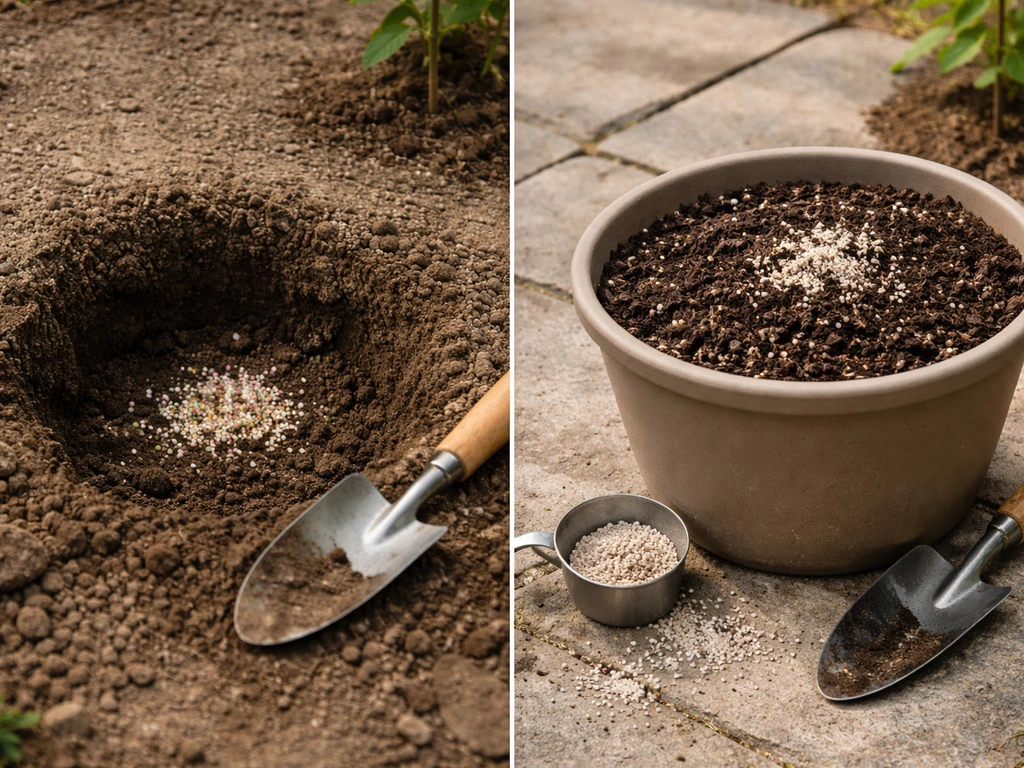
| Seedling or 1-gallon nursery tree | 1/2 to 1 cup mixed into backfill | 1/4 to 1/2 cup mixed into potting mix | At planting |
| Young tree (2–3 gallon, 2nd/3rd year) | 1 to 1.5 cups mixed into planting hole or top-dressed | 1/2 to 3/4 cup top-dressed and watered in | At planting or early spring |
| Established fruit tree (5 gal+ or in-ground 3+ years) | 2 to 3 cups top-dressed under canopy to drip line | 1 cup top-dressed, watered in well | Early spring before bud break |
| Bare-root tree (dormant, in-ground) | 1 cup mixed into base of planting hole | N/A | At planting only |
For in-ground planting, the most effective approach is to mix about two-thirds of your measured bonemeal into the backfill soil you'll use to fill the hole, then add a small amount (the remaining third) loosely to the bottom before setting the tree. This distributes phosphorus through the root zone rather than concentrating it in one spot. For containers, stir bonemeal thoroughly into the potting mix before filling the pot. Don't let it sit in a dry layer at the bottom.
For a general soil prep baseline before planting, Down To Earth recommends 2.5 to 5 pounds per 100 square feet mixed into the top 3 inches. That converts to roughly 0.5 to 1 pound per 10 square feet, which gives you a useful reference if you're amending a larger bed area around multiple young trees.
How often to reapply: the ongoing feeding schedule
Bonemeal breaks down slowly, which is one of its advantages. A single application at planting releases phosphorus over several months to a full growing season. For established trees, once a year in early spring (just before or right as buds start to swell) is usually the right cadence. You're essentially replenishing what the tree used during the previous season's root and fruit development.
Young trees in their first two years can benefit from a second light application in early summer if growth looks sluggish and your soil test supports it. After the tree is well established (typically year three onward), most gardeners find that an annual spring top-dress of 1 to 3 cups keeps things on track without risking phosphorus buildup. If you're doing a soil test every two or three years (which I'd strongly recommend), let the results guide you. If phosphorus keeps creeping up, scale back or skip a year.
One thing to avoid: applying bonemeal in fall as the tree is going dormant. Phosphorus uptake is driven by root activity, and a dormant tree isn't doing much with it. You'll get more benefit from a spring application when the roots are actively growing.
How to apply it safely (without burning roots)
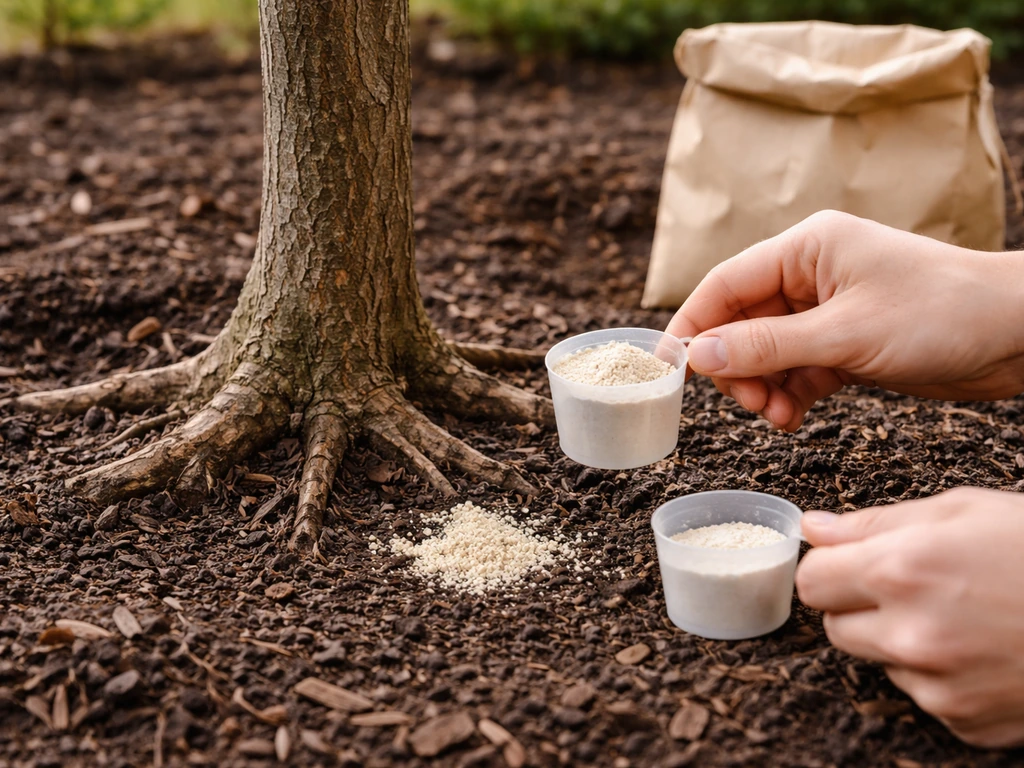
Bonemeal is a mild, slow-release amendment and root burn from it is much less common than with synthetic fertilizers, but it's still possible if you pile a concentrated amount directly against the root crown or trunk. Here's how to apply it safely every time:
- Measure your dose before you start. Use a standard kitchen measuring cup for cups, or a kitchen scale if you want grams (1 cup of bonemeal weighs roughly 100–120 grams depending on the grind).
- At planting: mix two-thirds of the dose into your backfill soil in a bucket before filling the hole. Add the remaining third loosely at the base of the planting hole, then set the root ball on top of a thin layer of plain soil so roots never sit directly on dry bonemeal.
- For top-dressing: spread the bonemeal in a ring starting about 6 inches from the trunk and extending out to the drip line (the outer edge of the canopy). This puts the phosphorus where the feeder roots actually are.
- Water thoroughly immediately after applying. This starts the breakdown process and moves phosphorus into the root zone. Dry bonemeal sitting on the surface does very little.
- Wear gloves when handling, especially for larger quantities. Bonemeal is an organic material that can harbor bacteria if stored improperly, and prolonged skin contact during large applications isn't ideal.
- Keep pets away from freshly applied areas until watered in. Dogs especially find bonemeal attractive and will dig it up or eat it, which can cause digestive issues.
Common mistakes and how to fix them
Using too much
Over-applying bonemeal is the most common problem. The symptom that surprises people most is yellowing leaves, which they often mistake for a deficiency. But as Colorado State University Extension notes (via Gardeners' Path), applying phosphorus to soil that doesn't need it can cause chlorosis by interfering with chlorophyll production. If you've added more than the recommended dose and your tree is showing new yellow leaves with green veins, too much phosphorus is a likely cause.
You can't pull bonemeal back out of the soil once it's in, but you can stop making it worse. Water deeply and frequently to dilute the concentration through the root zone. Don't add any more phosphorus fertilizer, and let the season run. In most cases, the tree will stabilize on its own over 4 to 8 weeks. Get a soil test before applying anything again. If phosphorus levels come back very high, skip bonemeal for a year or two entirely.
Using too little (or none when you need it)
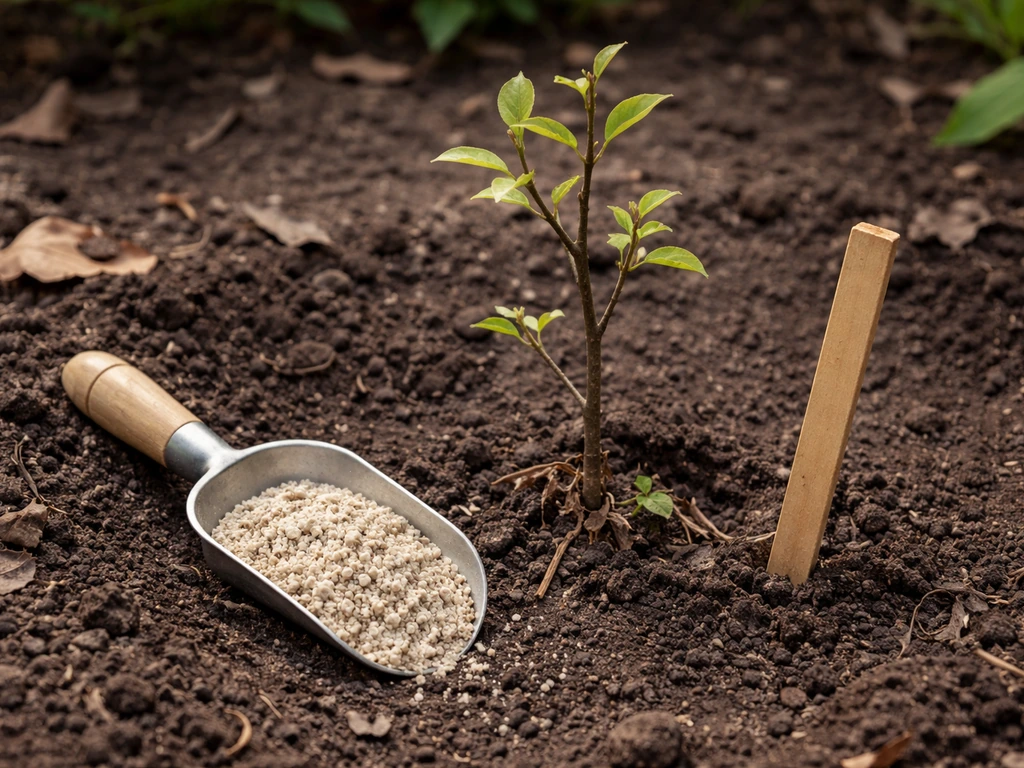
The signs of phosphorus deficiency are subtler: slow root establishment, reduced overall vigor, sometimes a purplish tint to the undersides of leaves or stems. Young trees that sit without growing much in their first season after planting are a classic indicator. If you planted without any amendment and you're seeing this pattern, a top-dress application of 1 to 2 cups worked into the soil around the drip line (not against the trunk) and watered in is a reasonable correction. Pair this with a soil test so you know what you're actually correcting.
Applying at the wrong time or in the wrong spot
Placing bonemeal in a concentrated band directly under the trunk does very little, because that's not where most feeder roots are. Similarly, applying it to dry soil without watering in means it just sits there. And applying in fall for a deciduous tree is largely wasted. Timing (early spring), placement (drip line), and watering in immediately are the three habits that make any bonemeal application actually work.
When bonemeal isn't the right tool anymore
Once a tree is well established and your soil phosphorus is at a good level, bonemeal becomes less useful. At that point, you're usually better served by a balanced fertilizer that includes nitrogen for canopy growth and potassium for fruit development and disease resistance. If your tree is producing well but fruit is small or the canopy looks thin, nitrogen is probably what's missing, and bonemeal's 3% nitrogen isn't going to move the needle.
Here's a quick troubleshooting guide for knowing when to switch:
| Symptom | Likely cause | What to do |
|---|---|---|
| Yellow leaves (new growth, green veins) | Excess phosphorus or iron/zinc lockout | Stop bonemeal, water deeply, soil test |
| Purple-tinted stems or leaf undersides | Phosphorus deficiency | Apply 1–2 cups bonemeal, water in well |
| Slow growth, pale green leaves overall | Nitrogen deficiency | Switch to a balanced N-P-K fertilizer |
| Weak fruiting, small fruit | Potassium or nitrogen low | Use a fertilizer with higher K, soil test |
| Good growth but poor root establishment | Low phosphorus at planting | Top-dress with 1–2 cups bonemeal near drip line |
| Tree looks healthy but phosphorus test is very high | P accumulation from past applications | Skip bonemeal; use calcium source only |
The clearest next step after any application is to watch the tree for 4 to 6 weeks and note leaf color, new growth rate, and overall vigor. Most bonemeal starts becoming available to roots within a few weeks of a good watering. If you're not seeing any change in a slow or struggling tree after 6 to 8 weeks, a soil test is your best diagnostic tool. It takes the guesswork out of whether you need more phosphorus, less of it, or something else entirely. A $15 test can save you from two or three seasons of chasing the wrong problem.
FAQ
Can I use bonemeal to fix yellow leaves after planting?
Yes, but only if your soil test phosphorus (or a basic lab P level) confirms you are low. If P is already at or above the optimum range, extra bonemeal can contribute to chlorosis (yellowing from excess phosphorus interfering with chlorophyll). In that situation, the better fix is often a 0-0 calcium source (for calcium needs) or a balanced fertilizer for overall nutrition.
When is the worst time to apply bonemeal to a tree?
For trees, bonemeal is best when the tree can actively use nutrients. Use it in early spring, just before buds swell, and water it in right away. Avoid fall applications for deciduous trees, because uptake is low when root activity slows.
Is it okay to add bonemeal along with compost or other fertilizers?
You generally should not mix bonemeal with manure, compost, or other phosphorus fertilizers unless you know the total phosphorus you are adding. The risk is accidentally stacking phosphorus in the same season, especially on beds that have already received composted amendments. If you use multiple products, base decisions on a soil test and stop adding phosphorus once P is in the good range.
What’s the correct placement method for bonemeal so it actually helps?
If you are planting in-ground, distribute it through the root zone by mixing most of it into the backfill soil and keeping only a small portion loosely at the bottom. For containers, stir it thoroughly into the potting mix so it is not left as a dry layer at the bottom. Concentrating it right under the trunk increases the chance of root issues without helping much.
My new tree is not growing, should I just add more bonemeal?
If the tree is still within the first year or two and you did not see growth, a reasonable correction is a small top-dress (about 1 to 2 cups) worked into the soil around the drip line and watered in. If the tree is already in year three onward, and vigor is still poor, don’t keep adding phosphorus. Start with a soil test to check whether the limiting factor is actually nitrogen, potassium, drainage, or root health.
What should I do if I over-applied bonemeal?
If you applied more than the recommended amount, the key action is to avoid further phosphorus additions and water deeply to dilute concentration through the root zone. Then wait and reassess after several weeks, and retest soil if you plan any additional amendments. You cannot remove phosphorus already bound in the soil, so the focus is preventing additional buildup.
Will bonemeal replace a complete fertilizer for mature fruit trees?
Yes, but only as a supplement. Bonemeal provides phosphorus and some calcium, but it has no potassium and only a modest amount of nitrogen. If your tree is producing thin canopy or small fruit, nitrogen and potassium timing may be the real limitation, so a balanced fertilizer plan is usually more effective than repeatedly increasing bonemeal.
How does the bonemeal amount change for a potted tree?
For container trees, stick to the same principle of avoiding dry layers and keeping the dose small relative to pot volume. Stir bonemeal into the potting mix thoroughly before planting. Also avoid frequent re-dosing in tight schedules, because nutrient buildup is easier to reach in containers than in large in-ground beds.
Do all soils need bonemeal at planting time?
Not necessarily. Phosphorus can already be high from prior gardening inputs, especially on clay soils that have been amended repeatedly. Sandy or low-organic soils are more likely to benefit, but the decision should still start with a soil test before you spend money on repeated applications.
Do We Grow Enough Food to Feed the World? How to Think and Act
Explains if global food is enough versus access and waste, then gives home gardening steps to shrink the hunger gap.